

Getting toned legs is one of the most common fitness goals, especially as summer approaches. The good news is that improving muscle definition, strength, and shape in your legs does not require extreme routines or complicated plans. Science shows that a combination of resistance training, smart conditioning, proper nutrition, and recovery can significantly improve lower body composition and performance.
What Does “Toning” Actually Mean?
Before diving into the tips, it is important to clarify what “toning” means from a scientific perspective.


Muscle Tone vs Body Composition
In fitness culture, “toning” usually refers to:
- Increasing muscle definition
- Reducing body fat
- Improving muscle firmness
However, physiologically, muscle tone is the continuous and passive partial contraction of muscles. What most people want is a combination of muscle hypertrophy and fat loss.
The Science Behind Visible Leg Definition
Visible muscle definition occurs when:
- Muscle size increases through resistance training
- Subcutaneous fat decreases through a calorie deficit and activity
- Muscle endurance improves
Research consistently shows that combining resistance training with proper nutrition leads to improved body composition and muscle visibility.
Tip 1: Prioritize Compound Lower Body Exercises
If you want efficient results, compound exercises should be the foundation of your leg training.
Why Compound Movements Work
Compound exercises engage multiple joints and muscle groups at the same time. This leads to:
- Greater muscle activation
- Higher calorie expenditure
- More efficient strength gains
Studies show that multi joint exercises stimulate more muscle fibers and hormonal responses compared to isolation movements.
Key Exercises to Include
Focus on movements that target the quadriceps, hamstrings, glutes, and calves:
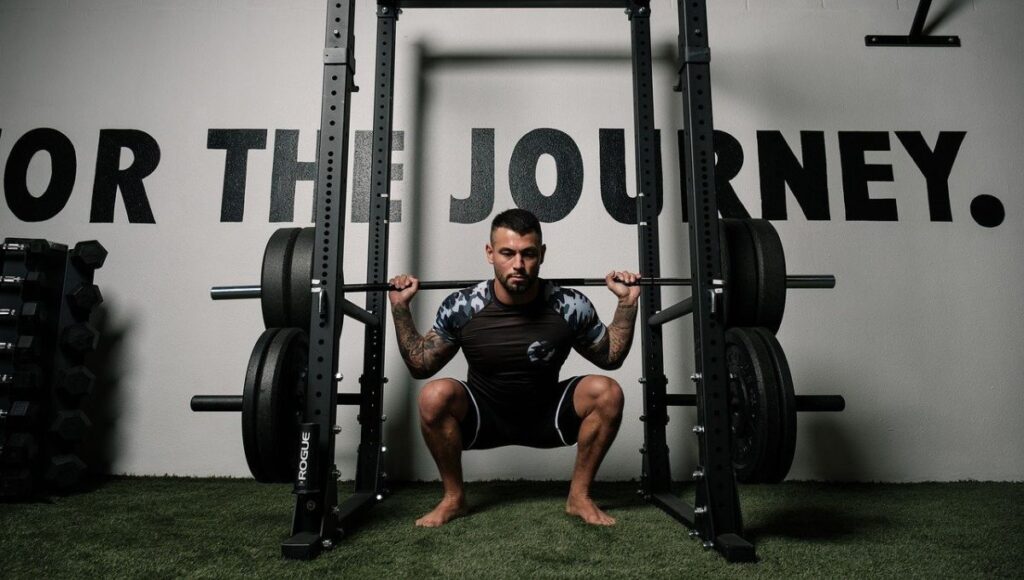
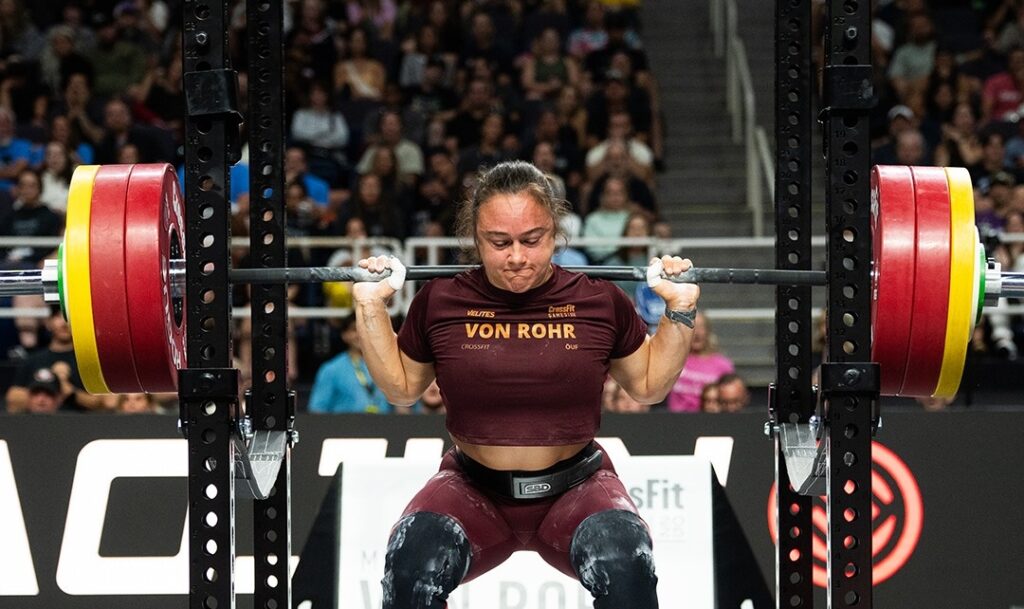
- Squats
- Lunges
- Deadlifts
- Step ups
- Hip thrusts
These exercises recruit large muscle groups, which increases training efficiency and promotes hypertrophy.
Training Recommendations
- Perform 2 to 4 lower body sessions per week
- Use moderate to heavy loads
- Aim for 6 to 12 repetitions per set
- Complete 3 to 5 sets per exercise
Research indicates that this rep range is optimal for muscle growth when combined with progressive overload.
Progressive Overload Is Essential
To tone your legs effectively, you must gradually increase the challenge over time. This can include:
- Adding weight
- Increasing repetitions
- Improving technique
- Reducing rest time
Without progressive overload, muscle adaptation slows down.
Tip 2: Incorporate High Intensity Conditioning

Strength training builds muscle, but conditioning helps reduce body fat and improve muscle visibility.
Why Conditioning Matters
High intensity training increases energy expenditure both during and after exercise. This effect is known as excess post exercise oxygen consumption. Research shows that high intensity interval training can improve fat loss while preserving lean muscle mass.
Effective Conditioning Methods
You can integrate conditioning into your routine in several ways:
- Sprint intervals
- Cycling intervals
- Rowing intervals
- Bodyweight circuits
For leg toning, sprint based intervals are especially effective because they directly engage the lower body muscles.
Sample Interval Structure
- Warm up for 5 to 10 minutes
- Perform 20 to 30 seconds of high intensity effort
- Rest for 60 to 90 seconds
- Repeat for 6 to 10 rounds
This type of training has been shown to improve both aerobic and anaerobic capacity while supporting fat loss.
Frequency Guidelines
- Perform conditioning 2 to 3 times per week
- Avoid excessive volume to prevent overtraining
Combining strength training and conditioning leads to better overall results than either method alone.
Tip 3: Optimize Your Nutrition for Fat Loss and Muscle Definition
Training alone will not produce toned legs if nutrition is not aligned with your goals.
Energy Balance and Fat Loss
To reduce body fat, you need to create a calorie deficit. This means consuming fewer calories than you burn. Research consistently shows that a moderate calorie deficit is the most sustainable approach.
Protein Intake Is Critical
Protein plays a key role in muscle repair and growth. Higher protein intake helps:
- Preserve lean muscle mass during fat loss
- Increase satiety
- Improve recovery
Studies recommend consuming around 1.6 to 2.2 grams of protein per kilogram of body weight per day for active individuals.
Carbohydrates and Performance
Carbohydrates provide the energy needed for intense workouts. Restricting them too much can reduce performance and training quality. Include:
- Whole grains
- Fruits
- Vegetables
These support both energy levels and recovery.
Healthy Fats and Hormonal Balance
Fats are essential for hormone production and overall health. Include sources like:
- Nuts
- Seeds
- Olive oil
- Fatty fish
Balanced nutrition supports long term consistency and results.
Hydration and Muscle Appearance
Hydration affects muscle function and appearance. Dehydration can reduce strength and endurance. Aim to drink enough water throughout the day, especially around workouts.
Tip 4: Train With Proper Volume and Frequency
Many people either undertrain or overtrain their legs. Both can limit progress.
What Is Training Volume?
Training volume refers to the total amount of work performed, usually calculated as:
Sets x repetitions x weight
Higher training volume is associated with greater muscle growth, up to a point.
Evidence Based Volume Guidelines
Research suggests:
- 10 to 20 sets per muscle group per week is effective for hypertrophy
- Spreading this volume across multiple sessions improves recovery
For legs, this means training:
- Quadriceps
- Hamstrings
- Glutes
Each with sufficient volume.
Frequency Matters
Training a muscle group more than once per week leads to better results compared to once weekly sessions.
For leg development:
- Train legs 2 to 3 times per week
- Allow at least 48 hours of recovery between sessions
Avoiding Overtraining
Signs of excessive training include:
- Persistent soreness
- Decreased performance
- Fatigue
Recovery is just as important as training for muscle growth.
Tip 5: Prioritize Recovery and Sleep
Recovery is often overlooked, but it is essential for muscle growth and fat loss.
The Role of Sleep in Muscle Development
Sleep affects:
- Hormone production
- Muscle repair
- Energy levels
Research shows that inadequate sleep can reduce muscle protein synthesis and increase fat gain.
How Much Sleep Do You Need?
Most adults need:
- 7 to 9 hours of quality sleep per night
Consistent sleep patterns support better training performance and recovery.

Active Recovery Strategies
In addition to sleep, consider:
- Light walking
- Stretching
- Mobility work
These can improve blood flow and reduce muscle soreness.
Managing Stress
Chronic stress can negatively impact fat loss and muscle growth due to hormonal changes.
Techniques to manage stress include:
- Deep breathing
- Meditation
- Time outdoors
Balanced recovery supports long term progress.
Bonus: The Importance of Consistency
While these tips are effective, consistency is the most important factor.
Why Consistency Wins
Short term efforts do not produce lasting results. Research shows that long term adherence to exercise and nutrition plans is the key driver of success.
Focus on:
- Sustainable routines
- Gradual progress
- Realistic goals
Setting Practical Expectations
Visible changes in leg definition typically take:
- 6 to 12 weeks of consistent effort
This timeline varies depending on starting point and adherence.
Putting It All Together
To tone your legs effectively:
- Build muscle through compound strength training
- Reduce body fat with conditioning and nutrition
- Support recovery with sleep and stress management
Each component works together to produce visible results.
Common Mistakes to Avoid
Relying Only on Cardio
Cardio alone does not build significant muscle. Without resistance training, achieving a toned look is difficult.
Ignoring Progressive Overload
Doing the same workouts repeatedly limits progress.
Undereating
Severe calorie restriction can lead to muscle loss and reduced performance.
Skipping Recovery
Overtraining without adequate rest can stall results.
Final Thoughts
Toning your legs for summer is not about quick fixes or extreme methods. It is about applying proven principles consistently. By focusing on compound exercises, effective conditioning, proper nutrition, adequate volume, and recovery, you can build stronger, leaner, and more defined legs. The science is clear. Results come from combining these elements in a structured and sustainable way.
References
- American College of Sports Medicine (2009) Progression models in resistance training for healthy adults. Medicine and Science in Sports and Exercise, 41(3), pp. 687 to 708.
- Boutcher, S.H. (2011) High intensity intermittent exercise and fat loss. Journal of Obesity, 2011, pp. 1 to 10.
- Helms, E.R., Aragon, A.A. and Fitschen, P.J. (2014) Evidence based recommendations for natural bodybuilding contest preparation. Journal of the International Society of Sports Nutrition, 11(20), pp. 1 to 20.
- Schoenfeld, B.J. (2010) The mechanisms of muscle hypertrophy and their application to resistance training. Journal of Strength and Conditioning Research, 24(10), pp. 2857 to 2872.
- Schoenfeld, B.J., Ogborn, D. and Krieger, J.W. (2016) Effects of resistance training frequency on measures of muscle hypertrophy. Sports Medicine, 46(11), pp. 1689 to 1697.
- Morton, R.W. et al. (2018) A systematic review of protein intake and muscle mass. British Journal of Sports Medicine, 52(6), pp. 376 to 384.