Sticking to a workout routine takes discipline, but progress is not always obvious. Many people expect dramatic physical changes within a few weeks, only to feel discouraged when the mirror seems to show the same body looking back. The truth is that meaningful fitness improvements often happen beneath the surface long before major visual changes appear.
Exercise triggers dozens of adaptations throughout the body. Your heart becomes more efficient, your muscles improve their ability to produce force, your nervous system learns to recruit muscle fibers more effectively, and your metabolism becomes better at using energy. These changes happen gradually, but they are measurable and supported by decades of scientific research.


Instead of relying only on the scale or comparing yourself with photos on social media, it makes more sense to look for evidence based indicators that your training is working. Here are seven signs that your workouts are genuinely paying off.
Your Strength Is Increasing
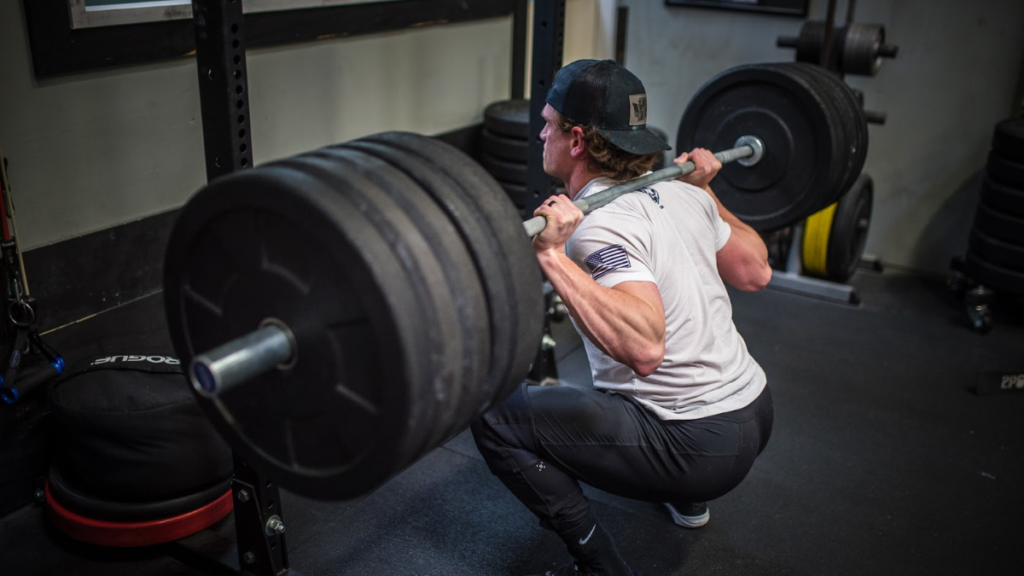
One of the clearest indicators of successful training is getting stronger. Strength improvements usually happen before noticeable muscle growth. During the first several weeks of resistance training, your nervous system becomes better at activating muscle fibers, coordinating movement, and improving technique. This process allows you to lift heavier weights even before your muscles become significantly larger.
You might notice that a weight that once felt extremely challenging now feels manageable. Perhaps you can perform more repetitions with the same weight, or maybe you have progressed from bodyweight push ups on your knees to full push ups.
This progression reflects real physiological adaptation. Research consistently shows that progressive overload, which involves gradually increasing training demands, is one of the primary drivers of long term strength gains. Both beginners and experienced lifters continue to improve when training is structured appropriately.
3 Best Dead Stop Exercises for Muscular Legs
Strength gains also have important health benefits beyond athletic performance. Greater muscular strength has been associated with lower risk of chronic disease, better mobility during aging, and reduced risk of premature death.
Small Improvements Matter
Many people underestimate small increases in performance. Adding five pounds to your squat every few weeks or completing one extra pull up represents meaningful progress. Over months and years, these small improvements compound into major gains.
Your Recovery Between Workouts Is Faster
When you first begin exercising, soreness can last several days. Climbing stairs after leg day may feel almost impossible. As your body adapts, recovery becomes much more efficient. Exercise stimulates improvements in muscle repair, circulation, and energy production. Your muscles learn to handle training stress more effectively, reducing both soreness and recovery time.

This does not mean you will never feel sore again. Challenging workouts, new exercises, or increases in training volume can still produce delayed onset muscle soreness. However, experienced exercisers generally recover faster than beginners performing similar workloads.
Improved recovery also shows up in other ways. Your resting heart rate may return to normal more quickly after intense exercise. You may feel ready for your next workout sooner. Your energy levels throughout the day become more stable instead of crashing after training. Recovery is one of the strongest signs that your body is adapting positively to exercise.
Less Soreness Does Not Mean Less Progress
A common misconception is that muscles must be sore after every workout for training to be effective. Scientific evidence does not support this idea. Muscle soreness reflects tissue damage and inflammation rather than the quality of a workout. Significant improvements in strength and muscle size can occur with very little soreness once your body has adapted.
Daily Activities Feel Easier
Fitness is about much more than what happens inside the gym. One of the most meaningful signs of progress is that ordinary daily tasks require less effort.
Carrying groceries becomes easier. Walking up several flights of stairs no longer leaves you breathless. Playing with your children feels less exhausting. Yard work, hiking, moving furniture, or climbing hills all become more manageable. These improvements happen because regular exercise increases muscular strength, cardiovascular fitness, coordination, and endurance.
Resistance training improves your ability to produce force during everyday movements, while aerobic exercise increases your body’s ability to deliver oxygen to working muscles. Researchers describe this as increased functional capacity, which is closely linked to quality of life and long term independence. Many people overlook these improvements because they happen gradually. Yet they represent some of the most valuable outcomes of regular exercise.
Your Resting Heart Rate Is Lower
Your heart becomes stronger when you train consistently. During aerobic exercise and regular physical activity, the heart adapts by pumping more blood with each beat. Because each contraction becomes more effective, the heart does not need to beat as frequently while you are resting.

This often results in a lower resting heart rate. For many healthy adults, a resting heart rate between 60 and 100 beats per minute is considered normal. Physically active individuals often record resting heart rates well below this range without any health concerns.
Elite endurance athletes sometimes have resting heart rates below 50 beats per minute because their cardiovascular systems have become highly efficient. You do not need to become an elite athlete to experience this benefit. Even moderate improvements in cardiorespiratory fitness can reduce resting heart rate over time.
A lower resting heart rate is also associated with improved cardiovascular health and lower risk of heart disease in many populations.
Heart Rate Recovery Improves Too
Another important marker is how quickly your heart rate drops after exercise. A faster decline following intense activity reflects improved autonomic nervous system function and better cardiovascular fitness. Many fitness watches now measure heart rate recovery automatically, making it easier than ever to track this important adaptation.
You Have More Energy Throughout the Day
It may seem strange that expending energy through exercise actually increases overall energy levels. However, this is exactly what many studies have found. Regular physical activity improves mitochondrial function. Mitochondria are often called the powerhouses of cells because they generate energy for nearly every process in the body.
Exercise also improves blood flow, increases oxygen delivery, enhances sleep quality, and supports hormone regulation. Together, these adaptations help many people feel more energetic throughout the day. Research involving previously sedentary adults has repeatedly shown that regular exercise reduces feelings of fatigue while increasing vitality.
If you consistently finish your workday feeling less drained than before you started exercising, your workouts are likely producing meaningful physiological benefits. This improvement may appear before noticeable changes in body composition, making it an encouraging early sign of success.
Your Body Composition Is Changing Even if the Scale Is Not
Many people judge progress entirely by body weight. This is one of the biggest mistakes in fitness.
Muscle tissue is denser than fat tissue. As you lose fat while gaining muscle, your body weight may remain nearly identical even though your appearance changes considerably. Your clothes may fit differently. Your waist measurement may decrease. Your shoulders, arms, and legs may appear more defined. Friends or family members may comment that you look healthier.
These changes often provide a more accurate picture of progress than the number displayed on a bathroom scale. Research consistently demonstrates that resistance training helps preserve or increase lean muscle mass while reducing body fat, particularly when combined with appropriate nutrition. Body composition improvements also support metabolic health. Greater muscle mass contributes to improved insulin sensitivity, healthier blood sugar regulation, and higher daily energy expenditure.
The Mirror Can Be Misleading
Looking at yourself every day makes it difficult to notice gradual improvements. Taking progress photos every four to six weeks under similar lighting conditions provides a much more objective way to observe changes. Body measurements and strength improvements are also valuable because they are less influenced by daily fluctuations in hydration or food intake.
Your Mood and Mental Focus Have Improved
Exercise benefits the brain as much as the body. One of the earliest positive changes many people experience is improved mental wellbeing. Physical activity stimulates the release of neurotransmitters including dopamine and serotonin while increasing production of endorphins. Exercise also promotes the release of brain derived neurotrophic factor, a protein that supports learning, memory, and brain health.
Regular exercise has been shown to reduce symptoms of anxiety and depression while improving cognitive function, attention, and emotional resilience. Many people report feeling calmer after workouts, sleeping better at night, and concentrating more effectively during work or study.
These improvements are not simply psychological impressions. Brain imaging studies have demonstrated measurable structural and functional changes associated with regular physical activity. Exercise also reduces chronic inflammation and improves blood flow to the brain, both of which may contribute to better long term cognitive health.
Consistency Matters More Than Intensity
You do not need exhausting workouts to experience mental health benefits. Research shows that moderate intensity exercise performed consistently provides substantial improvements in mood, stress management, and overall psychological wellbeing.
Even brisk walking performed several times each week can produce meaningful benefits.
Focus on the Process Instead of Perfection
Fitness is not defined by one workout or one number on the scale. The people who achieve lasting results are usually those who pay attention to gradual improvements across multiple areas of health and performance.
If you are lifting heavier weights, recovering faster, moving more easily throughout the day, maintaining a healthier resting heart rate, feeling more energetic, improving your body composition, and experiencing better mental wellbeing, your workouts are working. These changes represent genuine physiological adaptations supported by extensive scientific research.
The body rewards consistency. While dramatic transformations make headlines, the small improvements that accumulate week after week are what ultimately build stronger muscles, healthier hearts, sharper minds, and longer lives.
Key Takeaways
| Sign | Why It Matters | What It Indicates |
|---|---|---|
| Increased strength | You lift heavier weights or perform more repetitions | Neuromuscular adaptation and muscle development |
| Faster recovery | Less soreness and quicker readiness for training | Improved repair capacity and fitness adaptation |
| Easier daily activities | Walking, lifting, and climbing stairs feel easier | Better functional fitness and endurance |
| Lower resting heart rate | Heart works more efficiently | Improved cardiovascular fitness |
| Higher daily energy | Less fatigue and better productivity | Enhanced mitochondrial function and overall health |
| Improved body composition | Clothes fit better despite stable weight | Increased muscle mass and reduced body fat |
| Better mood and focus | Improved mental wellbeing and concentration | Positive brain adaptations and reduced stress |
References
- American College of Sports Medicine (2022) ACSM’s Guidelines for Exercise Testing and Prescription. 11th ed. Philadelphia: Wolters Kluwer.
- Booth, F.W., Roberts, C.K. and Laye, M.J. (2012) ‘Lack of exercise is a major cause of chronic diseases’, Comprehensive Physiology, 2(2), pp. 1143 to 1211.
- Garber, C.E., Blissmer, B., Deschenes, M.R., Franklin, B.A., Lamonte, M.J., Lee, I.M., Nieman, D.C. and Swain, D.P. (2011) ‘Quantity and quality of exercise for developing and maintaining cardiorespiratory, musculoskeletal, and neuromotor fitness in apparently healthy adults’, Medicine & Science in Sports & Exercise, 43(7), pp. 1334 to 1359.
- Hall, K.D., Heymsfield, S.B., Kemnitz, J.W., Klein, S., Schoeller, D.A. and Speakman, J.R. (2012) ‘Energy balance and its components. Implications for body weight regulation’, American Journal of Clinical Nutrition, 95(4), pp. 989 to 994.
- Haskell, W.L., Lee, I.M., Pate, R.R., Powell, K.E., Blair, S.N., Franklin, B.A., Macera, C.A., Heath, G.W., Thompson, P.D. and Bauman, A. (2007) ‘Physical activity and public health. Updated recommendation for adults’, Medicine & Science in Sports & Exercise, 39(8), pp. 1423 to 1434.