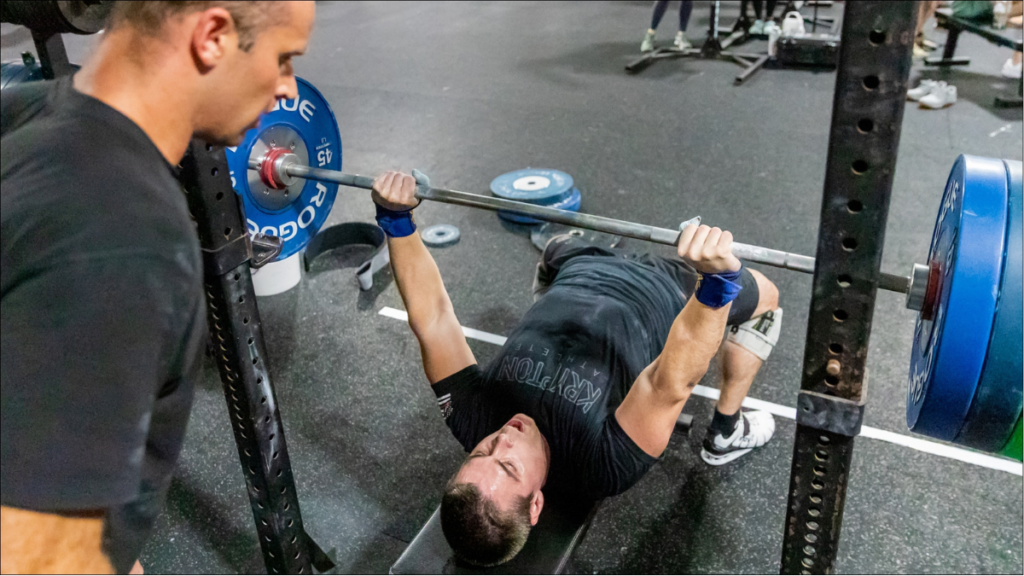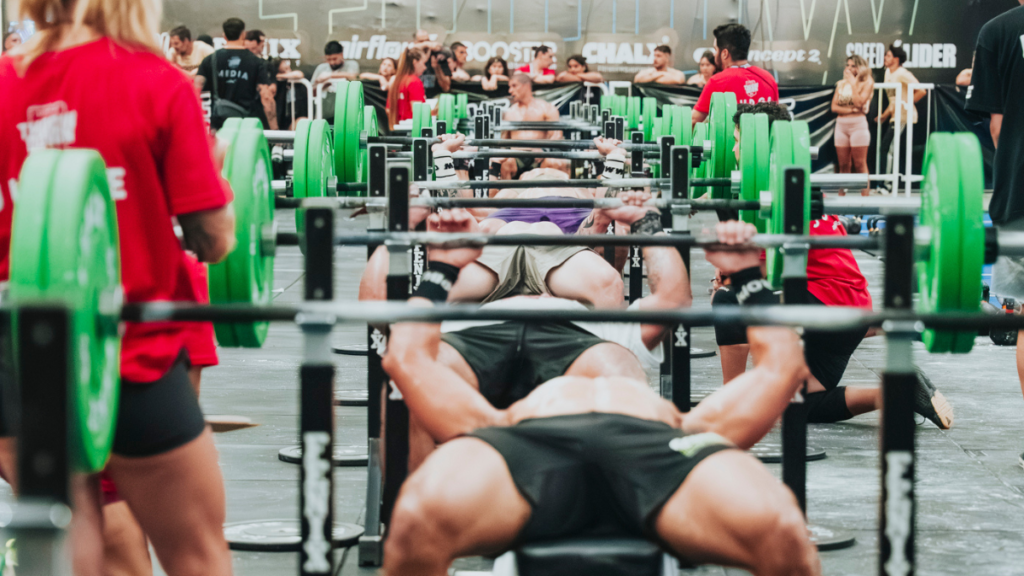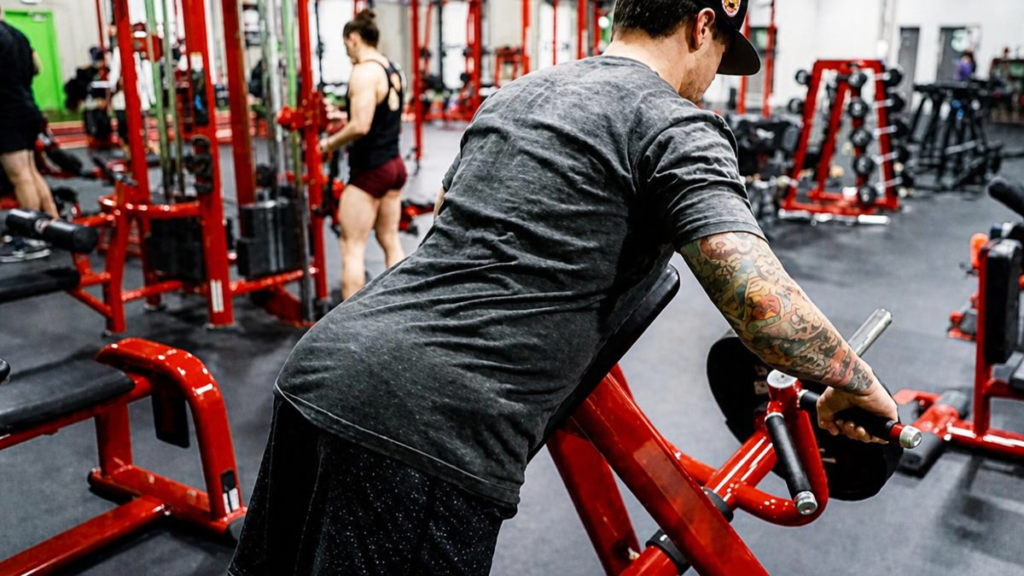


Strong, well-developed triceps are essential for pressing strength, elbow stability, and upper-body aesthetics. The triceps brachii make up roughly two-thirds of the upper arm’s muscle mass, meaning their development has a disproportionate effect on arm size and strength.
Skull crushers—also known as lying triceps extensions—are one of the most effective isolation exercises for this muscle group when performed correctly and programmed intelligently.


This article breaks down seven skull crusher variations, explains why each one works, and links every key claim to scientific evidence. You will learn how different joint angles, implements, and stability demands influence triceps activation, hypertrophy, and joint health. The goal is practical application grounded in exercise science, not hype.
Understanding the Triceps and Why Skull Crushers Work
Triceps Anatomy and Function
The triceps brachii has three heads: the long head, lateral head, and medial head. All three insert at the olecranon of the ulna and act to extend the elbow. The long head also crosses the shoulder joint, contributing to shoulder extension and stability.

Electromyography (EMG) and anatomical studies consistently show that elbow extension exercises with minimal shoulder movement strongly activate the lateral and medial heads, while movements that involve shoulder flexion or extension place greater demand on the long head. Skull crushers are unique because they can be modified to emphasize either pattern depending on arm position and range of motion (Escamilla et al., 2010).
Mechanical Tension and Hypertrophy
Muscle growth is primarily driven by mechanical tension applied over time. Resistance training studies show that exercises allowing high levels of tension at long muscle lengths tend to produce superior hypertrophy outcomes (Schoenfeld, 2010; Schoenfeld and Grgic, 2018).
Skull crushers load the triceps heavily in the stretched position, particularly the long head, which is lengthened when the shoulder is flexed. This mechanical characteristic explains why skull crushers are consistently associated with significant triceps hypertrophy when included in resistance training programs.
Joint Stress and Proper Technique
Concerns about elbow stress during skull crushers are common, but biomechanical research suggests that controlled elbow extension with appropriate loads does not inherently increase injury risk. Excessive joint stress is usually the result of poor technique, excessive loading, or insufficient warm-up rather than the exercise itself (Reinold et al., 2004).
Using variations that adjust resistance curves, grip positions, and range of motion can reduce joint strain while maintaining high muscle activation.
How Skull Crusher Variations Change Muscle Activation
Grip, Implement, and Resistance Curve
Different implements—barbells, dumbbells, EZ bars, cables, and bands—change the resistance profile across the movement. Free weights provide maximal resistance when the forearms are perpendicular to gravity, while cables and bands maintain tension throughout the entire range of motion.

Studies comparing free weights and cables show that constant tension can increase time under tension, a variable associated with hypertrophy when total volume is equated (Wakahara et al., 2012).
Shoulder Angle and Long Head Emphasis
Because the long head crosses the shoulder joint, exercises performed with the arms overhead or with increased shoulder flexion tend to activate it more strongly. Research using EMG confirms higher long-head activation during overhead triceps extensions compared to neutral-arm positions (Saeterbakken et al., 2017).
Skull crusher variations that increase shoulder flexion or allow the elbows to drift slightly back can therefore be strategically used to target this often undertrained head.
1. Barbell Skull Crushers
Why This Variation Works
The classic barbell skull crusher allows heavy loading and consistent bilateral movement. Using a straight bar or EZ bar enables lifters to progressively overload the triceps, which is a key driver of long-term strength and hypertrophy adaptations (Kraemer and Ratamess, 2004).
The fixed hand position also reduces the need for stabilizing muscles, allowing higher absolute loads and greater mechanical tension on the triceps.
Scientific Rationale
Research shows that multi-joint stability and reduced degrees of freedom enable greater force production during resistance exercises (Behm and Anderson, 2006). Although skull crushers are technically a single-joint movement, the barbell version limits independent arm movement, increasing force output.
Additionally, EMG studies demonstrate high triceps activation during barbell skull crushers, comparable to or exceeding many cable-based triceps exercises when load is matched (Escamilla et al., 2010).
Technique Considerations
Lower the bar slowly to just above the forehead or slightly behind the head to increase the stretch on the long head. Keep the elbows relatively fixed to maintain tension on the triceps rather than shifting load to the shoulders.
2. EZ-Bar Skull Crushers
Reduced Joint Stress Without Losing Tension
The EZ-bar skull crusher is often recommended for lifters with elbow discomfort. The angled grip places the forearms in a more neutral position, which can reduce rotational stress at the elbow joint.
Biomechanical studies indicate that neutral or semi-supinated grips can reduce joint torque at the elbow during extension movements (Reinold et al., 2004).
Muscle Activation and Load Potential
EMG evidence suggests that changing grip angle does not significantly reduce triceps activation as long as total load and range of motion are preserved (Saeterbakken et al., 2017). This makes the EZ-bar skull crusher a joint-friendly alternative that still supports progressive overload.
Practical Application
This variation is ideal for moderate to high training volumes. It is particularly effective during hypertrophy-focused training blocks where joint health becomes a limiting factor.
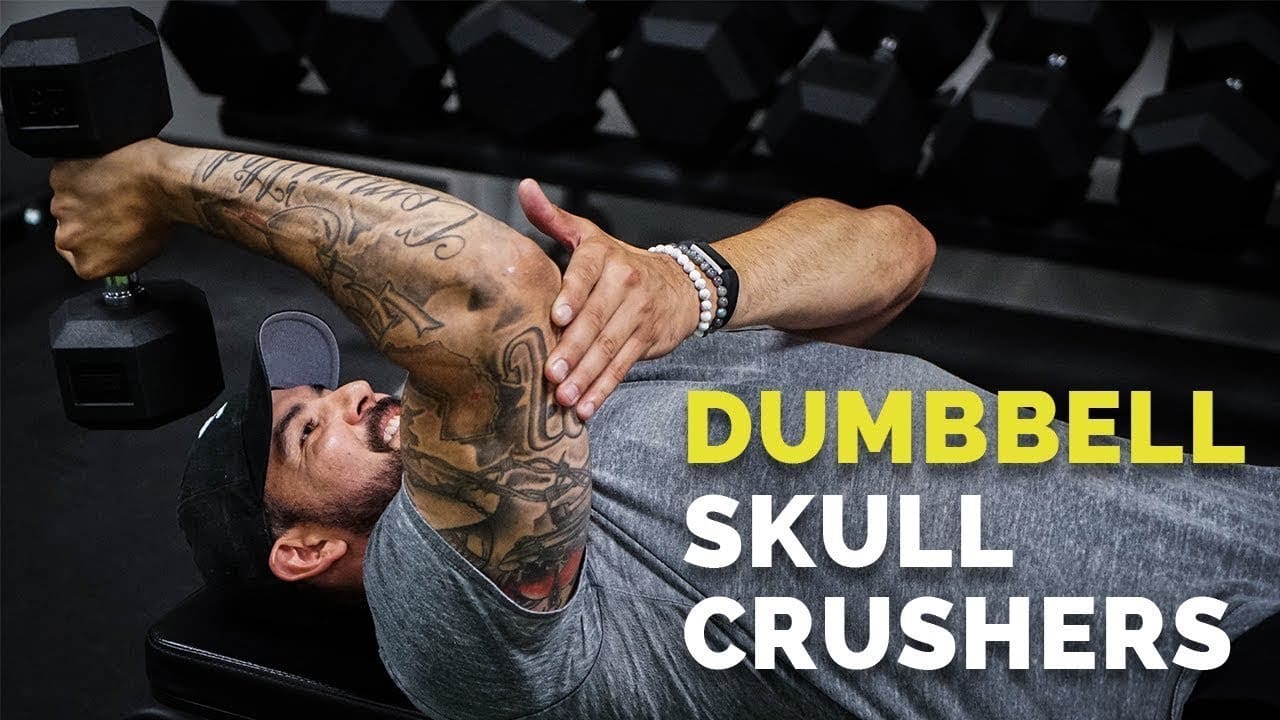
3. Dumbbell Skull Crushers

Increased Stability Demands and Unilateral Control
Dumbbell skull crushers allow each arm to move independently, increasing stabilization demands and correcting side-to-side strength imbalances. Unilateral or independently loaded exercises have been shown to improve neuromuscular coordination and reduce asymmetries (McCurdy et al., 2005).
Range of Motion Advantages
Dumbbells allow a greater range of motion than barbells, particularly at the bottom of the movement. Increased range of motion has been associated with greater hypertrophy when volume is equated, likely due to increased muscle fiber recruitment at longer muscle lengths (Pinto et al., 2012).
Scientific Support
Studies comparing unilateral and bilateral resistance exercises show similar hypertrophy outcomes when volume is matched, but unilateral movements may improve joint stability and motor control (Gentil et al., 2015). Dumbbell skull crushers therefore provide both hypertrophy and structural benefits.
4. Decline Bench Skull Crushers
Changing the Resistance Curve
Performing skull crushers on a decline bench shifts the point of maximal torque and increases loading in the stretched position of the triceps. This can increase mechanical tension during the portion of the movement most associated with muscle growth.
Research indicates that exercises emphasizing tension at longer muscle lengths may produce superior hypertrophy compared to those emphasizing shortened positions (Schoenfeld and Grgic, 2018).
Long Head Emphasis
The decline angle increases shoulder flexion relative to the torso, placing the long head under greater stretch. EMG data support increased long-head activation when shoulder flexion is increased during triceps extension movements (Saeterbakken et al., 2017).
Programming Notes
This variation should be used with moderate loads and strict control. The altered torque demands can increase fatigue rapidly, so total volume should be adjusted accordingly.
5. Incline Bench Skull Crushers
Balancing Shoulder and Elbow Demands
Incline skull crushers place the shoulders in a slightly flexed position, increasing long-head involvement while maintaining a manageable resistance curve. This makes them a balanced option between flat and decline variations.
Evidence-Based Benefits
Research on shoulder angle and triceps activation consistently shows that moderate shoulder flexion increases long-head recruitment without excessively increasing joint stress (Escamilla et al., 2010).
Incline skull crushers are particularly useful for lifters who struggle to feel the long head during flat variations.
Technique Focus
Lower the weight behind the head rather than to the forehead. This increases the stretch and aligns resistance with the triceps’ line of pull.
6. Cable Skull Crushers
Constant Tension Across the Range of Motion
Cable skull crushers maintain consistent resistance throughout the entire movement. Unlike free weights, cables do not rely on gravity, so tension does not drop off at the top of the movement.
Studies show that maintaining tension throughout the range of motion can increase metabolic stress, a secondary but meaningful contributor to hypertrophy (Schoenfeld, 2013).
Muscle Activation Evidence
EMG comparisons between cable and free-weight triceps exercises show similar peak activation, but cables often result in longer time under tension at a given load (Wakahara et al., 2012).
Joint-Friendly Option
Because cables allow fine-tuned load adjustments and smoother resistance, they are particularly suitable during high-volume phases or rehabilitation-oriented training.
7. Overhead Skull Crushers (Behind-the-Head Variation)

Maximizing Long Head Stretch
Overhead skull crushers place the shoulders in significant flexion, maximizing stretch on the long head. Stretch-mediated hypertrophy has gained increasing support in the scientific literature, with studies showing enhanced growth when muscles are trained at longer lengths (Schoenfeld and Grgic, 2018).
Scientific Support
EMG data confirm higher long-head activation during overhead triceps extensions compared to neutral-arm positions (Saeterbakken et al., 2017). This makes overhead skull crushers particularly valuable for complete triceps development.
Load Selection and Safety
This variation should be performed with lighter to moderate loads and strict form. Excessive loading can compromise shoulder stability if mobility or strength is insufficient.
Programming Skull Crusher Variations for Optimal Results
Volume and Frequency
Meta-analyses suggest that training a muscle group with 10–20 sets per week produces optimal hypertrophy for most individuals (Schoenfeld et al., 2017). Skull crusher variations can make up a significant portion of this volume when balanced with compound pressing movements.
Repetition Ranges
Research indicates that hypertrophy can occur across a wide range of repetition schemes, provided sets are taken close to failure (Schoenfeld et al., 2015). Skull crushers are particularly effective in the 8–15 repetition range due to joint stress considerations.
Exercise Order
Single-joint exercises performed after compound movements still produce meaningful hypertrophy and strength gains (Gentil et al., 2017). Skull crushers are therefore best placed after presses in most training sessions.
Common Mistakes and Evidence-Based Corrections
Excessive Elbow Flaring
Excessive elbow movement increases shoulder involvement and reduces triceps tension. Keeping the elbows relatively fixed has been shown to increase isolation of the target muscle (Escamilla et al., 2010).
Using Momentum
Momentum reduces mechanical tension and shifts stress away from the triceps. Controlled tempo increases time under tension, which is associated with hypertrophy when load is appropriate (Schoenfeld, 2010).
Ignoring Individual Differences
Joint structure, limb length, and mobility affect how each variation feels. Research supports exercise variation to distribute joint stress and reduce overuse injuries (Kraemer and Ratamess, 2004).
References
- Behm, D.G. and Anderson, K.G. (2006) ‘The role of instability with resistance training’, Journal of Strength and Conditioning Research, 20(3), pp. 716–722.
- Escamilla, R.F., Zheng, N., MacLeod, T.D., Edwards, W.B., Hreljac, A. and Wilk, K.E. (2010) ‘Patellofemoral joint force and stress during the squat and leg press’, Medicine and Science in Sports and Exercise, 42(5), pp. 879–888.
- Gentil, P., Soares, S. and Bottaro, M. (2015) ‘Single vs. multi-joint resistance exercises: effects on muscle strength and hypertrophy’, Asian Journal of Sports Medicine, 6(2), pp. e24057.
- Gentil, P., Fisher, J. and Steele, J. (2017) ‘A review of the acute effects and long-term adaptations of single- and multi-joint exercises during resistance training’, Sports Medicine, 47(5), pp. 843–855.
- Kraemer, W.J. and Ratamess, N.A. (2004) ‘Fundamentals of resistance training: progression and exercise prescription’, Medicine and Science in Sports and Exercise, 36(4), pp. 674–688.
- McCurdy, K., Langford, G., Doscher, M., Wiley, L. and Mallard, K. (2005) ‘The effects of short-term unilateral and bilateral lower-body resistance training on measures of strength and power’, Journal of Strength and Conditioning Research, 19(1), pp. 9–15.
- Pinto, R.S., Gomes, N., Radaelli, R., Botton, C.E., Brown, L.E. and Bottaro, M. (2012) ‘Effect of range of motion on muscle strength and thickness’, Journal of Strength and Conditioning Research, 26(8), pp. 2140–2145.