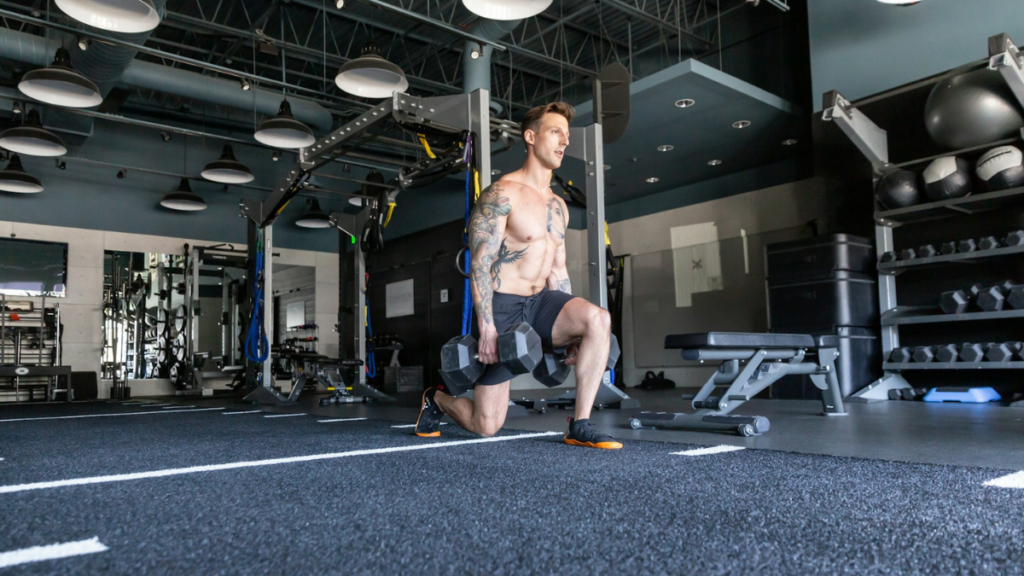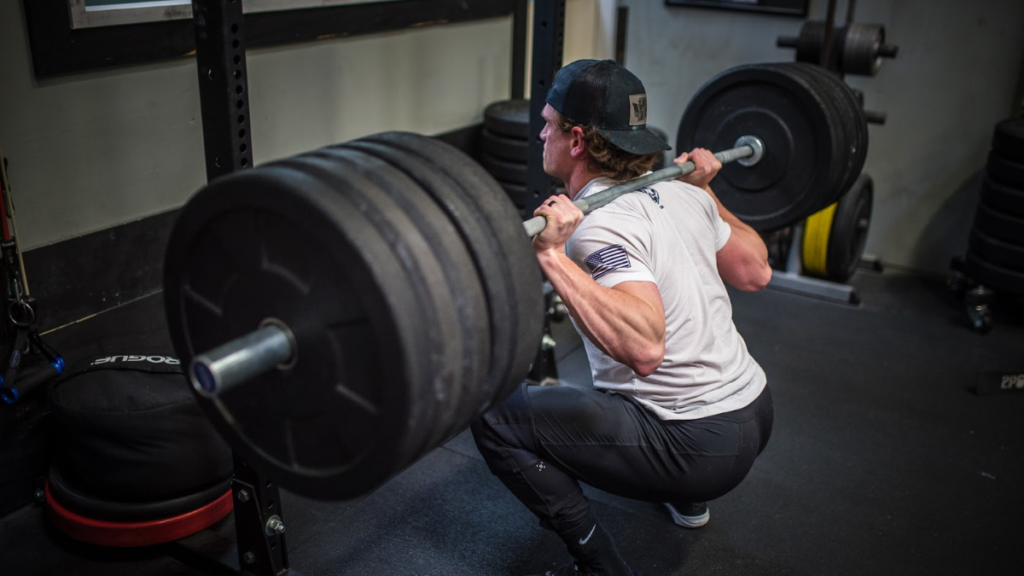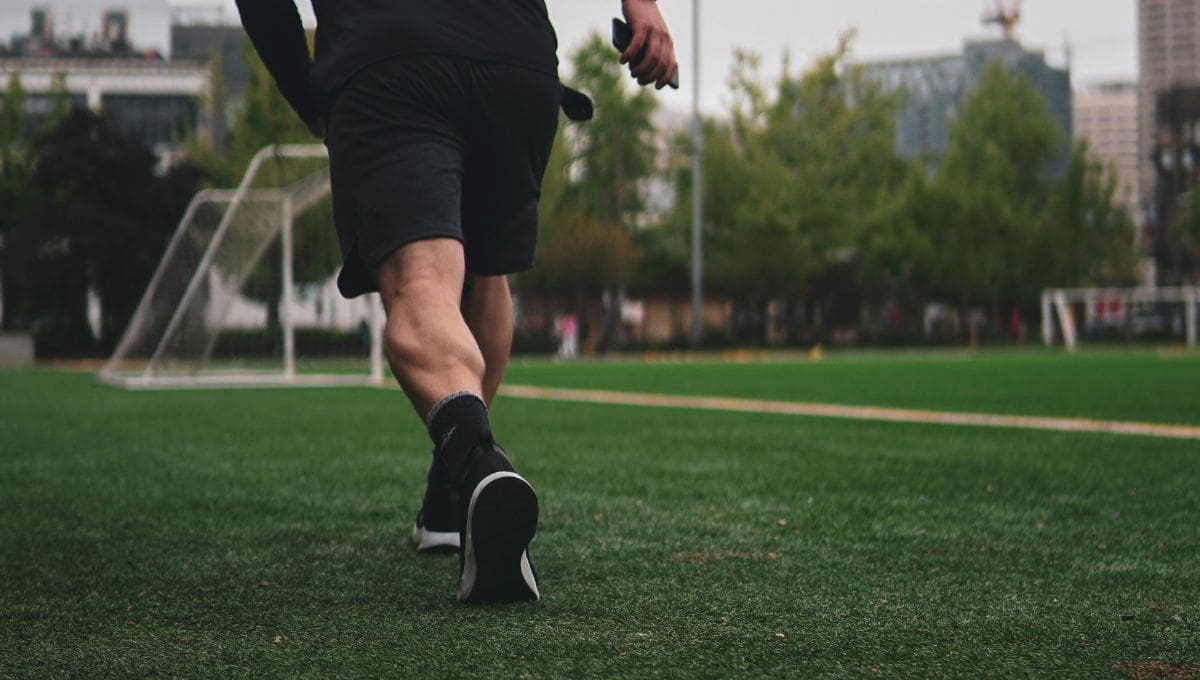


Leg day places some of the highest mechanical and metabolic demands on the human body. Large muscle groups such as the quadriceps, hamstrings, and gluteals require substantial force production, repeated eccentric loading, and significant energy turnover.
Because of this, nutrition around leg-focused training sessions has an outsized influence on performance, recovery, and long-term adaptation.


Protein intake is central to this process. Resistance training increases muscle protein turnover, and dietary protein provides the amino acids required to tip the balance toward net muscle protein synthesis rather than breakdown. However, protein alone is not the whole story. Carbohydrates, micronutrients, sodium, and food structure all influence how well protein is absorbed and used.

This article breaks down three science-backed, protein-packed snacks that work particularly well around leg day. Each option is practical, affordable, and supported by research on muscle protein synthesis, exercise recovery, and performance. The goal is clarity and usefulness, not hype.
Why Protein Matters More on Leg Day
Muscle Protein Synthesis and Resistance Training
Resistance training stimulates muscle protein synthesis (MPS) by activating intracellular signaling pathways, particularly the mechanistic target of rapamycin complex 1 (mTORC1). This response is dose-dependent on both training volume and intensity, which are typically higher on leg day due to the size and strength of the muscles involved. Studies consistently show that MPS remains elevated for at least 24 hours after a heavy resistance session, and in some cases up to 48 hours, particularly in trained individuals.
Dietary protein provides essential amino acids, especially leucine, which is a key trigger for mTORC1 activation. Without sufficient protein intake, the MPS response to training is blunted, limiting recovery and adaptation.
Protein Dose and Quality
Research suggests that approximately 0.25 to 0.40 grams of high-quality protein per kilogram of body mass per meal maximally stimulates MPS in young adults. High-quality proteins are characterized by a complete essential amino acid profile and sufficient leucine content. Animal-based proteins generally meet these criteria more reliably, but some plant-based combinations can also be effective.
Protein quality matters as much as quantity. Digestibility and amino acid availability influence how much of the consumed protein actually contributes to muscle repair.
The Role of Carbohydrates and Energy Availability
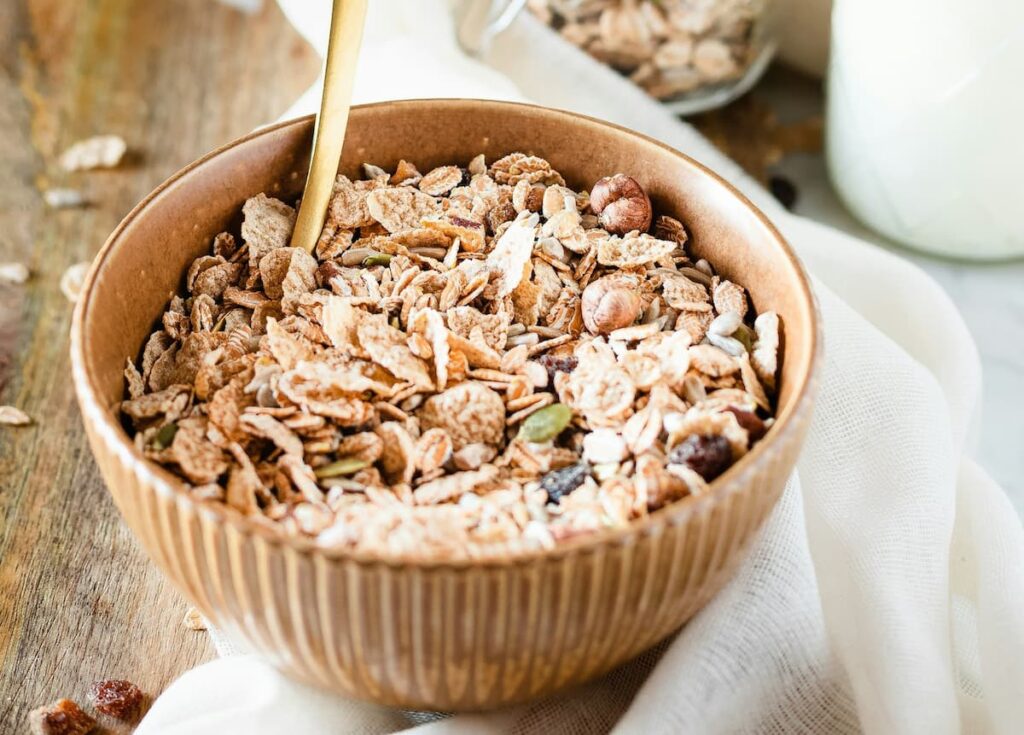
Leg training significantly depletes muscle glycogen, especially when sessions involve high volume or short rest periods. Glycogen depletion contributes to fatigue and can impair subsequent training quality. While protein drives muscle repair, carbohydrates support training performance and recovery by replenishing glycogen and reducing exercise-induced muscle breakdown.
Studies show that combining protein with carbohydrates after resistance training improves net protein balance compared to protein alone, largely by reducing muscle protein breakdown.
With these principles in mind, the following snacks are designed to deliver protein in a form that is easy to digest, nutritionally complete, and well-suited to the demands of leg day.
Snack 1: Greek Yogurt with Berries and Honey

Nutritional Profile and Protein Content
Greek yogurt is a strained dairy product that contains significantly more protein than regular yogurt. A typical 200-gram serving provides approximately 18 to 20 grams of protein, depending on fat content. The protein in Greek yogurt is primarily casein, a slow-digesting protein that provides a sustained release of amino acids into the bloodstream.
This slow digestion rate is particularly useful post-training, as it supports prolonged MPS and reduces muscle protein breakdown over several hours.
Why Casein Protein Matters
Casein forms a gel-like structure in the stomach, slowing gastric emptying and amino acid absorption. Research comparing casein to whey protein shows that while whey stimulates a rapid and high peak in MPS, casein results in a more moderate but prolonged anabolic response. Over longer recovery periods, casein is effective at maintaining a positive protein balance.
For leg day, which often produces significant muscle damage and soreness, sustained amino acid availability is beneficial for ongoing repair processes.
The Role of Berries
Berries such as blueberries, strawberries, and raspberries provide carbohydrates along with polyphenols and vitamin C. Carbohydrates support glycogen resynthesis, while polyphenols have been shown to reduce markers of oxidative stress and inflammation following intense exercise.

Although inflammation is a necessary part of the adaptation process, excessive or prolonged inflammation can delay recovery. Moderate intake of polyphenol-rich foods may help manage this balance without impairing training adaptations when consumed as whole foods rather than high-dose supplements.
Honey as a Rapid Carbohydrate Source
Honey provides a mix of glucose and fructose, which can be absorbed via different intestinal transporters. This dual-carbohydrate profile supports faster glycogen replenishment compared to glucose alone. Adding a small amount of honey also improves palatability, making the snack easier to consume after hard training when appetite may be suppressed.
Evidence Summary
Studies demonstrate that dairy-based proteins effectively stimulate MPS after resistance training. Research on post-exercise nutrition also supports the combination of protein and carbohydrates to improve recovery and net protein balance. Additionally, observational and interventional studies suggest that berry consumption can reduce exercise-induced muscle soreness and oxidative stress markers.
This snack is particularly effective as a post-leg-day option or as an evening snack when training occurs later in the day.
Snack 2: Cottage Cheese with Pineapple or Peaches
Protein Density and Casein Content
Cottage cheese is another dairy product rich in casein protein. A standard 225-gram serving provides approximately 24 to 28 grams of protein, making it one of the most protein-dense whole-food snacks available. Like Greek yogurt, its slow digestion rate supports prolonged amino acid delivery.
This makes cottage cheese especially useful before sleep or during long recovery windows following leg-focused training sessions.
Calcium and Muscle Function
Cottage cheese is also a significant source of calcium, a mineral involved in muscle contraction and intracellular signaling. While acute calcium intake does not directly enhance strength performance, adequate dietary calcium supports long-term neuromuscular function and bone health, which are critical for athletes engaging in heavy lower-body training.
Research indicates that insufficient calcium intake may impair muscle function and increase injury risk over time.
Fruit Pairings and Glycogen Restoration
Pineapple and peaches provide easily digestible carbohydrates along with vitamins and enzymes. Pineapple contains bromelain, an enzyme that has been studied for its potential anti-inflammatory effects. While the evidence is mixed, some studies suggest bromelain may reduce muscle soreness and improve recovery when consumed as part of whole foods.
The carbohydrates in fruit contribute to glycogen replenishment, which is particularly relevant after high-volume leg training that significantly reduces glycogen stores.
Protein Before Sleep and Recovery
Several controlled studies have shown that consuming 30 to 40 grams of casein protein before sleep increases overnight MPS and improves recovery in resistance-trained individuals. Cottage cheese is a practical whole-food option that aligns closely with this research, offering similar benefits to isolated casein supplements.
For athletes who train legs in the evening, this snack supports recovery during the overnight period when much of muscle repair occurs.
Evidence Summary
Clinical trials support the effectiveness of casein-rich foods for sustaining MPS. Research on pre-sleep protein consumption consistently shows benefits for recovery and muscle adaptation. Fruit-based carbohydrates support glycogen resynthesis, and whole-food sources provide micronutrients that contribute to overall recovery.
This snack works best post-training or before bed on leg days.
Snack 3: Eggs and Roasted Chickpeas

Complete Protein from Eggs
Eggs are considered a reference protein due to their high digestibility and complete essential amino acid profile. One large egg contains approximately 6 to 7 grams of protein, with a high proportion of leucine. Consuming three to four eggs provides a protein dose sufficient to stimulate MPS in most individuals.
Research comparing whole eggs to egg whites shows that whole eggs stimulate greater MPS despite equal protein content. This suggests that additional nutrients in the yolk, such as phospholipids and fat-soluble vitamins, enhance the anabolic response.
Leucine and Anabolic Signaling
Leucine plays a key role in activating mTORC1, making it a critical amino acid for muscle adaptation. Eggs provide approximately 0.5 grams of leucine per large egg, contributing meaningfully to the leucine threshold required to maximize MPS.
For leg day, when anabolic signaling demand is high, leucine-rich protein sources are particularly effective.
Chickpeas as a Complementary Protein and Carb Source
Chickpeas provide both protein and carbohydrates, making them a valuable complement to eggs. A 100-gram serving of roasted chickpeas contains approximately 8 to 9 grams of protein and 27 grams of carbohydrates. While chickpeas are lower in certain essential amino acids, combining them with eggs creates a more balanced amino acid profile.
The carbohydrates in chickpeas support glycogen replenishment, while their fiber content contributes to satiety and gut health.
Micronutrients and Sodium Balance
Roasted chickpeas often contain added salt, which can be beneficial post-exercise. Sodium losses through sweat are substantial during intense leg training, particularly in warm environments. Replacing sodium supports fluid balance and may reduce post-exercise fatigue and cramping.
Eggs also provide micronutrients such as choline, selenium, and vitamin B12, all of which play roles in energy metabolism and neuromuscular function.
Evidence Summary
Egg protein is consistently shown to be highly effective for stimulating MPS. Whole-egg consumption appears superior to isolated egg white protein in supporting muscle adaptation. Legumes contribute carbohydrates and complementary amino acids, and research supports mixed meals for improving net protein balance and recovery.
This snack is versatile and works well as a pre-training option when consumed 1 to 2 hours before leg day, or as a post-training meal for those with higher energy needs.
Practical Timing and Portion Guidelines
Pre-Leg Day Snack Timing
Consuming protein 1 to 3 hours before training increases amino acid availability during exercise and may reduce muscle protein breakdown. Pre-training snacks should be lower in fat and fiber if consumed closer to the session to reduce gastrointestinal discomfort.
Eggs and chickpeas work best earlier in this window, while dairy-based snacks are better tolerated closer to training.
Post-Leg Day Recovery Window

While the concept of a narrow anabolic window has been overstated, consuming protein within 2 hours post-training reliably supports recovery. Combining protein with carbohydrates improves glycogen replenishment and net protein balance.
All three snacks described fit well into this window, with dairy-based options being particularly effective post-exercise.
Total Daily Protein Context
These snacks are most effective when total daily protein intake is adequate. Current evidence suggests resistance-trained individuals benefit from 1.6 to 2.2 grams of protein per kilogram of body mass per day, distributed evenly across meals.
Snacks should complement, not replace, balanced meals.
Bibliography
- Areta, J.L., Burke, L.M., Ross, M.L.R., Camera, D.M., West, D.W.D., Broad, E.M., Jeacocke, N.A., Moore, D.R., Stellingwerff, T., Phillips, S.M. and Hawley, J.A. (2013) ‘Timing and distribution of protein ingestion during prolonged recovery from resistance exercise alters myofibrillar protein synthesis’, Journal of Physiology, 591(9), pp. 2319–2331.
- Burd, N.A., Yang, Y., Moore, D.R., Tang, J.E., Tarnopolsky, M.A. and Phillips, S.M. (2012) ‘Greater stimulation of myofibrillar protein synthesis with ingestion of whey protein isolate v. micellar casein at rest and after resistance exercise in elderly men’, British Journal of Nutrition, 108(6), pp. 958–962.
- Churchward-Venne, T.A., Burd, N.A. and Phillips, S.M. (2012) ‘Nutritional regulation of muscle protein synthesis with resistance exercise: strategies to enhance anabolism’, Nutrition & Metabolism, 9(1), pp. 40–52.
- Elliott, T.A., Cree, M.G., Sanford, A.P., Wolfe, R.R. and Tipton, K.D. (2006) ‘Milk ingestion stimulates net muscle protein synthesis following resistance exercise’, American Journal of Clinical Nutrition, 83(1), pp. 87–94.
- Howatson, G., McHugh, M.P., Hill, J.A., Brouner, J., Jewell, A.P., van Someren, K.A., Shave, R.E. and Howatson, S.A. (2010) ‘Influence of tart cherry juice on indices of recovery following marathon running’, Scandinavian Journal of Medicine & Science in Sports, 20(6), pp. 843–852.
- Moore, D.R., Robinson, M.J., Fry, J.L., Tang, J.E., Glover, E.I., Wilkinson, S.B., Prior, T., Tarnopolsky, M.A. and Phillips, S.M. (2009) ‘Ingested protein dose response of muscle and albumin protein synthesis after resistance exercise in young men’, American Journal of Clinical Nutrition, 89(1), pp. 161–168.
- Res, P.T., Groen, B., Pennings, B., Beelen, M., Wallis, G.A., Gijsen, A.P., Senden, J.M., van Loon, L.J.C. (2012) ‘Protein ingestion before sleep improves postexercise overnight recovery’, Medicine & Science in Sports & Exercise, 44(8), pp. 1560–1569.
- Tang, J.E., Moore, D.R., Kujbida, G.W., Tarnopolsky, M.A. and Phillips, S.M. (2009) ‘Ingestion of whey hydrolysate, casein, or soy protein isolate: effects on mixed muscle protein synthesis at rest and following resistance exercise in young men’, Journal of Applied Physiology, 107(3), pp. 987–992.