

Bone Health is one of the most overlooked aspects of physical fitness. Many people focus on muscles, fat loss, or cardiovascular endurance, but bones quietly determine how strong, resilient, and injury-proof the body truly is.
From childhood through older adulthood, bones are constantly remodeling themselves in response to stress. When that stress is appropriate and progressive, bones become denser and stronger. When it is absent, bone mass declines.
This article explains exactly how exercise improves Bone Health, why certain movements are uniquely effective, and how five major exercises stand out as the most powerful tools for building and maintaining strong bones. Every claim is grounded in scientific evidence, and the language is kept clear and practical so you can apply it immediately.

Why Bone Health Matters at Every Age
Bone tissue is living tissue. It is constantly broken down and rebuilt through a process called bone remodeling. Specialized cells called osteoclasts remove old bone, while osteoblasts form new bone. This balance is influenced by hormones, nutrition, age, and mechanical loading.
Peak bone mass is typically reached in early adulthood. After that point, bone mass slowly declines, accelerating with age, especially in postmenopausal women due to reduced estrogen levels. Low Bone Health increases the risk of osteoporosis, fractures, chronic pain, reduced mobility, and loss of independence later in life.
Fractures related to poor Bone Health are not minor events. Hip fractures, for example, are associated with increased mortality, long-term disability, and reduced quality of life. Research consistently shows that maintaining bone density through mechanical loading is one of the most effective non-pharmacological strategies for preventing bone loss.
How Exercise Improves Bone Health
Mechanical Loading and Wolff’s Law
Bones adapt to the loads placed upon them, a principle known as Wolff’s Law. When bones experience mechanical stress, they respond by increasing mineral density and structural strength. This adaptation makes the skeleton better suited to handle future loads.
Low-impact activities such as swimming or cycling are excellent for cardiovascular fitness but do not provide sufficient mechanical loading to significantly stimulate bone formation. Weight-bearing and resistance exercises are far more effective for Bone Health because they apply force through the skeleton.
Ground Reaction Forces and Muscle Contractions
Two main forces stimulate bone growth during exercise. The first is ground reaction force, which occurs when your body contacts the ground, such as during jumping or running. The second is muscle contraction force, which occurs when muscles pull on bones during resistance training.
Studies show that muscle forces may actually play a larger role than impact forces in stimulating bone formation. This is why resistance training is so effective for Bone Health, even in older adults.
Progressive Overload Is Essential
Bones, like muscles, require progressive overload to continue adapting. Performing the same light exercises indefinitely will not maintain or improve Bone Health. Gradually increasing load, intensity, or complexity is essential to stimulate ongoing bone remodeling.
Why These Five Exercises Matter Most
Not all exercises are equal when it comes to Bone Health. The most effective movements share several characteristics:
• They are weight-bearing
• They involve large muscle groups
• They load the hips, spine, and legs
• They allow for progressive overload
• They are practical and scalable
The following five exercises consistently rank highest in scientific research for improving or maintaining Bone Health.
1. Barbell Back Squat

Why the Squat Is Foundational for Bone Health
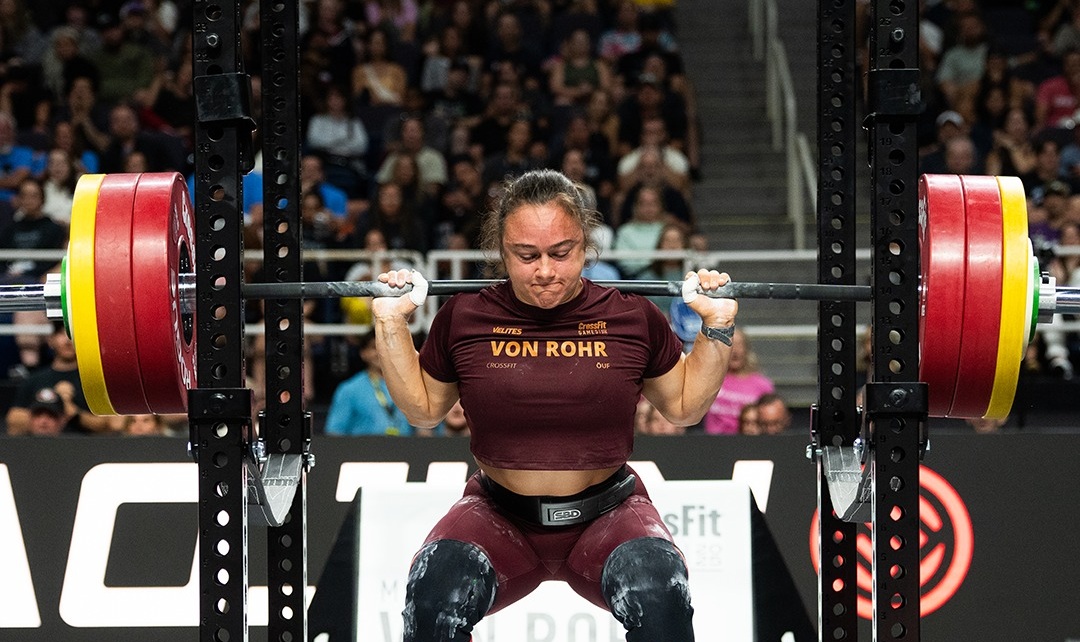
The barbell back squat is one of the most effective exercises for Bone Health because it directly loads the hips and spine, the two most fracture-prone areas in aging populations. These regions are particularly responsive to mechanical loading.
During a squat, the axial load placed through the spine and the compressive forces on the femur stimulate bone formation. The involvement of large muscle groups such as the quadriceps, glutes, hamstrings, and spinal erectors further amplifies this effect.
Scientific Evidence Supporting Squats
Multiple studies have shown that resistance training involving squats improves bone mineral density in the lumbar spine and hip. One randomized controlled trial found that postmenopausal women who performed heavy resistance training, including squats, experienced increases in spinal bone density compared to control groups.
Another long-term study observed that individuals who engaged in high-intensity resistance training had significantly higher bone density than sedentary peers, even later in life.
Proper Loading for Bone Health
For Bone Health benefits, squats should be performed with sufficient load to challenge the skeletal system. Research suggests that loads above 70 percent of one-repetition maximum are particularly effective for stimulating bone formation.
However, perfect technique and gradual progression are essential. Bone adaptation occurs over months, not weeks, so consistency matters more than aggressive loading.
Who Should Squat and How to Scale It
Squats can be scaled for nearly any fitness level. Beginners may start with bodyweight squats or goblet squats before progressing to barbell loading. Older adults can benefit from squats using safety bars or supported variations.
2. Deadlift

Why the Deadlift Is Unique for Bone Health
The deadlift places significant mechanical stress on the posterior chain, including the hips, spine, and legs. This makes it one of the most potent exercises for improving Bone Health across the entire skeleton.
Unlike many lower-body exercises, the deadlift involves lifting a load from the ground, increasing both compressive and tensile forces on bone. These forces are particularly effective at stimulating bone remodeling.
Scientific Evidence Supporting Deadlifts
Research indicates that resistance training exercises involving hip hinging movements improve bone density in the lumbar spine and femoral neck. Studies examining powerlifting athletes, who regularly perform deadlifts, consistently show higher bone mineral density compared to non-lifters.
Clinical trials involving older adults demonstrate that properly supervised deadlift-style movements can be safely performed and lead to improvements in bone density, muscle strength, and balance.
Safety and Technique Considerations
Proper technique is critical for maximizing Bone Health benefits while minimizing injury risk. Maintaining a neutral spine and controlled movement ensures that forces are distributed appropriately through the skeleton.
Trap bar deadlifts may be a safer alternative for beginners or individuals with limited mobility, as they reduce shear forces on the spine while still providing substantial bone loading.
Why Deadlifts Are Especially Valuable With Age
As people age, hip fractures become increasingly common. Deadlifts directly load the hip joint, strengthening both bone and surrounding musculature, which helps protect against falls and fractures.
3. Jumping and Plyometric Exercises
Why Impact Matters for Bone Health
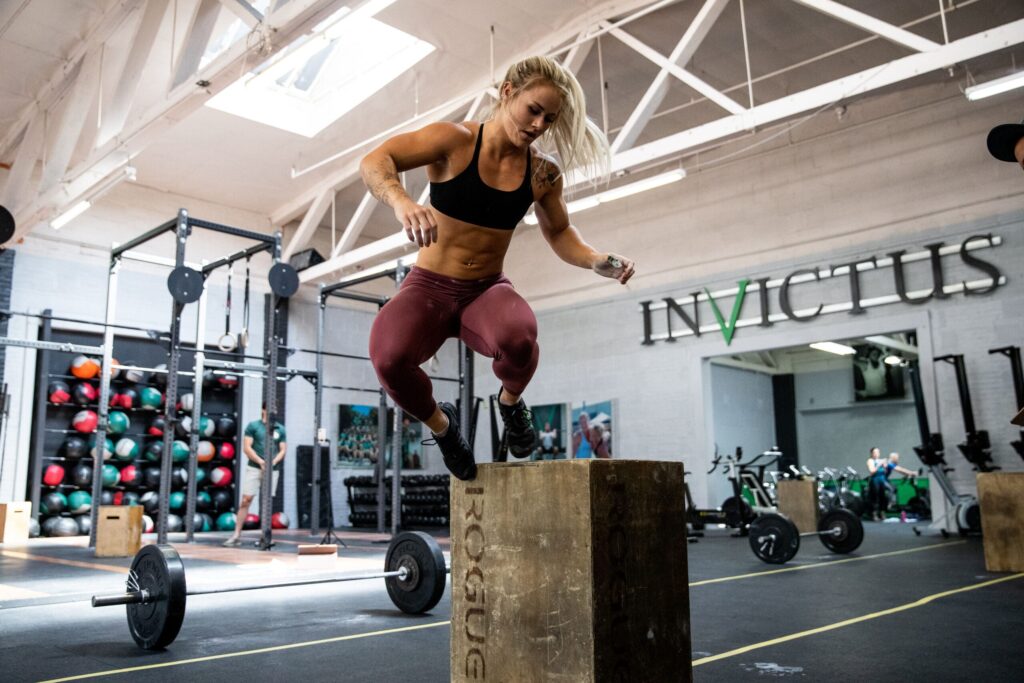
High-impact exercises generate large ground reaction forces that strongly stimulate bone formation. Jumping movements are particularly effective because they apply rapid, high-magnitude forces that bones respond to more robustly than slow, low-intensity loading.
Scientific Evidence on Jump Training
Numerous studies show that jump training improves bone mineral density in the hips and lower spine. Research in adolescents, young adults, and postmenopausal women demonstrates that short bouts of jumping exercises can significantly increase or maintain bone density.
One study found that just 10 to 20 jumps per day were sufficient to improve hip bone density in premenopausal women. Another study observed that athletes involved in jumping sports had higher bone density than endurance athletes.
Why Jumping Is Efficient
Jumping exercises are time-efficient. Short sessions lasting only a few minutes can provide a meaningful stimulus for Bone Health. This makes them especially useful for people with limited time.
Safety and Progression
Jumping should be introduced gradually, especially for individuals with joint issues or low bone density. Low-impact variations such as small hops or jump squats can be used initially before progressing to higher jumps.
Footwear, surface selection, and proper landing mechanics are essential to reduce injury risk while preserving bone-loading benefits.
4. Overhead Press
Why Upper Body Loading Matters for Bone Health
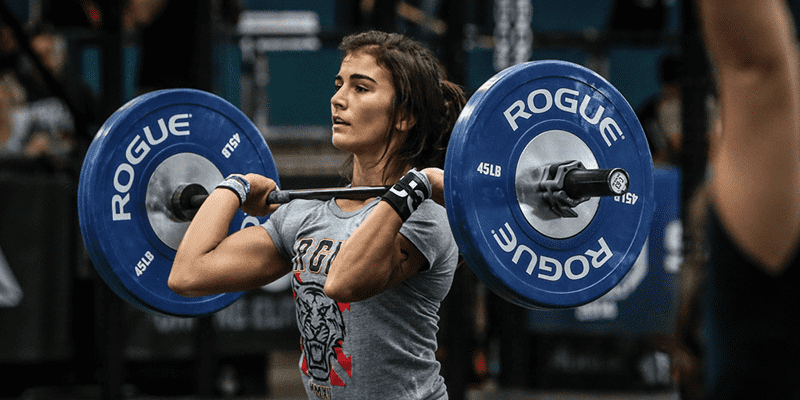
Bone Health is not limited to the hips and spine. The upper body, particularly the shoulders and arms, is also susceptible to bone loss. The overhead press uniquely loads the shoulder girdle and upper spine in a vertical direction.
This axial loading stimulates bone formation in the thoracic spine and upper extremities, areas often neglected in exercise programs focused solely on lower-body movements.
Scientific Evidence Supporting Overhead Pressing
Studies show that resistance training involving upper-body pressing movements increases bone mineral density in the spine and arms. Research on weightlifters and resistance-trained individuals consistently demonstrates higher bone density in the upper skeleton compared to sedentary individuals.
Clinical trials also indicate that upper-body resistance training contributes to overall skeletal health and reduces fracture risk when combined with lower-body exercises.
Proper Execution and Loading
The overhead press should be performed with controlled technique, maintaining a stable core and neutral spine. Progressive loading is key, but even moderate loads provide meaningful bone-loading stimulus due to the vertical compression forces involved.
Dumbbells, kettlebells, or barbells can all be used effectively, depending on skill level and mobility.
Why This Exercise Is Often Overlooked
Many people underestimate the importance of upper-body Bone Health. However, fractures of the wrist, shoulder, and spine are common in older adults. Strengthening these regions through overhead pressing helps preserve bone density and functional independence.
5. Walking With Load (Rucking or Weighted Carries)

Why Loaded Walking Improves Bone Health
Walking is weight-bearing, but its impact on Bone Health is modest when performed without additional load. Adding external weight significantly increases mechanical stress on bones, particularly in the hips and spine.
Loaded walking, often referred to as rucking, combines low-impact movement with sustained mechanical loading, making it highly effective and accessible.
Scientific Evidence on Loaded Walking
Research shows that walking with additional weight increases bone mineral density more than walking alone. Studies in older adults demonstrate that weighted walking improves hip bone density and reduces bone loss compared to control groups.
Military populations, who frequently perform loaded marches, consistently show higher bone density than civilian counterparts, even when controlling for fitness levels.
Advantages Over High-Impact Exercise
Loaded walking is joint-friendly and suitable for individuals who cannot tolerate jumping or heavy lifting. It provides a steady, prolonged bone-loading stimulus without the high forces associated with plyometrics.
How to Implement Loaded Walking Safely
Start with light loads and short durations. A weighted backpack or vest works well. Gradually increase weight or distance as strength improves. Proper posture is essential to ensure forces are distributed evenly through the skeleton.
How Often and How Long to Train for Bone Health
Frequency Recommendations
Research suggests that bone responds best to regular but not excessive loading. Resistance training two to three times per week, combined with impact or loaded weight-bearing activities, provides an effective stimulus for Bone Health.
Daily low-level activity such as walking supports general health but should be complemented by higher-intensity loading.
Duration and Time Frame
Bone adaptation is slow. Meaningful changes in bone density typically require several months of consistent training. Most studies observe measurable improvements after six to twelve months of regular exercise.
Short sessions can still be effective if intensity is sufficient. Quality and progression matter more than sheer volume.
The Role of Nutrition and Recovery
Exercise alone cannot optimize Bone Health. Adequate intake of calcium, vitamin D, protein, and overall energy is essential to support bone remodeling. Sleep and recovery also play a critical role, as bone formation occurs during rest.

Studies consistently show that combining resistance training with sufficient nutritional support produces greater improvements in bone density than exercise alone.
Common Myths About Bone Health and Exercise
One common myth is that only high-impact exercise improves Bone Health. While impact is beneficial, resistance training is equally important and often safer for many individuals.
Another misconception is that it is too late to improve Bone Health later in life. Research clearly demonstrates that older adults can increase or maintain bone density through properly designed exercise programs.
Putting It All Together
Improving Bone Health requires targeted, progressive, and consistent mechanical loading. The five exercises discussed in this article are supported by strong scientific evidence and can be adapted for nearly any individual.
By incorporating squats, deadlifts, jumping exercises, overhead presses, and loaded walking into a well-rounded training program, you can build stronger bones, reduce fracture risk, and support long-term health and performance.
Bone Health is not something to think about only in old age. The choices you make today directly shape the strength and resilience of your skeleton for decades to come.
References
• Burr, D.B. and Turner, C.H. (2002). Biomechanics of bone: determinants of skeletal fragility and bone quality. Osteoporosis International, 13(6), pp.453–457.
• Daly, R.M., et al. (2019). Exercise for the prevention of osteoporosis in postmenopausal women. Current Osteoporosis Reports, 17(5), pp.373–384.
• Guadalupe-Grau, A., Fuentes, T., Guerra, B. and Calbet, J.A.L. (2009). Exercise and bone mass in adults. Sports Medicine, 39(6), pp.439–468.
• Lanyon, L.E. (1993). Osteocytes, strain detection, bone modeling and remodeling. Calcified Tissue International, 53(S1), pp.S102–S107.