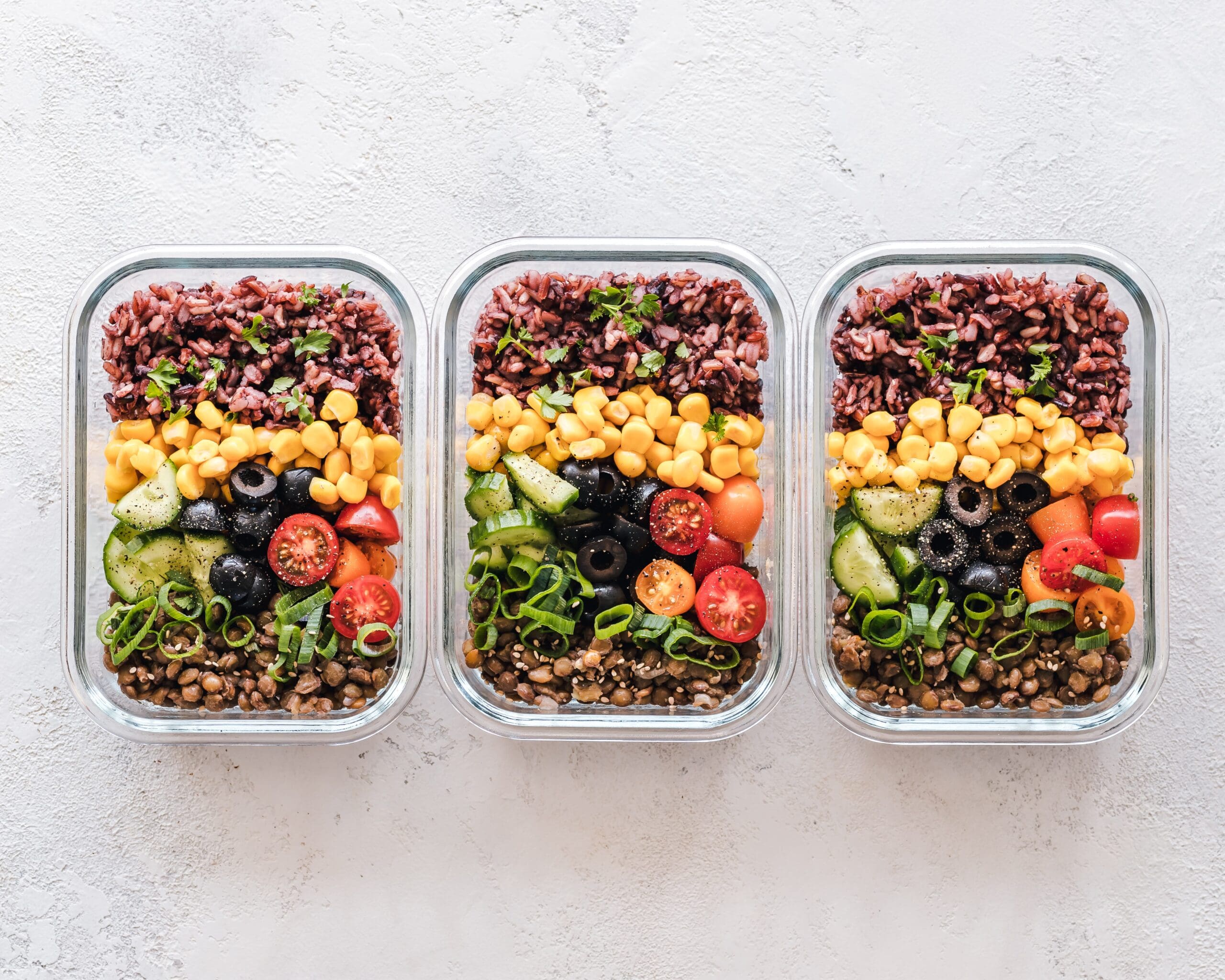


Meal prepping sounds simple: cook ahead, save time, eat better. In practice, it can feel overwhelming. People worry about spending hours in the kitchen, eating boring food all week, or wasting groceries.
The good news is that research from nutrition science, behavioral psychology, and food systems shows that a few smart strategies dramatically reduce effort while improving consistency and diet quality.


This article breaks down 10 practical, science-backed hacks that make meal prepping easier, faster, and more sustainable. Each recommendation is grounded in peer-reviewed research or well-established findings from nutrition and behavioral science. The goal is not perfection, but efficiency and consistency.
Why Meal Prepping Works (and Why It Often Fails)
Before diving into the hacks, it helps to understand why meal prepping is effective—and where people usually go wrong.

Research consistently shows that people who plan and prepare meals ahead of time consume higher-quality diets, with more fruits, vegetables, and whole foods, and fewer ultra-processed options. Meal planning is also associated with lower stress around food decisions and improved weight management outcomes.
However, studies also show that overly rigid plans fail. When meal prepping becomes too time-consuming, repetitive, or cognitively demanding, adherence drops. Successful meal prepping minimizes decision fatigue, reduces prep time, and allows flexibility.
The following hacks are designed around these principles.
Hack 1: Plan Components, Not Full Meals
Why Component-Based Planning Reduces Friction
One of the biggest psychological barriers to meal prepping is the belief that you must plan and cook complete, Instagram-ready meals in advance. Behavioral research shows that complex planning increases cognitive load and decreases follow-through.
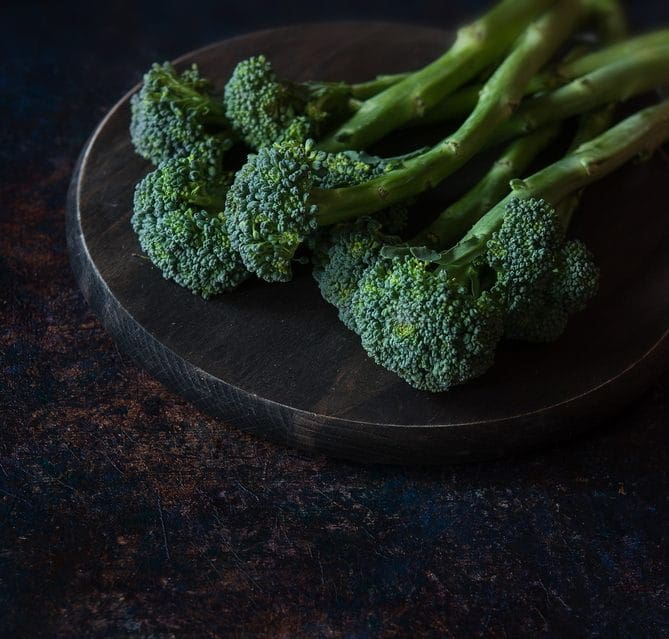
Component-based planning focuses on preparing flexible building blocks—proteins, carbohydrates, vegetables, and sauces—that can be mixed and matched throughout the week.
The Science Behind It
Decision fatigue research shows that repeated choices deplete mental resources, leading to poorer decisions later in the day. By pre-preparing components, you reduce daily food decisions without locking yourself into a single meal outcome.
Nutritional studies also show that dietary variety within food groups improves micronutrient intake and long-term adherence, which component-based prep supports better than rigid meal repetition.
How to Apply It
Prepare 2 proteins (for example, chicken and lentils), 2 carb sources (such as rice and potatoes), and 3 vegetables. Combine them differently across meals. This maintains variety without extra cooking.
Hack 2: Anchor Your Prep to Protein First
Why Protein Is the Priority
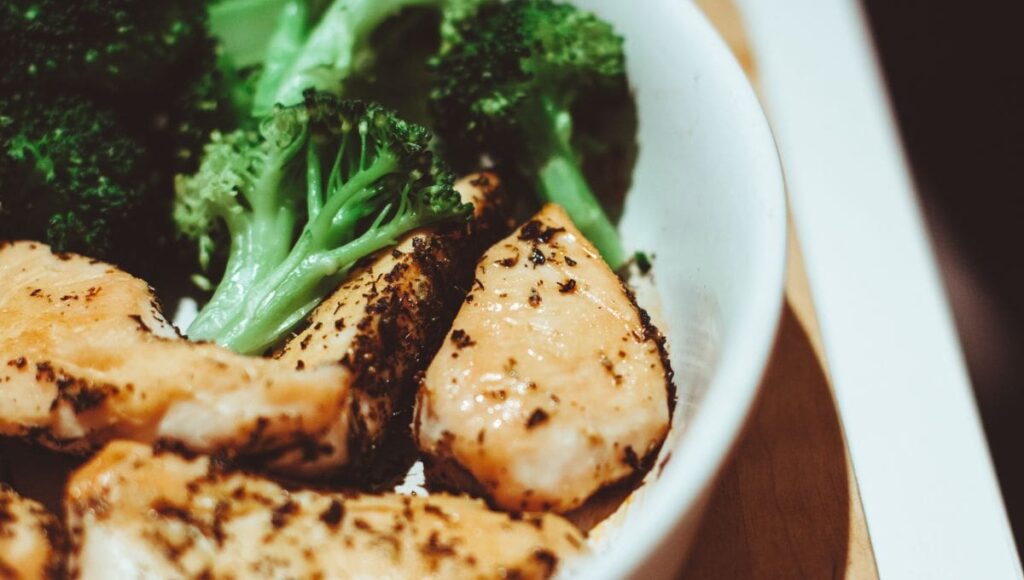
Protein intake is strongly associated with satiety, muscle maintenance, and metabolic health. From a meal prep perspective, protein is also the most time-consuming component to cook and the hardest to improvise quickly.
The Science Behind It
Studies show that higher protein meals increase fullness hormones such as peptide YY and GLP-1 while reducing ghrelin, the hunger hormone. Research also demonstrates that consistent protein intake supports lean mass retention, especially in physically active individuals.
From a practical standpoint, studies on eating behavior show that when protein is available, meals are more likely to be nutritionally balanced.
How to Apply It
Start your meal prep by cooking all protein sources first. Once protein is ready, the rest of the meal becomes easier to assemble. This reduces the likelihood of skipping prep or defaulting to ultra-processed foods.
Hack 3: Use Batch Cooking, Not Bulk Cooking
The Difference That Matters
Bulk cooking often means making one massive recipe and eating it repeatedly. Batch cooking means cooking multiple simple recipes in parallel, often using similar ingredients.
The Science Behind It
Research on dietary adherence shows that monotony reduces compliance over time. Sensory-specific satiety explains why repeated exposure to the same flavor reduces enjoyment and intake.
Batch cooking allows for variation while still saving time, which supports better long-term consistency.
How to Apply It
Instead of cooking one giant pot of chili, cook a tray of roasted vegetables, a pot of grains, and two protein sources. The total time is similar, but the flexibility is much higher.
Hack 4: Limit Prep Sessions to Under 90 Minutes
Why Time Caps Increase Consistency
Many people quit meal prepping because sessions take too long. Time-based constraints are a well-established behavioral strategy to increase adherence.
The Science Behind It
Research on habit formation shows that behaviors with low time and energy costs are more likely to be repeated. Studies on perceived effort demonstrate that when tasks exceed a mental time threshold, people are less likely to start them at all.

Limiting prep to 60–90 minutes keeps the task approachable and repeatable.
How to Apply It
Choose recipes with overlapping cooking times. Use passive cooking methods like baking or slow cooking. Stop when the time limit is reached—even if everything is not perfect.
Hack 5: Use Frozen and Pre-Cut Foods Strategically
Convenience Does Not Mean Lower Nutrition
A common myth is that frozen or pre-cut foods are nutritionally inferior. In reality, many frozen fruits and vegetables retain equal or higher nutrient levels than fresh produce.
The Science Behind It
Studies comparing fresh and frozen vegetables show minimal differences in vitamin and mineral content. Some frozen produce even retains more nutrients due to rapid freezing after harvest.
Research also shows that convenience foods increase vegetable intake, especially among time-constrained individuals.
How to Apply It
Use frozen vegetables for stir-fries, soups, and grain bowls. Choose pre-washed greens or chopped vegetables when time is limited. The nutritional trade-off is minimal, and the time savings are significant.
Hack 6: Cook Once, Season Later
Why Flavor Flexibility Matters
Over-seasoning during prep locks you into a single flavor profile. This increases boredom and reduces adherence.
The Science Behind It
Sensory research shows that flavor variety increases meal satisfaction and reduces dietary fatigue. Studies on food enjoyment demonstrate that perceived choice enhances satisfaction, even when the underlying food is the same.
How to Apply It
Cook proteins and vegetables with minimal seasoning—salt, pepper, and oil. Add sauces or spices when reheating. This allows the same base food to become multiple meals.
Hack 7: Store Food Based on Visibility, Not Logic

Why Visibility Drives Eating Behavior
What you see is what you eat. Storage placement has a direct impact on food choices.
The Science Behind It
Behavioral nutrition studies show that visible foods are consumed more frequently than hidden foods, regardless of hunger levels. Research in workplace and home settings demonstrates that making healthy foods more visible increases their consumption.
How to Apply It
Store prepped meals and healthy snacks at eye level in the fridge. Place less nutritious options out of immediate sight. This simple change improves meal prep follow-through without additional effort.
Hack 8: Use Repetition to Reduce Planning Fatigue
Why Repetition Is a Feature, Not a Bug
Many people believe every week should have a new meal plan. Research suggests the opposite: limited repetition improves adherence.
The Science Behind It
Studies on eating patterns show that people naturally rotate a small number of meals. Habit research confirms that predictable routines reduce cognitive effort and increase consistency.
How to Apply It
Create a short list of 5–10 go-to meals. Rotate them weekly instead of reinventing your plan. This reduces planning time while maintaining nutritional adequacy.
Hack 9: Prep for the Environment You Actually Live In
Realistic Planning Beats Ideal Planning
Meal prep often fails because it assumes ideal conditions—ample time, motivation, and energy. Behavioral science emphasizes planning for constraints, not aspirations.
The Science Behind It
Implementation intention research shows that plans accounting for obstacles are more likely to succeed. Studies demonstrate that “if-then” planning improves dietary adherence.
How to Apply It
If you know you are exhausted on Wednesdays, prep meals that require no reheating. If weekends are unpredictable, prep flexible components instead of full meals.
Hack 10: Track Success by Consistency, Not Perfection
Why Measurement Shapes Behavior
How you define success determines whether you continue. Perfection-based goals increase dropout rates.
The Science Behind It

Self-monitoring research shows that consistent, imperfect adherence leads to better long-term outcomes than all-or-nothing approaches. Studies in weight management and habit formation consistently support this.
How to Apply It
Measure success by how often you use your prepped food, not by how closely you follow a plan. Eating 70 percent of prepped meals is a win.
Putting It All Together
Easier meal prepping is not about cooking more. It is about reducing friction, minimizing decisions, and aligning with how humans actually behave. The science is clear: when meal prep is flexible, time-efficient, and realistic, it supports better nutrition, lower stress, and more consistent habits.
These 10 hacks work because they respect both biology and psychology. Apply a few at a time, and meal prepping becomes a tool—not a burden.
References
• Aarts, H., Verplanken, B. and van Knippenberg, A. (1998) ‘Predicting behavior from actions in the past: Repeated decision making or a matter of habit?’, Journal of Applied Social Psychology, 28(15), pp. 1355–1374.
• Birch, L.L. and Fisher, J.O. (1998) ‘Development of eating behaviors among children and adolescents’, Pediatrics, 101(3), pp. 539–549.
• Blundell, J.E., et al. (2012) ‘Role of resting metabolic rate and energy expenditure in hunger and appetite control’, Proceedings of the Nutrition Society, 71(4), pp. 1–9.
• Hall, K.D., et al. (2019) ‘Ultra-processed diets cause excess calorie intake and weight gain’, Cell Metabolism, 30(1), pp. 67–77.
• Hutchesson, M.J., et al. (2014) ‘Self-monitoring of dietary intake by young adults’, Journal of the Academy of Nutrition and Dietetics, 114(12), pp. 1883–1892.
• Laska, M.N., et al. (2015) ‘Associations between food preparation behaviors and dietary quality’, Public Health Nutrition, 18(3), pp. 1–10.
• Monteiro, C.A., et al. (2018) ‘The UN Decade of Nutrition and ultra-processed foods’, Public Health Nutrition, 21(1), pp. 5–17.
• Poelman, M.P., et al. (2018) ‘Eating behavior and food environment’, Appetite, 123, pp. 38–45.