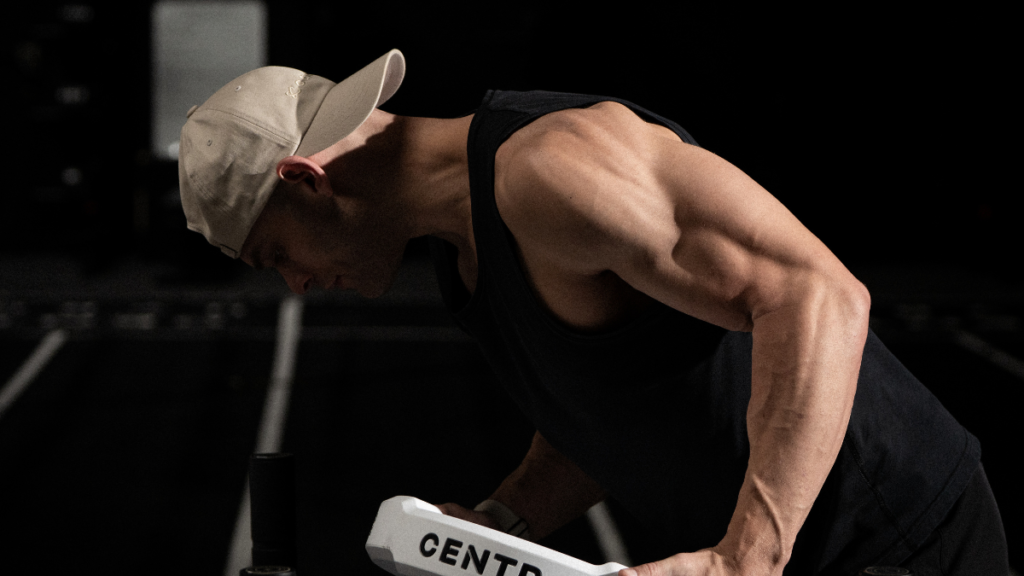


Shoulder pain is one of the most common complaints among gym-goers. Whether you lift heavy barbells, swing kettlebells, perform Olympic lifts, or grind through high-volume bodyweight sessions, your shoulders take a beating.
The shoulder joint is incredibly mobile. That mobility is what allows you to snatch overhead, press dumbbells, throw a ball, or hang from a pull-up bar. But that same mobility comes with a tradeoff: less inherent stability. When load, volume, technique, or recovery fall out of balance, the shoulder often pays the price.


The good news? Most gym-related shoulder pain is preventable.
Understanding Why the Shoulder Is Vulnerable
The Shoulder Is Built for Mobility, Not Stability
The glenohumeral joint (the “ball-and-socket” part of your shoulder) has the greatest range of motion of any joint in the human body. However, the socket (glenoid) is shallow, and stability depends heavily on soft tissues like the rotator cuff and surrounding musculature.

Research consistently shows that shoulder stability relies on coordinated muscle activation rather than passive joint structure. When that coordination breaks down, abnormal movement patterns and excessive stress occur.
Subacromial Impingement and Rotator Cuff Problems
One of the most common causes of shoulder pain in active populations is subacromial pain syndrome, often linked to irritation of the rotator cuff tendons.
Research suggests that altered shoulder kinematics, particularly reduced upward rotation of the scapula and poor humeral head control, can increase compressive stress on rotator cuff tissues.
Over time, repetitive loading without proper mechanics may contribute to tendon pathology.
Training Volume and Load Matter
High training volume, especially overhead work, is associated with shoulder pain in athletic populations. Studies in overhead athletes show that cumulative load is a major risk factor for shoulder symptoms.
The gym version? Excessive pressing volume, poor programming balance, and insufficient recovery can lead to similar overload patterns.
Understanding these mechanisms helps you focus on prevention.
Step 1: Master Scapular Control
Why the Scapula Is Everything
Your shoulder blade (scapula) is the foundation for arm movement. If it doesn’t move correctly, the humerus cannot function properly.
Research shows that scapular upward rotation, posterior tilt, and external rotation during arm elevation are critical for maintaining subacromial space and reducing tendon stress.
When scapular motion is altered, shoulder pain risk increases.
Common Gym Mistakes
Many lifters:
- Overemphasize chest and anterior deltoid work
- Undertrain mid/lower trapezius and serratus anterior
- Ignore scapular positioning during pressing
This can lead to dominance of internal rotators and anterior shoulder tightness.
What to Do Instead
Prioritize exercises that strengthen:
- Serratus anterior (e.g., push-up plus, wall slides)
- Lower trapezius (e.g., prone Y raises)
- Middle trapezius (e.g., chest-supported rows)
- External rotators (e.g., cable or band external rotations)
Scapular-focused rehab and strengthening programs consistently improve pain and function in people with shoulder symptoms.
Add 2–3 scapular stability exercises to your warm-up or accessory work 2–3 times per week.
Step 2: Balance Your Pressing and Pulling
The Push-Pull Ratio
Many gym programs are pressing-heavy. Bench press, incline press, shoulder press, dips, push-ups — often with far less rowing volume.
Research shows that muscular imbalance between internal and external rotators can contribute to altered shoulder mechanics.
Pulling exercises strengthen:
- Posterior deltoid
- Rhomboids
- Mid/lower trapezius
- External rotators
These muscles counteract the dominance of pressing patterns.
A Practical Rule
For most lifters, a 1:1 or even 2:1 pull-to-push ratio is beneficial, especially if shoulder discomfort exists.
If you bench three times per week, you should be rowing at least that much — if not more.
Include Vertical Pulling
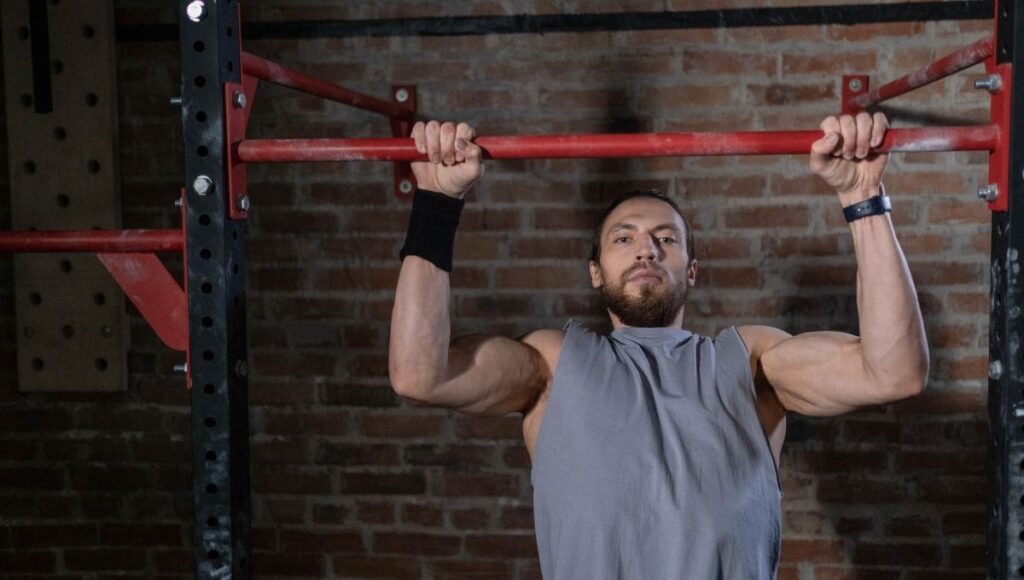
Pull-ups and lat pulldowns strengthen shoulder depressors and improve scapular control. Balanced upper body programs reduce stress concentration on the anterior shoulder.
Step 3: Train the Rotator Cuff Directly
The Rotator Cuff Is Not “Automatic”
The rotator cuff dynamically stabilizes the humeral head during movement. It prevents excessive upward migration of the humeral head during pressing.
Studies show that rotator cuff fatigue leads to altered shoulder mechanics. When fatigued, the humeral head shifts upward, increasing subacromial compression.
If you never train the cuff directly, you are relying on it passively under heavy load.
Best Evidence-Based Cuff Exercises
Research suggests that side-lying external rotation, prone external rotation, and cable-based external rotation effectively activate infraspinatus and teres minor.
High-rep, controlled tempo work is ideal:
- 2–3 sets
- 12–20 reps
- Moderate resistance
- Strict control
Add them after your main lifts, not before heavy overhead work.
Step 4: Respect Overhead Mechanics
Not Everyone Is Built for the Same Press
Anatomical variation in acromion shape influences impingement risk. Some individuals have structural features that reduce subacromial space.
This does not mean you cannot press overhead. It means technique and load selection matter.
Signs Your Overhead Press Needs Work
- Rib flare during pressing
- Excessive lumbar extension
- Bar drifting forward
- Elbows flaring excessively
These patterns increase stress on anterior shoulder structures.
Improve Overhead Control
Research on overhead athletes emphasizes:
- Thoracic spine mobility
- Scapular upward rotation
- Core stability
Before loading heavy overhead presses:
- Improve thoracic extension
- Strengthen serratus anterior
- Practice controlled tempo pressing
If pain persists, landmine presses or incline presses may be more joint-friendly.
Step 5: Control Volume and Progression
Sudden Spikes Cause Problems
Rapid increases in training load are strongly associated with injury risk across multiple sports.
While most data come from field sports, the principle applies to strength training: avoid abrupt increases in volume or intensity.
Practical Guidelines
- Increase total weekly pressing volume gradually
- Avoid adding new overhead work and heavy benching simultaneously
- Track total weekly sets per movement pattern
A reasonable upper-body hypertrophy range is 10–20 sets per muscle group per week. Exceeding this without recovery may increase overload risk.
Step 6: Warm Up Properly
Warm-Ups Improve Neuromuscular Readiness
Structured warm-ups improve muscle activation and joint positioning.
Dynamic warm-ups increase tissue temperature and improve performance, which may reduce injury risk.
A Shoulder-Smart Warm-Up
- Thoracic mobility drill (e.g., foam roller extensions)
- Serratus activation (e.g., wall slides)
- Light external rotations
- Gradual ramp-up sets
Avoid jumping straight to working weight.
Step 7: Address Mobility Where It Matters
Internal Rotation Deficits
Research in overhead athletes shows that reduced internal rotation is associated with shoulder injury risk.
Tight posterior capsule or posterior cuff tissues may alter humeral head mechanics.
Practical Mobility Work
- Sleeper stretch (carefully performed)
- Cross-body adduction stretch
- Thoracic rotation drills
Mobility should complement strength — not replace it.
Step 8: Improve Thoracic Spine Function
Thoracic spine stiffness can alter scapular motion.
Research shows that thoracic mobility influences scapular kinematics during arm elevation.

If your upper back is locked up, your shoulder must compensate.
Include:
- Thoracic extensions
- Open-book rotations
- Quadruped rotations
Just 5 minutes pre-training can improve movement quality.
Step 9: Use Smart Technique on Common Lifts
Bench Press
Evidence shows that grip width significantly affects shoulder stress.
Very wide grips increase shoulder abduction and torque.
Safer approach:
- Moderate grip width
- Scapular retraction and depression
- Elbows around 45–75 degrees from torso
Dips
Deep shoulder extension increases anterior capsule stress.
If dips cause pain:
- Reduce depth
- Use assistance
- Replace with close-grip pressing
Lateral Raises
Heavy swinging increases joint shear.
Use controlled tempo and moderate loads.
Step 10: Manage Recovery
Sleep and Tendon Health
Tendons adapt slowly. Chronic overload without adequate recovery contributes to tendinopathy.
Sleep restriction impairs recovery and tissue repair.
Aim for 7–9 hours per night.
Deload Periods
Periodic deloads reduce cumulative stress.
Every 4–8 weeks, reduce volume by 30–50% for one week.
This supports long-term joint health.
Step 11: Don’t Ignore Early Warning Signs
Pain that:
- Persists beyond 48 hours
- Increases with overhead movement
- Worsens over time
Should not be ignored.
Early load modification and targeted strengthening prevent chronic issues.
Research on tendinopathy supports load management rather than complete rest. Controlled loading improves tendon remodeling.
Step 12: When to Seek Professional Help
If you experience:
- Night pain
- Loss of strength
- Instability sensation
- Persistent pain for several weeks
Consult a qualified sports clinician.
Imaging is not always necessary, but persistent dysfunction deserves evaluation.
Putting It All Together
To avoid shoulder pain in the gym:
- Train scapular control
- Balance pressing and pulling
- Strengthen the rotator cuff
- Progress volume gradually
- Improve thoracic mobility
- Use controlled technique
- Prioritize recovery
Shoulder health is not about avoiding heavy lifting. It is about earning the right to lift heavy through proper preparation and smart programming.
The strongest shoulders are not just powerful — they are stable, coordinated, and resilient.
Protect them, and they will support your training for years.
References
- Borstad, J.D. and Ludewig, P.M. (2005) ‘The effect of long versus short pectoralis minor resting length on scapular kinematics in healthy individuals’, Journal of Orthopaedic & Sports Physical Therapy, 35(4), pp. 227–238.
- Cools, A.M., Witvrouw, E.E., Declercq, G.A., Danneels, L.A. and Cambier, D.C. (2003) ‘Scapular muscle recruitment patterns: Trapezius muscle latency with and without impingement symptoms’, The American Journal of Sports Medicine, 31(4), pp. 542–549.
- Ellenbecker, T.S. and Cools, A. (2010) ‘Rehabilitation of shoulder impingement syndrome and rotator cuff injuries: An evidence-based review’, British Journal of Sports Medicine, 44(5), pp. 319–327.
- Escamilla, R.F., Yamashiro, K., Paulos, L. and Andrews, J.R. (2009) ‘Shoulder muscle activity and function in common shoulder rehabilitation exercises’, Sports Medicine, 39(8), pp. 663–685.
- Kibler, W.B., McMullen, J. and Uhl, T. (2001) ‘Shoulder rehabilitation strategies, guidelines, and practice’, Orthopedic Clinics of North America, 32(3), pp. 527–538.
- Laudner, K.G., Lynall, R. and Meister, K. (2013) ‘Shoulder adaptations among pitchers and position players over the course of a competitive baseball season’, Clinical Journal of Sport Medicine, 23(3), pp. 184–189.