

Rowing is one of the most powerful tools in functional fitness. It builds aerobic capacity, muscular endurance, power, coordination, and mental toughness, all without the high joint impact of running or plyometrics. When programmed correctly, rowing workouts can challenge every major energy system and muscle group while improving long-term performance and health.
This article breaks down three challenging functional fitness workouts with rowing. Each workout is supported by scientific evidence on energy systems, muscle activation, metabolic stress, and recovery. You will also learn why rowing is uniquely effective and how to execute these sessions safely and efficiently.
Before diving into the workouts, let’s examine why rowing deserves a central role in functional fitness training.
Why Rowing Works So Well in Functional Fitness
Full-Body Muscle Recruitment
Rowing is not just a cardio tool. It is a full-body movement that engages the legs, hips, trunk, and upper body in a coordinated sequence. Biomechanical research shows that rowing recruits the quadriceps, hamstrings, gluteals, erector spinae, latissimus dorsi, and upper back musculature during each stroke cycle. Approximately 60 percent of the power in rowing comes from the legs, with the trunk and arms contributing the remaining force.

This coordinated drive from the lower body through the trunk into the upper body reflects the same kinetic chain principles used in Olympic lifts, wall balls, and kettlebell swings. The movement pattern reinforces force transfer from the hips through a braced midline — a foundational principle of functional training.
Electromyographic studies confirm high activation levels in the lower body and trunk during rowing, particularly during the drive phase. That makes rowing highly transferable to movements requiring posterior chain endurance and strength.
Cardiovascular and Metabolic Demand
Rowing produces high oxygen consumption values comparable to running and cycling. Research on maximal oxygen uptake shows rowing elicits large cardiovascular demands due to the combined upper- and lower-body involvement. Engaging more muscle mass increases oxygen extraction and cardiac output.
High-intensity interval rowing has been shown to improve VO2 max, lactate threshold, and overall aerobic capacity. These adaptations are directly linked to improved performance in functional fitness workouts, which often demand repeated bouts of high-intensity effort with incomplete recovery.
Rowing also produces significant blood lactate accumulation during intense efforts. Training under these conditions improves buffering capacity and tolerance to metabolic acidosis — key factors in sustaining performance during high-rep workouts and sprint intervals.
Low Impact, High Output
Unlike running and plyometrics, rowing is non-weight-bearing and low impact. Studies comparing injury rates across sports consistently show lower rates of impact-related injuries in rowing compared to high-impact modalities. This makes rowing ideal for accumulating volume without excessive joint stress.
In functional fitness programming, this allows athletes to push cardiovascular intensity without compounding joint fatigue from squats, box jumps, and loaded carries.
Strong Caloric Expenditure and Fat Loss Potential
Rowing uses large muscle groups and produces high metabolic demand. High-intensity rowing intervals significantly elevate post-exercise oxygen consumption (EPOC), which increases calorie expenditure after training.
Research comparing high-intensity interval training (HIIT) to steady-state cardio consistently shows greater improvements in body composition and aerobic fitness in shorter time frames when intervals are used. Because rowing allows safe, repeatable high-intensity efforts, it fits perfectly into HIIT-based functional workouts.
Now let’s move into three structured, challenging workouts designed around these principles.
Workout 1: The Aerobic Power Builder
Structure
For Time:
- 1,000 meter row
- 50 wall balls (20/14 lb)
- 750 meter row
- 40 wall balls
- 500 meter row
- 30 wall balls
- 250 meter row
- 20 wall balls
Intended Stimulus
This workout targets aerobic power and lactate tolerance. The longer opening row elevates heart rate toward VO2 max territory. As fatigue accumulates, wall balls challenge local muscular endurance in the legs and shoulders while maintaining high cardiovascular demand.

The progressively shorter rows allow athletes to increase stroke rate and power output under fatigue, simulating race-pace efforts.
Scientific Rationale
Sustained efforts lasting 2–5 minutes heavily tax the oxidative system while engaging anaerobic glycolysis. Research shows that intervals in this time domain significantly improve VO2 max and lactate threshold.
Rowing at high intensities produces large increases in oxygen consumption due to full-body muscle involvement. Studies on rowing ergometer training demonstrate improvements in aerobic power after structured interval training.
Wall balls introduce dynamic resistance work under elevated heart rate conditions. Combining resistance and endurance training in the same session has been shown to improve both muscular endurance and cardiovascular adaptations when properly programmed.
Repeated exposure to high lactate levels improves buffering capacity and delays fatigue. This workout design deliberately keeps rest minimal, forcing adaptation in both aerobic and anaerobic systems.
Coaching Notes
- Maintain consistent stroke rate early (24–28 strokes per minute).
- Focus on powerful leg drive and controlled recovery.
- On wall balls, use efficient squat depth and controlled breathing.
- Avoid sprinting the first 1,000 meters. Even pacing produces better overall performance.
Workout 2: The Sprint Capacity Destroyer
Structure
5 Rounds For Time:
- 250 meter row (all-out effort)
- 15 burpees over the rower
- 10 power cleans (135/95 lb)
Rest 1 minute between rounds
Intended Stimulus
This workout targets anaerobic power, phosphagen system capacity, and recovery between repeated high-intensity bouts.
Each 250-meter row should take approximately 35–60 seconds depending on ability. This time frame emphasizes glycolytic and phosphagen energy systems.
The short rest period trains the body to recover quickly between maximal efforts.
Scientific Rationale
Short-duration, high-intensity efforts rely heavily on ATP-PCr and glycolytic energy systems. Research shows repeated sprint training improves phosphocreatine resynthesis rates and anaerobic power output.
Rowing sprints generate extremely high power outputs relative to body weight. Because rowing engages large muscle groups, it produces significant metabolic stress.
Burpees add a plyometric and bodyweight strength component. Studies show that high-intensity calisthenic movements can elevate heart rate to near maximal levels.
Power cleans introduce high-rate force production. Olympic lifts are known to improve neuromuscular power and rate of force development.
Combining sprint rowing with explosive lifting enhances both cardiovascular and neuromuscular adaptations. Research on concurrent high-intensity and resistance training suggests improvements in power output when both modalities are included strategically.
The one-minute rest interval is intentionally incomplete. Incomplete recovery increases metabolic stress and stimulates greater glycolytic adaptation.
Coaching Notes
- Treat each row like a race start.
- Drive hard through the legs; avoid early arm pull.
- Stay tight and efficient on power cleans.
- Use the rest minute wisely: slow breathing, upright posture.
Workout 3: The Engine and Grip Grinder
Structure
AMRAP 25 Minutes:
- 500 meter row
- 20 kettlebell swings (53/35 lb)
- 15 toes-to-bar
- 10 front rack lunges (barbell, 135/95 lb)
Intended Stimulus
This workout builds aerobic endurance, midline stability, and muscular stamina over an extended duration.
The 25-minute time domain targets steady-state aerobic output with repeated muscular fatigue cycles.
Scientific Rationale
Longer-duration intervals at moderate-to-high intensity improve mitochondrial density and oxidative enzyme activity. These adaptations increase fatigue resistance.
Rowing in repeated 500-meter intervals sustains elevated oxygen consumption while allowing short muscular transitions.
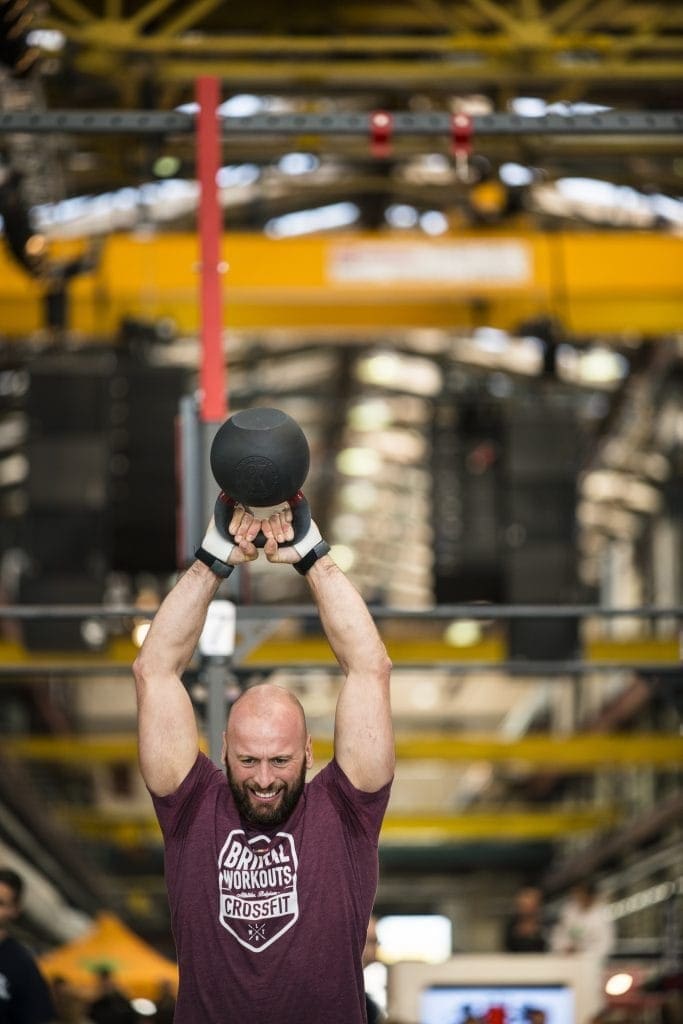
Kettlebell swings emphasize hip extension and posterior chain endurance. Research shows ballistic hip extension movements improve power and metabolic conditioning.
Toes-to-bar increase trunk and hip flexor activation. Core stability research shows that repeated trunk flexion under fatigue requires significant neuromuscular coordination.
Front rack lunges increase unilateral leg strength and trunk stability. Unilateral resistance training has been shown to improve balance, coordination, and muscular endurance.
Sustained mixed-modality circuits enhance cardiovascular fitness and muscular endurance simultaneously. Research on high-intensity functional training demonstrates improvements in aerobic capacity, muscular strength, and body composition.
Coaching Notes
- Maintain sustainable pacing early.
- Break toes-to-bar before grip fails.
- Keep kettlebell swings explosive but controlled.
- Focus on breathing rhythm during lunges.
Programming Rowing for Maximum Adaptation
Intensity Zones Matter
Rowing sessions should rotate between:
- Low-intensity aerobic work (60–70 percent max heart rate)
- Threshold intervals (80–90 percent max heart rate)
- Maximal sprints (90–100 percent max heart rate)
Polarized training models show that combining lower-intensity volume with strategic high-intensity sessions produces superior endurance gains compared to moderate-only training.
Stroke Efficiency Is Critical
Proper technique improves power output and reduces injury risk. Research in rowing biomechanics shows that effective force application during the drive phase is strongly associated with performance improvements.
Focus on:
- Legs first
- Neutral spine
- Controlled recovery
Recovery and Adaptation
High-intensity rowing increases inflammatory markers temporarily. Adequate recovery between sessions supports adaptation and prevents overtraining.
Sleep and proper nutrition enhance recovery from glycolytic training. Research shows carbohydrate availability influences performance in repeated high-intensity intervals.
Common Mistakes in Rowing Workouts
Over-Pulling with the Arms
Arm-dominant rowing reduces power output and increases early fatigue. Studies confirm leg drive is the primary contributor to stroke power.
Ignoring Stroke Rate
Higher stroke rates increase metabolic demand. However, inefficient high rates waste energy. Optimal stroke rate balances power and sustainability.

Poor Pacing
Starting too fast leads to early lactate accumulation and reduced performance. Even pacing has been shown to improve time-trial outcomes in endurance sports.
Final Thoughts
Rowing is one of the most effective conditioning tools in functional fitness. It recruits large muscle groups, produces high cardiovascular demand, improves lactate tolerance, and allows high-intensity training without joint impact.
The three workouts in this article challenge different energy systems:
- Aerobic power and lactate tolerance
- Anaerobic sprint capacity
- Sustained muscular endurance
Backed by research in exercise physiology, rowing-based functional workouts improve VO2 max, anaerobic power, muscular endurance, and metabolic conditioning.
When programmed intelligently and executed with proper technique, rowing becomes more than cardio. It becomes a cornerstone of elite functional performance.
Key Takeaways
| Focus Area | Why It Matters | Practical Application |
|---|---|---|
| Full-Body Recruitment | Engages legs, trunk, and upper body simultaneously | Improves transferable functional strength |
| VO2 Max Development | Enhances aerobic power | Use 500–1,000m intervals |
| Anaerobic Power | Builds sprint capacity | Program 200–250m max efforts |
| Lactate Tolerance | Delays fatigue under high intensity | Combine rowing with resistance movements |
| Low Impact Conditioning | Reduces joint stress | Ideal for high-volume conditioning |
| Concurrent Adaptation | Improves strength and endurance together | Pair rowing with lifts and bodyweight work |
References
- Buckeridge, E.M., Bull, A.M.J. and McGregor, A.H. (2015) ‘Biomechanical determinants of elite rowing technique and performance’, Scandinavian Journal of Medicine & Science in Sports, 25(2), pp. e176–e183.
- Driller, M.W., Fell, J.W. and Gregory, J.R. (2009) ‘Physiological responses to rowing ergometer sprint interval training’, Journal of Science and Medicine in Sport, 12(1), pp. 146–150.
- Gibala, M.J., Little, J.P., Macdonald, M.J. and Hawley, J.A. (2012) ‘Physiological adaptations to low-volume, high-intensity interval training’, Journal of Physiology, 590(5), pp. 1077–1084.
- Hagerman, F.C. (1984) ‘Applied physiology of rowing’, Sports Medicine, 1(4), pp. 303–326.
- Izquierdo, M., Häkkinen, K., Ibáñez, J., Kraemer, W.J. and Gorostiaga, E.M. (2005) ‘Effects of combined resistance and endurance training on physical performance’, Medicine & Science in Sports & Exercise, 37(5), pp. 765–772.
- Mahony, N., Donne, B. and O’Brien, M. (1999) ‘A comparison of physiological responses to rowing on friction-loaded and air-braked ergometers’, Journal of Sports Sciences, 17(2), pp. 143–149.