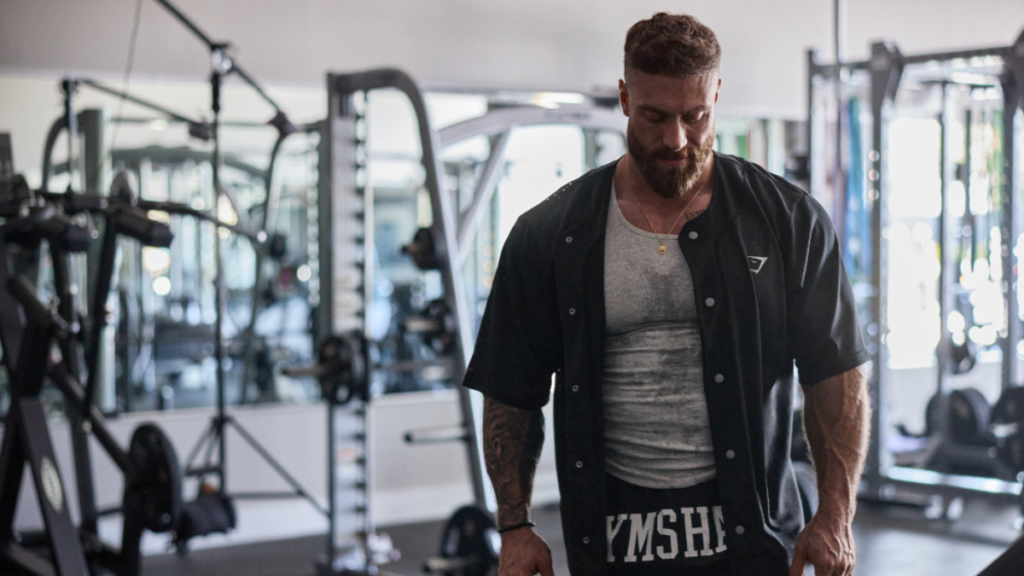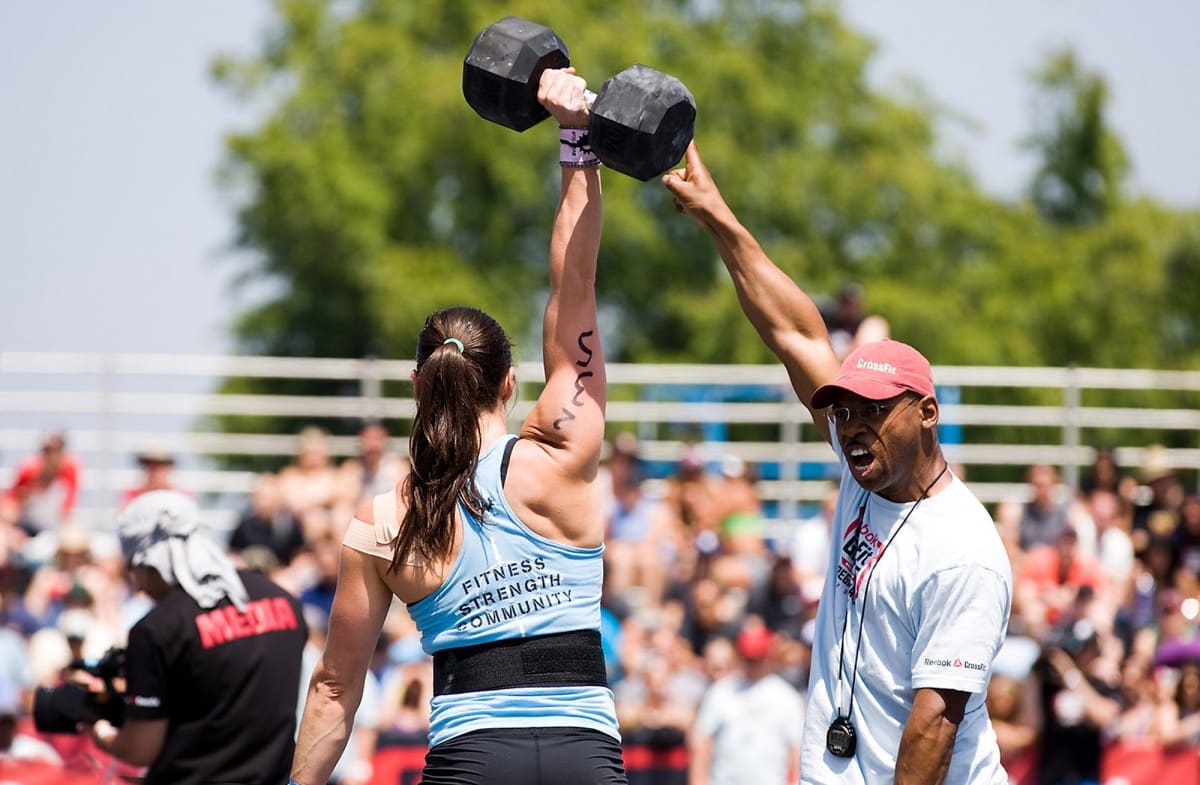


The dumbbell snatch is one of the most powerful and versatile movements in functional fitness. It builds strength, power, coordination, cardiovascular fitness, and core stability, all in a single explosive action. Unlike the barbell snatch, the dumbbell variation is more accessible, easier to scale, and often safer for athletes of all levels.
But this isn’t just gym lore. The effectiveness of explosive lifts like the snatch is well-supported by sports science. Research consistently shows that high-velocity resistance training improves muscular power, athletic performance, neuromuscular coordination, and metabolic conditioning.


Why the Dumbbell Snatch Works
Total-Body Power Development
The dumbbell snatch is a triple-extension movement. That means it involves explosive extension of the hips, knees, and ankles — the same pattern used in sprinting and jumping. Research shows that Olympic-style weightlifting movements significantly improve power output and rate of force development.
High-load, high-velocity lifts recruit large motor units and fast-twitch muscle fibers. These fibers are responsible for explosive strength and athletic performance. Studies comparing Olympic lifting derivatives to traditional strength training show superior improvements in vertical jump and power performance when explosive lifts are included.
The dumbbell snatch mimics these mechanics while allowing unilateral loading, which can improve intermuscular coordination and correct imbalances.
Metabolic Demand and Conditioning
The dumbbell snatch isn’t just about strength. It’s metabolically demanding.
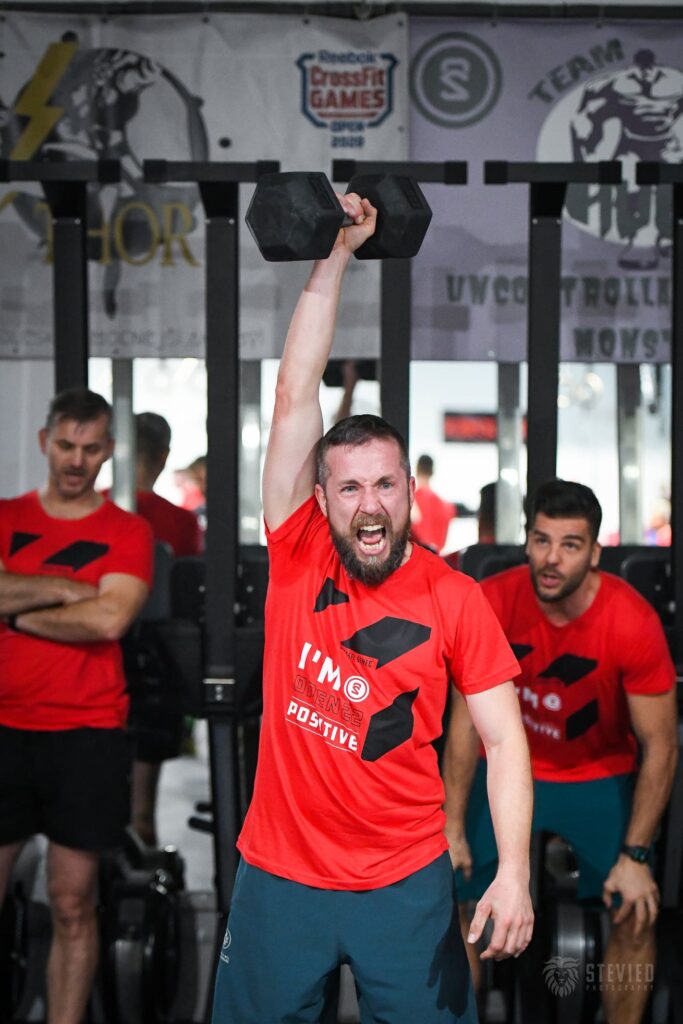
High-intensity functional training (HIFT) — which often includes movements like snatches — has been shown to significantly increase aerobic capacity (VO2 max), anaerobic capacity, and overall work capacity. Research demonstrates that functional high-intensity workouts can elicit heart rates at or above 90% of maximum, placing a serious demand on both the cardiovascular and glycolytic systems.
Because the snatch uses large muscle groups in rapid succession, it increases oxygen consumption and energy expenditure. Multi-joint, compound lifts consistently produce higher metabolic cost compared to isolation exercises.
Core Stability and Anti-Rotation Strength
The unilateral nature of the dumbbell snatch challenges the core in a unique way. When you drive the weight overhead with one arm, your trunk must resist rotation and lateral flexion.
Research on unilateral loading shows increased activation of stabilizing musculature, particularly the obliques and deep core muscles. This anti-rotational demand improves trunk stiffness and spinal stability, both of which are critical for injury prevention and force transfer.
Coordination and Neuromuscular Efficiency
The dumbbell snatch requires precise timing between the lower and upper body. The lift involves a coordinated pull from the floor, explosive hip extension, vertical pull, and rapid turnover to a locked-out overhead position.
Complex multi-joint movements improve neuromuscular efficiency by increasing motor unit synchronization and firing frequency. Over time, this enhances movement economy and athletic coordination.
Functional Carryover
Functional fitness is about preparing the body for real-world tasks and sport demands. The dumbbell snatch develops:
- Ground-to-overhead strength
- Hip power
- Grip strength
- Shoulder stability
- Cardiovascular endurance
These qualities translate directly to sport performance and daily life.
Now let’s put this into action.
Workout 1: Dumbbell Snatch Power Ladder
This workout is designed to develop power endurance and anaerobic capacity while reinforcing solid snatch mechanics under fatigue.
Structure
10-minute ascending ladder:
- 2 dumbbell snatches (alternating)
- 2 burpees
Add 2 reps to each movement every round.
Round 1:
2 snatches
2 burpees
Round 2:
4 snatches
4 burpees
Round 3:
6 snatches
6 burpees
Continue adding 2 reps per movement until time expires.
Why This Works
Ascending ladders increase mechanical work over time while forcing the body to tolerate rising lactate levels. High-repetition, explosive movements combined with burpees elevate heart rate rapidly.
Research on high-intensity interval-style resistance training shows significant improvements in VO2 max and anaerobic threshold. Short rest periods and escalating workloads stimulate glycolytic energy systems and buffering capacity.

Because the dumbbell snatch recruits large muscle groups, oxygen demand rises quickly. Studies show that compound lifts performed in circuit formats produce heart rate and metabolic responses similar to sprint intervals.
Programming Notes
- Choose a moderate load you can cycle for at least 15 unbroken reps when fresh.
- Maintain crisp hip extension. Avoid early arm pulling.
- Switch hands every rep to manage fatigue.
Scaling
Beginner:
- Reduce ladder to +1 rep per round.
- Use a lighter dumbbell.
- Replace burpees with step-back burpees.
Advanced:
- Use a heavier dumbbell.
- Add a short sprint (50 meters) after each round.
Workout 2: Unilateral Engine Builder
This workout emphasizes unilateral stability, muscular endurance, and aerobic development.
Structure
For time:
4 rounds:
- 20 alternating dumbbell snatches
- 400-meter run
- 20 walking lunges (bodyweight or goblet)
Why This Works
This session blends loaded power output with cyclical conditioning (running). Research shows that combining resistance training and aerobic work improves cardiovascular efficiency while maintaining strength adaptations.
The alternating snatches demand trunk stability and repeated hip extension. Running challenges aerobic capacity. Lunges increase lower-body time under tension and further stress unilateral control.
Studies on concurrent training demonstrate that when structured properly, combining strength and endurance in a single session can enhance work capacity without compromising strength gains.
Because the snatch is explosive and the run is cyclical, the body shifts between energy systems. This improves metabolic flexibility — the ability to transition between anaerobic and aerobic pathways.
Programming Notes
- Aim for consistent pacing across rounds.
- Use nasal breathing during the first half of each run to control heart rate.
- Keep your chest tall during lunges to maintain spinal alignment.
Scaling
Beginner:
- Reduce run to 200 meters.
- Perform 12 snatches per round.
- Replace lunges with stationary split squats.
Advanced:
- Use a heavier dumbbell.
- Make lunges weighted.
- Add a fifth round.
Workout 3: Dumbbell Snatch EMOM Power Intervals
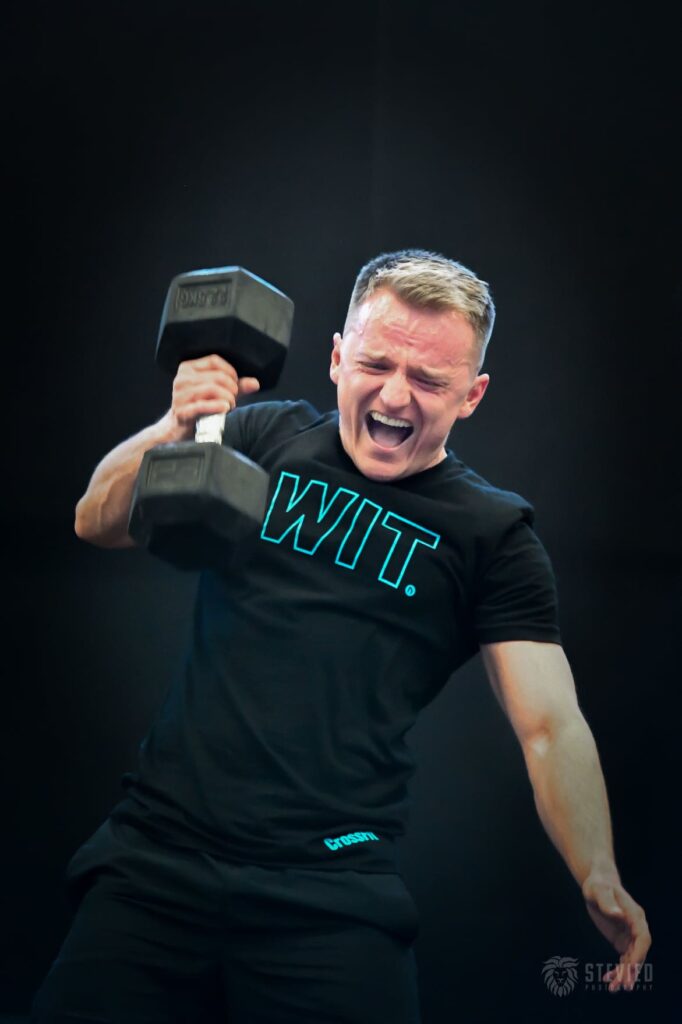
This workout develops explosive output under controlled fatigue. EMOM stands for “Every Minute on the Minute.”
Structure
20-minute EMOM:
Minute 1:
12 alternating dumbbell snatches
Minute 2:
15/12 calorie row (or 12 burpees if no machine)
Repeat for 10 total cycles.
Why This Works
EMOM training regulates intensity and enforces repeatable power output. Research on interval-based high-intensity functional training shows improvements in aerobic capacity, body composition, and muscular endurance.
By prescribing work within a fixed time window, EMOMs create a work-to-rest ratio that encourages high effort while maintaining movement quality.
The snatch trains explosive strength and rate of force development. The rower or burpees increase oxygen consumption and cardiac output. Studies show that high-intensity circuit formats can reach intensities comparable to traditional interval training.
Additionally, interval-based resistance training has been shown to elevate excess post-exercise oxygen consumption (EPOC), increasing post-workout energy expenditure.
Programming Notes
- Choose a load that allows you to finish snatches in 30–40 seconds.
- Focus on aggressive hip drive each rep.
- If form degrades, reduce reps.
Scaling
Beginner:
- Perform 8 snatches per minute.
- Reduce rowing calories.
Advanced:
- Increase snatches to 15 reps.
- Use a heavier load.
Technique Breakdown: How to Perform the Dumbbell Snatch Safely
Good programming is useless without proper execution. Let’s break down the movement.
Setup
- Feet hip-width apart.
- Dumbbell between your feet.
- Hips hinged, chest tall.
- Neutral spine.
First Pull
Drive through the floor. Extend knees and hips simultaneously. Keep the dumbbell close to your body.
Hip Extension
Explosively extend hips. This is the engine of the lift. Research shows that peak power in Olympic derivatives comes primarily from hip extension velocity.
Turnover
As the dumbbell rises, punch overhead. Avoid pressing it up slowly — it should be one fluid movement.
Lockout
Arm fully extended.
Biceps near ear.
Ribs down.
Core braced.
Common Errors
- Early arm bend
- Rounded back
- Pressing instead of snapping
- Letting the dumbbell swing away from the body
Each of these reduces power output and increases injury risk.
Physiological Adaptations You Can Expect
Increased Rate of Force Development
Explosive resistance training improves how quickly force can be produced. This is essential for athletic movements like sprinting and jumping.
Improved VO2 Max
High-intensity functional circuits have been shown to significantly increase aerobic capacity in trained and recreational individuals.
Enhanced Insulin Sensitivity
High-intensity resistance training improves glucose uptake and insulin sensitivity, supporting metabolic health.
Greater Core Stability
Unilateral loading increases trunk activation and anti-rotational strength.
Improved Body Composition
High-intensity resistance circuits elevate caloric expenditure and may reduce fat mass when combined with proper nutrition.
Weekly Programming Example
Day 1: Workout 1
Day 3: Workout 2
Day 5: Workout 3
Allow at least one recovery day between sessions. Research shows that adequate recovery is critical for neuromuscular adaptation and performance improvements.
Final Thoughts
The dumbbell snatch is one of the most efficient tools in functional fitness. It builds power, strength, conditioning, coordination, and resilience — all with a single piece of equipment.
The three workouts above are structured to challenge different energy systems while reinforcing explosive mechanics. Backed by research on power development, high-intensity training, and metabolic conditioning, they deliver real results.
References
- Buckley, S., Knapp, K., Lackie, A., Lewry, C., Horvey, K., Benko, C., Trinh, J. and Butcher, S. (2015) ‘Multimodal high-intensity interval training increases muscle function and metabolic performance in females’, Applied Physiology, Nutrition, and Metabolism, 40(11), pp. 1157–1162.
- Cormie, P., McGuigan, M.R. and Newton, R.U. (2011) ‘Developing maximal neuromuscular power: Part 1 – Biological basis of maximal power production’, Sports Medicine, 41(1), pp. 17–38.
- Cormie, P., McGuigan, M.R. and Newton, R.U. (2011) ‘Developing maximal neuromuscular power: Part 2 – Training considerations for improving maximal power production’, Sports Medicine, 41(2), pp. 125–146.
- Gibala, M.J., Little, J.P., Macdonald, M.J. and Hawley, J.A. (2012) ‘Physiological adaptations to low-volume, high-intensity interval training in health and disease’, The Journal of Physiology, 590(5), pp. 1077–1084.
- Haff, G.G. and Nimphius, S. (2012) ‘Training principles for power’, Strength and Conditioning Journal, 34(6), pp. 2–12.
- Heinrich, K.M., Patel, P.M., O’Neal, J.L. and Heinrich, B.S. (2014) ‘High-intensity compared to moderate-intensity training for exercise initiation, enjoyment, adherence, and intentions: An intervention study’, BMC Public Health, 14, 789.