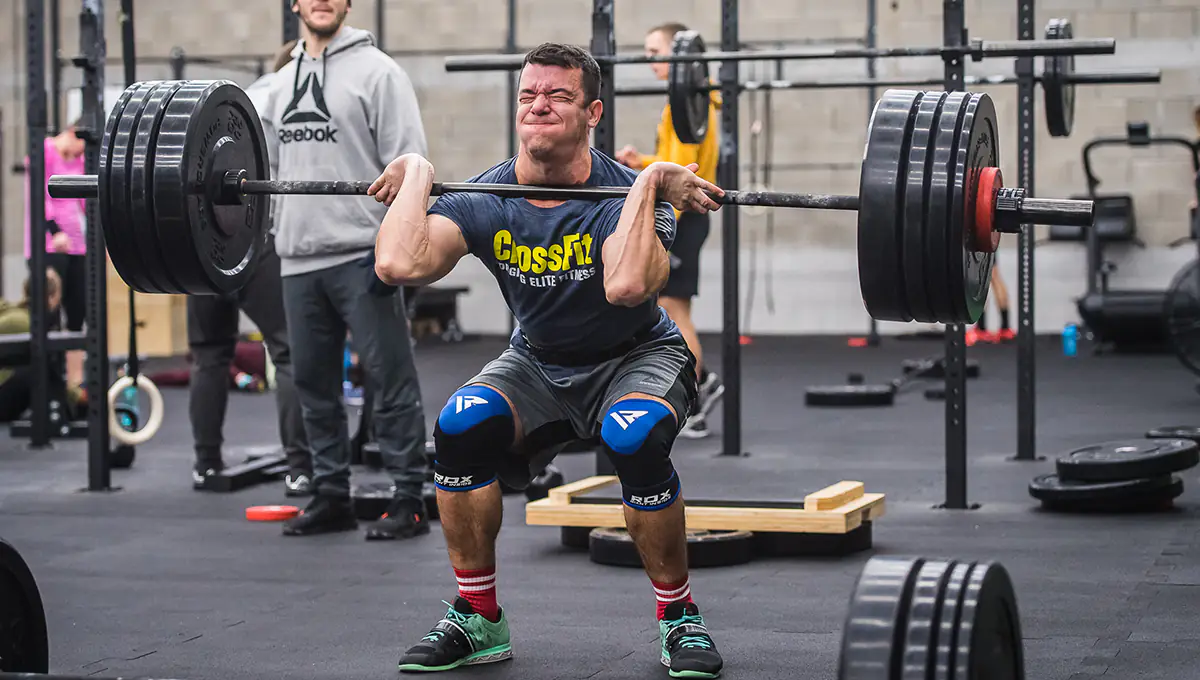


Fitness trends rarely stay still. Every decade introduces a new dominant philosophy about how people should train. In the 1980s and 1990s, bodybuilding shaped gym culture. The early 2000s emphasized endurance sports and marathon running. The 2010s and early 2020s saw explosive growth in functional fitness and high intensity interval training.
Now a new model has taken center stage. Hybrid training.


Hybrid training combines multiple physical capacities within the same program. Most commonly, it blends resistance training with endurance training. Instead of specializing in only lifting weights or only running long distances, hybrid athletes train both strength and cardiovascular fitness at the same time.

In 2026, this approach is dominating gyms, endurance sports, and functional fitness communities worldwide. Athletes are pursuing the ability to deadlift heavy while also running a fast half marathon. Recreational trainees want to build muscle while maintaining excellent cardiovascular health.
This shift is not simply a social media trend. Decades of exercise science research now show that combining strength and endurance training can produce powerful physiological benefits when programmed correctly.
This article explains why hybrid training has become so popular and what science says about its effectiveness.
What Is Hybrid Training?
Hybrid training refers to a structured approach that develops both muscular strength and aerobic endurance within the same training program.
In scientific literature, this is usually called concurrent training. It involves performing resistance training and endurance exercise within the same training cycle or week.
Hybrid athletes may combine activities such as:
- Strength training and running
- Weightlifting and cycling
- Powerlifting and rowing
- CrossFit style strength workouts with endurance sessions
The goal is not merely general fitness. Hybrid athletes aim to build high levels of strength, muscular endurance, and cardiovascular capacity simultaneously.

This contrasts with traditional specialization. Historically, athletes focused on one dominant energy system or skill set. Powerlifters maximized strength. Marathon runners focused almost exclusively on endurance. Bodybuilders prioritized muscle hypertrophy.
Hybrid training challenges that model by attempting to develop multiple physical qualities together.
Why Hybrid Training Is Exploding in Popularity
The rapid rise of hybrid training is driven by several cultural and physiological factors.
People Want Complete Fitness
Modern fitness culture increasingly values well rounded performance. Many people want to look strong, move well, and maintain cardiovascular health.
Traditional bodybuilding builds muscle but may neglect aerobic fitness. Long distance running improves endurance but often does not develop maximal strength. Hybrid training allows individuals to improve both.
Functional Performance Is More Appealing
Real world physical tasks rarely involve a single fitness capacity. Carrying heavy objects, hiking long distances, or playing sports requires a combination of strength and endurance.
Hybrid training reflects this reality. Athletes train for broad capability rather than single sport specialization.
The Rise of Hybrid Athletes
The emergence of hybrid athletes on social media has accelerated the trend. Many athletes now showcase impressive combinations of strength and endurance. Examples include running a marathon while maintaining a 500 pound deadlift or completing endurance races while maintaining significant muscle mass.
This demonstrates that strength and endurance do not have to be mutually exclusive.
Science Has Shifted the Conversation
Earlier exercise science suggested that combining endurance and strength training might reduce training adaptations. This concept became known as the interference effect.
While interference can occur under certain conditions, modern research shows that concurrent training can effectively improve both strength and aerobic capacity when programmed properly.
The Science Behind Concurrent Training
Hybrid training is rooted in decades of research on concurrent strength and endurance training.
Concurrent training is defined as the combination of resistance and endurance exercise within the same training period or session. Research on this topic dates back to early studies in the 1980s.
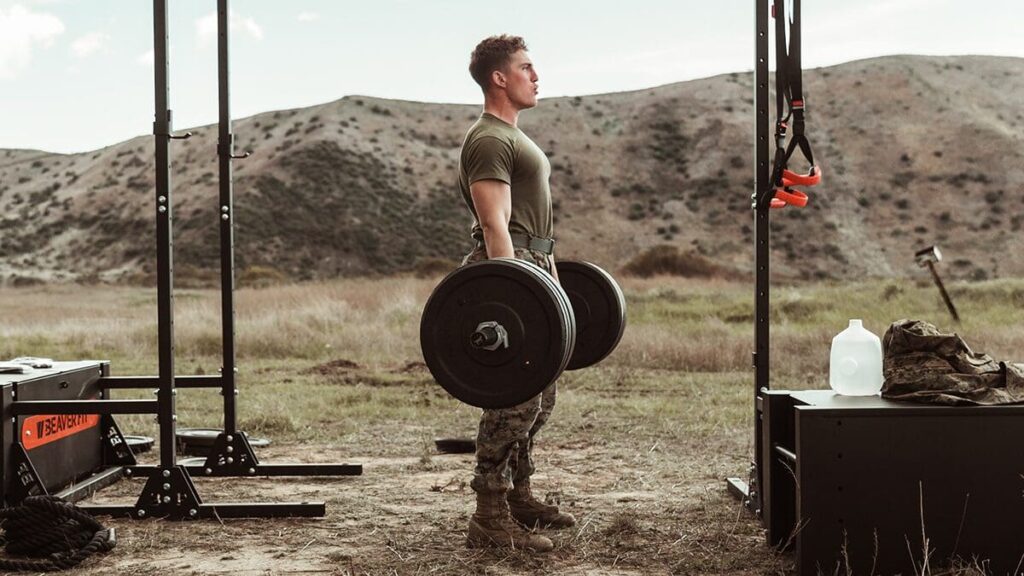
Exercise scientists have investigated whether combining these training types enhances or reduces physical adaptations.
Improvements in Strength and Aerobic Capacity
Many studies demonstrate that concurrent training can significantly improve both muscular strength and aerobic capacity.
For example, research examining combined aerobic and resistance programs shows improvements in maximal oxygen uptake, muscular strength, and muscular endurance after structured training interventions.
VO2 max, which measures the body’s ability to use oxygen during exercise, is one of the strongest predictors of endurance performance and cardiovascular health. Studies show that hybrid training programs can increase VO2 max while also improving strength measures such as one repetition maximum lifts.
This indicates that the body can adapt to both stimuli simultaneously.
Evidence from Controlled Training Studies
Controlled training studies often use programs lasting between eight and twelve weeks. Participants typically perform both endurance and resistance sessions each week.
Results consistently show improvements in multiple performance markers including:
- Muscular strength
- Aerobic capacity
- Body composition
- Explosive power
One twelve week training study integrating endurance and resistance exercise improved body composition, maximal strength, and aerobic performance simultaneously in recreational runners.
These results support the effectiveness of hybrid training for general fitness and athletic performance.
Meta Analyses on Concurrent Training
Meta analyses provide a broader view of the research.
Large systematic reviews analyzing concurrent training show that combining strength and endurance exercise generally produces meaningful improvements in both fitness qualities.
However, the research also highlights potential limitations. Some studies report slightly reduced lower body strength gains compared with strength only programs in certain populations. This phenomenon is referred to as the interference effect.
Despite this, most reviews conclude that concurrent training still produces substantial improvements in overall fitness and health markers.
Understanding the Interference Effect
The interference effect is one of the most debated topics in hybrid training. This concept suggests that endurance training may reduce the muscle and strength gains produced by resistance training.
Why Interference May Occur
- Strength training and endurance training stimulate different physiological pathways.
- Resistance training activates pathways involved in muscle growth and strength development.
- Endurance training activates pathways associated with mitochondrial development and aerobic metabolism.
- These pathways can compete for cellular resources when performed in large volumes.
As a result, some early research suggested that combining both types of exercise might reduce muscle growth or strength development.
What Modern Research Shows
Recent research suggests that the interference effect is smaller than previously believed.
Several studies indicate that concurrent training can produce similar improvements in cardiovascular fitness and muscular strength regardless of the order of exercises within a session. Other meta analyses show that interference effects are often minor and depend heavily on training variables such as volume, intensity, and frequency.
In trained athletes, the interference effect appears even less significant. In practical terms, most recreational athletes can improve both strength and endurance without major compromise.
Physiological Benefits of Hybrid Training
Hybrid training offers a wide range of physiological benefits that extend beyond athletic performance.
Improved Cardiovascular Health
Endurance training improves multiple markers of cardiovascular health. These include reductions in resting heart rate, improved blood pressure regulation, and improved blood lipid profiles.
Adding resistance training enhances these benefits by improving vascular function and metabolic health. Together, these adaptations support long term cardiovascular health and reduce risk factors associated with chronic disease.
Increased Muscle Mass and Strength

Resistance training stimulates muscle hypertrophy and neuromuscular adaptations that increase strength. When combined with endurance training, individuals can maintain or increase muscle mass while improving aerobic capacity. For many individuals, hybrid training leads to improved body composition by increasing lean mass while promoting fat oxidation.
Enhanced Metabolic Efficiency
Hybrid training improves the body’s ability to use different energy systems.
- Endurance training increases mitochondrial density and improves fat metabolism during exercise.
- Strength training increases muscle fiber recruitment and improves power output.
- Together these adaptations improve metabolic flexibility, allowing the body to switch efficiently between energy systems depending on activity demands.
Better Athletic Performance
Many sports require both strength and endurance. Cycling, rowing, obstacle course racing, and many field sports rely on both cardiovascular capacity and muscular strength. Studies show that athletes who incorporate resistance training into endurance programs often improve performance metrics such as running economy and power output.
This combination can lead to improved race performance and reduced fatigue during prolonged exercise.
Improved Injury Resistance
Strength training improves joint stability, tendon strength, and muscle balance. These adaptations can reduce injury risk in endurance athletes. Runners who include resistance training in their program often experience lower injury rates compared with runners who only perform endurance training. The additional muscular support around joints reduces mechanical stress during repetitive movements.
Improved Longevity and Health
Both strength training and endurance exercise independently contribute to long term health.
- Resistance training helps preserve muscle mass and bone density as people age.
- Endurance training improves cardiovascular function and metabolic health.
- Hybrid training allows individuals to gain the protective benefits of both training styles simultaneously.
How Hybrid Training Changes the Body
The adaptations produced by hybrid training occur across multiple systems in the body.
Muscular Adaptations
Resistance training stimulates hypertrophy by increasing muscle fiber size and improving neural activation. Endurance training stimulates mitochondrial growth within muscle cells. Hybrid training produces both structural and metabolic changes in skeletal muscle.
This leads to improved muscular endurance and strength.
Cardiovascular Adaptations
Endurance exercise increases stroke volume and cardiac efficiency. Hybrid athletes often show improvements in maximal oxygen uptake, which reflects enhanced oxygen delivery to working muscles. These changes improve the ability to sustain prolonged physical effort.
Neuromuscular Adaptations
Strength training enhances neural drive and motor unit recruitment. This improves force production and movement efficiency.
When combined with endurance training, neuromuscular adaptations allow athletes to maintain technique and power output even during fatigue.
Programming Hybrid Training Effectively
The success of hybrid training depends heavily on intelligent programming. Balancing endurance and resistance training requires careful management of training load and recovery.
Managing Training Volume
Too much volume in both strength and endurance training can overwhelm recovery. Successful hybrid programs often moderate total training volume while prioritizing quality sessions. For example, many hybrid athletes perform three to four strength sessions and two to three endurance sessions per week.
Separating Training Stimuli
Research suggests that separating endurance and strength sessions may improve training adaptations. Performing both sessions on separate days or several hours apart can reduce fatigue and allow better performance in each session.
Prioritizing Goals
Hybrid training does not mean maximizing every physical quality simultaneously. Athletes typically prioritize one goal during certain phases of training. For example, a runner may focus more on endurance during race preparation while maintaining strength with lower volume resistance training. During off season phases, strength development may take priority.
Managing Recovery
Recovery becomes critical when combining multiple training modalities. Adequate sleep, nutrition, and active recovery strategies are essential to support adaptation and prevent overtraining. Protein intake is particularly important to support muscle repair and growth in hybrid athletes.
Who Should Use Hybrid Training?

Hybrid training is suitable for many populations.
Recreational Fitness Enthusiasts
Most recreational exercisers benefit from training both strength and endurance. This approach supports overall health, body composition, and long term physical function.
Endurance Athletes
Runners, cyclists, and triathletes can benefit from resistance training. Strength training improves movement efficiency and reduces injury risk.
Strength Athletes
Powerlifters and bodybuilders may benefit from adding moderate endurance training to support cardiovascular health and work capacity.
Tactical and Functional Athletes
Military personnel, firefighters, and other tactical athletes often require both strength and endurance. Hybrid training closely reflects the physical demands of these professions.
The Future of Hybrid Training
Hybrid training reflects a broader shift in fitness culture toward versatile performance. Rather than focusing on narrow specialization, athletes increasingly value well rounded capability. As research continues to evolve, training programs are becoming more sophisticated in how they combine endurance and resistance work.
Wearable technology, individualized programming, and improved recovery strategies will likely make hybrid training even more effective in the future. In 2026, hybrid training represents one of the most evidence supported and practical approaches to fitness.
By developing both strength and endurance, athletes can build a body that is strong, resilient, and capable across a wide range of physical challenges.
Conclusion
Hybrid training is dominating the fitness landscape because it aligns with both modern scientific evidence and real world performance goals.
Research on concurrent training shows that individuals can improve strength, cardiovascular fitness, and body composition simultaneously. While the interference effect remains an important consideration, modern programming strategies minimize its impact.
For most people, combining strength and endurance training provides a balanced path to long term health and performance. Hybrid training is not simply a trend. It represents a practical evolution in how we understand human fitness.
References
• Chtara, M. et al., 2005. Effect of concurrent endurance and strength training sequence on muscular strength and aerobic performance. Journal of Strength and Conditioning Research, 19(3), pp. 555–560.
• Hickson, R.C., 1980. Interference of strength development by simultaneously training for strength and endurance. European Journal of Applied Physiology, 45(2–3), pp. 255–263.
• Murlasits, Z., Kneffel, Z. and Thalib, L., 2018. The physiological effects of concurrent strength and endurance training sequence. Sports Medicine, 48(2), pp. 343–354.
• Schumann, M. et al., 2023. Concurrent strength and endurance training. Sports Medicine, 53(4), pp. 707–725.
• Sousa, A.C. et al., 2023. Comparative efficacy of concurrent training types on lower limb strength and muscle cross sectional area. Journal of Exercise Science and Fitness, 21(2), pp. 180–188.
• Spiliopoulou, P. et al., 2025. Effects and mechanisms of concurrent strength and endurance training. Frontiers in Sports and Active Living, 7, pp. 1–15.
• Yang, Y. et al., 2023. Effects of concurrent training sequence on VO2 max and lower limb strength. Frontiers in Physiology, 14, pp. 1072679.
• Zanuso, S. et al., 2024. Combined aerobic and resistance training effects on physical performance and metabolic health. Heliyon, 10(2), e20822.
• Zhang, X. et al., 2022. Effects of running specific strength and endurance training on performance parameters. International Journal of Environmental Research and Public Health, 19(17), 10773.