

Building bigger and stronger legs is one of the most effective ways to improve overall athletic performance, increase metabolism, and create a balanced physique. Strong legs support everything from sprinting and jumping to lifting heavier weights and preventing injuries. Yet many people struggle to see real progress in their lower body training.
Understanding How Legs Grow and Get Stronger
Before diving into the tips, it is useful to understand the basics of muscle growth and strength development. The quadriceps, hamstrings, glutes, and calves respond to three primary stimuli:


- Mechanical tension from lifting weights
- Muscle damage from challenging contractions
- Metabolic stress from sustained effort and fatigue
Mechanical tension is the most important driver of hypertrophy. Lifting moderate to heavy loads through a full range of motion creates the stimulus needed for muscle fibers to grow. Strength gains are closely linked to neural adaptations and improved coordination, especially early in training.
Volume, intensity, and frequency all play a role. Research shows that training each muscle group multiple times per week with sufficient volume leads to greater hypertrophy compared to low frequency training. With that foundation in place, here are five actionable tips.
Tip 1: Prioritize Compound Movements

Why Compound Lifts Matter
Compound exercises such as squats, deadlifts, lunges, and leg presses recruit multiple muscle groups at once. They allow you to lift heavier loads, which increases mechanical tension across the entire lower body.
Studies consistently show that multi joint exercises lead to greater overall muscle activation and strength gains compared to isolation movements alone. Squats, for example, heavily recruit the quadriceps, glutes, and adductors while also engaging the core and lower back.
Key Exercises to Focus On
To build bigger and stronger legs, your program should revolve around:
- Back squats or front squats
- Romanian deadlifts or conventional deadlifts
- Walking lunges or Bulgarian split squats
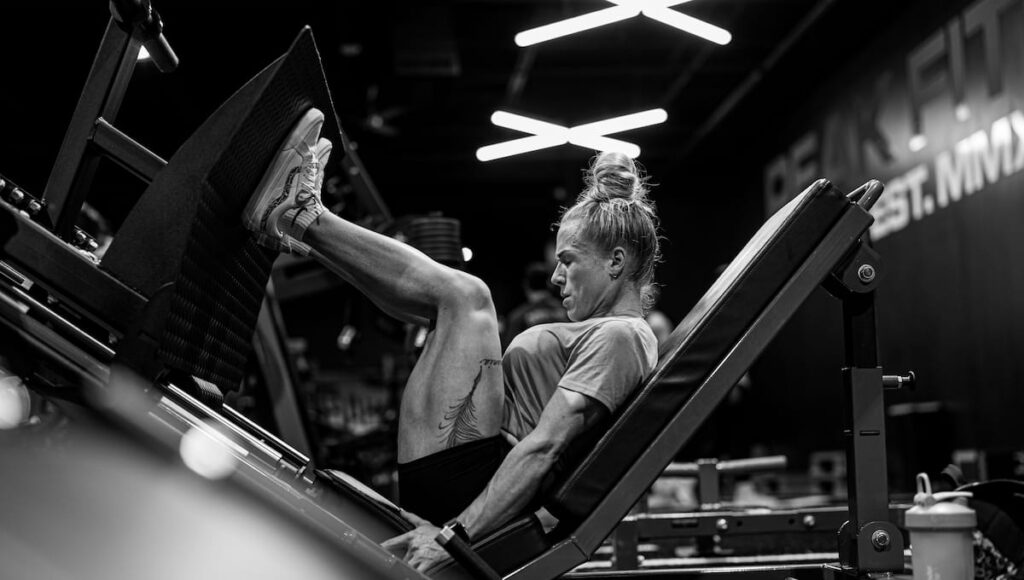
- Leg press variations
Each of these exercises targets the lower body from a slightly different angle, ensuring balanced development.
How to Apply This Tip
Train compound lifts early in your workout when energy levels are highest. Aim for:
- 3 to 5 sets per exercise
- 5 to 10 repetitions for strength and hypertrophy
- Progressive overload over time
Focus on proper technique. Depth in squats, hip hinge mechanics in deadlifts, and stability in lunges are critical for maximizing results and minimizing injury risk.
Tip 2: Train Through a Full Range of Motion
The Science Behind Range of Motion
Training muscles through a full range of motion leads to greater hypertrophy compared to partial repetitions. This is because muscles experience more stretch and tension at longer lengths, which appears to stimulate growth more effectively.

Research shows that deep squats result in greater glute and adductor development than partial squats. Similarly, exercises that emphasize the stretch position of a muscle can enhance hypertrophy.
What Full Range Means in Practice
Full range of motion depends on the exercise:
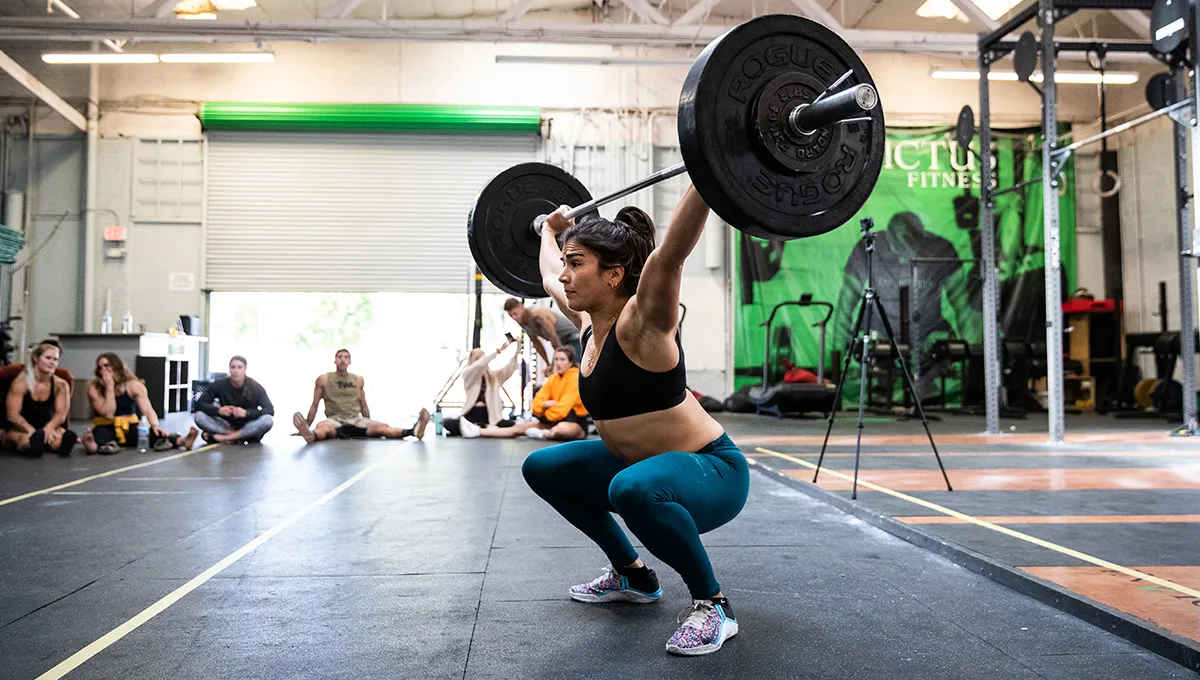
- Squats: hips below parallel when mobility allows
- Lunges: back knee close to the floor
- Romanian deadlifts: stretch in hamstrings without rounding the back
- Calf raises: full stretch at the bottom and full contraction at the top
How to Apply This Tip
Reduce the weight if necessary to achieve proper depth and control. Quality of movement matters more than the number on the bar.
Incorporate pauses at the bottom of movements to increase time under tension and improve control. For example, a two second pause at the bottom of a squat can significantly increase muscle activation.
Tip 3: Use Progressive Overload and Track Your Training
Why Progressive Overload Is Essential
Muscles grow and get stronger when they are challenged beyond their current capacity. Progressive overload means gradually increasing the demands placed on the body over time.
This can be achieved by:
- Increasing weight
- Increasing repetitions
- Increasing sets
- Improving technique or range of motion
Without progressive overload, the body adapts and progress stalls.
Evidence for Structured Progression
Studies on resistance training consistently show that structured progression leads to greater strength and hypertrophy gains compared to unstructured training. Tracking performance ensures that you are consistently moving forward.
How to Apply This Tip
Keep a training log. Record:
- Exercises performed
- Sets and repetitions
- Weight used
- Notes on effort and technique
Aim to improve at least one variable each week. For example:
- Add 5 pounds to your squat
- Perform one extra repetition per set
- Improve depth or control
Small, consistent improvements add up over time.
Tip 4: Train Legs More Frequently

Frequency and Muscle Growth
Training frequency refers to how often you train a muscle group each week. Research suggests that training each muscle group at least twice per week leads to greater hypertrophy compared to once per week.
Higher frequency allows for more total volume and better distribution of workload, which can improve recovery and performance.
Structuring Your Leg Training
Instead of a single leg day, consider splitting your lower body work across multiple sessions. For example:
- Day 1: Heavy squats and accessory work
- Day 2: Deadlifts and posterior chain focus
- Day 3: Unilateral work and higher repetition training
How to Apply This Tip
Aim for 10 to 20 sets per muscle group per week, spread across two to three sessions. Adjust volume based on your experience level and recovery capacity.
Pay attention to signs of overtraining such as persistent soreness, fatigue, or decreased performance. Recovery is just as important as training.
Tip 5: Optimize Nutrition and Recovery
The Role of Nutrition in Muscle Growth
Muscle growth requires a calorie surplus and adequate protein intake. Protein provides the building blocks needed for muscle repair and growth.
Research indicates that consuming around 1.6 to 2.2 grams of protein per kilogram of body weight per day maximizes muscle protein synthesis for most individuals. Carbohydrates are also important. They replenish glycogen stores and support high intensity training.
Sleep and Recovery
Sleep is a critical but often overlooked factor. Poor sleep negatively affects muscle recovery, hormone levels, and performance. Studies show that sleep restriction can reduce muscle protein synthesis and impair recovery from resistance training.
How to Apply This Tip
Focus on the basics:
- Eat enough calories to support growth
- Consume high quality protein sources throughout the day
- Include carbohydrates before and after training
- Aim for 7 to 9 hours of sleep per night
Hydration and stress management also play a role in recovery.
Common Mistakes That Limit Leg Growth
Even with the right strategies, certain mistakes can hold you back.
Avoid These Pitfalls
- Skipping leg day or training inconsistently
- Using poor technique or limited range of motion
- Not tracking progress
- Neglecting recovery and nutrition
- Relying only on machines and avoiding free weights
Addressing these issues can significantly improve your results.
Sample Weekly Leg Training Plan

To put everything together, here is a simple example:
Day 1 Lower Body Strength
- Back squat 4 sets of 5 reps
- Romanian deadlift 3 sets of 8 reps
- Walking lunges 3 sets of 10 reps per leg
- Standing calf raises 3 sets of 12 reps
Day 2 Lower Body Hypertrophy
- Leg press 4 sets of 10 reps
- Bulgarian split squat 3 sets of 10 reps per leg
- Leg curl 3 sets of 12 reps
- Seated calf raises 4 sets of 15 reps
Day 3 Posterior Chain Focus
- Deadlift 4 sets of 5 reps
- Hip thrust 3 sets of 10 reps
- Hamstring curl 3 sets of 12 reps
- Glute bridge 3 sets of 12 reps
Adjust volume and intensity based on your experience and recovery.
Final Thoughts
Building bigger and stronger legs requires consistency, effort, and attention to detail. By focusing on compound movements, full range of motion, progressive overload, training frequency, and recovery, you can maximize your results.
There are no shortcuts, but there is a clear path. Apply these principles, stay consistent, and your legs will grow stronger and more powerful over time.
Key Takeaways
| Tip | What to Do | Why It Works |
|---|---|---|
| Compound Movements | Focus on squats, deadlifts, lunges | Maximizes muscle activation and load |
| Full Range of Motion | Train through complete movement | Enhances muscle growth stimulus |
| Progressive Overload | Increase weight or reps over time | Forces adaptation and growth |
| Training Frequency | Train legs 2 to 3 times weekly | Increases total volume and efficiency |
| Nutrition and Recovery | Eat enough protein and sleep well | Supports muscle repair and growth |
References
- Schoenfeld, B.J. (2010). The mechanisms of muscle hypertrophy and their application to resistance training. Journal of Strength and Conditioning Research, 24(10), pp.2857 to 2872.
- Schoenfeld, B.J., Ogborn, D. and Krieger, J.W. (2016). Effects of resistance training frequency on measures of muscle hypertrophy. Sports Medicine, 46(11), pp.1689 to 1697.
- Morton, R.W., Murphy, K.T., McKellar, S.R. et al. (2018). A systematic review of protein supplementation on resistance training induced gains. British Journal of Sports Medicine, 52(6), pp.376 to 384.
- McMahon, G.E., Morse, C.I., Burden, A. et al. (2014). Impact of range of motion during resistance training. European Journal of Applied Physiology, 114(4), pp.687 to 698.