

For decades, long steady state cardio has been treated as the default strategy for fat loss. Jogging for an hour, cycling at a moderate pace, or spending endless time on the elliptical has been marketed as the safest and most effective way to burn calories and lose weight. While this approach does burn energy, modern research shows it is far from the most efficient or effective method for reducing body fat.
In fact, there are smarter, science backed alternatives that deliver better results in less time while also improving strength, muscle mass, metabolic health, and long term adherence. If your goal is fat loss, relying solely on long cardio sessions is not only inefficient but may also limit your progress.


This article breaks down why traditional long cardio falls short and introduces three superior training strategies that are supported by strong scientific evidence.
Why Long Cardio Is Not the Best Tool for Fat Loss
The Calorie Burn Misconception
Long cardio is often justified by the calories burned during the workout. While it is true that extended sessions can burn a significant number of calories, this only tells part of the story. Fat loss is influenced by total daily energy expenditure, hormonal responses, and long term adaptations.

Steady state cardio burns calories during the session but has a limited afterburn effect. Once the workout ends, calorie expenditure quickly returns to baseline levels. In contrast, other training methods can elevate metabolism for hours after exercise.
Muscle Loss and Metabolic Slowdown
Excessive endurance training without resistance work can lead to a loss of lean muscle mass, especially in a calorie deficit. Muscle is metabolically active tissue, meaning it contributes to daily energy expenditure. Losing muscle can reduce resting metabolic rate and make fat loss more difficult over time.
Research shows that resistance training helps preserve lean mass during weight loss, whereas cardio alone does not offer the same protection.
Time Inefficiency
Spending long periods on cardio equipment is not practical for most people. Busy schedules make it difficult to maintain consistent long workouts, which reduces adherence. Shorter, more intense training options can deliver equal or superior results in a fraction of the time.
Adaptation and Plateau
The body adapts quickly to repetitive, moderate intensity cardio. As fitness improves, the same workout burns fewer calories. This forces individuals to increase duration or frequency just to maintain progress, leading to diminishing returns.
Better Choice 1: High Intensity Interval Training

What Is HIIT?
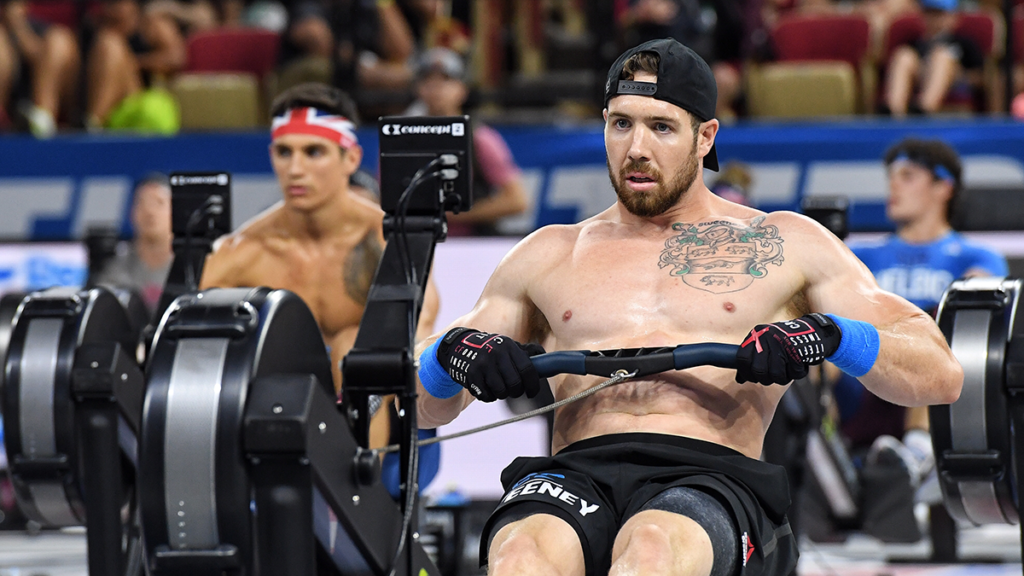
High intensity interval training, or HIIT, involves alternating short bursts of intense effort with periods of rest or low intensity activity. These workouts are typically short, ranging from 10 to 30 minutes, but highly demanding. A simple example includes sprinting for 30 seconds followed by 60 seconds of walking, repeated for several rounds.
Why HIIT Is Superior for Fat Loss
HIIT has been extensively studied and consistently shown to be highly effective for reducing body fat.
Greater Fat Loss in Less Time
Research comparing HIIT to steady state cardio shows similar or greater fat loss despite significantly shorter workout durations. This makes HIIT one of the most time efficient methods available.
Increased Afterburn Effect
HIIT significantly increases excess post exercise oxygen consumption. This means your body continues to burn calories at an elevated rate for hours after the workout. This extended calorie burn contributes to overall fat loss.
Improved Insulin Sensitivity
HIIT improves the body’s ability to regulate blood sugar, which plays a critical role in fat storage and metabolism. Better insulin sensitivity helps reduce fat accumulation and supports overall metabolic health.
Hormonal Benefits
High intensity exercise stimulates the release of hormones such as growth hormone and catecholamines, which promote fat breakdown.
Practical HIIT Guidelines
To get the most out of HIIT:
- Perform 2 to 4 sessions per week
- Keep workouts between 15 and 25 minutes
- Focus on maximal effort during work intervals
- Use exercises like sprints, rowing, cycling, or bodyweight circuits
Consistency and intensity are key. HIIT should feel challenging, not comfortable.
Better Choice 2: Strength Training
Why Lifting Weights Burns Fat
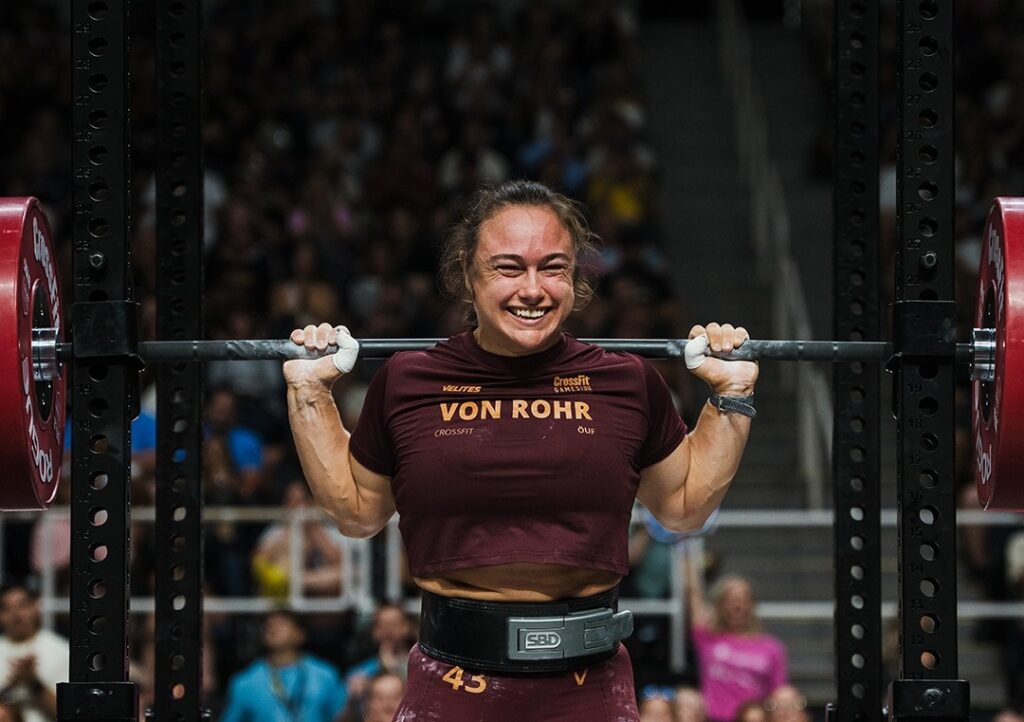
Strength training is often associated with building muscle, but it is also one of the most powerful tools for fat loss.
Increased Resting Metabolic Rate
Muscle tissue requires more energy to maintain than fat tissue. Increasing muscle mass raises your resting metabolic rate, meaning you burn more calories even when not exercising.
Improved Body Composition
Fat loss is not just about losing weight. It is about improving body composition. Strength training helps reduce fat while maintaining or increasing lean mass, leading to a more defined and athletic physique.
Long Term Fat Loss Benefits
Unlike cardio, which primarily burns calories during the activity, strength training creates long term metabolic adaptations. These changes support sustained fat loss over time.
Reduced Fat Gain Risk
Individuals with higher muscle mass are less likely to regain fat after weight loss. This makes strength training essential for maintaining results.
The Science Behind Strength Training and Fat Loss
Studies consistently show that resistance training leads to significant reductions in body fat percentage, even when total body weight does not change dramatically. This highlights the importance of focusing on composition rather than scale weight alone.
Practical Strength Training Guidelines
For effective fat loss:
- Train 3 to 5 times per week
- Focus on compound movements such as squats, deadlifts, presses, and rows
- Use moderate to heavy weights
- Aim for progressive overload by gradually increasing resistance or volume
A balanced program should include all major muscle groups and prioritize good technique.
Better Choice 3: Hybrid Training
What Is Hybrid Training?
Hybrid training combines elements of strength training and conditioning in a single program. This approach maximizes fat loss while improving overall fitness.
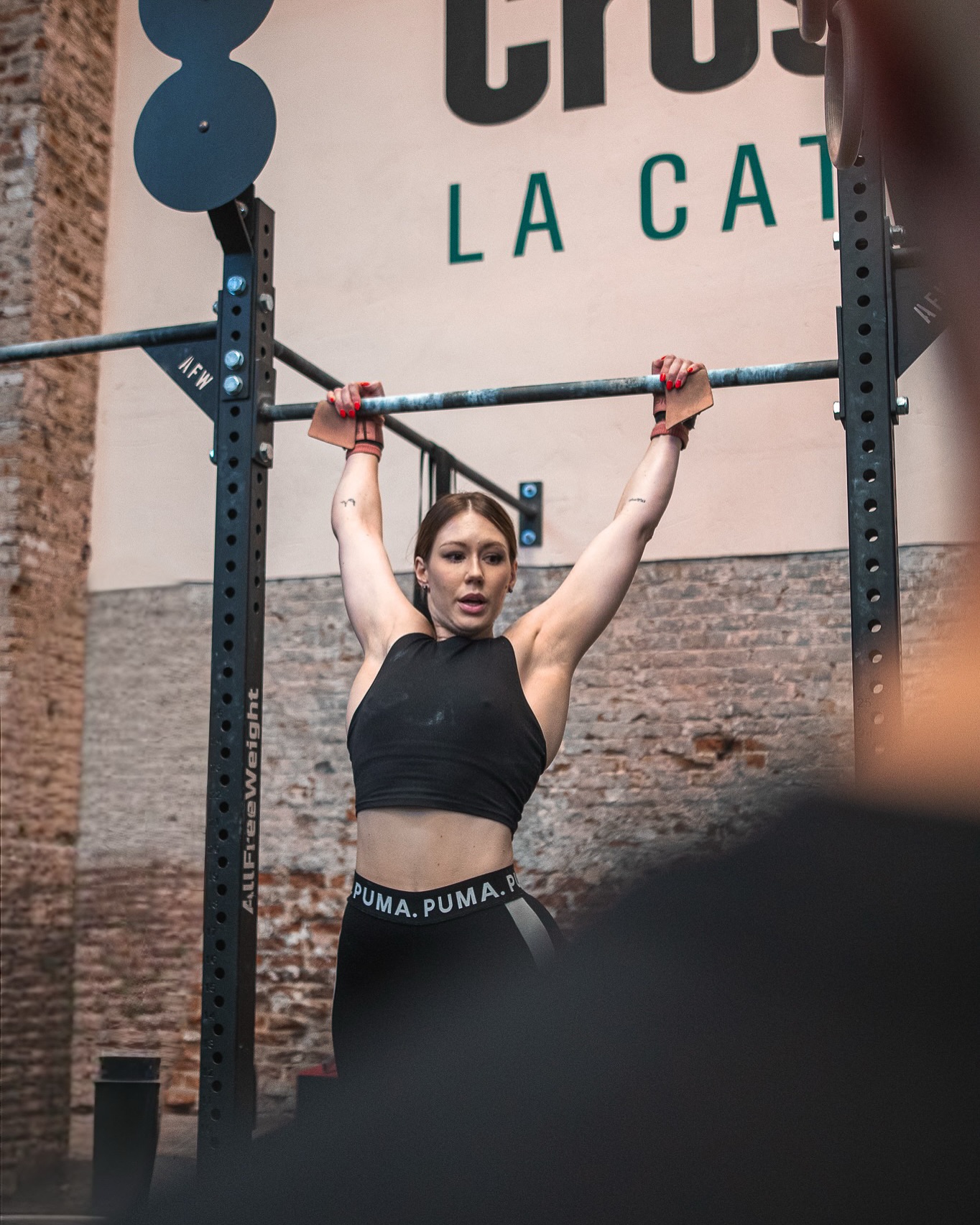
Examples include circuit training, CrossFit style workouts, and metabolic conditioning sessions.
Why Hybrid Training Works
High Calorie Burn
Hybrid workouts combine resistance exercises with minimal rest, creating a high energy demand. This leads to significant calorie expenditure both during and after the session.

Muscle Preservation
Because these workouts include resistance elements, they help preserve lean muscle mass while promoting fat loss.
Cardiovascular and Strength Benefits
Hybrid training improves both aerobic and anaerobic fitness, making it a well rounded approach.
Variety and Engagement
Variety reduces boredom and increases adherence. Enjoyment is a critical factor in long term success.
Scientific Support for Hybrid Training
Research on circuit based resistance training shows improvements in body composition, cardiovascular fitness, and metabolic health. These workouts are particularly effective for individuals who want both fat loss and improved athletic performance.
Practical Hybrid Training Guidelines
- Train 3 to 4 times per week
- Combine strength movements with short conditioning intervals
- Keep rest periods short
- Use full body workouts
A sample session might include squats, push ups, kettlebell swings, and rowing intervals performed in circuits.
Nutrition Still Matters
No training method can compensate for poor nutrition. Fat loss ultimately depends on maintaining a calorie deficit while providing the body with enough protein and nutrients.
Key Nutrition Principles
- Prioritize protein intake to support muscle maintenance
- Control total calorie intake
- Focus on whole foods
- Stay consistent
Research shows that combining proper nutrition with exercise leads to significantly better fat loss outcomes than exercise alone.

Recovery and Sleep
Fat loss is not just about training harder. Recovery plays a major role in hormonal balance and metabolic function.
The Role of Sleep
Poor sleep is linked to increased hunger, reduced fat loss, and higher fat gain. Adequate sleep supports hormone regulation and recovery.
Managing Stress
Chronic stress elevates cortisol levels, which can promote fat storage. Managing stress through lifestyle habits can improve fat loss results.
How to Combine These Methods
The most effective fat loss programs often include a combination of the three strategies discussed.
Sample Weekly Structure
- 2 HIIT sessions
- 3 strength training sessions
- 1 hybrid conditioning session
- 1 rest day
This balanced approach maximizes fat loss while supporting muscle retention and overall health.
Common Mistakes to Avoid
Doing Too Much Cardio
Replacing all cardio with better methods does not mean eliminating it entirely. Moderate cardio can still be useful, but it should not be the primary focus.
Ignoring Strength Training
Skipping resistance training limits fat loss potential and increases the risk of muscle loss.
Overtraining
More is not always better. Excessive training without recovery can hinder progress.
Poor Diet
Even the best training program cannot overcome a calorie surplus.
Final Thoughts
Long cardio sessions are not useless, but they are no longer the gold standard for fat loss. Modern research clearly shows that more efficient and effective methods exist. High intensity interval training, strength training, and hybrid workouts offer superior results in less time while improving overall fitness and body composition. When combined with proper nutrition and recovery, these strategies provide a powerful approach to fat loss.
If you want faster results, better performance, and a more sustainable routine, it is time to move beyond long cardio and embrace smarter training methods.
References
- Boutcher, S.H. (2011). High intensity intermittent exercise and fat loss. Journal of Obesity.
- Gibala, M.J., Little, J.P., Macdonald, M.J. and Hawley, J.A. (2012). Physiological adaptations to low volume high intensity interval training. The Journal of Physiology.
- Willis, L.H., Slentz, C.A., Bateman, L.A., Shields, A.T., Piner, L.W., Bales, C.W., Houmard, J.A. and Kraus, W.E. (2012). Effects of aerobic and resistance training on body mass and fat mass. Journal of Applied Physiology.
- Schoenfeld, B.J. (2012). Does exercise induced muscle damage play a role in skeletal muscle hypertrophy. Journal of Strength and Conditioning Research.
- Strasser, B. and Schobersberger, W. (2011). Evidence for resistance training as a treatment therapy in obesity. Journal of Obesity.
- Paoli, A., Pacelli, Q.F., Moro, T., Marcolin, G., Neri, M., Battaglia, G., Sergi, G., Bolzetta, F. and Bianco, A. (2013). Effects of high intensity circuit training on body composition. Journal of Translational Medicine.