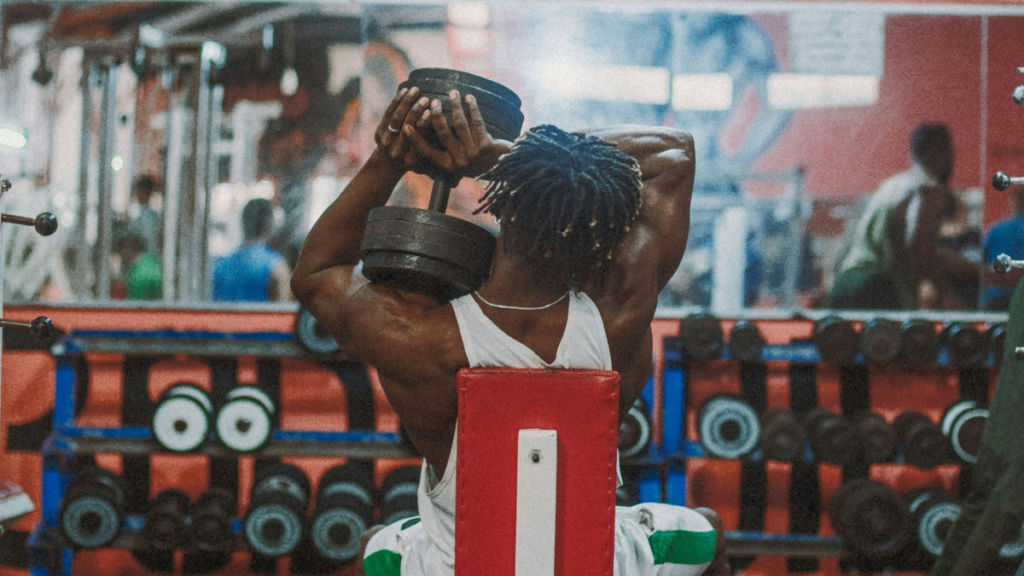
Building bigger arms after 40 is absolutely possible. In many cases, men and women in their 40s, 50s, and beyond can still gain impressive muscle size if they train and recover intelligently. The challenge is that the body changes with age. Recovery slows down, hormones shift, joints become less forgiving, and muscle protein synthesis becomes less responsive.
That does not mean your best arm gains are behind you. It means the strategy has to evolve.


The fastest way to grow bigger arms after 40 is not about endless curls, random workouts, or trying to train like a 22 year old bodybuilder. It comes down to combining evidence based resistance training, proper recovery, intelligent exercise selection, and nutrition that supports muscle growth while protecting joint health.
Why Growing Bigger Arms Gets Harder After 40
One of the biggest reasons muscle growth slows with age is a process called anabolic resistance. This means older muscles become less sensitive to the muscle building effects of protein intake and resistance training.
Research shows adults begin losing muscle mass and strength gradually from around the fourth decade of life. This process, known as sarcopenia, accelerates if resistance training and protein intake are inadequate.
Hormonal changes also matter. Testosterone, growth hormone, and insulin like growth factor 1 all tend to decline with age. Sleep quality often worsens too, reducing recovery capacity. Joint wear and tendon stiffness can make traditional high volume bodybuilding routines difficult to tolerate. Elbows and shoulders often become limiting factors during heavy arm training.

The good news is that muscle tissue still responds strongly to resistance training at older ages. Studies consistently show adults over 40, 50, and even 70 can gain significant muscle mass and strength with the right program.
The key is efficiency and consistency.
The Biggest Mistake People Over 40 Make
Many lifters over 40 either train too hard or not hard enough. Some try to copy extreme routines from younger athletes. They use excessive volume, poor exercise selection, and insufficient recovery. The result is joint pain, fatigue, and stalled progress.
Others become too cautious. They lift light weights without enough effort and never provide the stimulus required for muscle growth. The sweet spot lies in training hard enough to stimulate hypertrophy while managing fatigue intelligently. Research consistently shows that muscle growth depends primarily on:
• Mechanical tension
• Sufficient training volume
• Progressive overload
• Adequate recovery
• Proper nutrition
Age changes recovery demands, but the fundamental principles of hypertrophy remain the same.
The Science of Arm Growth
Before building a program, it helps to understand what actually makes arms grow. The biceps and triceps respond best to resistance training that creates high muscular tension through a full range of motion.
The triceps make up roughly two thirds of upper arm size, meaning triceps training is critical for bigger arms. Many people focus too heavily on curls and neglect the larger muscle group.
To maximize growth after 40, training should emphasize:
• Moderate to heavy loads
• Controlled repetitions
• Full range of motion
• Sufficient weekly volume
• Recovery management
Research suggests that training a muscle group at least twice weekly generally produces better hypertrophy outcomes than once weekly training.
For adults over 40, frequency can be especially useful because it allows volume to be distributed across sessions rather than crammed into one brutal workout.
The Fastest Training Strategy for Bigger Arms After 40
Prioritize Compound Movements
Isolation exercises are useful, but compound lifts should remain foundational. Heavy pulling and pressing exercises create large amounts of mechanical tension and stimulate overall arm growth. Best compound exercises for arm size include:
• Chin ups
• Close grip bench press
• Rows
• Dips
• Push ups
• Overhead presses
Chin ups are particularly effective because they heavily recruit the biceps while also training the back. Close grip bench presses and dips load the triceps with substantial resistance and allow progressive overload over time. Research consistently shows multi joint exercises support hypertrophy effectively because they allow higher loading potential.
Use Isolation Work Strategically
Isolation work becomes increasingly important after 40 because it allows targeted stimulation with lower systemic fatigue. The best arm isolation exercises include:
Best Biceps Exercises
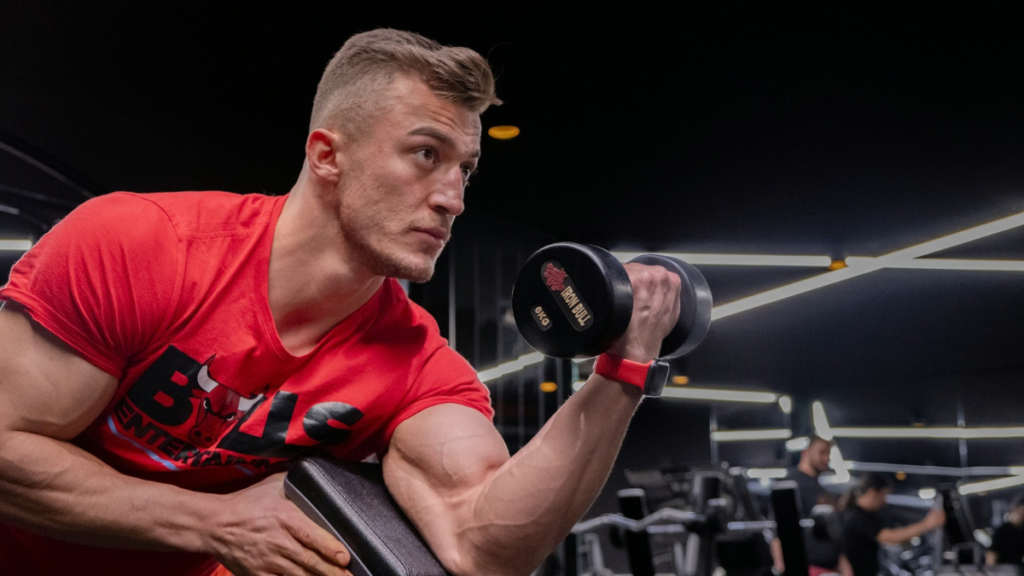
• Incline dumbbell curls
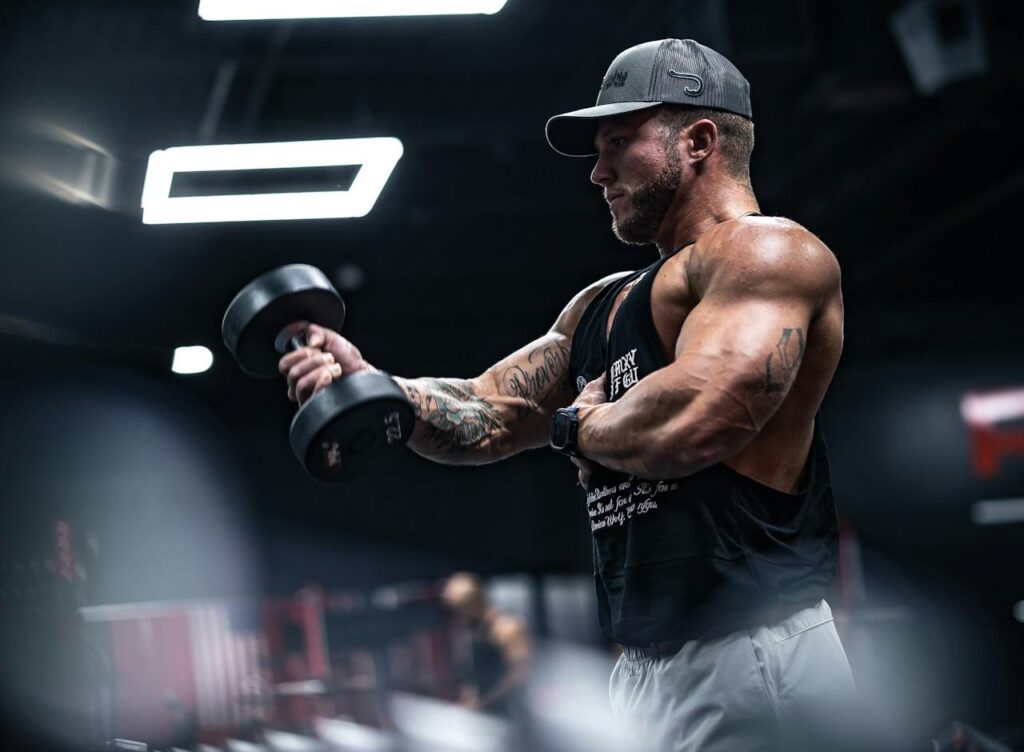
• Hammer curls
• Cable curls
• Preacher curls
• Bayesian curls
Best Triceps Exercises
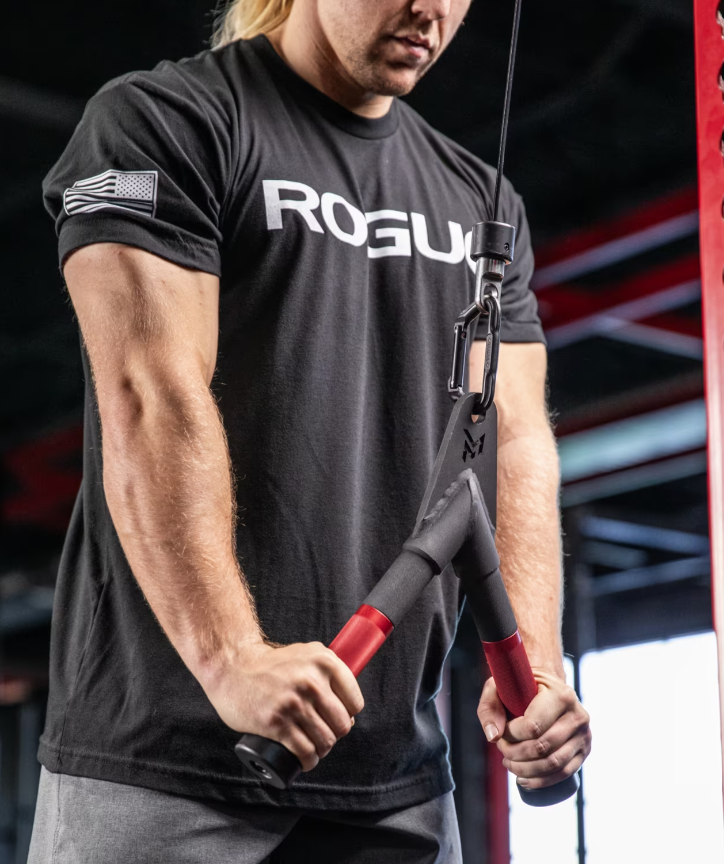
• Cable pushdowns
• Overhead triceps extensions
• Skull crushers with dumbbells
• Single arm cable extensions
• Rope pushdowns
Cable exercises are especially joint friendly because they provide smoother resistance curves and consistent tension. Many older lifters tolerate cables better than barbells.
The Ideal Weekly Volume for Bigger Arms After 40
One of the most important findings in hypertrophy research is the relationship between training volume and muscle growth. Generally, more hard sets produce greater hypertrophy up to an individual recovery limit. For most people over 40, the optimal weekly arm training volume is approximately:
• 10 to 20 hard sets for biceps
• 10 to 20 hard sets for triceps
This includes indirect work from compound exercises. Trying to exceed this dramatically often backfires due to recovery limitations. A smart starting point is:
• 12 weekly sets for biceps
• 12 weekly sets for triceps
Then gradually increase only if recovery remains good.
Why Recovery Matters More After 40
Recovery is where growth actually happens. After 40, connective tissue recovery slows significantly. Tendons adapt more slowly than muscles, which increases injury risk if progression is too aggressive. Key recovery priorities include:
Sleep
Sleep is one of the strongest predictors of muscle recovery and hormonal health. Research shows sleep restriction reduces muscle protein synthesis and impairs recovery.
Aim for:
• 7 to 9 hours nightly
• Consistent sleep schedule
• Dark, cool sleep environment

Rest Days
Most adults over 40 benefit from at least two weekly recovery days. That does not mean inactivity. Walking, mobility work, and light cardio can improve recovery.
Deload Weeks
Every 4 to 8 weeks, reducing training volume temporarily can help manage accumulated fatigue. A deload week may involve:
• Cutting volume by 40 to 50 percent
• Training with lighter weights
• Avoiding failure training
This often improves long term progress and joint health.
The Best Rep Ranges for Arm Growth
One of the biggest myths in bodybuilding is that muscle growth only happens in a narrow rep range. Research shows hypertrophy can occur across a wide spectrum of repetitions if sets are taken close enough to failure. For adults over 40, moderate rep ranges tend to work best because they balance tension with joint friendliness.
Ideal ranges include:
• Compound lifts: 5 to 10 reps
• Isolation lifts: 10 to 15 reps
• Joint sensitive exercises: 12 to 20 reps
Higher reps can reduce joint stress while still stimulating hypertrophy effectively.
Should You Train to Failure After 40?
Training to muscular failure means performing repetitions until another rep cannot be completed. Failure training can stimulate hypertrophy, but excessive use increases fatigue and recovery demands. For lifters over 40, a smarter approach is usually stopping 1 to 2 reps short of failure on most sets. This provides strong stimulus while reducing recovery costs.
Failure training may still be useful occasionally on:
• Cable exercises
• Machine exercises
• Low injury risk isolation work
But repeatedly grinding heavy barbell lifts to failure is rarely worth the risk.
The Best Supplements for Bigger Arms After 40
Supplements are not magic, but some are strongly supported by evidence.
Creatine Monohydrate
Creatine is one of the most researched sports supplements ever studied.
Benefits include:
• Increased strength
• Improved training performance
• Enhanced lean mass gains
• Better recovery
Standard dosing is:
• 3 to 5 grams daily
Whey Protein
Whey protein is convenient and rich in leucine, which strongly stimulates muscle protein synthesis. It can help older adults reach protein targets more consistently.
Vitamin D
Vitamin D deficiency is common in older adults and may negatively affect muscle function. Supplementation may be beneficial if blood levels are low.
Omega 3 Fatty Acids
Omega 3s may support recovery, muscle health, and inflammation management.
The Best Arm Training Split After 40
A highly effective weekly structure for arm growth could look like this:
Day 1: Upper Body Strength
• Chin ups
• Close grip bench press
• Barbell rows
• Incline dumbbell curls
• Rope pushdowns
Day 2: Lower Body
• Squats
• Romanian deadlifts
• Calf raises
• Core work
Day 3: Rest or Active Recovery
Day 4: Upper Body Hypertrophy
• Lat pulldowns
• Dumbbell presses
• Cable rows
• Hammer curls
• Overhead triceps extensions
Day 5: Arm Specialization
• Preacher curls
• Cable curls
• Skull crushers
• Rope pushdowns
• Reverse curls
Day 6: Conditioning or Mobility
Day 7: Rest
This structure balances frequency, recovery, and volume effectively for many adults over 40.
Why Joint Friendly Training Is Essential
Joint pain is one of the biggest obstacles to consistent arm growth after 40. Smart exercise selection can dramatically reduce stress.
Use Neutral Grips
Hammer curls and neutral grip pressing often feel better on elbows and shoulders.
Favor Dumbbells and Cables
These allow more natural movement patterns than fixed barbells.
Warm Up Properly
Effective warm ups should include:
• Light cardio
• Mobility work
• Gradual loading progression
Control Eccentrics
Lowering weights under control reduces injury risk and increases muscle tension.
The Role of Hormones After 40
Many people assume declining testosterone completely prevents muscle growth. This is false.
While hormones matter, resistance training still produces substantial hypertrophy in middle aged and older adults. Lifestyle factors often have a larger practical impact than hormonal decline alone. Improving these areas can significantly support muscle building:
• Sleep quality
• Stress management
• Body composition
• Nutrition
• Alcohol moderation
• Consistent exercise
Excessive alcohol intake is particularly harmful because it impairs muscle protein synthesis and recovery.
How Long Does It Take to Notice Bigger Arms?
Visible arm growth takes time, but consistent training can produce noticeable improvements surprisingly quickly. Most people can expect:
• Strength gains within 2 to 4 weeks
• Visible muscle changes within 8 to 12 weeks
• Significant arm growth within 6 to 12 months
Consistency matters far more than perfection. The people who build impressive arms after 40 are usually the ones who train intelligently for years rather than aggressively for weeks.
Common Mistakes That Kill Arm Growth After 40
Too Much Volume
Excessive training often leads to chronic soreness, joint pain, and stalled progress.
Ignoring Recovery
More training is not always better. Recovery capacity matters enormously after 40.
Poor Exercise Technique
Cheating curls with momentum reduces tension on target muscles and increases injury risk.
Inconsistent Nutrition
Muscle growth requires long term nutritional consistency.
Program Hopping
Constantly changing exercises and routines prevents progressive overload.
The Importance of Progressive Overload
Muscles grow when they are challenged progressively over time. Progressive overload can include:
• More weight
• More repetitions
• Better technique
• Greater range of motion
• Additional sets
Small consistent improvements produce major long term results. Trying to progress too aggressively often leads to injury.
Should You Use Blood Flow Restriction Training?
Blood flow restriction training involves using lighter weights while partially restricting blood flow. Research suggests it may help older adults gain muscle with lower joint stress. This approach can be useful during:
• Injury recovery
• Deload phases
• Joint flare ups
However, it should be used carefully and preferably under professional guidance.
Cardio and Arm Growth
Many people fear cardio will kill muscle gains. Moderate cardio actually supports recovery and cardiovascular health. The key is balance. Good options include:
• Walking
• Cycling
• Rowing
• Incline treadmill work
Excessive endurance training can interfere with hypertrophy if recovery and calories are inadequate.
Why Consistency Beats Intensity
One brutal workout does not build impressive arms. Years of intelligent consistency do. After 40, the best training mindset is sustainability. The ideal program is one that:
• Challenges muscles effectively
• Protects joints
• Fits your schedule
• Supports recovery
• Can be maintained long term
This is the true secret behind impressive physiques in middle age and beyond.
Sample Arm Workout for Adults Over 40
Here is a highly effective science based arm session:
Warm Up
• 5 minutes light cardio
• Band pull aparts
• Light pushdowns
• Light curls
Main Workout
Close Grip Bench Press
3 sets x 6 to 8 reps
Chin Ups
3 sets x 6 to 10 reps
Incline Dumbbell Curls
3 sets x 10 to 12 reps
Rope Pushdowns
3 sets x 10 to 15 reps
Hammer Curls
2 sets x 12 to 15 reps
Overhead Cable Extensions
2 sets x 12 to 15 reps
Cool Down
• Light stretching
• Forearm mobility work
This session provides substantial stimulus without excessive fatigue.
Final Thoughts
The fastest way to grow bigger arms after 40 is not complicated, but it does require discipline and smart planning. You do not need extreme workouts, endless supplements, or marathon training sessions.
You need:
• Progressive resistance training
• Sufficient weekly volume
• Intelligent recovery
• High protein nutrition
• Joint friendly exercise selection
• Consistency over time
Adults over 40 can absolutely build muscular, impressive arms. In many cases, they can achieve better results than they ever did in their younger years because they train with greater patience, intelligence, and consistency. The science is clear. Muscles remain highly adaptable throughout life. Train hard, recover well, eat intelligently, and stay consistent. Bigger arms after 40 are entirely achievable.
Key Takeaways
| Factor | Best Strategy After 40 |
|---|---|
| Training Frequency | Train arms 2 to 3 times weekly |
| Weekly Volume | 10 to 20 hard sets per muscle group |
| Best Rep Range | Mostly 6 to 15 reps |
| Recovery | Prioritize sleep and rest days |
| Protein Intake | 1.6 to 2.2 g/kg bodyweight daily |
| Best Exercises | Chin ups, close grip bench, curls, pushdowns |
| Joint Health | Use cables, dumbbells, controlled tempo |
| Progressive Overload | Increase reps or weight gradually |
| Supplements | Creatine, whey protein, omega 3s |
| Long Term Success | Consistency beats extreme intensity |
Bibliography
• Bickel, C.S., Cross, J.M. and Bamman, M.M. (2011) ‘Exercise dosing to retain resistance training adaptations in young and older adults’, Medicine and Science in Sports and Exercise, 43(7), pp. 1177 to 1187.
• Bird, S.P., Tarpenning, K.M. and Marino, F.E. (2005) ‘Designing resistance training programmes to enhance muscular fitness’, Sports Medicine, 35(10), pp. 841 to 851.
• Burd, N.A., Andrews, R.J., West, D.W.D., Little, J.P., Cochran, A.J.R., Hector, A.J., Cashaback, J.G.A., Gibala, M.J., Potvin, J.R., Baker, S.K. and Phillips, S.M. (2012) ‘Muscle time under tension during resistance exercise stimulates differential muscle protein sub fraction synthesis in men’, Journal of Physiology, 590(2), pp. 351 to 362.
• Candow, D.G. and Chilibeck, P.D. (2008) ‘Differences in size, strength, and power of upper and lower body muscle groups in young and older men’, Journals of Gerontology Series A, 63(3), pp. 337 to 343.
• Churchward Venne, T.A., Breen, L., Di Donato, D.M., Hector, A.J., Mitchell, C.J., Moore, D.R., Stellingwerff, T., Breuille, D., Offord, E.A., Baker, S.K. and Phillips, S.M. (2014) ‘Leucine supplementation of a low protein mixed macronutrient beverage enhances myofibrillar protein synthesis in young men’, Journal of Nutrition, 144(6), pp. 876 to 882.
• Csapo, R. and Alegre, L.M. (2016) ‘Effects of resistance training with moderate versus heavy loads on muscle mass and strength in the elderly’, Scandinavian Journal of Medicine and Science in Sports, 26(9), pp. 995 to 1006.