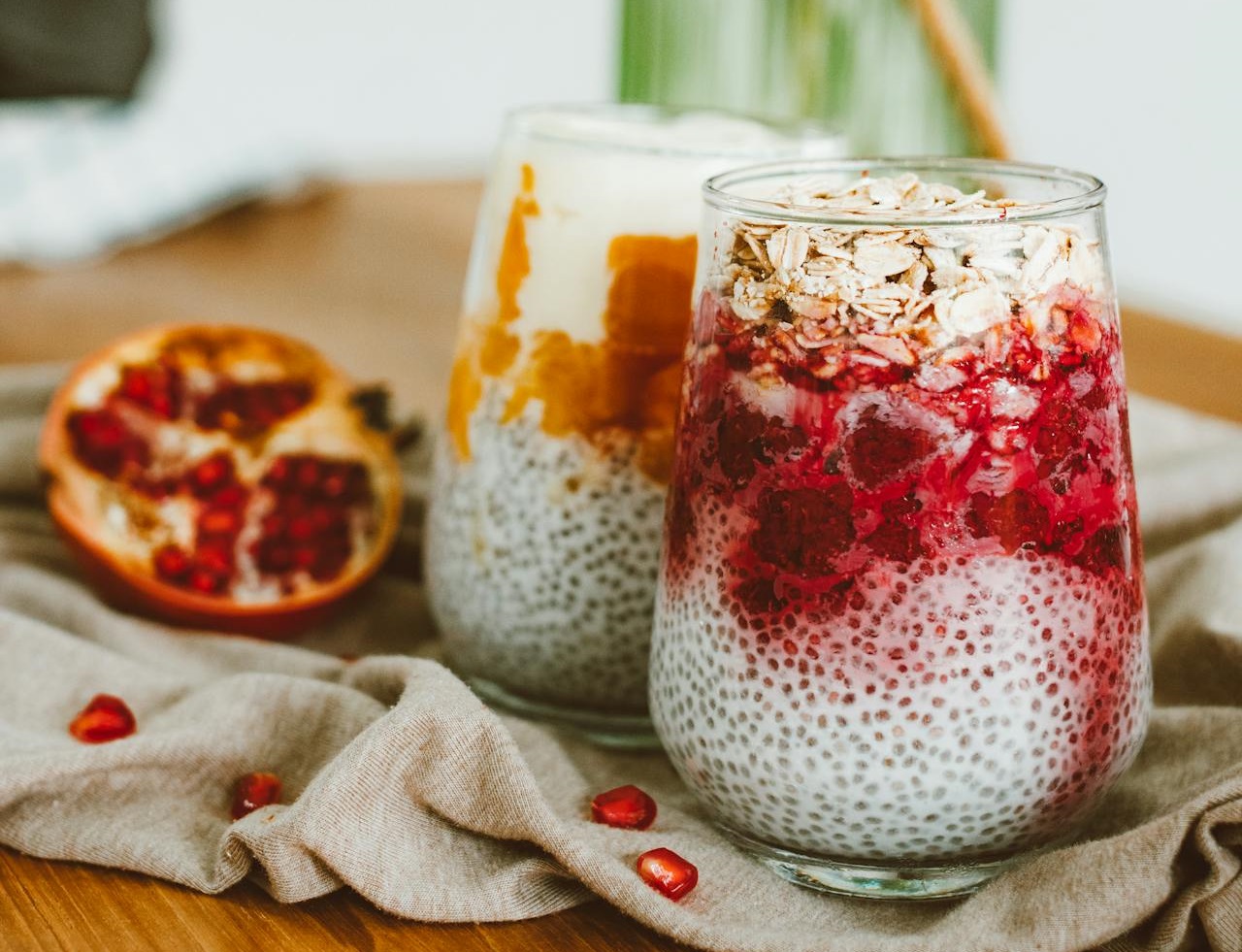


Visceral fat is one of the most dangerous forms of body fat. Unlike the fat that sits just under the skin, visceral fat surrounds internal organs deep inside the abdominal cavity. High levels are strongly linked with heart disease, type 2 diabetes, fatty liver disease, insulin resistance, inflammation, and even cognitive decline.
The problem is that you do not need to look overweight to carry dangerous amounts of visceral fat. Many people with a normal body weight still have excessive abdominal fat around their organs. This is why nutrition matters so much. The foods you eat every day can either encourage fat storage and inflammation or help regulate appetite, blood sugar, metabolism, and fat oxidation.



Research consistently shows that dietary quality has a major influence on visceral fat accumulation. Highly processed foods rich in refined carbohydrates, trans fats, and excess calories increase abdominal fat storage. In contrast, whole foods rich in protein, fiber, healthy fats, antioxidants, and micronutrients can help reduce the risk.
The good news is that you do not need complicated detoxes or extreme diets. Some of the most powerful foods for fighting visceral fat are simple staples that can easily fit into a healthy lifestyle.
Here are 10 science backed foods that can help you avoid visceral fat and improve overall health.
Why Visceral Fat Is So Harmful
Before diving into the foods, it helps to understand why visceral fat deserves attention.
Visceral fat is metabolically active tissue. It releases inflammatory compounds and hormones that interfere with insulin sensitivity and cardiovascular health. Excess visceral fat is associated with:
• Higher blood pressure
• Elevated triglycerides
• Increased insulin resistance
• Greater risk of type 2 diabetes
• Chronic low grade inflammation
• Increased risk of cardiovascular disease
• Higher risk of certain cancers
Visceral fat also appears closely linked to poor lifestyle habits such as physical inactivity, sleep deprivation, chronic stress, and excessive intake of ultra processed foods.
Nutrition alone is not the full solution, but it is one of the most powerful tools available.
1. Eggs
Eggs are among the most nutrient dense foods available. They are packed with high quality protein, healthy fats, vitamins, minerals, and compounds that support metabolic health.
One reason eggs may help reduce visceral fat risk is their effect on satiety. Protein rich meals increase feelings of fullness and reduce hunger later in the day. This can naturally lower calorie intake without deliberate restriction. Eggs are especially rich in leucine, an amino acid that plays a major role in muscle protein synthesis. Maintaining lean muscle mass is important because muscle tissue increases energy expenditure and improves insulin sensitivity.
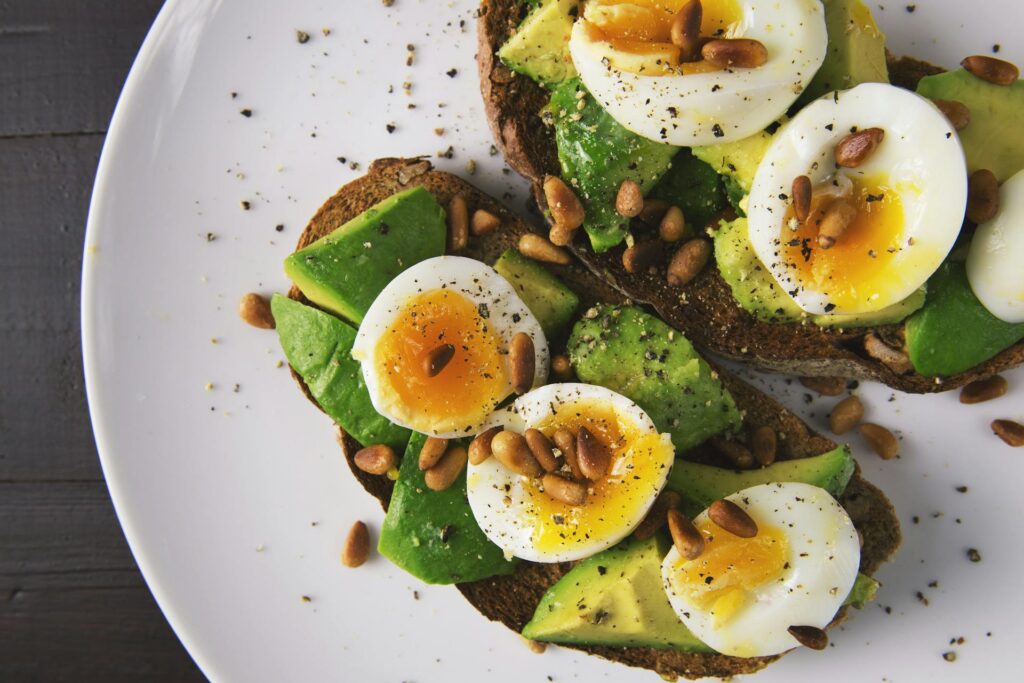
The yolk also contains choline, a nutrient linked with liver health and fat metabolism. Choline deficiency has been associated with fatty liver disease and metabolic dysfunction.
Research suggests that diets higher in protein may help reduce abdominal fat while preserving muscle mass during weight loss. Eggs are an affordable and practical way to increase protein intake.
Best Ways to Eat Eggs
• Boiled or poached for a high protein breakfast
• Omelets with vegetables and herbs
• Scrambled with spinach and mushrooms
• Combined with oats or whole grain toast for balanced meals
Avoid pairing eggs with heavily processed breakfast meats and refined pastries if your goal is reducing visceral fat.
2. Salmon
Fatty fish such as salmon are rich in omega 3 fatty acids, which have powerful anti inflammatory effects. Chronic inflammation plays a major role in visceral fat accumulation and metabolic disease. Omega 3 fats appear to improve insulin sensitivity, reduce inflammatory markers, and support healthy lipid levels.
Salmon is also an excellent source of protein. High protein foods help preserve muscle tissue and improve satiety, making overeating less likely. Several studies suggest that people who consume more fish tend to have lower levels of visceral fat and better metabolic health profiles.
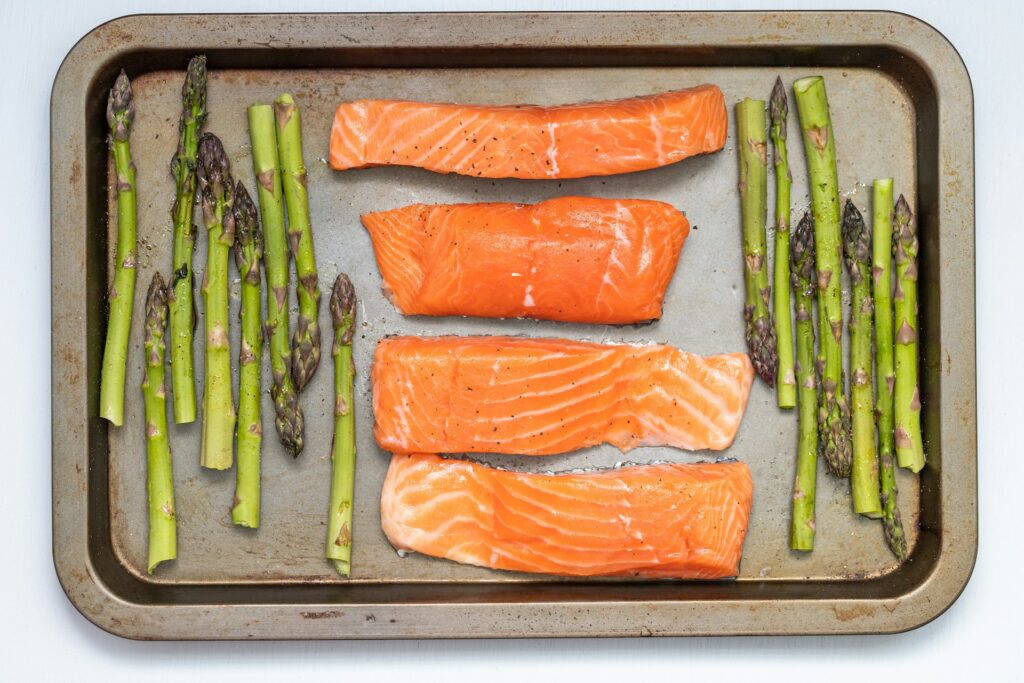
Wild salmon also provides vitamin D, selenium, and astaxanthin, a potent antioxidant that may support cardiovascular health.
Why Omega 3s Matter
Omega 3 fatty acids may help:
• Reduce inflammation
• Improve insulin sensitivity
• Support heart health
• Lower triglyceride levels
• Improve fat metabolism
Many Western diets contain excessive omega 6 fats and too few omega 3s. Adding salmon regularly can help restore balance.
Practical Tips
Aim for two to three servings of fatty fish per week. Grilling, baking, or air frying are healthier choices than deep frying.
3. Greek Yogurt
Greek yogurt is one of the best dairy foods for metabolic health because it combines high protein content with beneficial probiotics.
Protein helps regulate appetite and supports muscle maintenance. Greek yogurt typically contains significantly more protein than regular yogurt, making it more filling.

The probiotic bacteria found in fermented dairy may also influence body composition by improving gut microbiome diversity. A healthier gut microbiome has been linked with lower inflammation and better weight regulation.
Another advantage is calcium. Research suggests that calcium rich diets may help regulate fat metabolism and reduce fat accumulation. The key is choosing plain Greek yogurt without added sugars. Many flavored yogurts contain large amounts of sugar that can contribute to excess calorie intake.
Healthy Additions
Try pairing Greek yogurt with:
• Berries
• Chia seeds
• Walnuts
• Cinnamon
• Oats
This combination adds fiber, antioxidants, and healthy fats that further support metabolic health.
4. Berries
Berries are among the most powerful fruits for controlling inflammation and supporting healthy body composition. Blueberries, strawberries, raspberries, and blackberries are rich in polyphenols and antioxidants that help combat oxidative stress.
They are also naturally low in calories and high in fiber, which improves satiety and blood sugar control. Research suggests that anthocyanins, the pigments responsible for the deep colors in berries, may help reduce fat accumulation and improve insulin sensitivity.
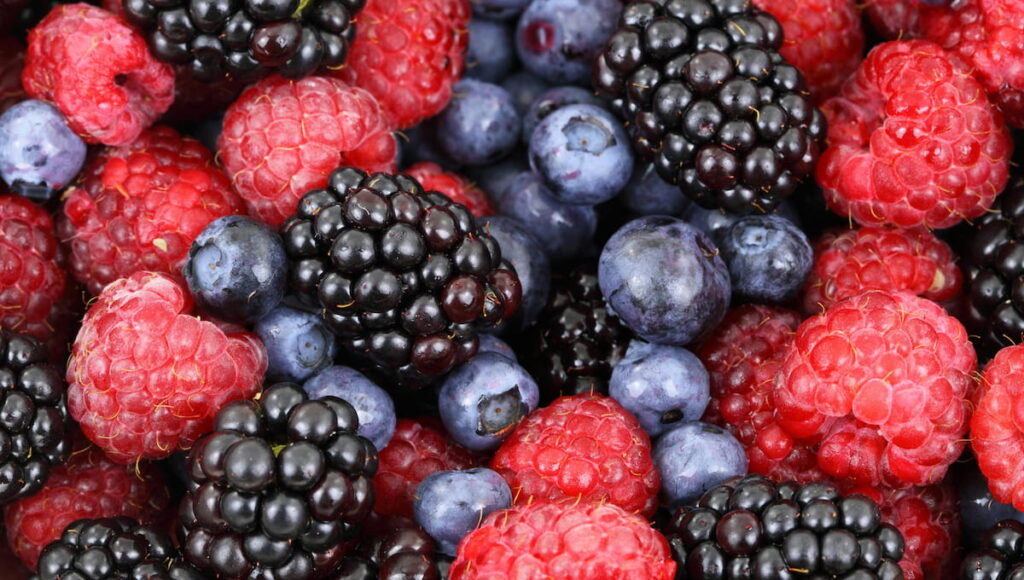
Unlike many processed snacks and desserts, berries satisfy sweet cravings while providing nutrients rather than empty calories.
Benefits of Berries
• High in fiber
• Rich in antioxidants
• Low in energy density
• Support blood sugar control
• May reduce inflammation
Frozen berries are just as nutritious as fresh ones and often more affordable.
5. Oats
Oats are one of the best carbohydrate sources for controlling hunger and improving metabolic health. Their main advantage comes from soluble fiber, especially beta glucan. This fiber slows digestion, stabilizes blood sugar, and increases fullness.
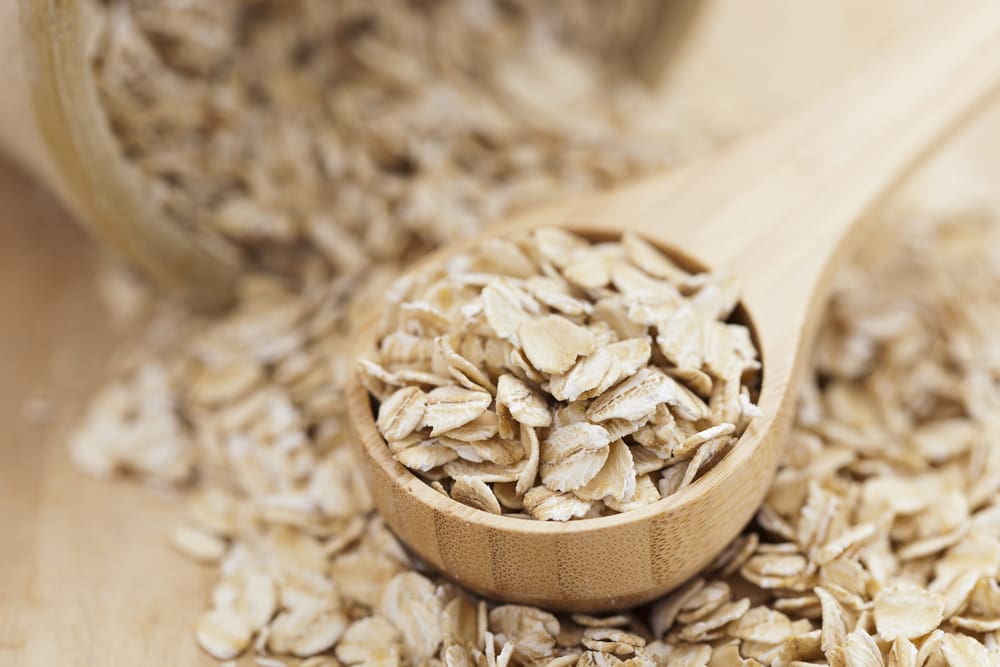
Stable blood sugar levels are important for preventing excess fat storage. Frequent spikes and crashes in glucose and insulin can encourage overeating and abdominal fat accumulation. Oats also support gut health by feeding beneficial bacteria in the digestive system.
People who regularly consume whole grains generally have lower body fat percentages and reduced waist circumference compared with those who eat refined grains.
Best Oat Choices
Choose minimally processed options such as:
• Steel cut oats
• Rolled oats
• Unsweetened oatmeal
Avoid heavily sweetened instant oatmeal products loaded with added sugar.
Smart Toppings
Adding protein and healthy fats can make oatmeal even more effective for appetite control. Good options include:
• Greek yogurt
• Nuts
• Seeds
• Nut butter
• Protein powder
• Berries
6. Avocados
Avocados are rich in monounsaturated fats, fiber, potassium, and antioxidants. Despite being calorie dense, research consistently shows that people who regularly consume avocados tend to have healthier body weights and smaller waist circumferences.
The combination of healthy fats and fiber helps increase satiety and reduce cravings. This can lower overall calorie intake across the day. Monounsaturated fats may also help improve insulin sensitivity and reduce inflammation, both of which are important for controlling visceral fat.
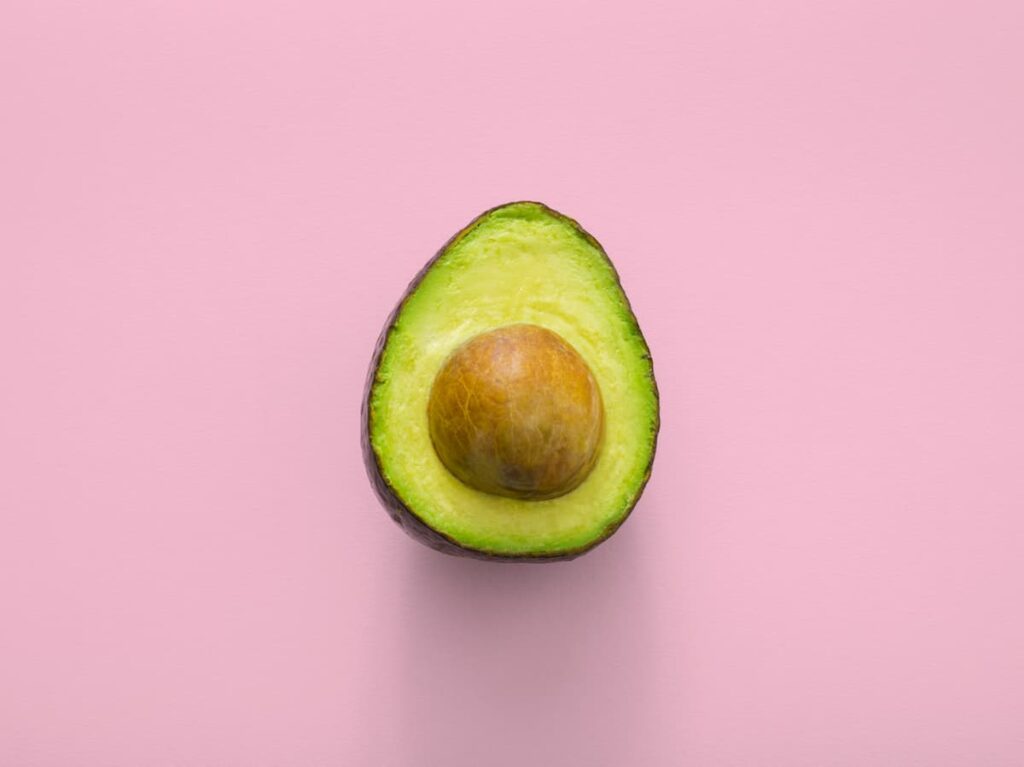
Potassium is another key benefit because many people consume too much sodium and too little potassium. A better potassium to sodium balance supports blood pressure regulation and cardiovascular health.
Easy Ways to Use Avocado
• Added to salads
• Mashed on whole grain toast
• Mixed into smoothies
• Added to eggs or grain bowls
Portion control still matters because avocados are energy dense, but moderate intake fits well within a healthy diet.
7. Beans and Lentils
Legumes are one of the most underrated foods for body composition and long term health. Beans and lentils are rich in fiber, plant protein, magnesium, potassium, and slow digesting carbohydrates.
High fiber intake is strongly associated with lower visceral fat levels. Fiber slows digestion, improves satiety, and helps regulate blood sugar. Legumes also have a low glycemic index, meaning they produce a slower and more stable rise in blood sugar compared with refined carbohydrates.
Research shows that diets rich in legumes may support weight management and reduce waist circumference.
Why Fiber Matters
Fiber can help:
• Increase fullness
• Reduce calorie intake
• Improve gut microbiome health
• Stabilize blood sugar
• Support healthy cholesterol levels
Most people consume far less fiber than recommended. Beans and lentils are one of the easiest ways to increase intake.
Simple Meal Ideas
• Lentil soup
• Black bean chili
• Chickpea salads
• Bean based stews
• Lentil curries
8. Green Tea
Green tea is not a miracle fat burner, but evidence suggests it may support fat oxidation and metabolic health when combined with a healthy lifestyle.
Green tea contains catechins, especially epigallocatechin gallate, commonly known as EGCG. These compounds appear to increase fat oxidation and improve metabolic function. Some studies have shown modest reductions in abdominal fat among people consuming green tea regularly.
Green tea also contains caffeine, which may slightly increase energy expenditure and exercise performance.

Another advantage is that replacing sugary beverages with green tea can significantly reduce overall calorie intake.
Tips for Drinking Green Tea
• Choose unsweetened varieties
• Drink one to three cups daily
• Avoid excessive sugar or syrups
• Pair with exercise and healthy eating habits
The benefits are likely modest, but small daily habits can add up over time.
9. Leafy Greens
Leafy greens such as spinach, kale, Swiss chard, and arugula are some of the most nutrient dense foods on the planet. They are extremely low in calories while providing fiber, vitamins, minerals, and antioxidants.
Foods with low energy density help people feel full while consuming fewer calories. This is one reason vegetables are strongly associated with healthier body composition. Leafy greens are also rich in magnesium, which plays a role in glucose regulation and insulin sensitivity.
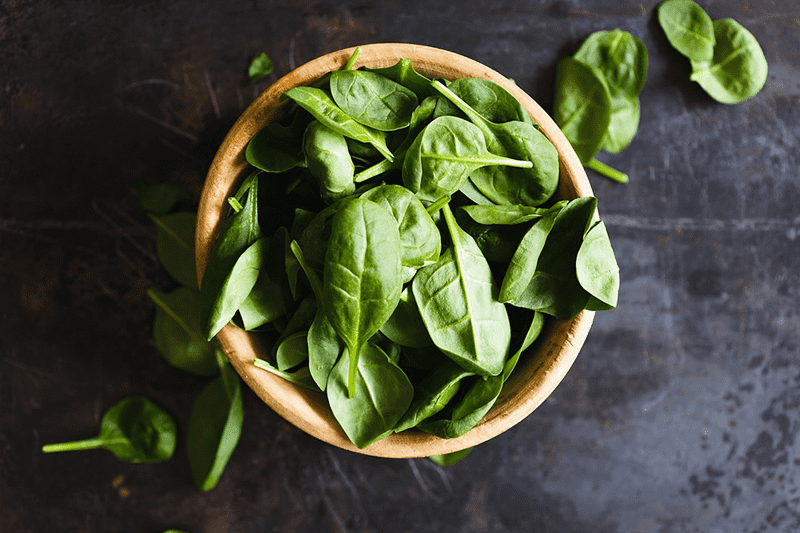
Many people with obesity and metabolic disease have diets low in magnesium rich foods.
Why Vegetables Matter
High vegetable intake is associated with:
• Lower calorie intake
• Better appetite control
• Reduced inflammation
• Improved gut health
• Better blood sugar regulation
Leafy greens are versatile and easy to include in meals.
Simple Strategies
• Add spinach to omelets
• Use kale in soups
• Build salads around mixed greens
• Blend greens into smoothies
• Add arugula to sandwiches and bowls
10. Nuts
Nuts are rich in healthy fats, protein, fiber, magnesium, and antioxidants.
Although nuts are calorie dense, research consistently shows that moderate nut consumption does not promote weight gain in most people. In fact, nut eaters often have lower body weights and better metabolic health. The combination of protein, fiber, and healthy fats helps regulate appetite and reduce overeating.
Some research suggests that nuts may increase satiety so effectively that people naturally compensate by eating fewer calories later.
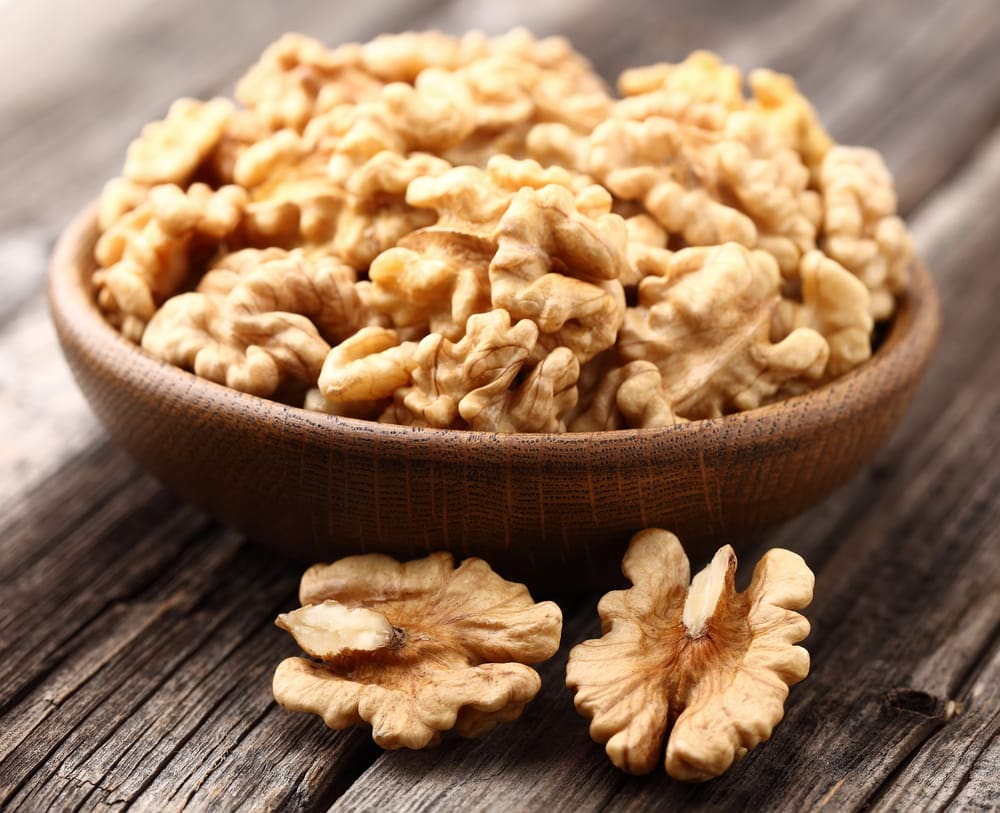
Walnuts, almonds, pistachios, and hazelnuts are especially well studied.
Key Benefits of Nuts
• Support satiety
• Provide healthy fats
• Improve cholesterol levels
• Support heart health
• May reduce abdominal fat risk
Portion Awareness
Nuts are healthy, but portions matter. A small handful is usually enough for a satisfying snack. Avoid heavily salted or sugar coated varieties whenever possible.
Foods That Promote Visceral Fat Gain
Knowing what to limit is just as important as knowing what to eat. Certain foods are strongly associated with increased visceral fat accumulation.
Sugary Drinks
Sugar sweetened beverages are one of the biggest dietary contributors to abdominal fat gain. Liquid calories are easy to overconsume and provide little satiety.
Ultra Processed Foods
Highly processed foods are often rich in refined carbohydrates, unhealthy fats, sodium, and additives while being low in fiber and protein.
These foods are designed to be hyper palatable, which can drive overeating.
Refined Carbohydrates
White bread, pastries, candy, and sugary cereals can cause rapid spikes in blood sugar and insulin. Frequent high insulin levels may encourage fat storage over time.
Excess Alcohol
Heavy alcohol intake is strongly linked with increased abdominal fat accumulation and fatty liver disease. Moderation is essential.
Lifestyle Habits That Help Reduce Visceral Fat
No single food can eliminate visceral fat on its own. Long term success depends on overall lifestyle patterns.
Strength Training
Resistance training helps preserve and build lean muscle mass, which improves metabolic health and energy expenditure.
Regular Cardio
Walking, cycling, running, swimming, and interval training can help reduce visceral fat levels.
Sleep Quality
Poor sleep is associated with increased hunger hormones, cravings, and abdominal fat accumulation. Aim for seven to nine hours of quality sleep each night.
Stress Management
Chronic stress raises cortisol levels, which may contribute to abdominal fat storage. Meditation, exercise, outdoor activity, and social connection can all help manage stress.
Consistency Over Perfection
The best diet is one you can maintain long term. Sustainable habits matter more than short bursts of extreme dieting.
The Bottom Line
Visceral fat is more than a cosmetic issue. It is a major health risk closely linked with chronic disease, inflammation, and metabolic dysfunction. The foods you eat every day can either increase or decrease that risk.
Eggs, salmon, Greek yogurt, berries, oats, avocados, beans, green tea, leafy greens, and nuts all provide powerful combinations of protein, fiber, healthy fats, antioxidants, and micronutrients that support healthier body composition and metabolic health.
No single food is magic. The real power comes from building a dietary pattern centered around minimally processed whole foods while staying physically active and maintaining healthy lifestyle habits.
Small consistent choices repeated over months and years have the greatest impact.
Key Takeaways Table
| Food | Main Nutrients | How It Helps Against Visceral Fat | Best Use |
|---|---|---|---|
| Eggs | Protein, choline | Improves satiety and supports muscle maintenance | Breakfasts and high protein meals |
| Salmon | Omega 3 fats, protein | Reduces inflammation and supports insulin sensitivity | Two to three meals weekly |
| Greek Yogurt | Protein, probiotics, calcium | Supports appetite control and gut health | Snacks or breakfast |
| Berries | Fiber, antioxidants | Helps blood sugar control and reduces inflammation | Smoothies, yogurt, snacks |
| Oats | Soluble fiber | Improves fullness and stabilizes blood sugar | Breakfast meals |
| Avocados | Monounsaturated fats, fiber | Supports satiety and metabolic health | Salads and balanced meals |
| Beans and Lentils | Fiber, plant protein | Improves fullness and blood sugar control | Soups, curries, salads |
| Green Tea | Catechins, caffeine | May increase fat oxidation | Unsweetened daily drinks |
| Leafy Greens | Fiber, magnesium | Low calorie and nutrient dense | Salads and cooked meals |
| Nuts | Healthy fats, protein | Supports satiety and heart health | Moderate portion snacks |
Bibliography
• Aune, D., Keum, N., Giovannucci, E., Fadnes, L., Boffetta, P., Greenwood, D., Tonstad, S., Vatten, L., Riboli, E. and Norat, T. (2016) ‘Nut consumption and risk of cardiovascular disease, total cancer, all cause and cause specific mortality: systematic review and dose response meta analysis of prospective studies’, BMC Medicine, 14(1), pp. 1 to 14.
• Babio, N., Toledo, E., Estruch, R., Ros, E., Martínez González, M., Castañer, O., Bulló, M. and Salas Salvadó, J. (2015) ‘Mediterranean diets and metabolic syndrome status in the PREDIMED randomized trial’, Canadian Medical Association Journal, 186(17), pp. E649 to E657.
• Bertoia, M., Mukamal, K., Cahill, L., Hou, T., Ludwig, D., Mozaffarian, D., Willett, W. and Hu, F. (2015) ‘Changes in intake of fruits and vegetables and weight change in United States men and women followed for up to 24 years’, PLoS Medicine, 12(9), pp. 1 to 20.
• Canfora, E., Jocken, J. and Blaak, E. (2015) ‘Short chain fatty acids in control of body weight and insulin sensitivity’, Nature Reviews Endocrinology, 11(10), pp. 577 to 591.