Belly fat is one of the most frustrating health and fitness problems men face. It can seem stubborn, slow to change, and quick to return. Many men spend months doing endless crunches, restrictive diets, or punishing cardio sessions without seeing real progress around their waistline. The truth is simpler than most people think.
Losing belly fat is not about finding a magic workout or following an extreme diet. It is about building a few consistent habits that improve how your body manages calories, hormones, appetite, energy, and recovery.


Research consistently shows that sustainable fat loss comes from repeatable behaviors, not short term intensity. Men who successfully reduce abdominal fat usually follow simple routines that improve metabolism and make healthy eating and movement easier to maintain over time.
Even better, the habits that reduce belly fat also improve heart health, insulin sensitivity, testosterone levels, sleep quality, athletic performance, and longevity.
Why Belly Fat Matters More Than Most Men Realize
Not all body fat is the same.
Subcutaneous fat sits under the skin. Visceral fat surrounds internal organs in the abdominal cavity. Visceral fat is the more dangerous type because it is strongly linked to metabolic disease, cardiovascular problems, insulin resistance, inflammation, and hormone dysfunction.
Men are especially prone to storing visceral fat because of hormonal and genetic factors. Stress, lack of sleep, poor diet, inactivity, and alcohol intake can accelerate this process. Waist circumference is often a stronger predictor of health risk than total body weight. A man can appear relatively lean but still carry unhealthy levels of abdominal fat.
The good news is that visceral fat responds well to lifestyle changes. Research shows it can decrease significantly with improved nutrition, regular movement, resistance training, better sleep, and reduced stress.

The following habits target exactly those mechanisms.
Habit 1: Prioritize Protein and Whole Foods at Every Meal
Most men trying to lose fat focus only on calories. Calories matter, but food quality strongly affects hunger, metabolism, muscle retention, and adherence. One of the most effective ways to lose belly fat faster is to increase protein intake while building meals around minimally processed whole foods.
Why Protein Helps Burn Belly Fat
Protein has several advantages for fat loss. First, it increases satiety. High protein meals help reduce hunger hormones and increase fullness hormones, making it easier to naturally eat fewer calories.
Second, protein has a higher thermic effect than carbohydrates or fats. Your body burns more calories digesting and processing protein.
Third, protein helps preserve lean muscle mass during weight loss. This is critical because muscle tissue supports metabolic health and energy expenditure.

Research consistently shows that higher protein diets improve body composition and reduce abdominal fat more effectively than lower protein approaches. In one major study, participants with higher protein intake experienced significantly lower levels of abdominal fat accumulation over time.
Protein also helps stabilize blood sugar levels, reducing cravings and energy crashes that often lead to overeating.
Best Protein Sources for Fat Loss
Not all protein sources are equal. Whole food options tend to provide better satiety and nutrition. Good choices include:
- Eggs
- Greek yogurt
- Chicken breast
- Turkey
- Lean beef
- Fish
- Cottage cheese
- Tofu
- Tempeh
- Lentils
- Beans
- Whey protein
Fatty fish such as salmon and sardines provide additional benefits because omega 3 fats may help reduce inflammation and improve metabolic health.
How Much Protein Should Men Eat?
A practical target for active men trying to lose fat is around 0.7 to 1 gram of protein per pound of body weight daily.
For example:
- A 180 pound man could aim for roughly 130 to 180 grams of protein per day.
This does not need to be perfect. Consistency matters more than precision. Distributing protein across meals appears especially helpful for muscle retention and appetite control.
Why Whole Foods Matter
Ultra processed foods are engineered to encourage overeating. They are often calorie dense, highly palatable, and less filling. Whole foods tend to be:
- More filling
- Higher in fiber
- Lower in calories per volume
- More nutrient dense
- Better for blood sugar regulation
A diet centered around whole foods naturally reduces calorie intake without requiring obsessive tracking. Examples of effective fat loss foods include:
- Vegetables
- Fruits
- Potatoes
- Oats
- Rice
- Lean proteins
- Beans
- Nuts in moderation
- Whole grains
Fiber deserves special attention because it slows digestion and improves satiety. Soluble fiber in particular has been associated with reductions in visceral fat.
A Simple Meal Formula
Men often fail diets because they overcomplicate nutrition. Instead, build meals using this structure:
- Protein source
- Vegetables or fruit
- High fiber carbohydrate
- Healthy fat source
For example:
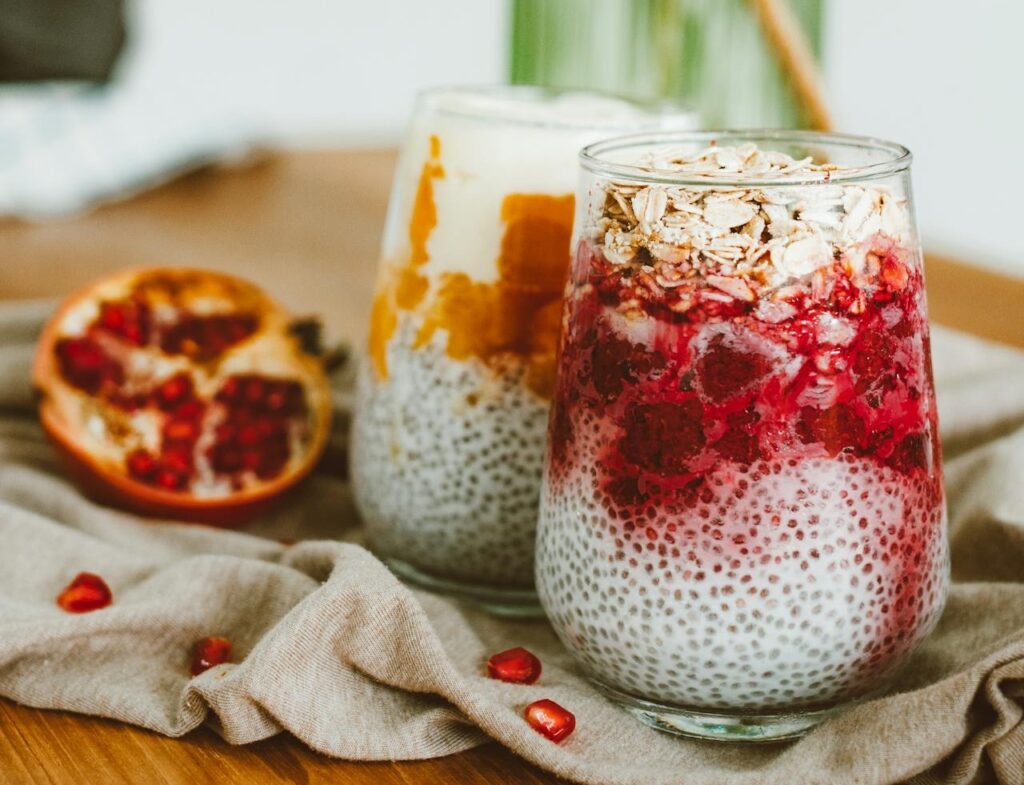
Breakfast:
Eggs, oats, berries, Greek yogurt
Lunch:
Chicken breast, rice, vegetables, olive oil
Dinner:
Salmon, potatoes, salad
Simple works.
Common Mistakes Men Make
Many men sabotage fat loss by:
- Skipping meals then overeating later
- Eating too little protein
- Drinking calories excessively
- Relying on supplements instead of food
- Following unsustainable low carb or crash diets
Fat loss does not require perfection. It requires consistency.
Key Points From Habit 1
- Protein improves satiety and muscle retention
- Whole foods naturally reduce overeating
- Fiber supports appetite control and belly fat reduction
- Simple meal structures are easier to sustain
- Consistency beats extreme dieting
Habit 2: Lift Weights and Walk Daily
Exercise is important for belly fat loss, but not in the way most people think.
You do not need endless cardio sessions or complicated fat burning workouts. The combination of resistance training and daily walking is one of the most effective and sustainable strategies for reducing abdominal fat.
Why Resistance Training Works
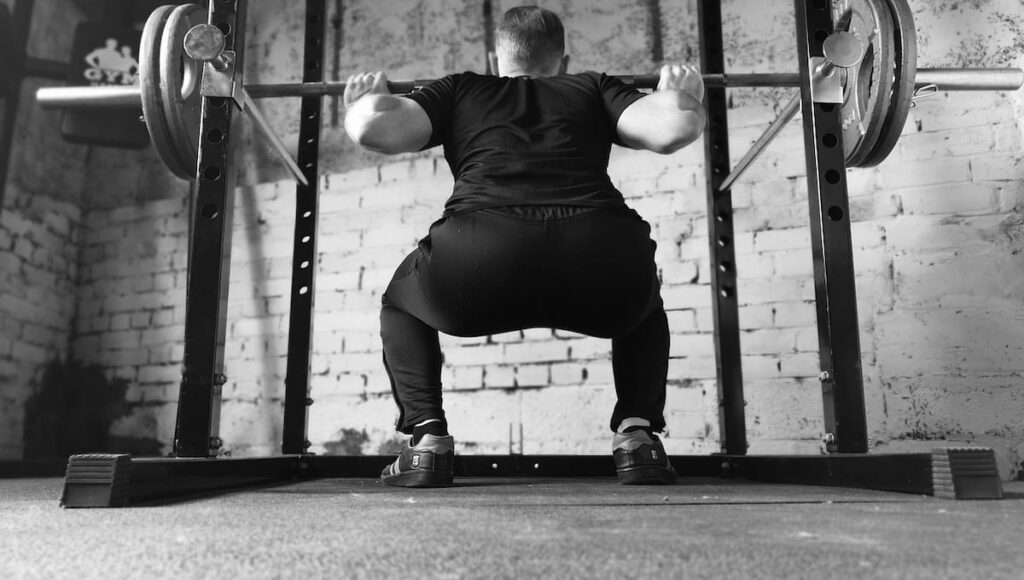
Strength training helps preserve and build muscle mass while dieting. This matters because muscle is metabolically active tissue. Men who lose muscle during dieting often experience slower metabolism, lower energy expenditure, and greater fat regain later.
Resistance training also improves insulin sensitivity and glucose control, both of which influence fat storage. Research shows that resistance training significantly reduces visceral fat even without dramatic weight loss.
Another major advantage is long term adherence. Strength training often improves motivation because men notice performance improvements, increased strength, and better body composition even before major scale changes occur.
Best Types of Resistance Training
You do not need bodybuilding workouts. Simple compound movements are highly effective:
- Squats
- Deadlifts
- Push ups
- Pull ups
- Rows
- Bench press
- Lunges
- Shoulder press
Full body training three to four times per week works well for most men. The goal is progressive overload, meaning gradually increasing resistance or repetitions over time.
Why Walking Is Underrated
Walking is one of the most overlooked fat loss tools. It is low stress, sustainable, accessible, and highly effective for increasing daily calorie expenditure. Unlike hard cardio, walking does not significantly increase recovery demands or hunger in most people.

Walking also improves:
- Blood sugar control
- Cardiovascular health
- Stress management
- Recovery
- Sleep quality
Research consistently links higher daily step counts with lower waist circumference and reduced abdominal fat.
How Many Steps Matter?
Many experts recommend aiming for roughly 7,000 to 10,000 steps daily. That does not mean you need to obsess over step counts. The bigger goal is reducing sedentary time. Helpful strategies include:
- Walking after meals
- Taking phone calls while walking
- Parking farther away
- Using stairs
- Short walks during work breaks
Even brief walks after meals can improve blood sugar regulation.
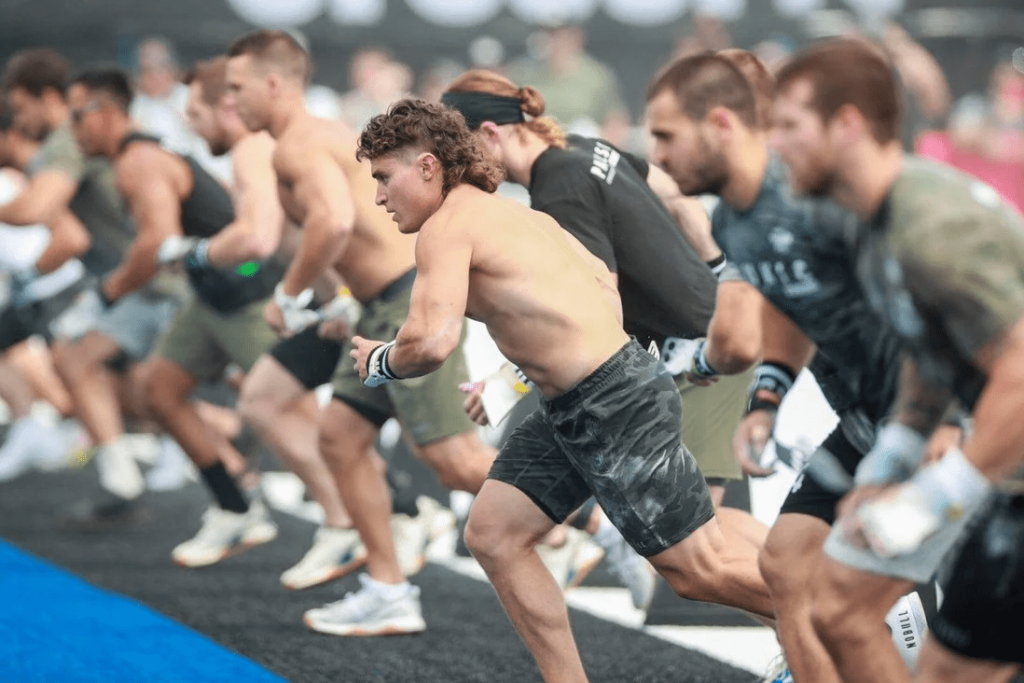
The Role of High Intensity Interval Training
HIIT can be effective when used strategically.
Short sessions of intense effort followed by recovery periods can improve cardiovascular fitness and insulin sensitivity while burning calories efficiently.
However, more is not always better.
Two or three short HIIT sessions weekly is usually enough for most men. Combining this with strength training and walking creates a highly effective fat loss system.
A Practical Weekly Exercise Plan
Here is a simple example:
Monday:
Full body strength training
Tuesday:
Walking and mobility work
Wednesday:
Strength training
Thursday:
Walking or short HIIT session
Friday:
Strength training
Saturday:
Long walk or recreational activity
Sunday:
Recovery and movement
This structure is realistic for busy men.
Key Points From Habit 2
- Resistance training preserves muscle during fat loss
- Walking increases calorie expenditure with minimal stress
- Daily movement improves metabolic health
- Strength training helps reduce visceral fat
- Sustainable routines outperform extreme exercise plans
Habit 3: Improve Sleep and Stress Management

Many men focus entirely on diet and exercise while ignoring sleep and stress. This is a major mistake.
Poor sleep and chronic stress directly affect hormones, appetite, fat storage, recovery, and energy levels. They can make belly fat loss dramatically harder even when nutrition and training are relatively good.
How Sleep Affects Belly Fat
Sleep deprivation disrupts several important hormones involved in appetite regulation.
Lack of sleep tends to:
- Increase ghrelin, the hunger hormone
- Decrease leptin, the fullness hormone
- Increase cravings for calorie dense foods
- Reduce insulin sensitivity
- Increase fatigue and lower activity levels
Research shows that people who sleep less tend to accumulate more visceral fat over time. Even short term sleep restriction can increase hunger and calorie intake significantly.
The Testosterone Connection
Sleep also affects testosterone production. Men who consistently sleep poorly often experience lower testosterone levels, which may negatively influence muscle retention, energy, recovery, and body composition. Adequate sleep supports hormonal health and training performance.
How Much Sleep Do Men Need?
Most adults function best with roughly seven to nine hours of quality sleep per night. Consistency matters. Going to bed and waking up at similar times helps regulate circadian rhythm and improve sleep quality.
Practical Ways to Improve Sleep
Simple strategies can make a huge difference:
- Keep a consistent sleep schedule
- Reduce screen exposure before bed
- Keep the bedroom cool and dark
- Limit caffeine later in the day
- Avoid large late night meals
- Get daylight exposure in the morning
Alcohol is another important factor. Many men underestimate how much alcohol affects sleep quality, recovery, appetite, and belly fat accumulation. Reducing alcohol intake can significantly improve fat loss progress.
Why Stress Promotes Belly Fat
Chronic stress increases cortisol levels. Cortisol is not inherently bad. It helps regulate energy and survival responses. The problem is persistent elevation. High chronic stress can contribute to:
- Increased appetite
- Emotional eating
- Reduced recovery
- Poor sleep
- Increased abdominal fat storage
Stress also makes healthy habits harder to maintain consistently.
Why Consistency Beats Perfection
One poor night of sleep will not ruin progress. The bigger issue is chronic lifestyle patterns. Small improvements done consistently often produce major long term results.
For example:
- Sleeping thirty to sixty minutes longer nightly
- Reducing alcohol intake
- Taking daily walks
- Limiting late night screen time
These changes may seem small individually, but together they strongly influence body composition and metabolic health.
Supplements That May Help
Supplements are optional, but a few may support fat loss indirectly.
Potentially useful options include:
- Whey protein for protein intake
- Creatine for training performance and muscle retention
- Caffeine for energy and appetite control
However, supplements cannot compensate for poor lifestyle habits.
Most fat burning supplements provide minimal real world benefit.
Putting It All Together
The men who successfully lose belly fat usually do not rely on extreme methods.
Instead, they consistently practice simple behaviors:
- Eating enough protein
- Choosing mostly whole foods
- Lifting weights
- Walking daily
- Sleeping well
- Managing stress
These habits improve metabolism, appetite regulation, recovery, and overall health. The process is not flashy, but it works. The biggest advantage is sustainability. Extreme plans often fail because they are difficult to maintain. Simple habits repeated consistently create long term results.
Final Thoughts
Losing belly fat faster is not about shortcuts. It is about improving the systems that control body composition.
Protein and whole foods help regulate appetite and preserve muscle. Resistance training and walking increase energy expenditure while improving metabolic health. Sleep and stress management optimize hormones, recovery, and decision making.
These habits reinforce each other. Better sleep improves training performance. Exercise reduces stress. Whole foods improve energy levels. Walking aids recovery.
That is why sustainable fat loss rarely comes from one isolated tactic. It comes from a lifestyle that supports healthy body composition consistently over time.
Men who focus on these fundamentals usually see not only a leaner waistline, but also better health, energy, confidence, and physical performance.
Key Takeaways
| Habit | Why It Works | Simple Action |
|---|---|---|
| Prioritize protein and whole foods | Improves satiety, preserves muscle, reduces overeating | Include protein at every meal |
| Lift weights regularly | Builds and preserves lean muscle while reducing visceral fat | Strength train 3 to 4 times weekly |
| Walk daily | Increases calorie expenditure without excessive stress | Aim for 7,000 to 10,000 steps daily |
| Improve sleep | Supports appetite control and hormone health | Sleep 7 to 9 hours consistently |
| Manage stress | Helps reduce cortisol related overeating and fat storage | Use walking, breathing, or relaxation habits |
| Avoid extreme dieting | Improves long term consistency and sustainability | Focus on habits instead of quick fixes |
Bibliography
- Astrup, A., Raben, A. and Geiker, N. (2015) ‘The role of higher protein diets in weight control and obesity related comorbidities’, International Journal of Obesity, 39(5), pp. 721 to 726.
- Baumeister, R.F. and Tierney, J. (2011) Willpower: Rediscovering the Greatest Human Strength. New York: Penguin Press.
- Bray, G.A., Smith, S.R., de Jonge, L., Xie, H., Rood, J., Martin, C.K., Most, M., Brock, C., Mancuso, S. and Redman, L.M. (2012) ‘Effect of dietary protein content on weight gain, energy expenditure, and body composition during overeating’, Journal of the American Medical Association, 307(1), pp. 47 to 55.
- Church, T.S., Martin, C.K., Thompson, A.M., Earnest, C.P., Mikus, C.R. and Blair, S.N. (2009) ‘Changes in weight, waist circumference and compensatory responses with different doses of exercise among sedentary, overweight postmenopausal women’, PLoS ONE, 4(2), e4515.
- Hall, K.D., Ayuketah, A., Brychta, R., Cai, H., Cassimatis, T., Chen, K.Y., Chung, S.T., Costa, E., Courville, A., Darcey, V., Fletcher, L.A., Forde, C.G., Gharib, A.M., Guo, J., Howard, R., Joseph, P.V., McGehee, S., Ouwerkerk, R., Raisinger, K., Rozga, I., Stagliano, M., Walter, M., Walter, P.J., Yang, S. and Zhou, M. (2019) ‘Ultra processed diets cause excess calorie intake and weight gain’, Cell Metabolism, 30(1), pp. 67 to 77.