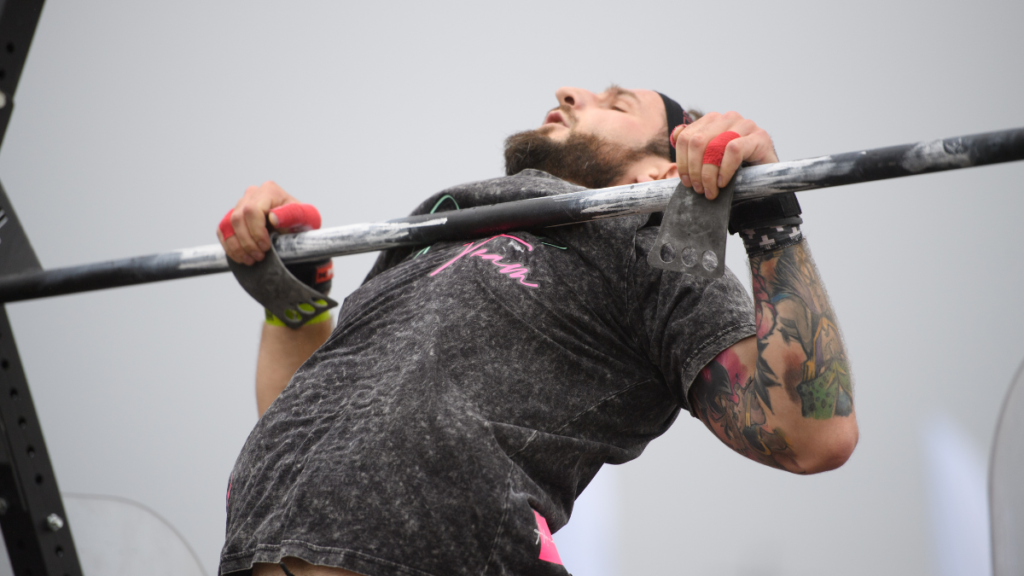


Building a thick, powerful back is one of the cornerstones of strength, athletic performance, and physique development. For decades, barbell rows have been treated as one of the essential exercises for back growth. While barbell rows can certainly be effective, they are far from mandatory. In fact, many lifters build impressive back size and strength without performing a single barbell row.
Some athletes avoid barbell rows because of lower back issues. Others struggle to maintain proper technique, particularly as loads increase. Some simply find that other movements provide a better mind muscle connection and more consistent muscle activation. Fortunately, research shows that muscle growth and strength development depend primarily on training volume, mechanical tension, effort, and progressive overload rather than any single exercise.


If your goal is to build a stronger, wider, and more muscular back without barbell rows, there are numerous evidence based alternatives that can help you achieve excellent results.
Why You Do Not Need Barbell Rows for Back Growth
The idea that a specific exercise is required for muscle growth is not supported by scientific evidence. Muscles respond to tension and overload. They do not know whether that tension comes from a barbell, dumbbell, cable machine, resistance band, or bodyweight exercise. Research consistently shows that hypertrophy can be achieved through a wide variety of resistance training methods as long as the muscles are trained close enough to failure and sufficient volume is accumulated.
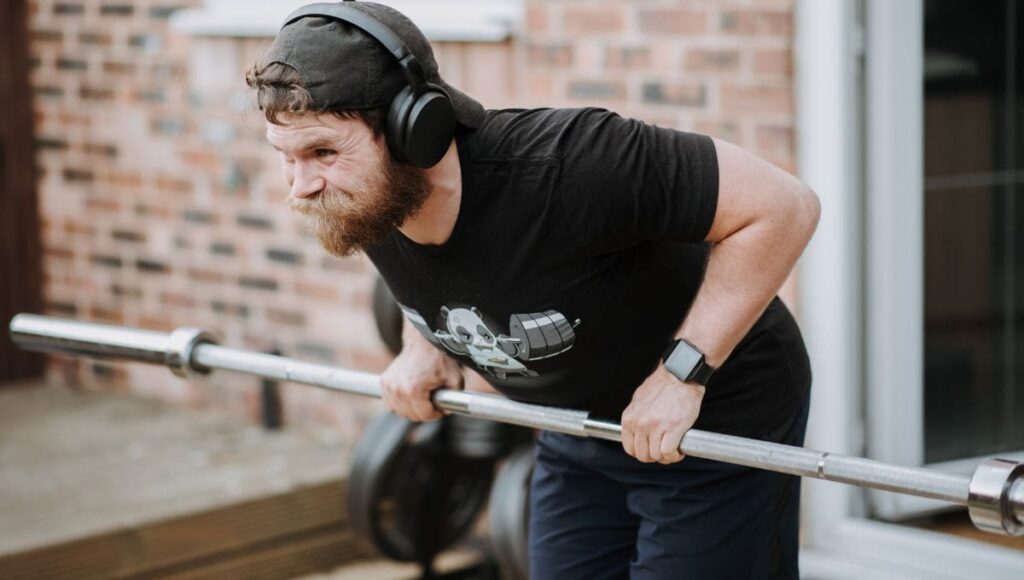
The back is also a highly complex muscle group. It includes the latissimus dorsi, trapezius, rhomboids, teres major, posterior deltoids, spinal erectors, and numerous smaller stabilizing muscles. Different exercises emphasize different regions of the back, making exercise variety particularly valuable.
Many coaches and researchers now recommend using multiple pulling angles to maximize overall back development. Vertical pulls, horizontal pulls, and scapular retraction exercises all contribute unique benefits.
Understanding the Functions of the Back Muscles
Before choosing alternatives to barbell rows, it helps to understand what the major back muscles actually do.
How to Build Bigger Legs Without Squatting Heavy
Latissimus Dorsi
The lats are the largest muscles of the upper body. Their primary functions include shoulder extension, adduction, and internal rotation. These muscles are heavily involved in pull ups, chin ups, lat pulldowns, and various rowing movements. Well developed lats create the wide V taper appearance that many lifters seek.
Trapezius
The trapezius is divided into upper, middle, and lower regions. The middle and lower fibers play important roles in scapular retraction and stabilization during rowing and pulling exercises. Strong traps contribute to posture, shoulder health, and upper back thickness.
Rhomboids
The rhomboids sit between the shoulder blades and help retract and stabilize the scapulae. They are heavily involved during horizontal pulling exercises.
Rear Deltoids
Although technically shoulder muscles, the rear delts contribute significantly to upper back appearance and function. They are heavily activated during rowing and reverse fly movements.
Spinal Erectors
These muscles run along the spine and help maintain posture and spinal stability. While barbell rows challenge them isometrically, many other exercises can also strengthen them effectively.
The Best Alternatives to Barbell Rows
Pull Ups
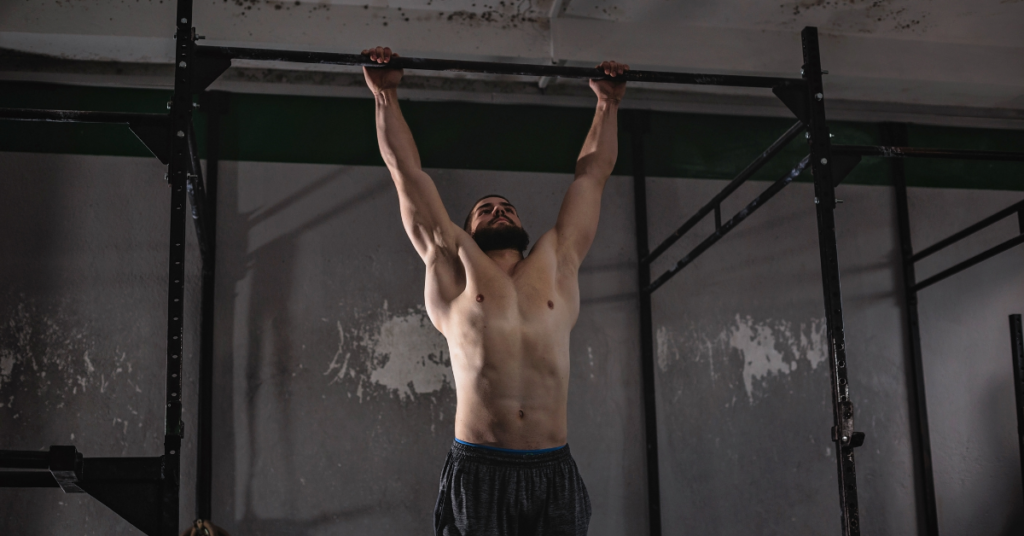
Pull ups remain one of the most effective back building exercises available. Electromyography studies show high activation of the latissimus dorsi during pull up variations.
Unlike barbell rows, pull ups emphasize vertical pulling and place substantial tension on the lats throughout a large range of motion. They also improve relative strength because you are moving your own bodyweight.
As strength improves, additional resistance can be added with a weight belt or vest. For many lifters, weighted pull ups provide a stronger stimulus for lat growth than barbell rows.
Chin Ups
Chin ups use a supinated grip and often allow greater range of motion and slightly higher biceps involvement compared to pull ups.

Research comparing grip variations suggests that chin ups effectively recruit both the lats and elbow flexors while often feeling more comfortable on the shoulders.
They are particularly useful for developing lower lat thickness and overall upper body pulling strength.
Lat Pulldowns
Lat pulldowns offer many of the same benefits as pull ups while allowing precise control over loading. This makes them valuable for beginners who cannot yet perform multiple pull ups and for advanced lifters seeking additional volume. Different grip widths and hand positions can slightly alter muscle emphasis, but studies generally show that a variety of pulldown styles effectively activate the latissimus dorsi.
Chest Supported Rows
Chest supported rows eliminate much of the lower back fatigue associated with traditional barbell rows. Research examining muscle activation patterns shows that chest support can reduce spinal loading while still allowing significant activation of the upper back musculature.
This makes them an excellent choice for lifters recovering from lower back issues or those seeking higher training volumes without excessive fatigue. Dumbbells, machines, or specialized benches can all be used effectively.
Seated Cable Rows
Seated cable rows provide consistent tension throughout the movement and allow for precise adjustments in grip and range of motion.
The cable setup creates resistance that remains relatively constant, helping maintain muscular tension across the full repetition.

These rows effectively target the lats, rhomboids, middle traps, and rear deltoids. Many lifters find it easier to maintain proper scapular movement during cable rows compared to barbell rows.
One Arm Dumbbell Rows
Although technically still a rowing movement, one arm dumbbell rows offer several advantages over barbell rows. The unilateral nature of the exercise allows greater range of motion and can help address side to side strength imbalances.
Studies examining unilateral training indicate that single limb exercises may improve muscular symmetry while still producing substantial hypertrophy. The free hand support also reduces stress on the lower back.
Machine Rows
Modern rowing machines are often underestimated. Many provide excellent resistance profiles and high levels of muscular activation. Machine rows offer stability that allows lifters to focus entirely on generating force through the target muscles.
Research suggests that machine based training can produce hypertrophy results comparable to free weights when training volume and intensity are matched.
Inverted Rows
Inverted rows use bodyweight resistance and can be performed almost anywhere. They effectively train the upper back, rear delts, and scapular stabilizers while requiring minimal equipment.
By adjusting body position, lifters can easily modify difficulty levels. Inverted rows are especially useful for beginners and athletes seeking additional pulling volume without excessive fatigue.
Face Pulls
Face pulls are one of the best exercises for upper back development and shoulder health. They strongly activate the rear deltoids, lower trapezius, and external rotators.
Research examining shoulder function frequently highlights the importance of strengthening these muscles for injury prevention and posture improvement. Face pulls are not a primary mass builder but serve as an important accessory movement.
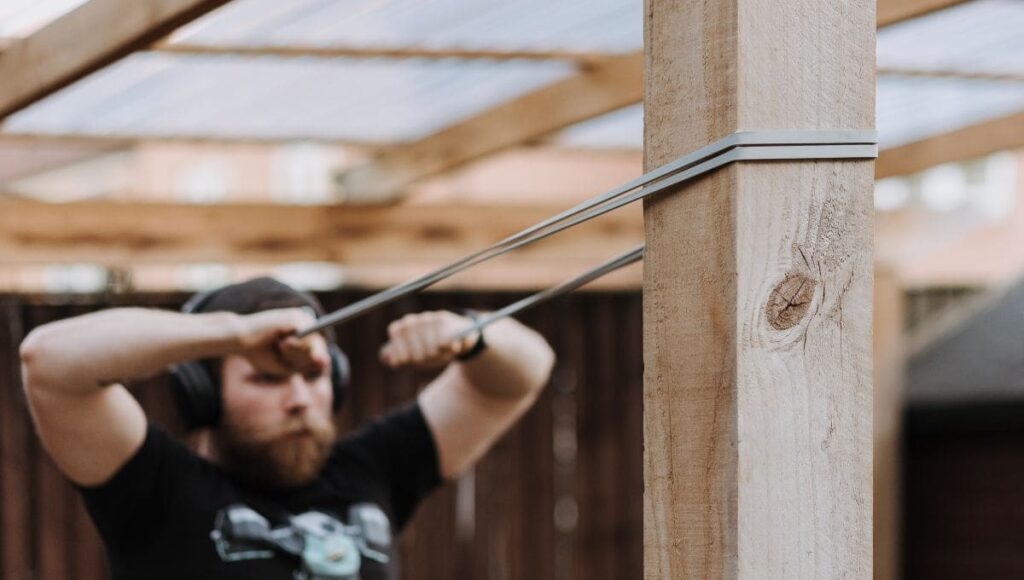
Building Back Thickness Without Barbell Rows
One common concern is that barbell rows are necessary for creating upper back thickness. Fortunately, several alternatives can achieve similar results.
Chest supported rows, seated cable rows, machine rows, and one arm dumbbell rows all place substantial mechanical tension on the rhomboids, middle traps, rear delts, and lats.
Studies consistently show that muscle growth is driven by sufficient training stimulus rather than exercise selection alone. The key is accumulating enough hard sets over time while progressively increasing load, repetitions, or training volume. A combination of horizontal and vertical pulling movements appears to be particularly effective for complete back development.
Building Lower Back Strength Without Barbell Rows
Some lifters rely on barbell rows for lower back development. However, there are better and more direct options.
Romanian Deadlifts
Romanian deadlifts heavily challenge the spinal erectors, glutes, and hamstrings. Research shows that hip hinge movements produce substantial activation of the posterior chain and contribute significantly to overall strength development.
Back Extensions
Back extensions directly target the spinal erectors through a large range of motion. Studies indicate that they effectively improve lumbar endurance and lower back strength.
Reverse Hypers
Reverse hypers train the posterior chain while potentially reducing spinal compression. Although research remains limited, many coaches and rehabilitation specialists use them successfully for both performance and injury prevention.
The Role of Training Volume
Research consistently identifies training volume as one of the strongest predictors of hypertrophy. Most evidence suggests that approximately 10 to 20 hard sets per muscle group per week represents an effective range for maximizing muscle growth.
For the back, this volume can be distributed across multiple exercises and training sessions. A sample weekly structure might include pull ups, chest supported rows, seated cable rows, face pulls, and back extensions. This variety provides comprehensive stimulation while reducing overuse stress.
Progressive Overload Remains Essential
Regardless of exercise selection, progressive overload remains the foundation of strength and hypertrophy.
Progressive overload can be achieved by increasing resistance, performing more repetitions, adding sets, improving technique, or increasing training frequency.
Research shows that muscles adapt when they are exposed to progressively greater demands over time.
Without progressive overload, even the most scientifically supported exercises eventually stop producing results.
Sample Back Workout Without Barbell Rows
A highly effective back focused workout could include:
- Weighted Pull Ups: 4 sets of 6 to 8 reps
- Chest Supported Rows: 4 sets of 8 to 12 reps
- Seated Cable Rows: 3 sets of 10 to 12 reps
- Lat Pulldowns: 3 sets of 10 to 15 reps
- Face Pulls: 3 sets of 12 to 20 reps
- Back Extensions: 3 sets of 12 to 15 reps
This combination trains every major back muscle through multiple movement patterns while minimizing lower back fatigue.
Final Thoughts
Barbell rows are a useful exercise, but they are not essential for building a strong, muscular, and athletic back. Scientific evidence consistently demonstrates that muscle growth depends on training volume, effort, progressive overload, and recovery rather than any specific movement.
Pull ups, chin ups, chest supported rows, cable rows, machine rows, dumbbell rows, and face pulls can collectively provide every stimulus needed for outstanding back development. For many lifters, these exercises may even offer advantages through improved stability, greater range of motion, reduced lower back fatigue, and better muscle targeting.
The most effective approach is not to search for a single perfect exercise. Instead, focus on selecting movements that allow you to train hard, recover well, and progressively challenge the muscles over time. Do that consistently, and you can build an impressive back without ever relying on barbell rows.
Key Takeaways
| Topic | Key Point |
|---|---|
| Barbell Rows | Effective but not essential for back growth |
| Best Alternatives | Pull ups, chin ups, chest supported rows, cable rows, machine rows |
| Back Width | Primarily developed through vertical pulling movements |
| Back Thickness | Built effectively with supported rowing variations |
| Lower Back Strength | Romanian deadlifts, back extensions, and reverse hypers are excellent options |
| Training Volume | Around 10 to 20 hard sets per week is effective for most lifters |
| Progressive Overload | Remains the primary driver of long term gains |
| Recovery | Adequate protein intake and sleep are critical for muscle growth |
References
- Ahtiainen, J.P., Pakarinen, A., Alen, M., Kraemer, W.J. and Häkkinen, K., 2003. Muscle hypertrophy, hormonal adaptations and strength development during strength training in strength trained and untrained men. European Journal of Applied Physiology, 89(6), pp.555-563.
- Andersen, V., Fimland, M.S., Brennset, Ø., Haslestad, L.R., Lundteigen, M.S., Skalleberg, K., Saeterbakken, A.H. and Pedersen, H., 2014. Muscle activation and strength in squat and leg press exercises. Journal of Strength and Conditioning Research, 28(12), pp.3432-3440.
- Brad Schoenfeld, B., Ogborn, D. and Krieger, J.W., 2017. Dose response relationship between weekly resistance training volume and increases in muscle mass. Journal of Sports Sciences, 35(11), pp.1073-1082.
- Contreras, B., Vigotsky, A.D., Schoenfeld, B.J., Beardsley, C. and Cronin, J., 2016. A comparison of gluteus maximus, biceps femoris, and erector spinae activation during common lower body exercises. Journal of Applied Biomechanics, 32(5), pp.452-458.
- Gentil, P., Fisher, J. and Steele, J., 2017. A review of the acute effects and long term adaptations of single joint and multi joint exercises during resistance training. Sports Medicine, 47(5), pp.843-855.
- Lehman, G.J., Buchan, D.D., Lundy, A., Myers, N. and Nalborczyk, A., 2004. Variations in muscle activation levels during traditional latissimus dorsi weight training exercises. Journal of Strength and Conditioning Research, 18(4), pp.703-709.
- Lusk, S.J., Hale, B.D. and Russell, D.M., 2010. Grip width and forearm orientation effects on muscle activity during the lat pull down. Journal of Strength and Conditioning Research, 24(7), pp.1895-1900.