For a long time, fitness was something people did. Now, increasingly, it is something people measure.
A run is not just a run anymore. It has a pace, a route, a split, a heart rate zone and, very often, a Strava upload waiting at the end. A workout is not just a workout either. It has a score, a time, a load, a ranking, a benchmark or at least a note in an app that reminds you what you did last time. A race is not only an experience. It is a result that can be placed next to thousands of other results from people who completed the same format, somewhere else in the world.


The Shift
That shift has changed the way people relate to fitness. Training is still about health, confidence, stress relief and community, but now it often comes with an extra question: is this working? People want feedback. Not necessarily because they all want to win, but because numbers make effort feel visible.
Sport has always relied on measurement. Racing, lifting, competing and testing are built around results. What feels different now is how easily that logic has moved into everyday training. You do not need to be a professional athlete to think in splits, leaderboards, personal bests or recovery scores. The recreational runner checks pace on Strava. The CrossFitter logs a benchmark workout. The HYROX athlete studies station times. The gym member looks at sleep, steps, heart rate variability or readiness before deciding how hard to push.
Running
Running is probably the clearest example. In theory, it is one of the simplest sports in the world: put on shoes, leave the house, move forward. In practice, it has become one of the most measurable. Strava turned running into something social, searchable and comparable. A 5K time gives shape to training. A half marathon date makes the week feel more intentional. A marathon block turns random runs into a plan. Segments, weekly mileage, pace trends and personal records add a layer of meaning that many runners now find hard to separate from the sport itself.

CrossFit
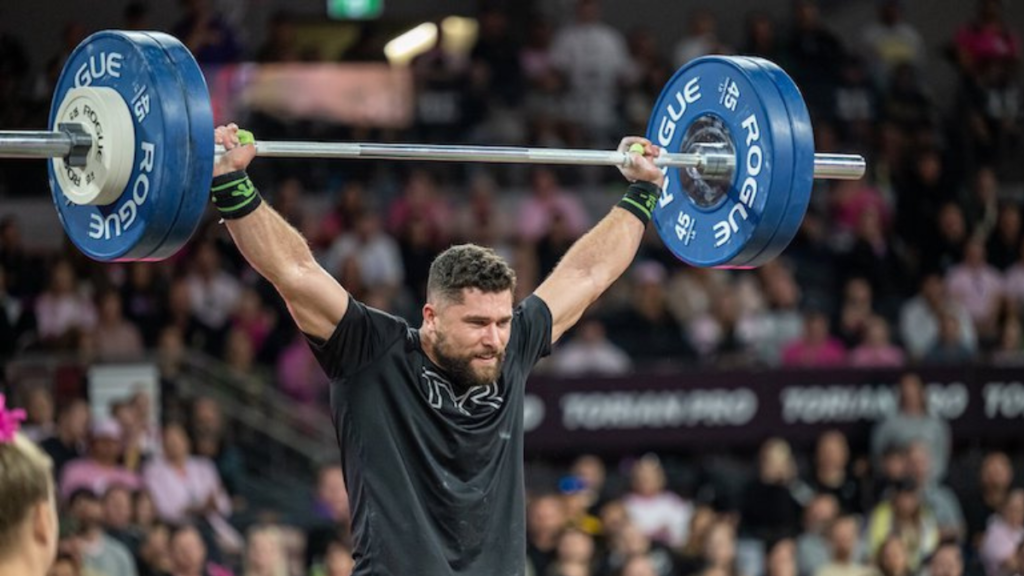
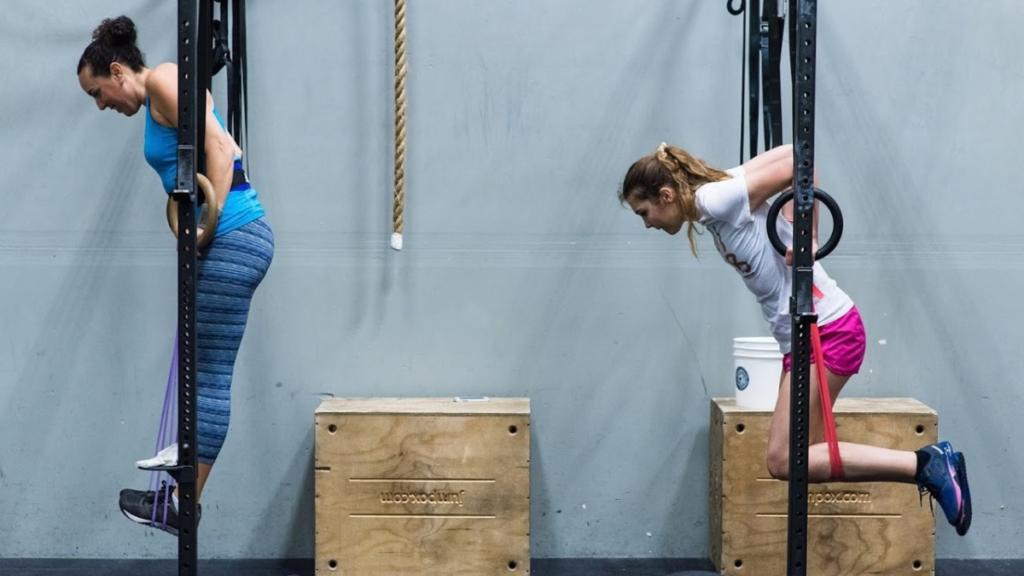
The same thing is happening inside gyms and boxes. CrossFit had the whiteboard long before most fitness apps became part of daily training culture. That whiteboard did more than display results. It created a shared language. A time for Fran, a Murph score or an Open workout result means something because other people in the room understand the context. It is not just data. It is a story the community can read.
Now that logic has moved beyond the physical whiteboard. Many boxes and training communities use apps where members can log workouts, compare scores, track lifts and see how others performed. The result is not only private feedback, but social feedback. Your workout exists inside the community. People can react to it, compare it, remember it and use it as motivation. That can make training more engaging, but it also changes the emotional weight of a normal class. The score does not disappear when you leave the gym. It stays there.
HYROX
HYROX has built its growth around a similar kind of clarity. Everyone completes the same structure: running and functional stations, always in the same order. That makes the result easy to understand. You finish with a time, and that time tells you where you stand compared with your past result, your friends, your age group or the wider field. For many people, that is the appeal. It gives functional fitness a number that feels as clean and universal as a race time.
This is why testing has become so powerful. It gives training a direction. A person may not care about being the best, but they might care about running their first sub-25 5K, shaving minutes off a HYROX time or improving a benchmark workout they once barely survived.

Numbers create markers in a process that can otherwise feel slow and repetitive
Recovery has added another layer to this culture. It is no longer only performance that gets measured, but readiness itself. Watches and apps now turn sleep, resting heart rate, HRV, strain and recovery into daily scores. That means even the decision to rest can become data-driven. In some ways, this is useful.
It helps people understand that progress is not only built through intensity, but also through recovery. At the same time, it extends measurement into almost every part of the athlete’s life. The workout has a score. The race has a time. The night of sleep has a rating. Even fatigue becomes something to analyze.
The issue is not measurement itself. Used well, it can be incredibly useful. The problem starts when every session has to justify itself through a result.
Not every valuable workout produces an impressive score. A slow run might be exactly what the body needs. A technical CrossFit session can look boring on paper and still be essential for long-term progress. A HYROX athlete does not need to test race pace every week to improve. Sometimes the smartest training is controlled, repetitive and not especially interesting to post about.
That is where the scoreboard can become a trap. It can quietly teach people that faster always means better, heavier always means stronger and more always means progress. The scoreboard shows the result, but it rarely shows the context around it. Without that context, numbers can become unfair.
That is why the best fitness communities are not the ones that ignore testing, but the ones that know how to use it properly. They celebrate scores without reducing people to them. They encourage progress without pretending it always moves in a straight line. They understand that benchmarks, race results, app rankings and leaderboards are tools, not verdicts.
Testing has real value. It gives training rhythm, creates milestones and makes effort visible. It connects people through shared experiences, whether that is the CrossFit Open, a HYROX race, a local 10K, a marathon or a gym challenge logged in an app. It gives people stories to tell and reasons to keep showing up when motivation is not enough.
But training still has to be bigger than the score.
Wrapping it All Up
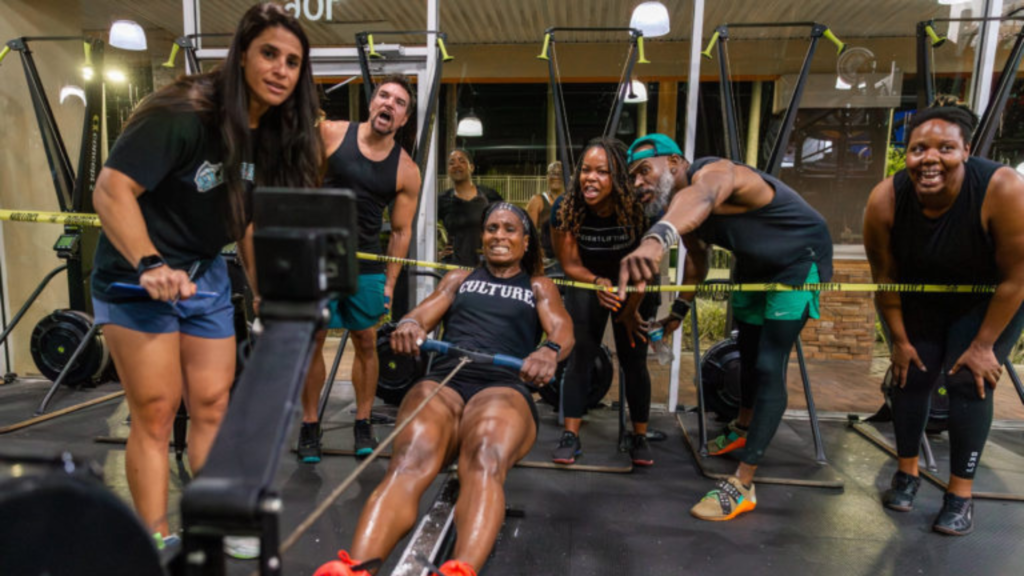
Fitness is also joining a running club for the first time and realizing you do not feel as out of place as you feared. It is walking into a CrossFit box and slowly becoming part of the room. It is finishing a race you were nervous to start. It is coming back after injury, learning a skill, building confidence or discovering that your body is capable of more than you assumed. Some of the most important progress will never fit neatly into a ranking.
The rise of testing says a lot about where fitness culture is going. People want their effort to mean something. They want feedback, structure and proof that the boring consistency is adding up. That is why the scoreboard is not going away.
The challenge is making sure the numbers serve the training, not the other way around.