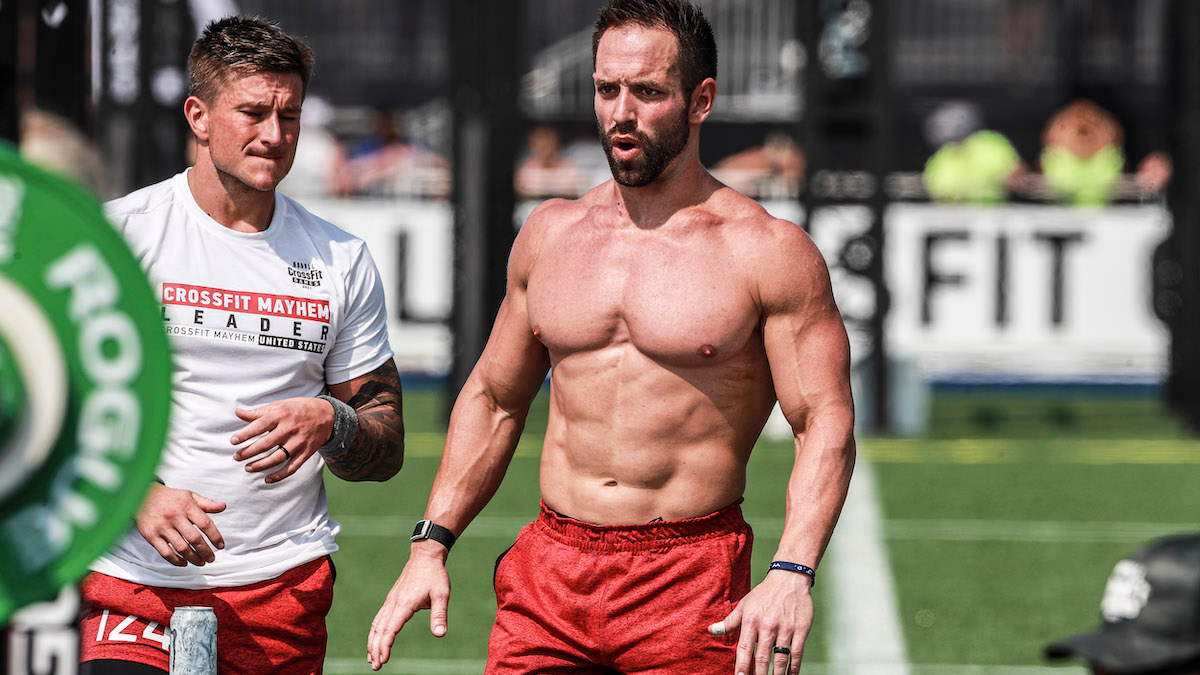


An attractive upper body is not about chasing impossible standards or spending endless hours in the gym. Most people simply want broader shoulders, a stronger chest, well developed arms, a defined back, and better posture. The good news is that research consistently shows you do not need complicated programs to achieve those goals.
The biggest improvements usually come from mastering a handful of proven training and nutrition habits. Small changes that improve exercise selection, training quality, recovery, and body composition can dramatically change how your upper body looks over time. These 10 science backed hacks can help you build more muscle, improve definition, and create a stronger physique while making your training more efficient.


Focus on Progressive Overload
Building muscle begins with giving your body a reason to grow. Progressive overload simply means gradually increasing the demands placed on your muscles over time.
This does not mean adding weight every workout. You can also perform more repetitions, improve your technique, increase training volume, or reduce rest periods while maintaining good performance.

Research consistently identifies progressive overload as one of the fundamental principles behind muscle hypertrophy. Muscles adapt to increasing mechanical tension by growing larger and stronger when adequate recovery and nutrition are present.
Instead of randomly changing exercises every week, keep your primary lifts consistent for several weeks and aim for measurable improvements. A few extra pounds on the bench press or one more quality repetition on pull ups may seem small, but those improvements accumulate into significant muscle growth over months.
Prioritize Compound Exercises
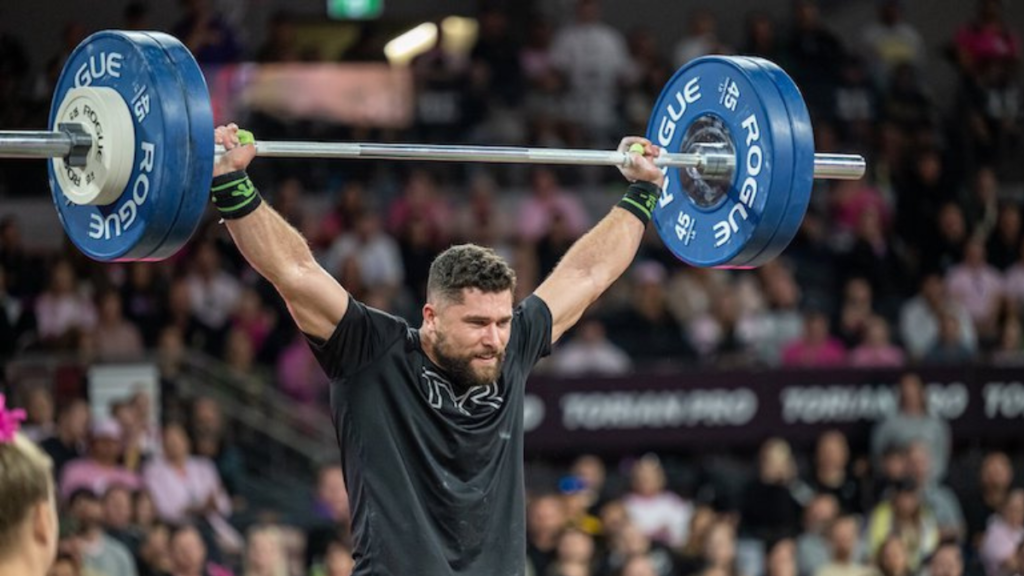
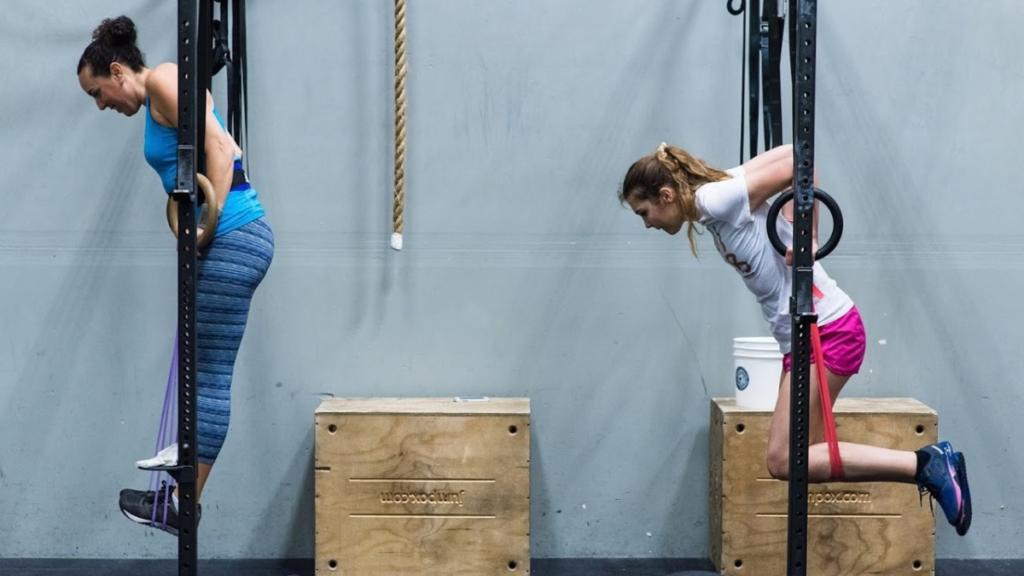
Isolation exercises certainly have their place, but compound lifts should form the foundation of your upper body training. Exercises such as bench presses, overhead presses, pull ups, chin ups, rows, and dips recruit multiple muscle groups at the same time. They allow heavier loading, greater mechanical tension, and more efficient workouts.
Bored of Pull-Ups? Try These 3 Back-Building Alternatives
Large compound movements stimulate the chest, shoulders, back, arms, and core simultaneously. This creates a stronger anabolic stimulus than relying mostly on smaller isolation exercises. Studies comparing different resistance training approaches consistently show that compound exercises effectively promote both strength and muscle growth while improving coordination and overall athletic performance.
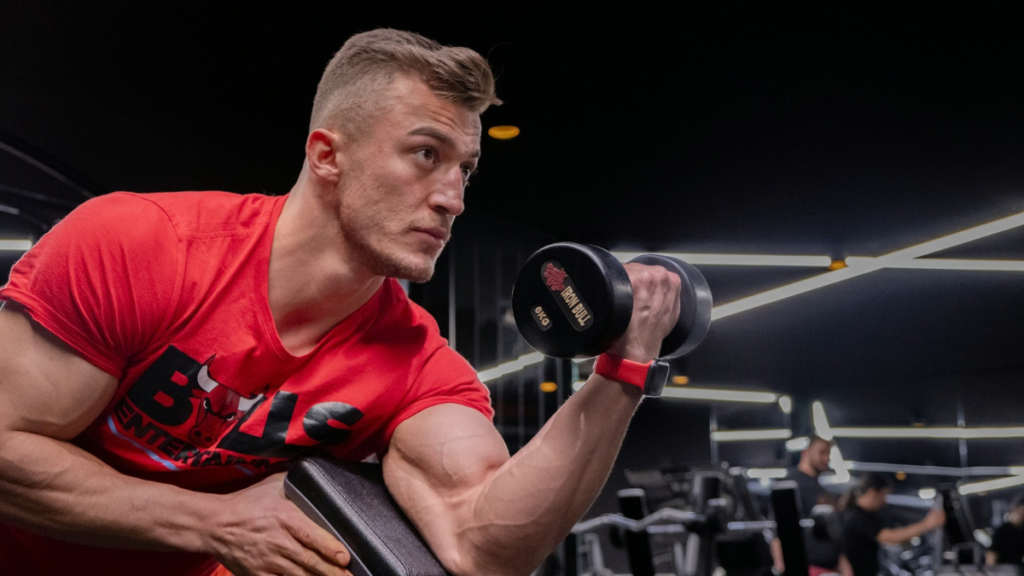
Isolation movements such as lateral raises, curls, and triceps extensions work best after the major lifts when you want to add additional volume to specific muscles.
Train Your Shoulders From Every Angle
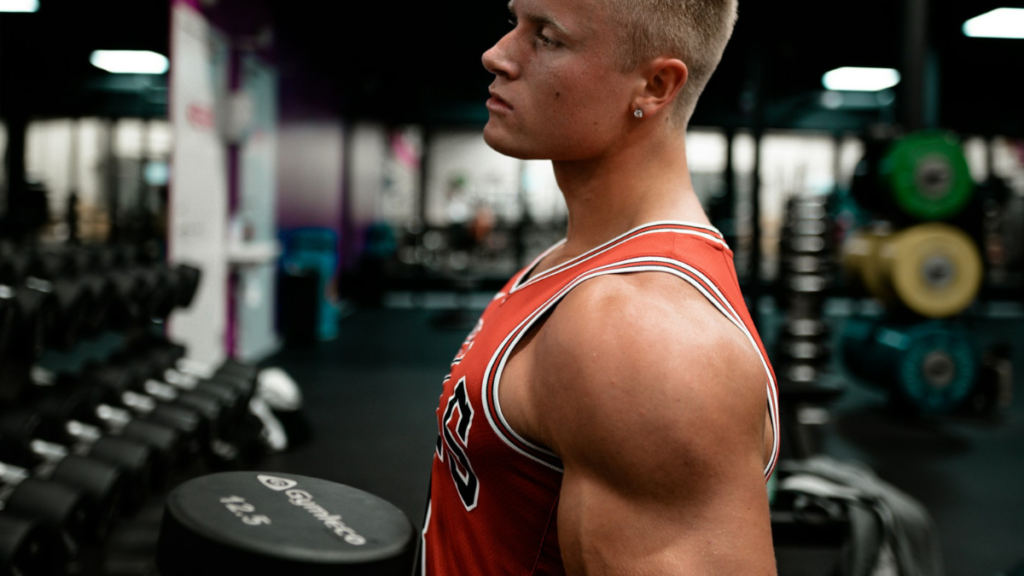
One of the fastest visual improvements comes from building wider shoulders. The deltoid muscle has three primary regions. The front, side, and rear portions all contribute to shoulder size and shape. Many lifters unintentionally overtrain the front delts because pressing exercises already place heavy demands on them.
To maximize shoulder development, dedicate direct work to the lateral and rear deltoids. Lateral raises create shoulder width while reverse flyes, face pulls, and rear delt rows improve upper back thickness and posture.
Electromyography studies demonstrate that different shoulder exercises emphasize different portions of the deltoid. Combining overhead pressing with targeted isolation work produces more balanced shoulder development than relying on presses alone. Well developed shoulders create the illusion of a narrower waist, making the upper body appear larger and more athletic.
Build Your Back as Much as Your Chest
Many people focus heavily on chest training while neglecting the back. This creates muscular imbalances and often leads to rounded shoulders. The back contains some of the largest muscles in the upper body, including the latissimus dorsi, trapezius, rhomboids, and spinal erectors. Developing these muscles adds thickness, width, and better posture.
Aim to include at least as much pulling volume as pushing volume each week. Rows strengthen the middle back and improve posture. Pull ups and lat pulldowns build wider lats that contribute to the classic V shaped torso. Face pulls strengthen smaller stabilizing muscles that help keep the shoulders healthy.
Research shows balanced strength between the muscles on the front and back of the body contributes to better shoulder function and reduced injury risk while also enhancing appearance.
Train Close to Failure
Many people finish their sets long before the muscles receive enough stimulation to grow. Muscle growth depends largely on recruiting high threshold motor units, which occurs when muscles work close to their limits.
You do not need to reach complete muscular failure on every set, but most working sets should finish with only one to three repetitions left in reserve. This level of effort provides a strong hypertrophy stimulus while limiting unnecessary fatigue.

Recent systematic reviews show that training close to failure produces similar muscle growth to training to absolute failure, particularly when sufficient volume is performed. The key is honest effort. If you finish every set feeling fresh, you are probably leaving muscle gains behind.
Eat Enough Protein Every Day
Even the best training program cannot build significant muscle without enough dietary protein. Protein supplies the amino acids required to repair and build muscle tissue after resistance training. Muscle protein synthesis increases following exercise, but adequate protein intake is necessary to maximize this response.
Current evidence suggests that consuming approximately 1.6 to 2.2 grams of protein per kilogram of body weight each day supports muscle growth in physically active individuals. Distributing protein across multiple meals may provide additional benefits compared with eating most of it in a single sitting.
High quality protein sources include lean meat, poultry, fish, dairy products, eggs, soy, and high quality protein supplements when needed. Consistency matters more than perfect timing. Meeting your daily protein target every day is far more important than obsessing over the exact minute you consume your post workout meal.
Sleep Like Muscle Growth Depends on It
Training stimulates muscle growth, but recovery allows it to happen. Sleep is one of the most powerful recovery tools available. During sleep, hormones involved in muscle repair, tissue recovery, and overall adaptation operate most effectively.
Research shows that insufficient sleep reduces muscle protein synthesis, impairs recovery, decreases strength performance, and negatively affects hormonal balance. Sleep restriction also increases fatigue, reduces motivation, and makes it harder to train with sufficient intensity. Most adults should aim for seven to nine hours of quality sleep every night. Maintaining a consistent bedtime, reducing evening screen exposure, and limiting caffeine later in the day can significantly improve sleep quality.
Many athletes search for advanced supplements while ignoring sleep, even though better recovery often provides larger improvements than expensive products.
Stay Lean Enough to Show Your Muscle
Building muscle improves your physique, but excessive body fat can hide that hard earned definition. Visible shoulders, chest separation, and arm definition require both muscle mass and relatively low body fat levels.
Research consistently shows that resistance training combined with a moderate calorie deficit and high protein intake helps preserve muscle while reducing fat mass. This does not mean staying extremely lean year round. Very low body fat levels can reduce energy, training performance, and hormonal health.
Instead, focus on gradually building muscle during periods of slight calorie surplus, then reducing body fat through controlled dieting when needed. Improving body composition often creates a more dramatic visual transformation than simply adding more muscle.
Use Enough Weekly Training Volume
Doing one or two sets for each muscle group every week is unlikely to maximize muscle growth. Research has repeatedly shown a dose response relationship between weekly training volume and hypertrophy, at least up to a certain point.
For most people, approximately 10 to 20 challenging sets per muscle group each week provides an effective range for maximizing muscle growth. This volume should be spread across multiple sessions rather than completed in one marathon workout.
Training each upper body muscle two or three times per week often produces better results than training each muscle only once because it allows higher quality performance and more frequent stimulation. More volume is not always better. Recovery capacity varies between individuals, so finding the highest recoverable volume is more important than blindly adding more sets.
Improve Your Posture Every Day
An attractive upper body is not determined only by muscle size. Posture changes how your physique looks immediately. Rounded shoulders, excessive forward head posture, and slouched positioning can make even muscular individuals appear smaller.
Improving posture begins with strengthening the upper back, rear shoulders, and core while maintaining mobility through the chest and shoulders. Exercises such as face pulls, rows, reverse flyes, and thoracic mobility drills help reinforce healthier positioning.
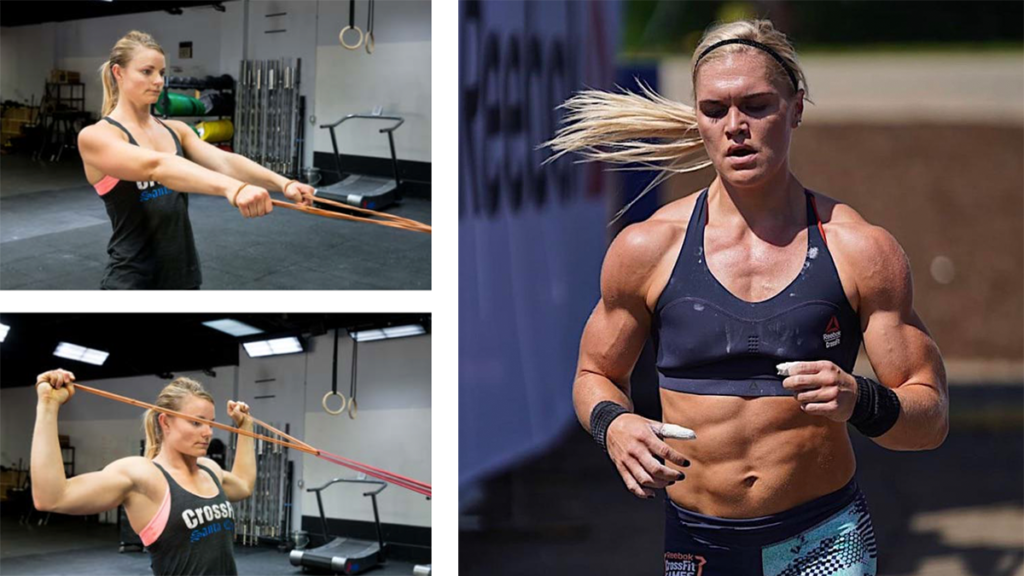
Research indicates that resistance training can improve posture by increasing muscular strength and endurance in key stabilizing muscles.
Standing taller with shoulders positioned naturally back enhances the appearance of chest width, shoulder size, and overall confidence without adding a single pound of muscle.
Be Patient and Stay Consistent
Perhaps the fastest hack is accepting that there are no real shortcuts. Muscle growth occurs gradually. Beginners may notice visible changes within a few months, while experienced lifters often require longer periods of consistent training to see measurable improvements. Research shows that long term adherence is one of the strongest predictors of successful body composition changes.
Instead of constantly switching programs, supplements, or training styles, focus on executing the basics well every week. Progressive overload, quality nutrition, adequate recovery, and patience consistently outperform complicated approaches. The upper body that many people admire is usually the result of hundreds of effective workouts rather than one perfect program.
Final Thoughts
Building an attractive upper body does not require secret exercises or expensive supplements. It comes from consistently applying principles that sports science has supported for decades.
Prioritize progressive overload, emphasize compound lifts, train your shoulders and back thoroughly, push your working sets close to failure, consume enough protein, sleep well, maintain a healthy body composition, perform sufficient weekly training volume, improve posture, and stay consistent over time.
Each of these habits may seem simple on its own, but together they create a powerful system for building muscle, improving strength, and developing a physique that looks athletic from every angle.
Key Takeaways
| Hack | Why It Works | Practical Action |
|---|---|---|
| Progressive overload | Increases the stimulus for muscle growth | Gradually increase weight, repetitions, or volume |
| Compound exercises | Recruit more muscle mass and allow heavier loading | Base workouts around presses, rows, pull ups, and overhead presses |
| Train all shoulder heads | Builds wider and more balanced shoulders | Include lateral raises and rear delt work weekly |
| Prioritize your back | Improves posture and creates a wider appearance | Match pulling volume with pushing volume |
| Train close to failure | Maximizes muscle fiber recruitment | Finish most sets with one to three repetitions left in reserve |
| Eat enough protein | Supports muscle repair and growth | Consume approximately 1.6 to 2.2 grams per kilogram of body weight daily |
| Prioritize sleep | Enhances recovery and muscle protein synthesis | Aim for seven to nine hours every night |
| Stay lean | Reveals muscle definition | Combine resistance training with smart nutrition |
| Use sufficient training volume | Supports greater hypertrophy | Perform approximately 10 to 20 challenging weekly sets per muscle group |
| Stay consistent | Long term adherence drives results | Follow a structured program for months rather than weeks |
References
- American College of Sports Medicine. (2009). Progression models in resistance training for healthy adults. Medicine & Science in Sports & Exercise, 41(3), 687 to 708.
- Grgic, J., Schoenfeld, B.J., Orazem, J. and Sabol, F. (2022). Effects of resistance training performed to repetition failure or non failure on muscular strength and hypertrophy. Journal of Sport and Health Science, 11(2), 202 to 211.
- Helms, E.R., Aragon, A.A. and Fitschen, P.J. (2014). Evidence based recommendations for natural bodybuilding contest preparation. Journal of the International Society of Sports Nutrition, 11(20).
- Morton, R.W., Murphy, K.T., McKellar, S.R., Schoenfeld, B.J., Henselmans, M., Helms, E., Aragon, A.A., Devries, M.C., Banfield, L., Krieger, J.W. and Phillips, S.M. (2018). A systematic review, meta analysis and meta regression of protein supplementation on resistance training induced gains in muscle mass and strength. British Journal of Sports Medicine, 52(6), 376 to 384.
- Phillips, S.M. and Van Loon, L.J.C. (2011). Dietary protein for athletes. Journal of Sports Sciences, 29(S1), S29 to S38.
- Schoenfeld, B.J. (2010). The mechanisms of muscle hypertrophy and their application to resistance training. Journal of Strength and Conditioning Research, 24(10), 2857 to 2872.
- Schoenfeld, B.J., Ogborn, D. and Krieger, J.W. (2016). Effects of resistance training frequency on measures of muscle hypertrophy. Sports Medicine, 46(11), 1689 to 1697.
- Schoenfeld, B.J., Grgic, J., Ogborn, D. and Krieger, J.W. (2017). Strength and hypertrophy adaptations between low versus high load resistance training. Journal of Strength and Conditioning Research, 31(12), 3508 to 3523.