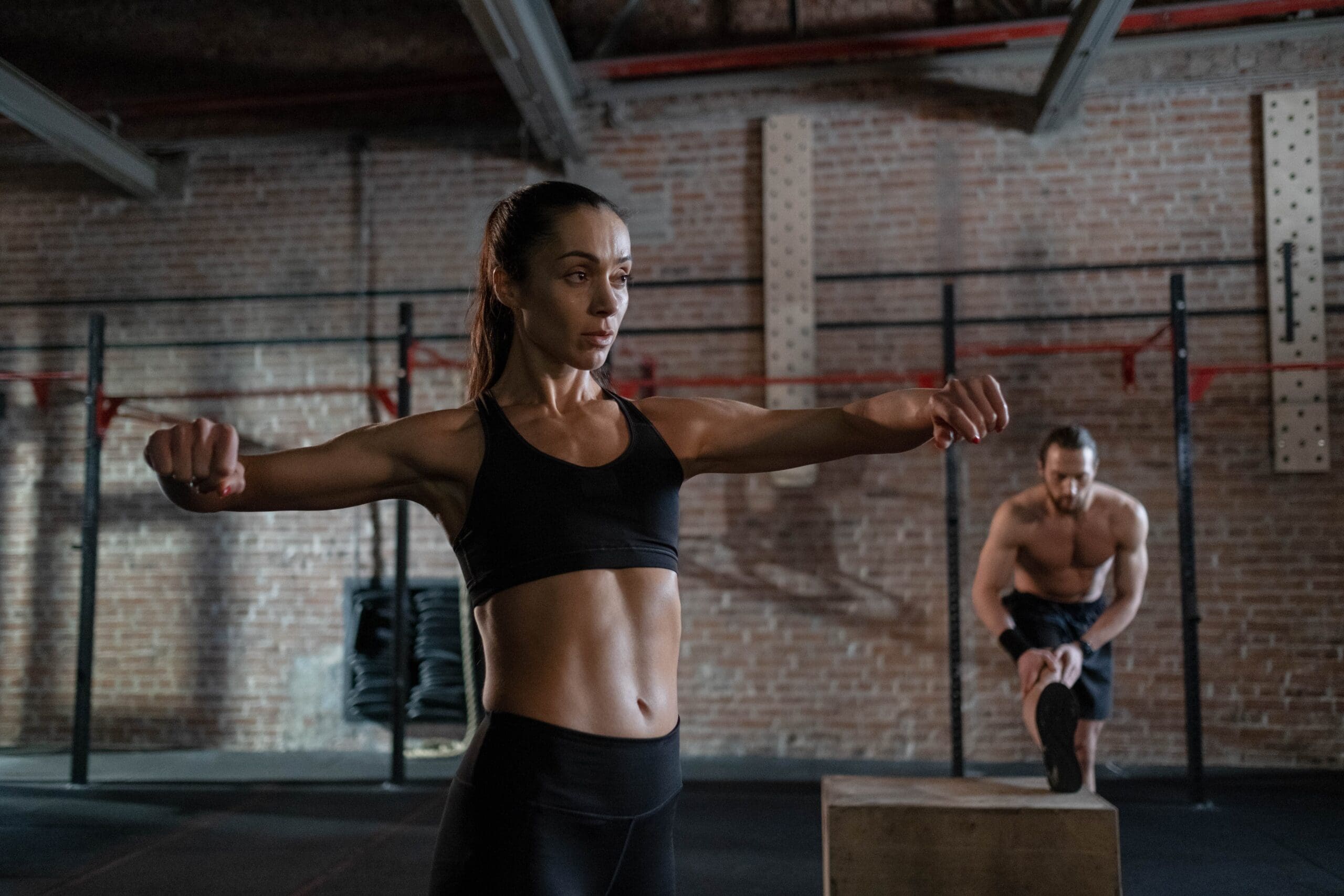


Building muscle and getting stronger should improve your quality of life, not send you to physical therapy. While resistance training is one of the best ways to improve health and performance, injuries often happen when lifters rush progress or neglect proper technique.
In a recent YouTube video, Buff Dudes Workouts reviewed peer reviewed research to highlight eight exercises that are most commonly associated with gym injuries. Their message is not to avoid these movements, but to learn how to perform them safely and progress them appropriately.


8. Barbell Olympic Lifts
Olympic lifts such as the clean and snatch demand speed, coordination, and precise technique. According to Buff Dudes, many injuries occur when beginners attempt these complex lifts before mastering foundational strength movements or while training under fatigue.
The hosts recommend becoming proficient with the “Golden Five” lifts, deadlifts, squats, overhead presses, pull ups, and bench presses, before progressing to Olympic lifting.

7. Box Jumps
Box jumps develop explosive power but can also lead to Achilles strains, falls, and painful shin impacts when athletes progress too quickly.
Instead of chasing higher boxes, Buff Dudes recommend building explosive strength first through bodyweight squats and kettlebell swings before introducing advanced plyometric work.
6. Leg Extensions
Leg extensions remain controversial because they place significant stress on the knee joint, particularly the patella.
Rather than using heavy weight and explosive repetitions, the hosts recommend slow, controlled reps with an emphasis on the eccentric phase. Lifters who remain uncomfortable with the movement can substitute Bulgarian split squats.
5. Overhead Press
The overhead press is one of the best upper body compound exercises, but shoulder injuries account for roughly 36 percent of reported gym injuries.
To reduce risk, keep the glutes engaged, brace the core, and avoid hyperextending the lower back while pressing overhead.
4. Kettlebell Swings
Many people mistakenly perform kettlebell swings as a squat combined with a front raise.
Instead, the movement should be driven almost entirely by the hip hinge while the arms remain relaxed. Practicing the hinge pattern without weight can help reinforce proper mechanics before adding a kettlebell.
3. Deadlift
The deadlift remains one of the most effective full body strength exercises, but it is also one of the biggest victims of ego lifting.
Loading the bar too heavily often causes lifters to round their backs, increasing stress on the lumbar spine. Buff Dudes recommend mastering technique with lighter loads before gradually progressing.
2. Squat
Few exercises build total body strength like the squat, but common mistakes such as knee collapse, poor mobility, and excessive lower back rounding increase injury risk.
Learning proper movement mechanics before adding heavier loads remains the safest long term strategy.
1. Treadmill Walking and Running
Perhaps the biggest surprise on the list is the treadmill.
According to the research highlighted in the video, treadmills and walking account for 66 percent of roughly 70,000 reported home exercise incidents. Many of these injuries occur because users skip warm ups, increase speed too quickly, or exceed their current fitness level.
Train Smarter, Not Fearfully
Despite the rankings, Buff Dudes emphasize that none of these exercises are inherently dangerous. Most injuries stem from poor technique, excessive loading, and trying to progress faster than the body is prepared for.
As the hosts conclude, the best approach is to master movement quality first, increase training loads gradually, and leave the ego outside the gym. Done correctly, every exercise on this list can remain a valuable part of a safe and effective training program.
About the Author
Jeremiah Oliva
Jeremiah Oliva is a writer passionate about fitness, sports, and active living. He has experience in songwriting and managing content and social media for online radio and magazine platforms.
He covers HYROX, CrossFit®, and competitive fitness, with a focus on performance, mindset, and athlete development.
Outside of writing, Jeremiah trains in boxing, cycles, explores the outdoors with his kids, and plays the guitar.