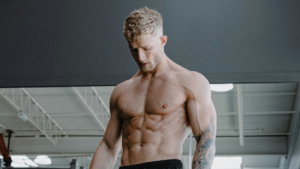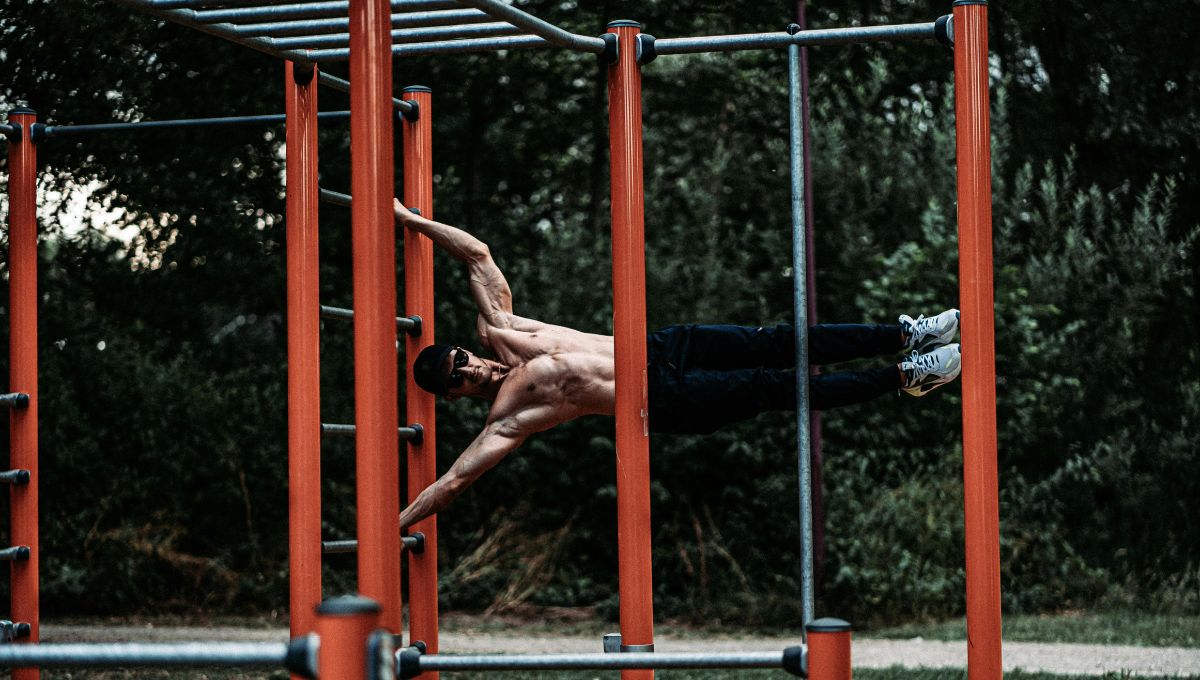


Calisthenics and weight training can both build muscle for beginners. You do not need a gym full of equipment to gain strength, build your chest, develop your back, and add visible muscle to your arms and legs. Bodyweight exercises can create a real growth stimulus when they are difficult enough and progressed over time.
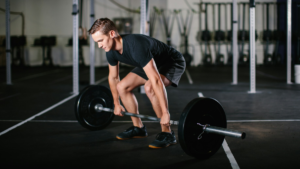
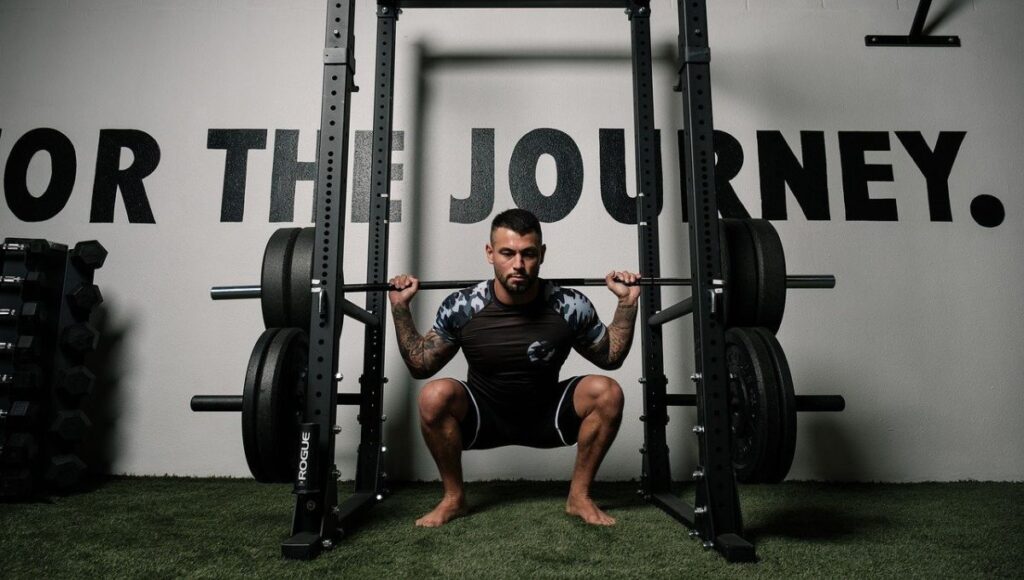
However, weight training is usually the more efficient choice for maximizing total muscle growth. Barbells, dumbbells, cables, and machines make it easier to increase resistance in small steps and train every major muscle group through a wide range of loading options. This becomes especially important for leg training and for smaller muscles that are difficult to overload with bodyweight exercises alone.


For a beginner, the best answer often depends on access and consistency. Calisthenics is a powerful starting point if you have little equipment, limited time, or prefer training at home. Weight training is usually the better choice if your main goal is to build as much muscle as possible. Combining both methods is often the most practical long term approach.
The Short Answer
Weight training is generally better for building maximum muscle because it provides the simplest path to progressive overload. You can add a small amount of weight to a barbell, select a heavier dumbbell, or move a pin on a machine. This makes it easier to keep challenging the muscles as you get stronger.
Calisthenics can still build muscle, particularly for beginners. Push ups, pull ups, dips, rows, squats, lunges, and single leg exercises can become very challenging. Research comparing low load push up training with low load bench press training found similar increases in chest and triceps muscle thickness when the exercises were matched for relative difficulty.

The key difference is not whether bodyweight exercises work. They do. The difference is how easy it is to keep progressing once your body adapts. Weight training gives you more direct and precise options for increasing resistance, especially for the legs, back, shoulders, and arms.
What Actually Drives Muscle Growth?
Muscle growth occurs when resistance training creates enough mechanical tension and fatigue to force the body to adapt. Over time, the muscles become larger and stronger so they can better handle the work.
The equipment does not directly determine whether a muscle grows. A push up can build the chest if it is hard enough. A dumbbell press can build the chest if it is hard enough. The muscle responds to repeated challenging contractions, not to the name of the exercise.
How Many Press Ups Should Guys Over 30 Be Able to Do in 1 Minute?
Research shows that lower and higher resistance loads can both produce muscle growth when sets are performed with sufficient effort. Lighter loads often require more repetitions and need to be taken closer to muscular failure. Heavier loads can create a strong stimulus with fewer repetitions and are generally more useful for improving maximum strength.
Training volume also matters. Performing several hard sets for a muscle each week is generally more effective for growth than doing only a small amount of work. Beginners do not need extreme volume. They need a manageable number of challenging sets that they can recover from and repeat consistently.
The Case for Calisthenics
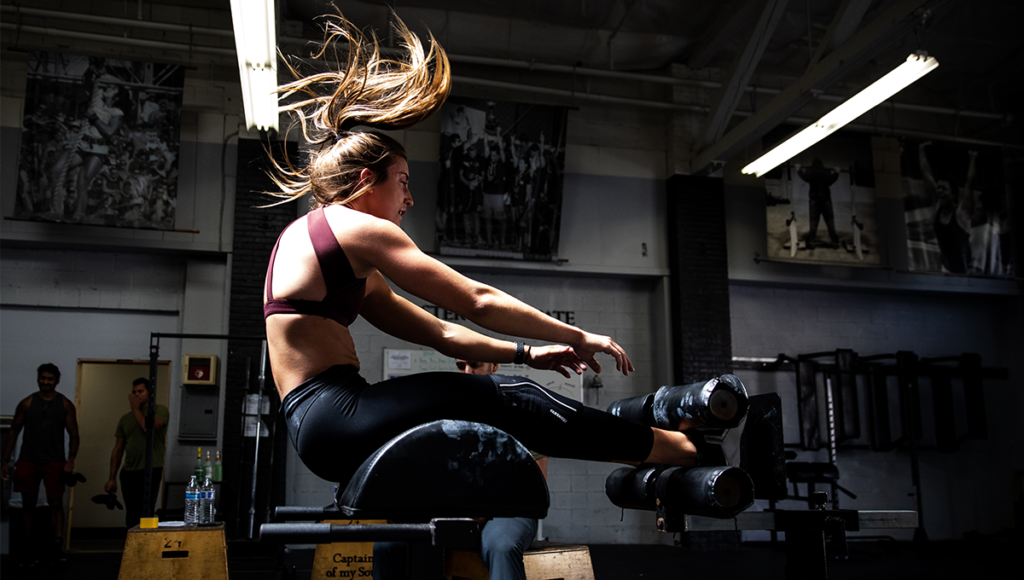
Calisthenics uses your bodyweight as resistance. Common exercises include push ups, pull ups, dips, inverted rows, bodyweight squats, lunges, glute bridges, planks, and hanging leg raises.
The main advantage is accessibility. You can perform many calisthenics exercises at home, outdoors, or while traveling. You do not need a gym membership or expensive equipment to begin building strength. This makes calisthenics a valuable option for someone who wants to start training immediately.
Calisthenics also develops relative strength. Relative strength is your ability to control and move your bodyweight. Pull ups, dips, handstands, and more advanced bodyweight movements require the upper body and trunk to work together. This can make calisthenics feel athletic and highly rewarding.
Calisthenics Can Build a Muscular Upper Body
Push ups can train the chest, triceps, and front of the shoulders. Pull ups and inverted rows can train the lats, upper back, biceps, and forearms. Dips can train the chest, triceps, and shoulders. These exercises can create substantial upper body training stimulus when they are performed with controlled technique and close enough to failure.
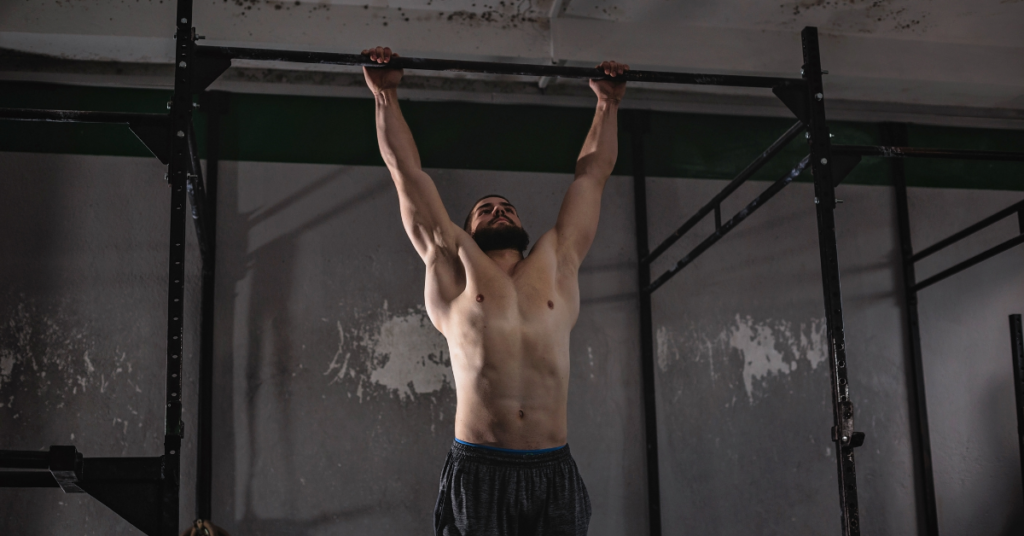
The push up is a particularly useful example. Research comparing push ups with bench press training found similar increases in chest and triceps muscle thickness when the exercises were performed at equivalent relative loading. This shows that bodyweight movements can build muscle when the resistance is challenging enough.
Beginners can make push ups easier by elevating their hands on a bench, table, or wall. As strength improves, lower the hand position, perform floor push ups, elevate the feet, slow the lowering phase, or add a weighted vest. These changes can increase the challenge without needing a barbell.
The Limits of Calisthenics for Muscle Growth
The biggest limitation is progression. In weight training, you can often add a small amount of resistance. In calisthenics, the next progression may be much harder. Moving from a standard push up to a one arm push up variation is a much larger jump than adding five pounds to a dumbbell press.
Lower body training can also become difficult to progress with bodyweight alone. Bodyweight squats are useful for learning movement and building endurance, but they can become too easy for the legs once you can perform high repetitions. Single leg squats, split squats, jumping movements, and advanced variations can help, but they also place greater demands on balance and coordination.
Smaller muscles can be harder to train directly with pure calisthenics. The biceps, side deltoids, calves, hamstrings, and rear deltoids can be trained, but the exercise options are more limited without rings, bands, a pull up bar, or added load.
The Case for Weight Training
Weight training includes barbells, dumbbells, kettlebells, resistance machines, cables, and other external loads. The main benefit is that it lets you choose resistance that matches your current strength and increase it gradually as you improve.
This makes training more precise. If you can perform 12 dumbbell presses with a given weight, you can move to a slightly heavier pair. If you can perform 10 repetitions on a leg press, you can add a small amount of weight during your next session. This gives you a clear path for progressive overload.
Weight training also allows you to train muscles in ways that are difficult with bodyweight alone. You can use rows for the back, curls for the biceps, lateral raises for the shoulders, leg curls for the hamstrings, calf raises for the lower legs, and leg extensions for the quadriceps.
Weight Training Makes Leg Growth Easier
The legs contain large muscles that can handle a substantial amount of resistance. Squats, Romanian deadlifts, leg presses, lunges, split squats, hip thrusts, and leg curls can all be loaded gradually to create a strong muscle building stimulus.
A beginner can grow their legs with bodyweight exercise, but external weight usually makes long term progression easier. You can increase load without needing to turn every set into very high repetition endurance work or an advanced balance challenge.
Weight training also makes it easier to target the glutes, hamstrings, quads, and calves with different exercises. This is useful because the lower body has several large muscle groups that respond well to varied movement patterns and adequate training volume.
Weight Training Does Not Need to Be Complicated
Beginners often think weight training requires advanced routines, maximal lifting, or perfect exercise knowledge. It does not. A simple full body program can be enough.
You can build a strong foundation with a squat or leg press, a hip hinge, a press, a row, a vertical pull, and a few simple accessory exercises. Begin with manageable loads, perform controlled repetitions, and gradually improve your strength.
Research comparing different resistance training prescriptions shows that several approaches can build muscle and strength. The best beginner program is one that includes enough challenging work, allows recovery, and is realistic enough to follow for months.
Which Method Is Better for Beginners?
Calisthenics is better for beginners who need a simple, accessible, low equipment way to start. You can build a base of strength with push ups, rows, squats, lunges, glute bridges, and planks. This is far better than waiting for the perfect gym setup or program.
Weight training is better for beginners whose main goal is maximum muscle growth. The ability to load exercises gradually gives you more options to train every major muscle group effectively. It also makes it easier to stay in a moderate repetition range, where technique can remain controlled while sets are still challenging.
There is no requirement to choose one identity. You can be a calisthenics trainee and use dumbbells. You can lift weights and still perform pull ups, push ups, dips, and hanging core exercises. Most people benefit from using the tools that match their goal rather than treating the methods as competitors.
How to Progress With Calisthenics
The simplest way to progress in calisthenics is to add repetitions until you reach the top of a chosen range. For example, you might begin with three sets of eight elevated push ups. When you can perform three sets of 15, lower the hand position to make the exercise harder.
You can also increase range of motion. Deficit push ups, where the hands are elevated on handles or stable blocks, can increase the depth of the movement. Slowing the lowering phase can make an exercise more difficult, although this should not replace progression forever.
You can reduce leverage by elevating your feet during push ups, moving toward a single leg squat, or using more demanding pulling variations. You can also add a weighted vest, backpack, or resistance band. Once you add substantial external load, calisthenics begins to overlap with conventional weight training.
The goal is to keep the exercise challenging enough that you are within a few clean repetitions of failure. If an exercise becomes easy for 30 or more repetitions, it is often time to progress the movement or add resistance.
How to Progress With Weight Training
Weight training progression is straightforward. Choose a repetition range, such as eight to 12 repetitions. Use a load that allows you to complete the lower end of the range with good technique.

Add repetitions over time. Once you can perform the upper end of the range on every set, increase the weight slightly and return to the lower end. This is often called double progression.
For example, if you perform three sets of eight dumbbell rows, aim to reach three sets of 12 over several sessions. Then use a slightly heavier dumbbell and repeat the process. This provides a clear, repeatable path to increase the training demand.
Do not add weight if it causes you to shorten the range of motion or lose control. Better technique at the same load can also be progress, especially in the first months of training.
A Smart Hybrid Approach
A hybrid approach gives many beginners the best of both methods. Use weights for exercises that are easy to load and progress, especially lower body movements and smaller muscle groups. Use calisthenics for accessible upper body strength, core work, and athletic movement.
For example, you could perform dumbbell squats or leg presses, Romanian deadlifts, dumbbell rows, and overhead presses. Then add push ups, assisted pull ups, dips, hanging knee raises, or planks.
This approach also makes training more flexible. If you cannot get to the gym, you can still perform bodyweight work at home. If you have access to weights, you can use them to progress movements that have become too easy with bodyweight alone.
The best routine is the one you can perform consistently. A less complicated plan done three times a week will usually produce better results than a perfect plan that you quit after two weeks.
The Verdict
Calisthenics can build muscle for beginners, particularly in the chest, triceps, shoulders, upper back, and core. It is accessible, practical, and highly effective when exercises are progressed and performed with sufficient effort.
Weight training is usually better for maximizing muscle growth because it makes progressive overload more precise and makes it easier to train the legs and smaller muscle groups. For the best long term results, use weight training as the foundation when possible and keep calisthenics exercises as valuable additions.
References
- Kikuchi, N. and Nakazato, K. (2017) ‘Low load bench press and push up induce similar muscle hypertrophy and strength gain’, Journal of Exercise Science and Fitness, 15(1), pp. 37–42.
- Schoenfeld, B.J., Grgic, J., Ogborn, D. and Krieger, J.W. (2017) ‘Strength and hypertrophy adaptations between low versus high load resistance training: A systematic review and meta analysis’, Journal of Strength and Conditioning Research, 31(12), pp. 3508–3523.
- Schoenfeld, B.J., Ogborn, D. and Krieger, J.W. (2017) ‘Dose response relationship between weekly resistance training volume and increases in muscle mass: A systematic review and meta analysis’, Journal of Sports Sciences, 35(11), pp. 1073–1082.
- Wolf, M., Hecksteden, A., Morsch, A., Hessel, M., Shuster, I., Hasenfuss, G., Graf, C. and Meyer, T. (2023) ‘Resistance training prescription for muscle strength and hypertrophy in healthy adults: A systematic review and Bayesian network meta analysis’, British Journal of Sports Medicine, 57(18), pp. 1211–1220.
Key Takeaways
| Question | Practical answer |
|---|---|
| Can calisthenics build muscle? | Yes, especially for beginners who train close to failure and progress exercises |
| Which method builds the most total muscle? | Weight training is usually more efficient because load progression is easier |
| Which method is best for training at home? | Calisthenics is highly accessible and requires little equipment |
| Which method is better for legs? | Weight training usually makes long term lower body progression easier |
| Can you combine both methods? | Yes, a hybrid approach is practical and effective |
| What matters most? | Progressive challenge, enough hard sets, recovery, nutrition, and consistency |