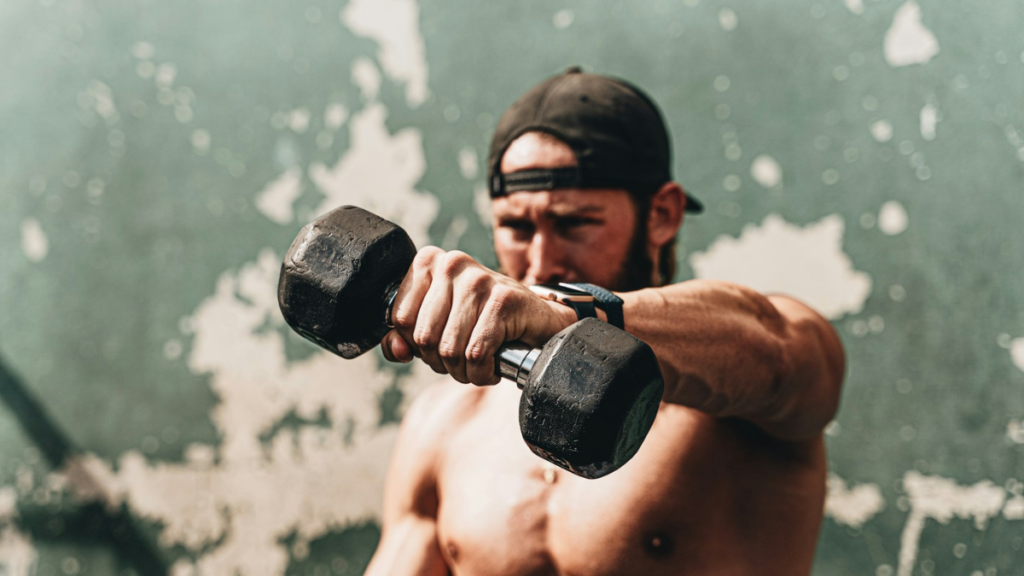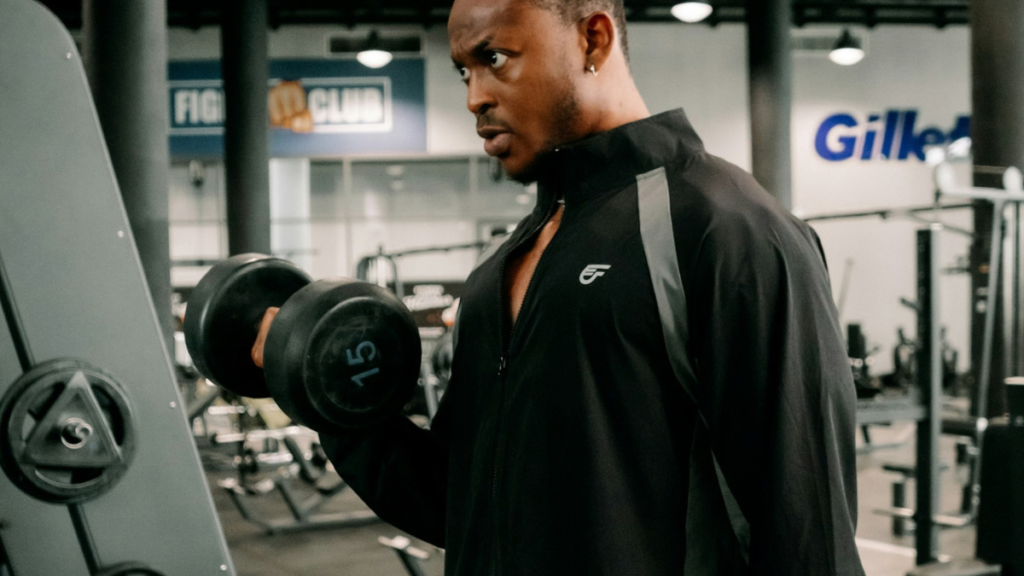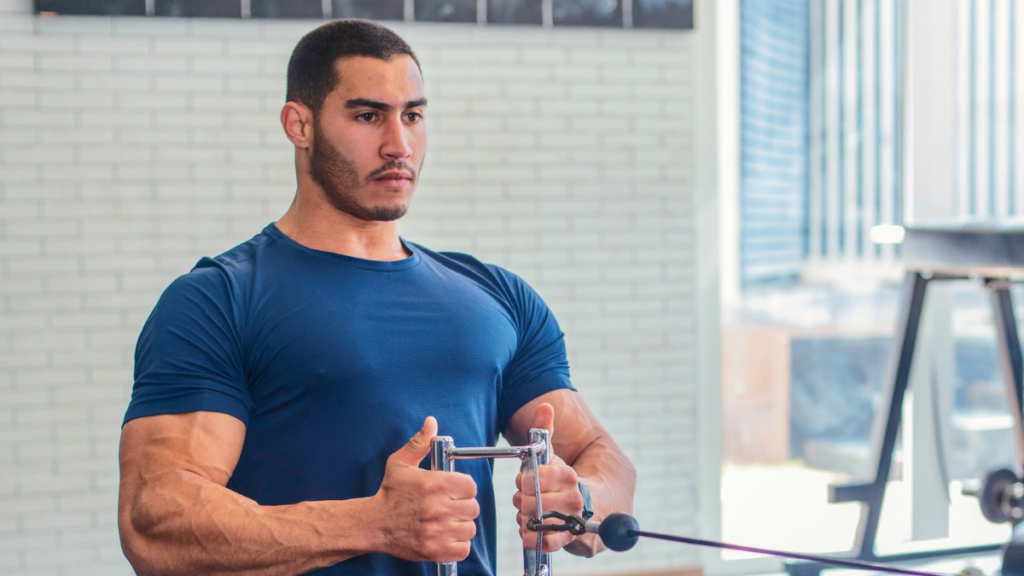


A wider looking upper arm is not created by one magic curl variation. It comes from adding meaningful muscle to the entire elbow flexor group, training it consistently, and using exercises that challenge the muscles through useful ranges of motion. Your biceps brachii matter, of course, but the brachialis and brachioradialis also make a major contribution to the thickness and width of your arm when viewed from the front and side.
There is an important reality check before getting into the best training methods. You cannot change the natural width of your bones, the insertion points of your muscles, or completely reshape a muscle into a new structure. What you can do is make the muscles of the upper arm larger. This creates a visibly fuller arm, especially when you develop the biceps alongside the brachialis, which sits underneath it and can push the biceps outward.


The following ten tips will help you build wider biceps with a more intelligent and evidence based approach.
Understand What Makes an Arm Look Wide
The biceps brachii is the most recognizable muscle on the front of the upper arm. It has two heads and crosses both the shoulder and elbow joints. It is responsible for elbow flexion, helping to turn the palm upward, and contributing to shoulder movement.
However, the biceps do not work alone. The brachialis lies underneath the biceps and is a powerful elbow flexor regardless of whether your palm faces up, down, or inward. Because it sits below the biceps, developing this muscle can make the whole upper arm look thicker and broader. The brachioradialis, which runs from the upper arm into the forearm, also adds size around the elbow and contributes to a stronger, more complete arm shape.

For that reason, a good wider biceps plan should include traditional supinated curls, neutral grip curls, and exercises that challenge the arm in different shoulder positions.
1. Prioritize Overall Biceps Growth Before Chasing Small Details
The first priority is simple: get stronger and add muscle to your elbow flexors over time. Exercise selection matters, but it cannot replace progressive training. A person with larger biceps, brachialis, and brachioradialis will usually have wider looking arms regardless of the exact curl variation they use.
What Happens If You Only Do Compound Exercises for Your Upper Body?
Research consistently shows that resistance training increases muscle size, with greater weekly training volumes generally producing greater hypertrophy up to a point. This does not mean you need endless sets of curls. It means you need enough hard, well performed work to create a reason for your muscles to adapt.
For many lifters, beginning with around six to ten challenging direct sets for the elbow flexors per week is a sensible place to start. You can then add volume gradually if you are recovering well, progressing in performance, and still want more arm growth. Compound pulling exercises such as chin ups, rows, and pulldowns also contribute to elbow flexor training volume, although direct curls are usually useful when biceps size is a specific goal.
2. Train the Brachialis With Hammer Curls
If your goal is wider arms, hammer curls deserve a permanent place in your program. With a neutral grip, meaning your palms face each other, the brachialis and brachioradialis can make a larger contribution to elbow flexion than they do during a standard palm up curl.
The brachialis is particularly valuable because it sits deep to the biceps. As it grows, it can add thickness to the upper arm and create the impression that the biceps are pushed outward. Hammer curls also allow many people to use controlled, challenging loads without placing the wrist in an uncomfortable position.
Use dumbbells, a rope attachment on a cable machine, or a neutral grip bar. Keep your upper arm relatively still and avoid turning the movement into a whole body swing. Lower the weight slowly, reach a comfortable stretch at the bottom, and curl without allowing your shoulder to roll forward.
A strong starting approach is two to four sets of eight to fifteen repetitions, performed once or twice per week. The key is not the exact number. The key is making the final repetitions genuinely challenging while maintaining clean technique.
3. Use Incline Dumbbell Curls for a Long Muscle Position
Incline dumbbell curls are one of the best options for training the biceps while the shoulder is extended behind the torso. This position places the biceps brachii at a longer length before the curl begins, creating a demanding stretch at the bottom of each repetition.
Training muscles at longer lengths has received considerable attention in hypertrophy research. Current evidence suggests that exercises and ranges of motion that load muscles while lengthened can be particularly effective for stimulating muscle growth. Research comparing incline and preacher curls has also found that both exercises can build the elbow flexors, while incline curls may produce greater growth of the biceps brachii itself.
Set the bench at a modest incline, allow your arms to hang naturally, and keep your shoulders back against the pad. Start with a lighter load than you think you need. The stretched position makes this exercise much harder than a standing curl, and poor control at the bottom can irritate the front of the shoulder or elbow.
Use a full, controlled range of motion, but never force a painful stretch. The aim is tension through the biceps, not discomfort in the joints.
4. Add Preacher Curls for Strict Elbow Flexion
Preacher curls are another valuable tool, especially for reducing momentum and making the elbow flexors work hard without assistance from the torso. Supporting the upper arm on a pad makes it difficult to swing the weight, which helps you direct more effort into the target muscles.
Preacher curls place the shoulder in a more flexed position than incline curls. This shortens the biceps at the shoulder while still allowing challenging elbow flexion. Research comparing preacher and incline curls found that preacher curls can be particularly effective for growth of the brachialis and brachioradialis, two muscles that contribute strongly to a wider arm appearance.
You can use a dumbbell, an EZ bar, a cable, or a machine. Cable preacher curls are especially useful because they can keep tension on the arm through much of the movement. Do not lock your elbow aggressively at the bottom or let the weight yank you into the stretched position. Control the lowering phase, pause briefly, then curl smoothly.
There is no need to choose between preacher curls and incline curls forever. Including both across your training week is a practical way to challenge the elbow flexors from different positions.
5. Use a Full Range of Motion
Partial repetitions can have a place in advanced training, but a full comfortable range of motion should be the foundation of most biceps work. This means lowering the weight until the elbow is close to straight, then curling until you have reached a strong contraction without rolling your shoulder forward or losing control.
Full range training allows you to load the muscle through a larger portion of its working length. It also makes it easier to track progress honestly. If you are only performing the easy middle of a curl, you may move more weight, but that does not automatically mean you are producing a better growth stimulus.
Research comparing different resistance training ranges of motion generally supports using full ranges for muscular development. For biceps training, the bottom portion is particularly useful because it trains the muscle in a more lengthened position. If you use partial repetitions, they should supplement, not replace, controlled full repetitions.
6. Take Sets Close to Muscular Failure
You do not need to reach complete failure on every curl, but your sets must be difficult enough to challenge the muscle. A set that ends because you are bored or because the weight feels easy will not provide the same stimulus as a set performed close to the point where another good repetition would be very difficult.
Research indicates that training close to failure can be an effective approach for muscle growth across a wide range of loads. This is useful for biceps training because curls work well with moderate and higher repetition sets. You do not need to use extremely heavy weights to build your arms, especially if very heavy curls cause you to cheat with your hips and shoulders.
For most working sets, stop with approximately one to three repetitions still possible using good form. Occasionally taking the final set of a safe exercise, such as a cable curl or machine curl, closer to true failure can be useful. Free weight curls require more judgment because technical breakdown can quickly shift tension away from the arm and toward the lower back or shoulders.
7. Progress Your Training Gradually
Biceps do not grow because you repeat the same comfortable workout every week. They grow when training creates a progressive challenge that your body must adapt to. This can mean adding a small amount of weight, performing an extra repetition with the same load, improving your range of motion, or completing the same work with better control.
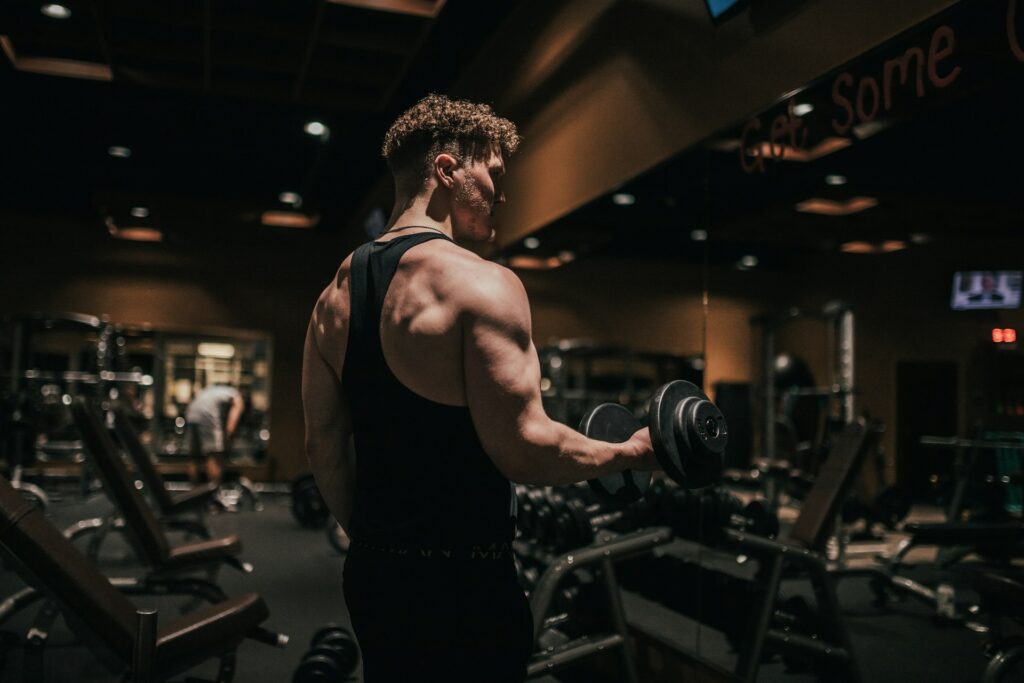
Progression does not need to be dramatic. Adding one repetition to a set of curls is meaningful progress. Increasing a dumbbell by a small increment after several weeks of consistent work is meaningful progress. The best progression system is one you can repeat without sacrificing your joints or technique.
Keep a simple training log. Record the exercise, load, repetitions, and sets. If you performed three sets of ten hammer curls with good form last week, aim for three sets of eleven this week. Once you can comfortably exceed the top of your chosen repetition range, increase the load slightly and build again.
8. Train Biceps Two or Three Times Per Week
Training biceps only once per week can work, but spreading your weekly volume across two or three sessions is often easier to recover from and may improve the quality of your sets. Instead of trying to perform twelve exhausting sets in one workout, you could complete six sets after one upper body session and another six sets later in the week.
Higher training frequencies do not appear to be superior when total weekly volume is identical, but dividing volume across multiple sessions can make it easier to maintain performance and effort. This is especially helpful for smaller muscles such as the elbow flexors, which can become fatigued quickly after pulling exercises.
A practical example might include incline dumbbell curls and hammer curls after one upper body workout, followed by preacher curls and cable hammer curls later in the week. This gives you variation without constantly changing your plan. Run the same core exercises for several weeks so that you can measure progress.
9. Rest Long Enough Between Hard Sets
Short rest periods can make a workout feel intense, but rushing through biceps exercises may reduce the quality of the sets that matter most. If you begin your next set while your grip, forearms, and biceps are still heavily fatigued, you may perform fewer useful repetitions or need to reduce the weight too much.
Research suggests that longer rest intervals can support greater strength and hypertrophy outcomes when compared with very short rest periods, partly because they allow better performance across multiple working sets. For biceps isolation work, resting around one and a half to three minutes is usually enough for most people.
You can use shorter rests for lighter cable work or pump focused finishers, but do not confuse discomfort with effectiveness. The goal is to accumulate hard, well executed repetitions. Give yourself enough recovery to make each set count.
10. Support Your Training With Enough Protein, Calories, and Sleep
No biceps routine can overcome poor recovery. Building muscle requires training, but it also requires adequate nutrition and sleep. Resistance training provides the signal for adaptation, while protein supplies amino acids that support muscle protein synthesis and repair.
Research shows that protein supplementation can enhance gains in muscle mass and strength during resistance training, particularly when total dietary protein intake would otherwise be low. For most healthy people who train regularly, a daily protein intake around 1.6 grams per kilogram of body weight is a useful evidence based target for supporting muscle growth. Some people may benefit from somewhat more, particularly during hard training phases or calorie restriction.

If your main goal is to add noticeable arm size, a small calorie surplus can make the process easier. You do not need an aggressive bulk. A modest increase in food intake, combined with progressive training, is usually enough to support gradual muscle gain while limiting unnecessary fat gain.
Sleep matters too. Inadequate sleep can impair recovery, training performance, and the body’s ability to build muscle tissue. Aim for a consistent routine that allows sufficient sleep, particularly when you are increasing training volume or trying to gain weight.
Build Wider Biceps With a Balanced Plan
The best way to build wider biceps is to stop searching for one perfect exercise and start building a complete plan. Use traditional curls to grow the biceps brachii. Use hammer curls and preacher work to give the brachialis and brachioradialis more direct attention. Include exercises that challenge the biceps at longer muscle lengths, train hard with controlled technique, and progress gradually over time.
Your arms will not transform after one workout, but consistent training creates visible changes. Focus on improving your performance over months, not chasing a different exercise every session. Build the entire elbow flexor group, recover properly, and your biceps will look thicker, stronger, and wider.
References
- American College of Sports Medicine (2009) ‘Progression models in resistance training for healthy adults’, Medicine and Science in Sports and Exercise, 41(3), pp. 687–708.
- Grgic, J., Schoenfeld, B.J., Skrepnik, M. and Davies, T.B. (2022) ‘Effects of resistance training performed to repetition failure or nonfailure on muscular strength and hypertrophy: A systematic review and meta analysis’, Journal of Sport and Health Science, 11(2), pp. 202–211.
- Kobayashi, Y., Maeo, S., Eihara, Y., Ono, M., Sato, M., Sugiyama, T., Kanehisa, H. and Isaka, T. (2024) ‘Distinct hypertrophy of the elbow flexors after incline versus preacher dumbbell curl training’, European College of Sport Science Annual Congress Proceedings.
- Morton, R.W., Murphy, K.T., McKellar, S.R., Schoch, R.D., Henselmans, M., Helms, E., Aragon, A.A., Devries, M.C., Banfield, L., Krieger, J.W. and Phillips, S.M. (2018) ‘A systematic review, meta analysis and meta regression of the effect of protein supplementation on resistance training induced gains in muscle mass and strength in healthy adults’, British Journal of Sports Medicine, 52(6), pp. 376–384.
- Schoenfeld, B.J., Ogborn, D. and Krieger, J.W. (2017) ‘Dose response relationship between weekly resistance training volume and increases in muscle mass: A systematic review and meta analysis’, Journal of Sports Sciences, 35(11), pp. 1073–1082.
- Schoenfeld, B.J., Grgic, J., Ogborn, D. and Krieger, J.W. (2017) ‘Strength and hypertrophy adaptations between low versus high load resistance training: A systematic review and meta analysis’, Journal of Strength and Conditioning Research, 31(12), pp. 3508–3523.
- Schoenfeld, B.J., Grgic, J., van Every, D.W. and Plotkin, D.L. (2021) ‘Loading recommendations for muscle strength, hypertrophy, and local endurance: A re examination of the repetition continuum’, Sports, 9(2), 32.
- Schoenfeld, B.J., Grgic, J., Haun, C., Itagaki, T., Helms, E.R. and Phillips, S.M. (2019) ‘How many times per week should a muscle be trained to maximize muscle hypertrophy? A systematic review and meta analysis of studies examining the effects of resistance training frequency’, Journal of Sports Sciences, 37(11), pp. 1286–1295.
- Schoenfeld, B.J., Pope, Z.K., Benik, F.M., Hester, G.M., Sellers, J., Nooner, J.L., Schnaiter, J.A., Bond-Williams, K.E., Carter, A.S., Ross, C.L., Just, B.L., Henselmans, M. and Krieger, J.W. (2016) ‘Longer interset rest periods enhance muscle strength and hypertrophy in resistance trained men’, Journal of Strength and Conditioning Research, 30(7), pp. 1805–1812.
- Strey, B., Irigoyen, A., McMahon, G. and colleagues (2026) ‘Muscle hypertrophy from partial repetition at long versus short muscle length: A systematic review and meta analysis’, Sports Sciences for Health, 22, pp. 33–46.
- Standring, S. (2020) Gray’s Anatomy: The Anatomical Basis of Clinical Practice. 42nd edn. London: Elsevier.
Key Takeaways
| Tip | What to do | Why it helps |
|---|---|---|
| Train the whole elbow flexor group | Combine supinated, neutral grip, and preacher curl variations | Builds the biceps, brachialis, and brachioradialis for a thicker arm |
| Use hammer curls | Perform controlled neutral grip curls weekly | Directly emphasizes muscles that add upper arm width |
| Include incline curls | Train curls with the arm slightly behind the torso | Challenges the biceps at a longer muscle length |
| Use preacher curls | Add strict supported curls | Limits momentum and can strongly train the brachialis and brachioradialis |
| Progress over time | Add repetitions, load, or better control gradually | Creates the progressive overload needed for growth |
| Train consistently | Spread direct biceps work across two or three weekly sessions | Makes quality volume easier to perform and recover from |
| Recover properly | Eat enough protein, sleep well, and avoid excessive fatigue | Supports adaptation and long term muscle growth |