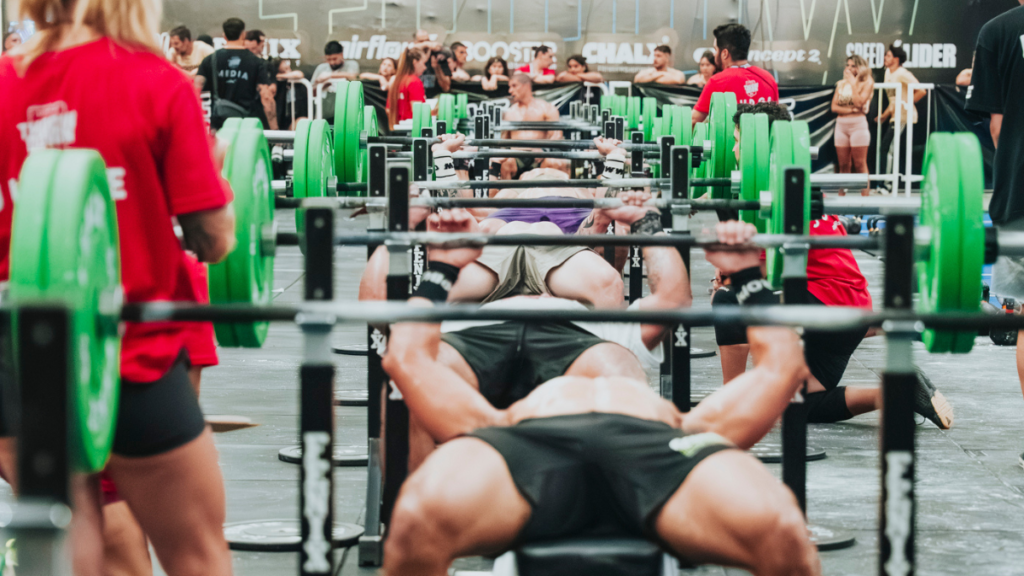


A bigger chest is not built by bench pressing alone. The barbell bench press deserves its place in a productive program, but many lifters repeat the same movement pattern until progress slows, joints become irritated, or the chest simply stops responding as well as it once did.
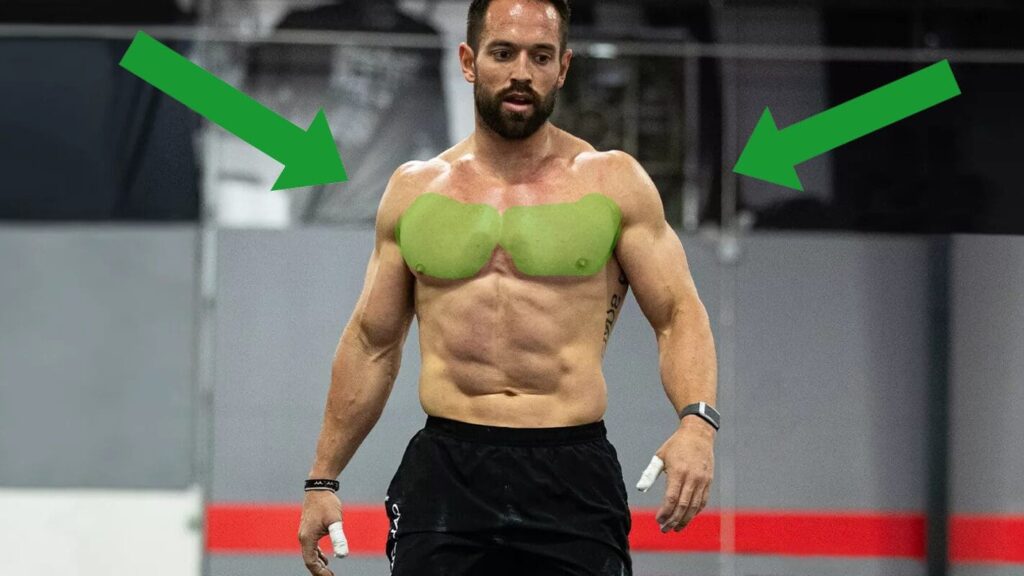
The pectoralis major is a large muscle that contributes to bringing the upper arm across the body, pressing it forward, and moving it downward from an elevated position. Chest training works best when it includes challenging resistance, enough hard sets over time, and exercises that can be loaded and performed through a controlled range of motion. Research consistently shows that resistance training can build muscle across a wide range of loads, provided sets are performed with sufficient effort and progression.


The three exercises below have been pushed aside by the endless hunt for new machines and social media variations. They are not magic, and they do not replace sensible pressing. They do offer useful ways to train your pecs with a different resistance curve, range of motion, and level of stability.
Why Exercise Variety Can Help Chest Growth
Variety is useful when it has a purpose. Randomly changing exercises every week makes it hard to improve technique and add load. However, intelligently rotating movements can help you continue training hard when a familiar exercise becomes stale or uncomfortable.
A chest program should include movements that allow progressive overload, meaning that you gradually increase load, repetitions, sets, or control over time. Research shows that muscle growth can occur with both lighter and heavier loads when training is taken close enough to muscular failure. This gives you room to use bodyweight exercises, dumbbells, cables, and weighted movements alongside traditional barbell work.
Best 3 Upper Body Barbell Exercises for Beginners to Get Jacked
Range of motion also matters. Reviews of resistance training research suggest that using a fuller range of motion generally produces at least comparable and often superior muscle growth to partial repetitions alone. That does not mean forcing your shoulders into painful positions. It means using the largest comfortable range that you can control with good technique.
The forgotten exercises below each offer something that standard bench pressing does not. One allows substantial loading with your bodyweight. One challenges the chest while your hands move freely. One trains the chest and shoulders while the arms travel overhead.
1. The Weighted Bar Dip
The bar dip is often treated as a triceps exercise, but a well performed version can be a valuable chest builder. It is especially effective for lifters who can already perform controlled bodyweight dips without shoulder discomfort.
Unlike a bench dip, which places the shoulder in a large amount of extension behind the body, a bar dip allows you to control your torso angle and depth more naturally. A study comparing bench, bar, and ring dips found meaningful differences in joint motion and muscle activity between the variations. The bar dip created high muscle activation while avoiding some of the extreme shoulder extension seen in the bench dip.
How to Perform the Weighted Bar Dip
Begin by supporting yourself on parallel bars with your elbows locked and shoulders held down rather than shrugged toward your ears. Cross your legs behind you or use a dip belt when bodyweight is no longer demanding enough.
Lean your torso slightly forward and allow your elbows to travel back and outward at a comfortable angle as you lower. Keep your chest open, but do not force an exaggerated arch. Descend until you reach a deep but pain free position, then press yourself back to the top by driving the bars down and bringing your arms toward your torso.
A more upright torso generally shifts more of the work toward the triceps. A small forward lean makes it easier to feel the chest contributing strongly to the pressing action. Your shoulders should remain controlled throughout the repetition. If they slide forward sharply at the bottom, reduce the depth and build strength gradually.
Why It Works
The weighted bar dip gives you a compound pressing exercise that can be progressively loaded for years. The pectoralis major, triceps, and anterior deltoid all contribute, allowing you to use more resistance than you could in an isolation movement.
This matters because building muscle requires repeated exposure to hard training. Compound exercises make it efficient to accumulate demanding chest work without needing an excessive number of individual exercises. Once bodyweight dips become manageable for multiple controlled sets, small additions of external load can provide a clear progression target.
The dip is not suitable for everyone. People with current shoulder pain, a history of instability, or pain at the bottom position should not push through discomfort. Use an assisted dip machine, reduce the range of motion, or choose another chest exercise while addressing the underlying issue.
Programming the Weighted Bar Dip
Use the weighted bar dip after a primary press or as the main pressing movement if it suits your structure and training goals. Two to four hard sets of six to 12 repetitions work well for most lifters. Stop with roughly one to three repetitions left before failure for most sets, while maintaining strict technique.
2. The Suspension Push Up
The push up is not forgotten, but the suspension push up often is. Many lifters see straps as a tool for core training or rehabilitation, then overlook how effectively they can challenge the chest.
Because the handles move independently, your chest, shoulders, arms, and trunk must control the position throughout every repetition. This does not automatically make the movement better than a regular push up. It does create a demanding option that can be adjusted simply by changing body angle, foot position, and tempo.
How to Perform the Suspension Push Up
Set the handles around knee height. Begin with your hands in the handles, arms straight, body in a firm plank, and feet positioned behind you. The farther your feet are from the anchor point, the more difficult the exercise becomes.
Lower your chest between the handles under control. Keep your wrists neutral, your shoulders steady, and your body straight from head to heel. At the bottom, your hands may move slightly wider than in a regular push up, but avoid allowing them to drift so far apart that your shoulders feel unstable.
Press the handles away and bring your arms back toward the center as you return to the starting position. Finish each repetition with control rather than forcefully snapping the handles together.
Why It Works
Research comparing suspension and stable surface push ups has found that suspension versions can produce greater pectoralis major activation at several body angles. The unstable handles also increase the demand on muscles that control the shoulder blade and trunk.
That said, muscle activation data do not guarantee greater long term growth. Electromyography measures electrical activity during an exercise, not months of hypertrophy. The practical value of suspension push ups is that they can be progressed, trained close to failure, and performed through a comfortable range with a natural hand path.
They are also useful for people who find straight bar pressing uncomfortable. The handles allow the hands and wrists to rotate naturally. This may make the movement more tolerable for some lifters, although discomfort should always be treated as a reason to adjust or stop, not something to ignore.
Programming the Suspension Push Up
Use this exercise for two to four sets of eight to 20 repetitions. Make it harder by lowering the handles, elevating your feet, wearing a weighted vest, slowing the lowering phase, or increasing your range of motion.
Avoid chasing instability for its own sake. If the straps are shaking so much that you cannot feel the chest working or control the movement, make the exercise easier. The goal is productive tension, not a balancing contest.
3. The Dumbbell Pullover
The dumbbell pullover has a long history in bodybuilding, yet it is rarely included in modern chest programs. It is often described as a chest expansion exercise, which overstates what it can do. No exercise can permanently widen an adult rib cage through training. Still, the pullover can be a useful accessory for the chest, shoulders, and lats when performed with realistic expectations.
Research examining pullover variations found weak to moderate activity in the clavicular portion of the pectoralis major, alongside notable involvement of the anterior deltoid. This is important because it tells us to use the pullover as an accessory movement, not as the foundation of a chest workout.
How to Perform the Dumbbell Pullover
Lie across a flat bench so that your upper back is supported and your hips remain slightly below bench height. You can also lie lengthwise on a bench if this feels more stable. Hold one dumbbell securely above your chest with both hands around one end.
Keep a small bend in the elbows and lower the dumbbell backward in a smooth arc. Stop when you feel a substantial stretch through the chest, lats, or shoulders without any pinching or loss of control. Pull the dumbbell back over your chest by driving your upper arms forward and downward.
The elbows should remain softly bent throughout the set. Bending them more on the way up turns the movement into a different exercise and often reduces consistency. Use a controlled tempo, especially during the lowering phase.
Why It Can Earn a Place in Your Program
The pullover trains the shoulder through a position that standard presses do not emphasize. It can provide a loaded stretch sensation through the chest and lats while challenging the muscles that bring the arms back toward the torso.
It is particularly useful as a finishing exercise after pressing, when you want additional chest work without more heavy elbow extension from the triceps. Lifters who perform a lot of bench pressing may appreciate this difference, since the triceps can become the limiting factor in repeated pressing movements.
The pullover requires good judgment. The shoulder is placed in a lengthened overhead position, so it should be introduced conservatively. Use a light dumbbell at first, limit the range to what you can control, and do not turn every repetition into an aggressive stretch.
Programming the Dumbbell Pullover
Perform two to three sets of 10 to 15 slow repetitions at the end of your chest or upper body workout. Keep the effort high enough that the final repetitions are difficult, but do not sacrifice shoulder position to chase more weight.
How to Build These Exercises Into a Chest Workout
You do not need all three exercises in every session. A productive approach is to begin with one primary press, add either weighted bar dips or suspension push ups as a second compound movement, then finish with pullovers if they feel good for your shoulders.
For example, you might use a horizontal press for heavier work, perform weighted bar dips for moderate repetitions, and finish with dumbbell pullovers for controlled higher repetitions. On another training day, suspension push ups can provide a less conventional pressing stimulus while allowing you to manage fatigue and joint stress.
Weekly volume should be built gradually. Research suggests that higher weekly set volumes can support greater hypertrophy, although the best amount varies between individuals and excessive volume can reduce training quality. Start with a manageable number of hard chest sets, track your performance, and add work only when you are recovering well and progressing.
The best chest exercise is not the one that creates the most dramatic sensation. It is the one you can perform safely, load progressively, and repeat consistently over time. These forgotten movements deserve a place in the rotation because they provide practical ways to keep your pec training productive.
Key Takeaways
| Exercise | Best use | Main coaching focus | Practical starting point |
|---|---|---|---|
| Weighted bar dip | Heavy compound chest and triceps work | Slight forward lean, controlled depth, pain free shoulders | Two to four sets of six to 12 repetitions |
| Suspension push up | Adjustable chest work with freely moving handles | Stable trunk, controlled handles, progressive body angle | Two to four sets of eight to 20 repetitions |
| Dumbbell pullover | Accessory work for chest, shoulders, and lats | Slow overhead arc, light to moderate load, no shoulder pinching | Two to three sets of 10 to 15 repetitions |
References
- Bull, M.L., Ferreira, M.I. and Vitti, M. (2007) ‘Electromyographic validation of the deltoideus anterior and pectoralis major clavicular portion muscles in pull over exercises’, Electromyography and Clinical Neurophysiology, 47(7 to 8), pp. 329 to 335.
- McKenzie, A., Crowley McHattan, Z., Meir, R. and Volschenk, W. (2022) ‘Bench, bar, and ring dips: Do kinematics and muscle activity differ?’, International Journal of Environmental Research and Public Health, 19(20), 13211.
- Nunes, J.P., Schoenfeld, B.J., Grgic, J., Cunha, P.M., Ribeiro, A.S. and Cyrino, E.S. (2021) ‘The effect of resistance training range of motion on muscle hypertrophy: A systematic review and meta analysis’, Sports Medicine, 51(9), pp. 1861 to 1874.
- Rodrigues, J.A., Büll, M.L., Dias, G.A.R., Gonçalves, M. and Guazzelli, J.F. (2005) ‘Electromyographic validation of the pectoralis major and deltoideus anterior muscles in inverted flying exercises with loads’, Electromyography and Clinical Neurophysiology, 45(7 to 8), pp. 425 to 432.
- Schoenfeld, B.J., Grgic, J., Ogborn, D. and Krieger, J.W. (2017) ‘Strength and hypertrophy adaptations between low versus high load resistance training: A systematic review and meta analysis’, Journal of Strength and Conditioning Research, 31(12), pp. 3508 to 3523.
- Schoenfeld, B.J., Ogborn, D. and Krieger, J.W. (2017) ‘Dose response relationship between weekly resistance training volume and increases in muscle mass: A systematic review and meta analysis’, Journal of Sports Sciences, 35(11), pp. 1073 to 1082.
- Schoenfeld, B.J., Ogborn, D. and Krieger, J.W. (2017) ‘Effects of resistance training frequency on measures of muscle hypertrophy: A systematic review and meta analysis’, Sports Medicine, 47(12), pp. 2583 to 2601.
- Lin, Y.C., Chiang, T.L., Chan, S.H., Lin, K.F. and Hsu, C.H. (2026) ‘Angle specific upper body muscle activation in suspension push ups: An electromyographic analysis across different body angles’, BMC Sports Science, Medicine and Rehabilitation, 18(1), 139.