

You feel fine. The limp is gone, the swelling has settled, the pain has faded, and the six weeks your doctor mentioned are up. None of that tells you whether the tissue can survive a full-speed sprint or a hard change of direction. That gap, between feeling recovered and being able to load the injury the way your sport does, is where most re-injuries happen.
A sports physiotherapist doesn’t clear you because the calendar says so. They clear you when your injured side can measurably do what the healthy side does. This guide walks through the tests they actually use, and why “how many weeks” is the wrong question.


What healing time actually tells you
Tissue heals on a rough schedule. A grade 1 hamstring strain might be structurally sound in three to four weeks, an ankle ligament sprain in a similar window. Structural healing tells you the tear has knitted. It says nothing about whether the muscle produces full force at length, or whether the ankle can stabilise on an uneven landing.
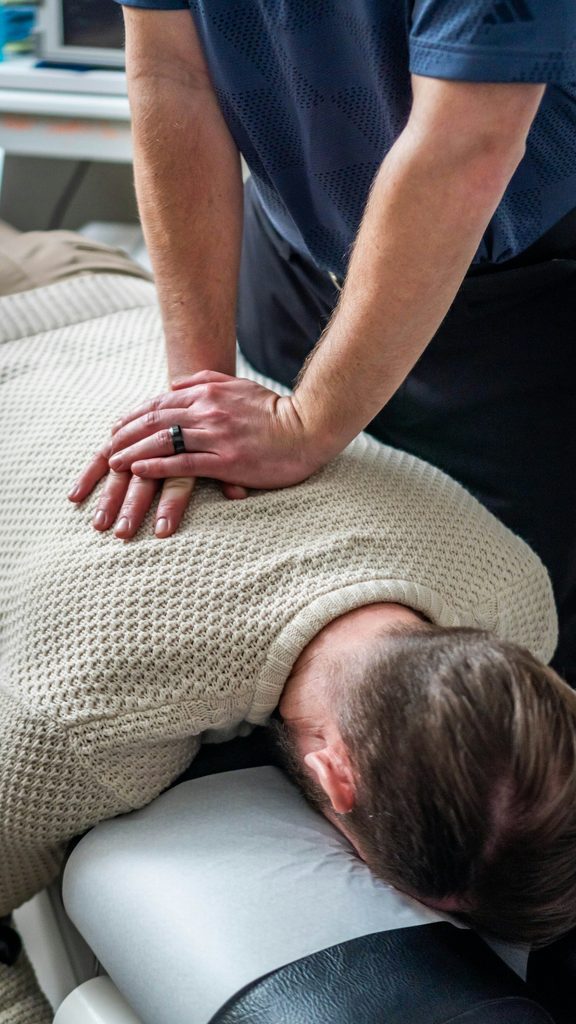
After a hamstring injury, the muscle often stays weaker at long lengths and fires a fraction of a second late for weeks after it stops hurting. That delay is enough to lose the sprint. After an ankle sprain, the joint’s position sense stays blunted long after the swelling clears, which is why the same ankle rolls again on a step you’d normally handle without thinking. Pain and swelling settling early is exactly what tricks people into going back too soon.
The strength test: matching your good side
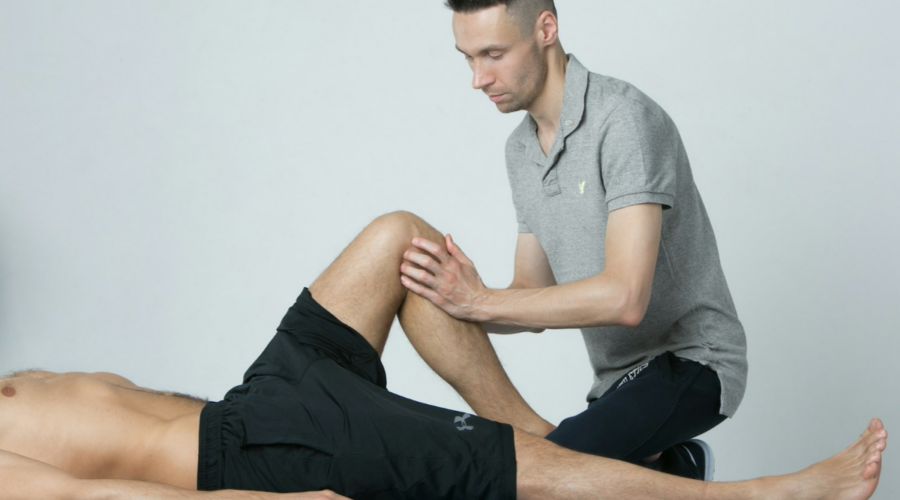
The first objective marker is symmetry. Your physio measures force output on the injured limb and compares it to the uninjured one, usually with a handheld dynamometer or, in a well-equipped clinic, isokinetic testing. The working benchmark is a limb symmetry index of 90 percent or better: the injured side producing at least nine-tenths of what the good side can.
For a hamstring, that means testing at the muscle lengths where it’s vulnerable, not a comfortable mid-range squeeze. For a knee or ankle, it means the surrounding muscles that protect the joint, not only the ones that hurt. A deficit larger than 10 percent is a reason to keep training. And strength built in a clinic under controlled conditions still has to survive the chaos of a game, which is why strength on its own never clears anyone.
Adding speed with the single-leg hop
A dynamometer test is slow and predictable. A game is neither, so the next test brings in speed and landing control. The single-leg hop battery is the standard tool: a single hop for distance, then a triple hop, a crossover hop, and a timed hop over six metres, each done on one leg and compared side to side.
The physio watches the landing as closely as the distance. They want to see you decelerate on the injured leg without the knee caving inward, and land clean instead of stumbling off it. A leg can test strong in a straight push and still fold when it has to absorb load on one foot at speed. The 90 percent rule applies here too. A controlled landing counts for more than a long hop that ends in a wobble.
Full-speed drills and the next-day check
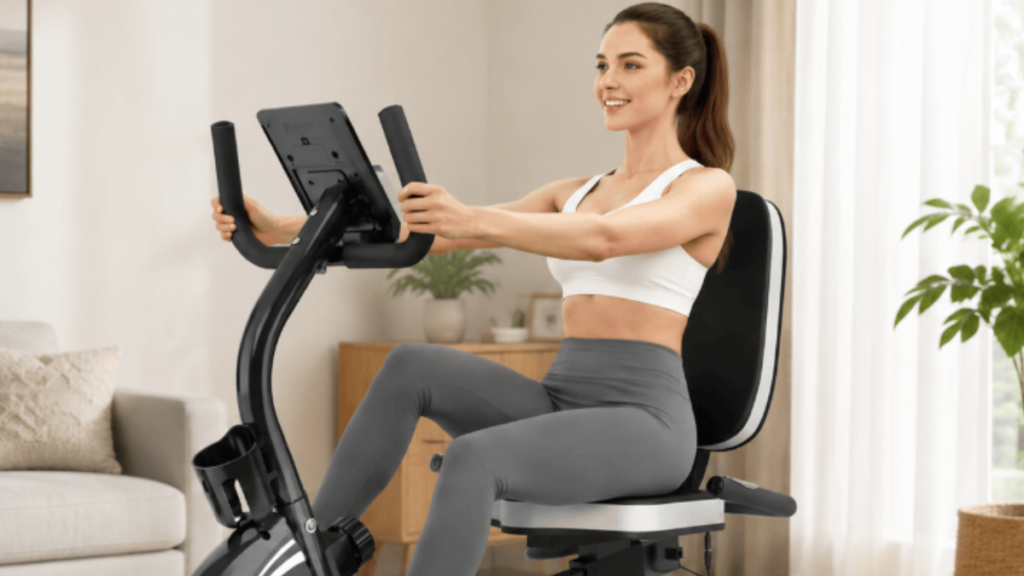
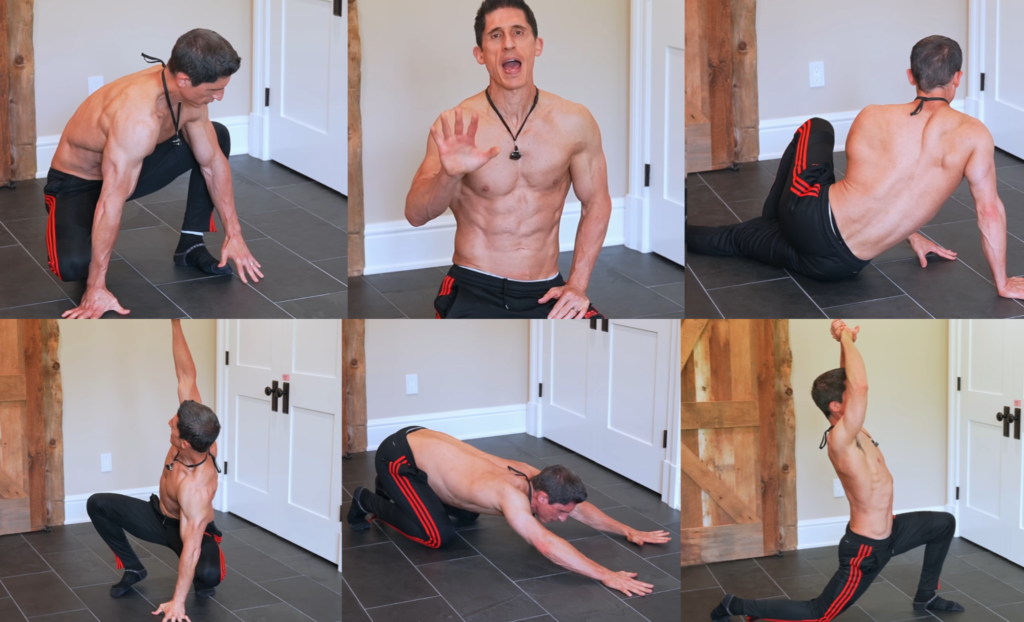
The last stage puts you back into the movements your sport demands, then checks how your body answers the next morning. A footballer runs cutting and acceleration drills at full pace, while a runner builds to race speed. A netballer lands and pivots off the injured side under fatigue. The test is whether you can complete these at full intensity with no pain during, and no swelling or deep soreness the day after.
Next-day response is the honest signal. A joint that puffs up overnight, or a muscle that’s tight and sore twelve hours later, is telling you the load exceeded what the tissue can currently handle, even if it felt fine in the moment. Passing means doing the hard session and waking up unremarkable.
When to bring in a sports physiotherapist
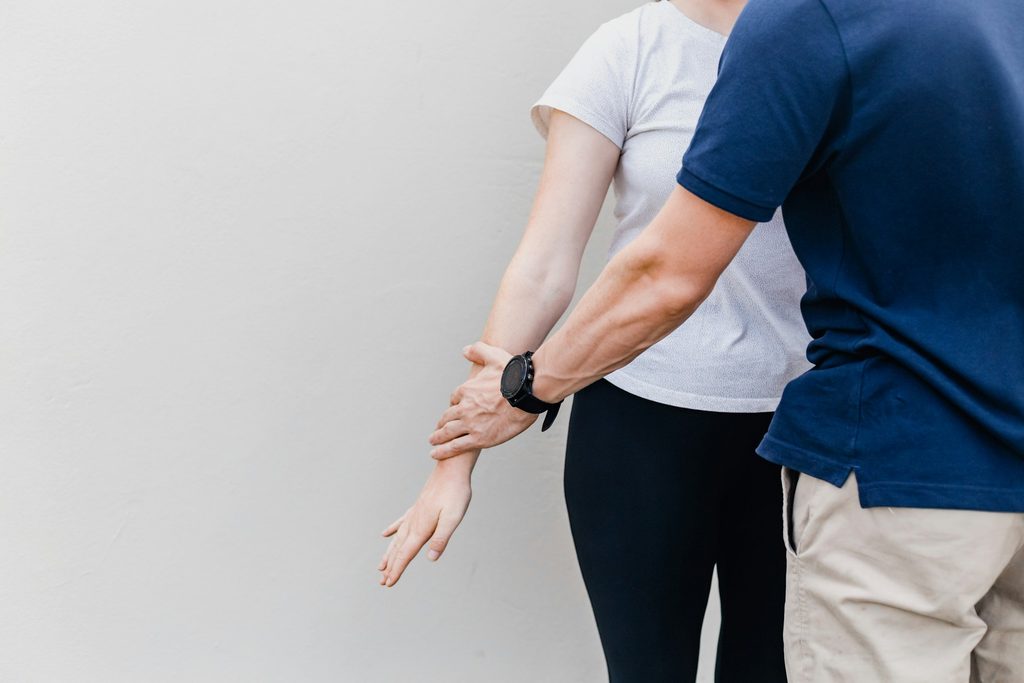
You can gauge some of this yourself. If you can’t hop on the injured leg as far or as confidently as the other, or if the joint swells after a hard session, you’re not ready, whatever the date says. Reading force output and landing mechanics accurately, and building the graded steps that take you from gentle exercise to full-speed drills, is harder to do without training.
Clinics such as Optimise Health, a Warwick sports physiotherapy clinic that runs graded return-to-sport programs, clear an athlete against these markers rather than a fixed number of weeks. Going back before the markers are met is the most common reason a strained hamstring or a sprained ankle re-tears inside the first month.
A clinic set up for this pairs hands-on treatment with targeted exercise, and adds tools such as dry needling to settle the injury itself. It then progresses the rehab in stages, from gentle movement up to sport-specific work, so you rebuild strength, flexibility, control and agility before a game tests them. Optimise Health, an Australian Physiotherapy Association member practising at Shop 2/44-46 Wood St in Warwick, Queensland, is one example of that criteria-based approach. See a sports physiotherapist when the injury keeps recurring, or when you’re facing a hard return date and want the decision made on numbers rather than a hunch.
—
This article is for informational purposes only and is not intended as a substitute for professional medical advice, diagnosis, or treatment. Always seek the guidance of a qualified health provider with any questions you may have regarding an injury or a medical condition.