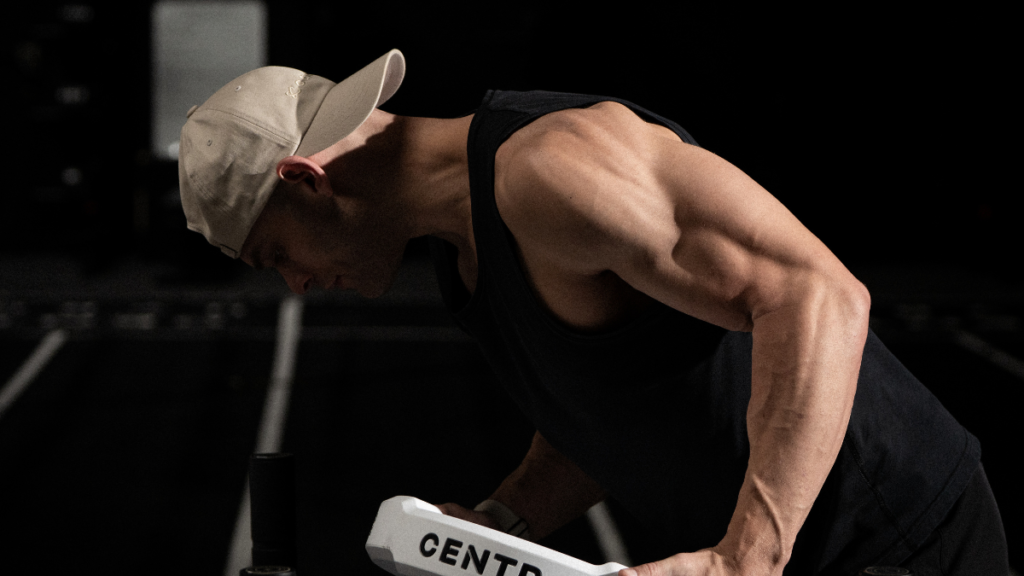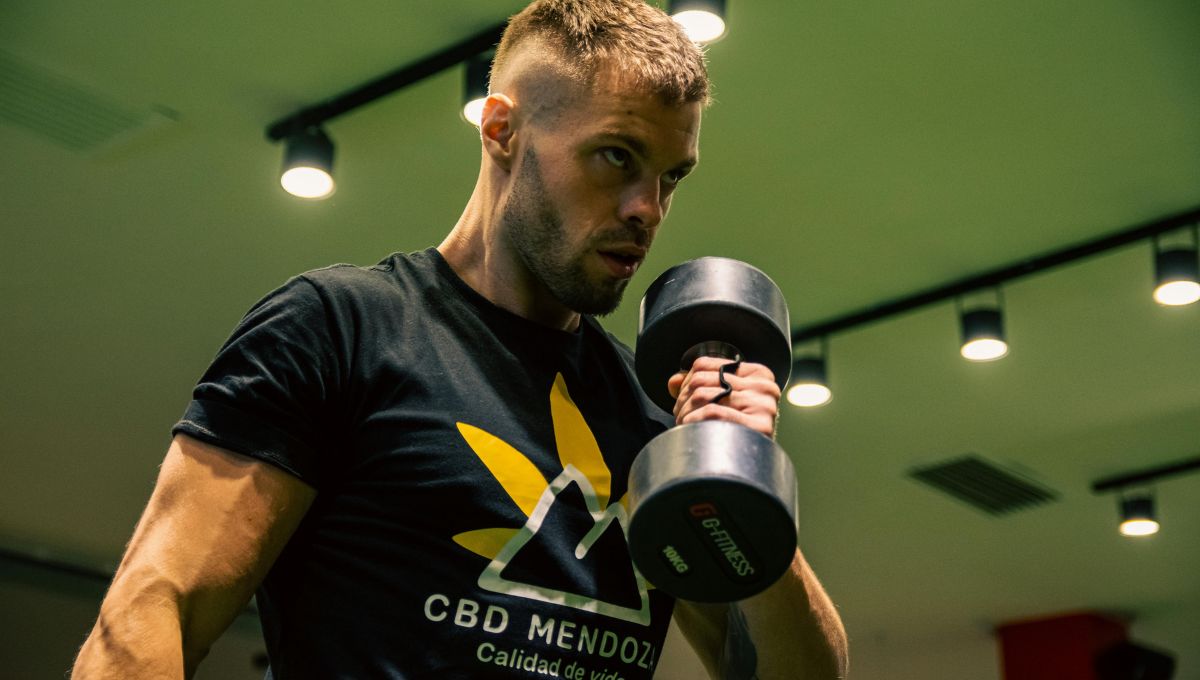


Big biceps are one of the most sought after muscle groups in fitness. Whether your goal is to fill out a t shirt, improve pulling strength, or simply build a more balanced physique, bigger arms are often high on the priority list. Yet many people spend years doing endless curls without seeing significant growth.
The truth is that biceps development is not just about doing more repetitions or adding random arm workouts at the end of training sessions. Muscle growth follows specific physiological principles. Understanding those principles and applying them through effective exercise selection can dramatically improve results.


Research consistently shows that muscle hypertrophy is influenced by mechanical tension, muscle length under load, training volume, proximity to failure, and exercise variety. The best biceps exercises maximize these factors while allowing progressive overload over time.
Understanding How the Biceps Grow
Before diving into the exercises, it helps to understand the anatomy and function of the biceps brachii.
The biceps consists of two heads. The long head runs along the outer portion of the upper arm and contributes significantly to the biceps peak. The short head sits on the inner side and contributes to overall arm thickness. Together, these muscles flex the elbow and assist with forearm supination, which is the act of turning the palm upward.
Another important muscle is the brachialis, which lies underneath the biceps. Increasing the size of the brachialis can push the biceps upward, creating the appearance of larger arms.

Modern hypertrophy research suggests that training muscles at longer lengths can produce superior growth compared to partial ranges of motion or exercises that emphasize only shortened positions. Studies have also shown that exercises creating high tension during the stretched phase may offer unique hypertrophic advantages. With these principles in mind, the following four exercises stand out as exceptional tools for building bigger biceps.
Exercise 1: Incline Dumbbell Curl
Why It Works
The incline dumbbell curl is one of the best exercises for placing the biceps in a stretched position. When seated on an incline bench with the arms hanging behind the torso, the long head of the biceps experiences substantial elongation before the curl even begins.
Research suggests that training muscles under stretch can enhance hypertrophy by increasing mechanical tension across muscle fibers. This makes the incline dumbbell curl especially effective for stimulating growth in the long head of the biceps.
Unlike standing curls, the incline position limits momentum and forces the biceps to perform most of the work throughout the movement.
How to Perform It
Set an adjustable bench to approximately 45 to 60 degrees. Sit back with a dumbbell in each hand and allow the arms to hang straight down.
Keep the elbows slightly behind the torso throughout the movement. Curl the dumbbells upward while supinating the wrists. Squeeze the biceps hard at the top and lower the weight slowly under control. Avoid swinging the weights or bringing the elbows forward excessively.
Programming Recommendations
For hypertrophy, perform three to four sets of eight to twelve repetitions. Focus on a controlled eccentric phase lasting approximately two to three seconds.
Because the exercise creates significant tension in the stretched position, moderate loads are often sufficient to stimulate growth.
Exercise 2: Preacher Curl
Why It Works
The preacher curl has been a bodybuilding staple for decades and remains one of the most effective isolation exercises for the biceps.
The design of the preacher bench restricts body movement and minimizes momentum. This creates continuous tension throughout the movement while forcing the elbow flexors to handle the workload directly.
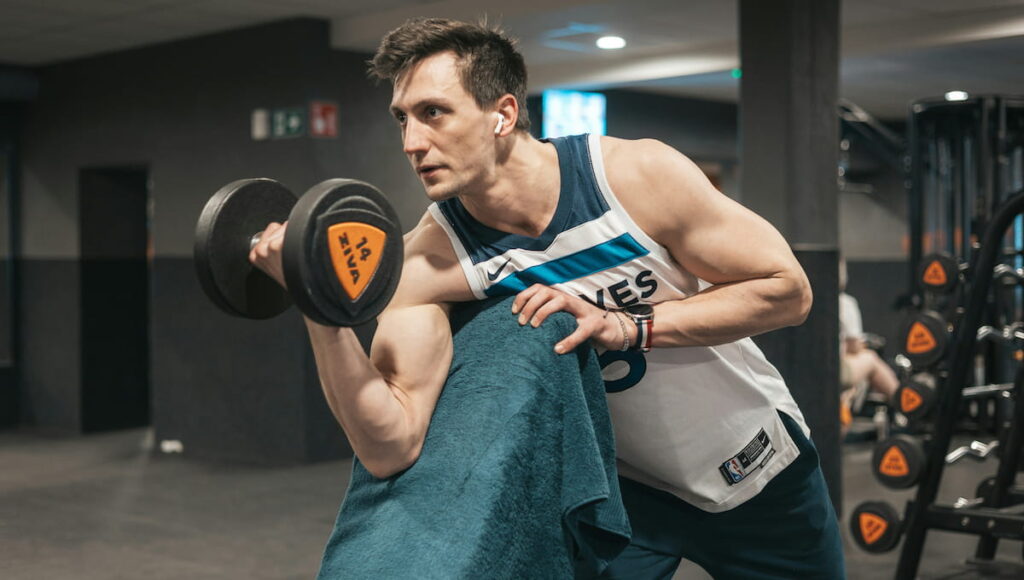
Recent evidence has highlighted the benefits of training at longer muscle lengths. During the lower portion of the preacher curl, the biceps experience substantial stretch while producing force. Research comparing preacher curls with other curl variations has found favorable hypertrophy outcomes due to this unique loading profile.
The preacher curl also makes it difficult to cheat, helping ensure that the targeted muscles remain under tension.
How to Perform It
- Adjust the preacher bench so the upper arms rest comfortably on the pad.
- Grip an EZ bar, straight bar, or dumbbell and begin with the elbows nearly extended. Curl the weight upward until the forearms approach vertical.
- Pause briefly at the top before lowering under control.
- Do not bounce out of the bottom position or allow the shoulders to take over the movement.
Programming Recommendations
Perform three to four sets of ten to fifteen repetitions. The preacher curl responds particularly well to moderate repetition ranges due to the challenging bottom position and reduced involvement of supporting muscles.
Exercise 3: Chin Up

Why It Works
Many people think of chin ups primarily as a back exercise, but they are also one of the most powerful biceps builders available. A supinated grip places the biceps in an advantageous position for elbow flexion while simultaneously requiring the muscles to handle significant external resistance. Unlike isolation exercises, chin ups allow the biceps to work against body weight and additional loads.
Research measuring muscle activation has consistently shown high levels of biceps involvement during chin ups. The exercise also allows progressive overload through weighted variations, making it an excellent long term growth tool.
Because chin ups recruit multiple muscle groups, they can generate substantial mechanical tension, which remains one of the primary drivers of hypertrophy.
How to Perform It
- Hang from a pull up bar using a shoulder width underhand grip.
- Initiate the movement by pulling the chest toward the bar while keeping the elbows driving downward.
- Continue until the chin clears the bar, then lower yourself under control.
- Avoid excessive swinging or kipping.
Exercise 4: Bayesian Cable Curl
Why It Works
The Bayesian cable curl has gained popularity among evidence based coaches for good reason. This exercise combines two powerful hypertrophy factors. First, it places the biceps in a stretched position similar to the incline dumbbell curl. Second, the cable provides consistent tension throughout the entire range of motion.
Unlike free weights, which lose tension at certain points due to gravity, cables maintain resistance across the movement. This can increase total muscular work and improve stimulus quality. The setup also emphasizes the long head of the biceps, making it particularly valuable for athletes seeking greater arm size and peak development.
How to Perform It
- Attach a single handle to a low cable pulley.
- Stand facing away from the machine and grasp the handle with one hand. Step forward until the arm is positioned slightly behind the torso.
- Curl the handle toward the shoulder while keeping the elbow relatively fixed.
- Slowly return to the starting position and allow the biceps to stretch fully before beginning the next repetition.
Programming Recommendations
Perform three to four sets of ten to fifteen repetitions.
Focus on feeling the stretch at the bottom and maintaining continuous tension throughout each repetition.
The Importance of Progressive Overload
Even the best exercises fail if progression stops. Progressive overload refers to gradually increasing the demands placed on the muscles over time. This can occur through adding weight, increasing repetitions, improving technique, or performing additional sets.
Muscles adapt to stress. Once a particular workload becomes easy, growth signals begin to diminish. Tracking performance in a training log helps ensure consistent progression.
For example, if you perform incline dumbbell curls with 30 pound dumbbells for ten repetitions, aim to eventually achieve eleven or twelve repetitions before increasing the weight. Small improvements accumulate into significant gains over months and years.
Sample Biceps Workout
A highly effective biceps focused workout could look like this:
- Incline Dumbbell Curl: 4 sets of 8 to 12 repetitions
- Weighted Chin Up: 4 sets of 6 to 10 repetitions
- Preacher Curl: 3 sets of 10 to 15 repetitions
- Bayesian Cable Curl: 3 sets of 10 to 15 repetitions
This session provides a combination of heavy loading, stretch focused training, and constant tension. Performed once or twice weekly alongside a balanced training program, it can produce significant arm growth over time.
Final Thoughts
Building bigger biceps does not require dozens of exercises or complicated training methods. The key is selecting movements that create high levels of tension, train the muscles through a full range of motion, and allow consistent progression.
The incline dumbbell curl, preacher curl, chin up, and Bayesian cable curl represent four of the most effective biceps building exercises available. Each targets the muscle from a slightly different angle while aligning closely with modern hypertrophy research.
Combined with sufficient training volume, progressive overload, adequate protein intake, and proper recovery, these exercises can help accelerate biceps growth and improve overall arm development. Consistency remains the most important factor. Apply these exercises intelligently, track progress over time, and your sleeves may start feeling a lot tighter than they do today.
Key Takeaways
| Topic | Key Point |
|---|---|
| Best Stretch Exercise | Incline dumbbell curls place the biceps under significant stretch, which may enhance hypertrophy. |
| Best Stability Exercise | Preacher curls reduce momentum and create high tension through the lower range of motion. |
| Best Heavy Builder | Chin ups allow significant loading and high biceps activation. |
| Best Constant Tension Exercise | Bayesian cable curls provide resistance throughout the entire movement. |
| Weekly Volume | Around 10 to 20 weekly sets per muscle group is effective for most lifters. |
| Training Frequency | Splitting volume across 2 to 3 sessions per week can improve training quality. |
| Failure Training | Training close to failure is effective, but absolute failure is not required on every set. |
| Protein Intake | Approximately 1.6 to 2.2 g/kg/day supports muscle growth. |
| Recovery | Seven to nine hours of sleep per night helps maximize adaptation and performance. |
| Long Term Success | Progressive overload and consistency remain the primary drivers of muscle growth. |
References
• Ahtiainen, J.P., Pakarinen, A., Alen, M., Kraemer, W.J. and Häkkinen, K. (2003) ‘Muscle hypertrophy, hormonal adaptations and strength development during strength training in strength trained and untrained men’, European Journal of Applied Physiology, 89(6), pp. 555 to 563.
• Grgic, J., Schoenfeld, B.J. and Latella, C. (2021) ‘Resistance training to muscular failure and its effects on hypertrophy and strength: A systematic review and meta analysis’, Journal of Sport and Health Science, 10(5), pp. 522 to 531.
• Maeo, S., Ando, Y., Kanehisa, H. and Kawakami, Y. (2021) ‘Muscular adaptations to training at long muscle lengths in resistance training: A systematic review’, Sports Medicine, 51(11), pp. 2353 to 2368.
• Nunes, J.P., Schoenfeld, B.J., Nakamura, M., Ribeiro, A.S. and Cyrino, E.S. (2022) ‘Does resistance training volume enhance muscle hypertrophy? A systematic review and meta analysis’, Sports Medicine, 52(5), pp. 1075 to 1091.
• Pedrosa, G.F., Lima, F.V., Schoenfeld, B.J., Vieira, A.F. and Chaves, T.S. (2023) ‘Muscle hypertrophy in response to preacher curl and incline curl training: Effects of muscle length during resistance exercise’, European Journal of Sport Science, 23(9), pp. 1582 to 1591.
• Schoenfeld, B.J. (2010) ‘The mechanisms of muscle hypertrophy and their application to resistance training’, Journal of Strength and Conditioning Research, 24(10), pp. 2857 to 2872.
• Schoenfeld, B.J., Ogborn, D. and Krieger, J.W. (2017) ‘Dose response relationship between weekly resistance training volume and increases in muscle mass: A systematic review and meta analysis’, Journal of Sports Sciences, 35(11), pp. 1073 to 1082.
• Schoenfeld, B.J., Grgic, J. and Krieger, J. (2019) ‘How many times per week should a muscle be trained to maximize muscle hypertrophy? A systematic review and meta analysis of studies examining the effects of resistance training frequency’, Journal of Sports Sciences, 37(11), pp. 1286 to 1295.