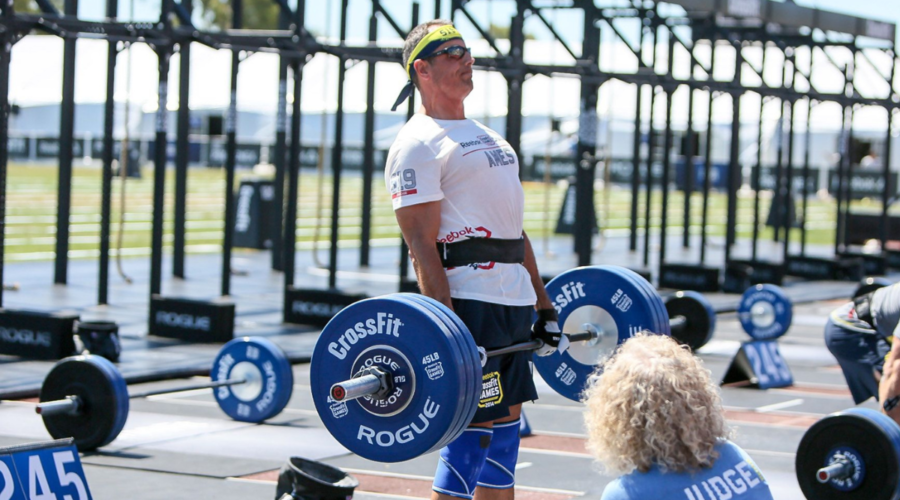


After 40, cardio and strength training both become more important, not less. They protect different parts of your health, improve different physical qualities, and work best when combined. The question is not really which one is universally more important. The better question is which type of training you are currently missing.
Cardio improves cardiorespiratory fitness, which is your ability to supply and use oxygen during sustained activity. It supports heart health, metabolic health, walking capacity, and endurance. Strength training improves muscular strength, muscle mass, bone health, and the physical capacity to lift, climb, carry, and get up from the floor.


If you do no regular exercise, beginning with the activity you can perform consistently is the most important step. If you already walk or run often but do not lift, strength training is probably the missing piece. If you lift consistently but struggle to climb stairs, walk briskly, or sustain activity, cardio deserves more attention.
Why Fitness Priorities Change After 40
Aging affects multiple systems at the same time. Muscle strength and muscle mass tend to decline with age, particularly when activity levels fall. Bone density can also decline, and reduced strength can make common tasks more difficult over time. At the same time, cardiorespiratory fitness tends to decrease without regular aerobic activity.
These changes are not inevitable at the same rate for everyone. Training can meaningfully improve strength, fitness, and physical function in middle aged and older adults. The goal is not to train like a professional athlete. The goal is to maintain and improve the capacities that keep everyday life easier and support long term health.

Cardio and strength training have different primary adaptations. Walking, cycling, running, swimming, and similar activities place a sustained demand on the heart, lungs, and circulation. Resistance training places a progressively challenging demand on muscles, tendons, bones, and the nervous system.
Choosing only one mode leaves some benefits on the table. Aerobic activity alone does not provide the same strength stimulus as resistance training. Strength training alone does not usually improve cardiorespiratory fitness as much as structured aerobic work.
The Case for Cardio After 40
Cardio is essential because cardiorespiratory fitness is strongly linked with health and longevity. Regular aerobic physical activity is associated with lower all cause mortality risk, and even relatively small amounts of moderate to vigorous activity are associated with meaningful benefits in older adults.
A large United States cohort study found that mortality risk was lower among adults who performed aerobic activity, with benefits beginning at low weekly amounts and increasing up to a moderate dose. The same study found that the combination of aerobic activity and muscle strengthening work was associated with additional benefit.
Cardio also trains a quality that strength training cannot fully replace: the ability to perform sustained work. Being able to walk quickly, climb several flights of stairs, ride a bike, play with children, or complete a long hike is partly a cardiorespiratory fitness issue. Strong legs help, but the heart and lungs need their own training stimulus.
What Counts as Cardio?
Cardio does not need to mean running. Brisk walking, cycling, rowing, swimming, hiking, dancing, elliptical training, and organized sport can all improve aerobic fitness when performed at a sufficient intensity and volume.
Best 3 Kettlebell Exercises for Beginners to Get a Jacked Upper Body
A useful practical guide is the talk test. During moderate activity, you should be able to speak in sentences but not sing comfortably. During vigorous activity, you may be able to say only a few words before needing a breath. Both intensities can be useful, and the best choice depends on your current fitness, preferences, and joint tolerance.
For adults who have been inactive, walking is an excellent starting point. Research shows that even lower amounts of moderate to vigorous physical activity are associated with lower mortality risk in older populations. Consistency matters more than starting with an exhausting workout.
As fitness improves, include some sessions that raise your heart rate noticeably. Intervals can be useful, but they are not mandatory. A steady 30 to 45 minute brisk walk or bike ride performed regularly can provide substantial health benefits.
Cardio Is Not Only About Calories
Many people use cardio mainly as a way to burn calories. Energy expenditure matters for body weight management, but it is not the full value of aerobic training. Cardio improves the body’s ability to perform sustained activity and can improve cardiorespiratory fitness independently of visible changes in body shape.
This matters after 40 because maintaining aerobic capacity supports independence and physical confidence. A person who can comfortably walk long distances, climb stairs, and recover quickly from exertion has an important form of fitness that cannot be measured by bodyweight alone.
The Case for Strength Training After 40
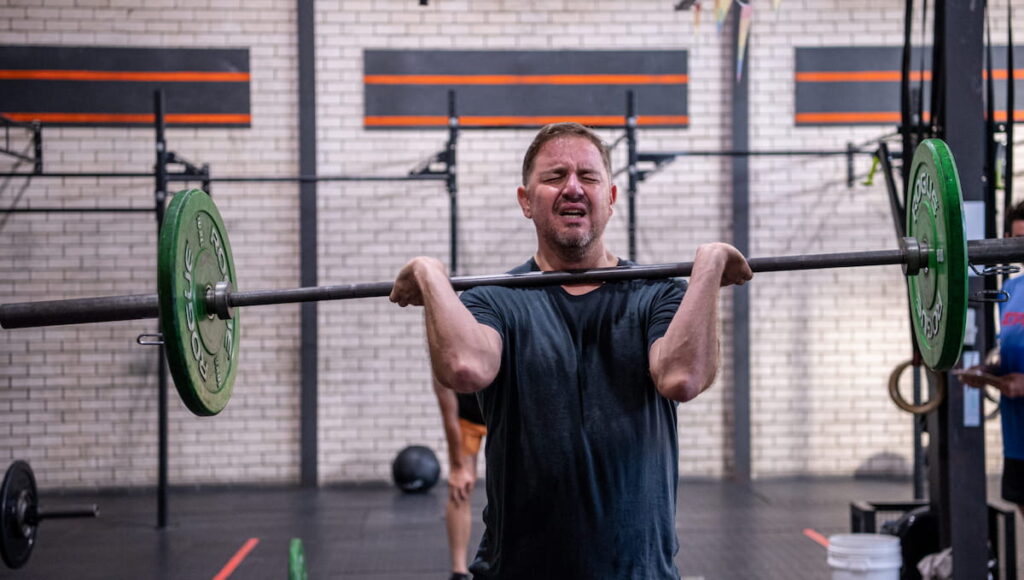
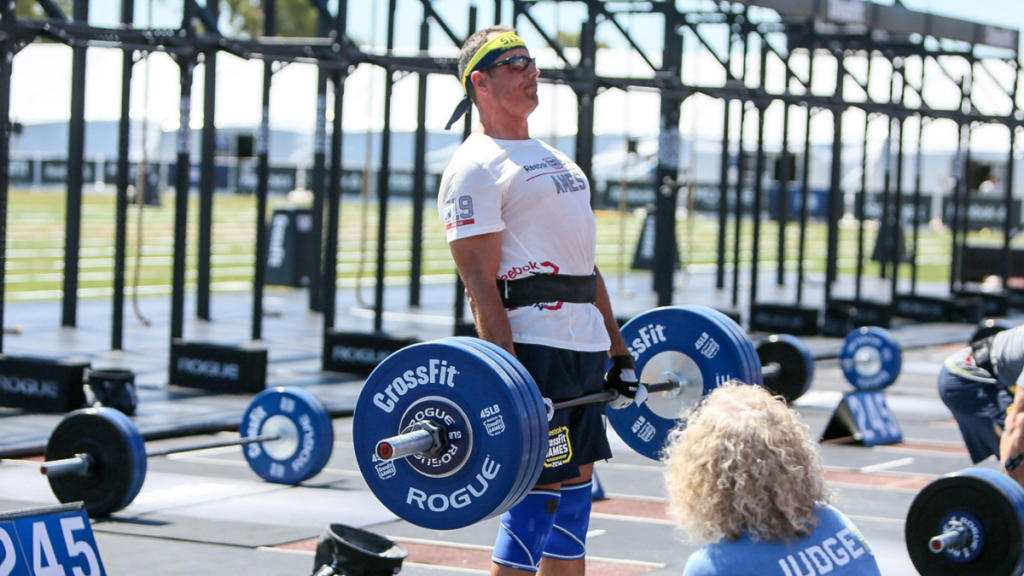
Strength training becomes increasingly valuable after 40 because it directly trains the muscles and movement patterns used in everyday life. Getting up from a chair, carrying groceries, lifting a suitcase, pushing a heavy door, and climbing stairs all require muscular strength.
Research in older adults shows that resistance training improves muscular strength and physical function. Progressive resistance training can also improve bone mineral density at the hip and femur, although changes in bone density are generally smaller and less consistent than the improvements in strength.
Strength training is also the most direct exercise method for maintaining and building muscle mass. Aerobic activity is excellent for health, but it does not provide the same progressive mechanical tension that muscles need to grow stronger and larger.
You Do Not Need to Lift Extremely Heavy
Strength training does not require one repetition maximum attempts or advanced barbell lifts. Machines, dumbbells, cables, resistance bands, kettlebells, and bodyweight movements can all work.
The basic requirement is that the exercise becomes challenging enough to stimulate adaptation. For many adults, this means using a load that allows roughly six to 15 controlled repetitions before form would begin to break down. Lighter loads can also build muscle when sets are performed close enough to fatigue.

A simple full body program can include a squat or leg press pattern, a hip hinge or hip extension pattern, a push, a pull, and a carry or core exercise. This covers the major movement patterns without making training overly complicated.
The lower body deserves special attention. Strong legs and hips support walking, stair climbing, balance recovery, and the ability to rise from low positions. Research suggests that higher resistance training volumes are generally more effective for improving lower body strength in older adults, while even lower volumes can improve physical function and lean mass.
Strength Supports Function, Not Just Appearance
Muscle size may be a personal goal, but strength training after 40 has a larger purpose. It helps preserve the physical reserve that makes daily tasks easier. A higher level of strength gives you more capacity before ordinary activities feel difficult.
For example, lifting a 20 pound bag is very different when it represents a small fraction of your ability rather than a near maximal effort. The same is true for climbing stairs, lifting a child, or standing up after a long day. Strength gives you room to move through life with less effort.
Why Combining Both Is Better Than Choosing One
Concurrent training means combining aerobic and resistance training in the same weekly plan. Research in adults from middle age through older age shows that concurrent training improves both cardiorespiratory fitness and muscular strength.
A systematic review and meta analysis of 49 studies found that combined training improved cardiorespiratory fitness more than resistance training alone. It also improved upper and lower body strength more than aerobic training alone. Importantly, it did not reduce the improvement in aerobic fitness compared with aerobic training alone or reduce strength gains compared with resistance training alone.
This is the clearest answer to the cardio versus strength training debate. Each type of training provides benefits that the other cannot fully duplicate, and combining them can preserve the key adaptations of each.
Does Cardio Cancel Out Strength Gains?
The concern that cardio automatically ruins strength or muscle gains is overstated for most people. High volumes of demanding endurance work can interfere with lower body strength development in some circumstances, especially when training is highly specialized. However, this is not the same as saying that normal cardio sessions will cancel the benefits of lifting.
For adults training for general health, body composition, and everyday performance, the benefits of doing both usually outweigh any small compromise. The evidence in middle aged and older adults supports combined training as an effective way to improve strength and aerobic fitness.
If building maximal strength or muscle is your main priority, perform strength work before cardio when both are in the same session. You can also separate the sessions by several hours or train them on different days. This gives you more energy for your lifting sets and makes it easier to maintain training quality.
How to Decide What You Need Most
If you do not currently meet basic aerobic activity recommendations, cardio should be an immediate priority. Regular walking, cycling, or another accessible activity is a powerful health investment. Start at a manageable amount and build gradually.
If you do aerobic activity but have not done resistance training for months or years, strength training should become a priority. You do not need to stop cardio. Add two full body strength sessions each week and focus on learning a few basic movements well.

If you already do both but have limited time, protect the mode you are least likely to perform naturally. Many people get some walking through daily life but do no meaningful resistance training. Others lift regularly but spend most of the day sitting. Your program should address the gap rather than simply repeating what you already enjoy.
Your health history also matters. If you have known cardiovascular disease, uncontrolled blood pressure, diabetes complications, osteoporosis, persistent joint pain, or unexplained symptoms during exercise, seek individualized guidance from a qualified health professional before starting a demanding program.
A Practical Weekly Plan After 40
A practical starting plan includes two full body strength sessions and two or three cardio sessions each week. This is enough to create progress without demanding exercise every day.
On strength days, use five or six movements that cover the major muscle groups. Perform two or three challenging sets for each exercise. Choose loads that allow controlled movement and leave one or two repetitions possible before your form would break down.
On cardio days, complete 20 to 45 minutes of moderate activity. Brisk walking is a perfectly valid choice. If you enjoy more intensity, include one shorter interval session each week after you have built a base of regular activity.
Recovery matters more as training load rises, but age alone is not a reason to train cautiously forever. Progress gradually, prioritize sleep, eat enough protein and total food to support your goals, and monitor how your joints and energy levels respond. The best program is one that you can repeat for years.
The Verdict
Cardio is more important if your current aerobic fitness is low and everyday exertion leaves you breathless. Strength training is more important if you lack the strength to lift, carry, climb, and move confidently through daily life.
For nearly everyone after 40, though, the best answer is combined training. Cardio supports your heart, lungs, endurance, and long term health. Strength training supports muscle, bone, physical function, and resilience. Neither is a complete substitute for the other.
Start with the training mode you are missing most, then build toward a routine that includes both. Consistency will matter more than finding a perfect workout.
Key Takeaways
| Training type | Main benefits | Practical starting point |
|---|---|---|
| Cardio | Improves cardiorespiratory fitness, endurance, and health related outcomes. | Complete 20 to 45 minutes of brisk walking, cycling, or similar activity two or three times per week. |
| Strength training | Improves muscular strength, physical function, and supports bone health. | Complete two full body sessions per week with progressively challenging resistance. |
| Combined training | Improves both aerobic fitness and strength in middle aged and older adults. | Use two strength sessions plus two or three cardio sessions each week. |
| If time is limited | The missing training quality deserves priority. | Add the mode you perform least often, then increase activity gradually. |
| Long term approach | Sustainable training is more valuable than short bursts of extreme effort. | Choose activities you can perform consistently and progress over months. |
References
- Carver, J., Coleman, K., Grigsby Duffy, L., Hawkins, M.S. and Janz, K.F. (2022) ‘Dose response association of aerobic and muscle strengthening physical activity with mortality: A national cohort study of 416 420 United States adults’, British Journal of Sports Medicine, 56(24), pp. 1418–1423.
- Fragala, M.S., Cadore, E.L., Dorgo, S., Izquierdo, M., Kraemer, W.J., Peterson, M.D. and Ryan, E.D. (2019) ‘Resistance training for older adults: Position statement from the National Strength and Conditioning Association’, Journal of Strength and Conditioning Research, 33(8), pp. 2019–2052.
- Hupin, D., Roche, F., Gremeaux, V., Chatard, J.C., Oriol, M., Gaspoz, J.M., Barthélémy, J.C. and Edouard, P. (2015) ‘Even a low dose of moderate to vigorous physical activity reduces mortality by 22 percent in adults aged 60 years and over: A systematic review and meta analysis’, British Journal of Sports Medicine, 49(19), pp. 1262–1267.
- Khalafi, M., Sakhaei, M.H., Rosenkranz, S.K. and Symonds, M.E. (2022) ‘Impact of concurrent training versus aerobic or resistance training on cardiorespiratory fitness and muscular strength in middle aged to older adults: A systematic review and meta analysis’, Physiology and Behavior, 254, article 113888.
- Liu, C.J. and Latham, N.K. (2009) ‘Progressive resistance strength training for improving physical function in older adults’, Cochrane Database of Systematic Reviews, 3, article CD002759.
- Luo, L., Chen, X., He, L., Wu, X. and Li, Y. (2022) ‘Progressive resistance training for concomitant increases in muscle strength and bone mineral density in older adults: A systematic review and meta analysis’, Archives of Gerontology and Geriatrics, 100, article 104645.
- Papa, E.V., Dong, X. and Hassan, M. (2017) ‘Resistance training for activity limitations in older adults with skeletal muscle function deficits: A systematic review’, Clinical Interventions in Aging, 12, pp. 955–961.