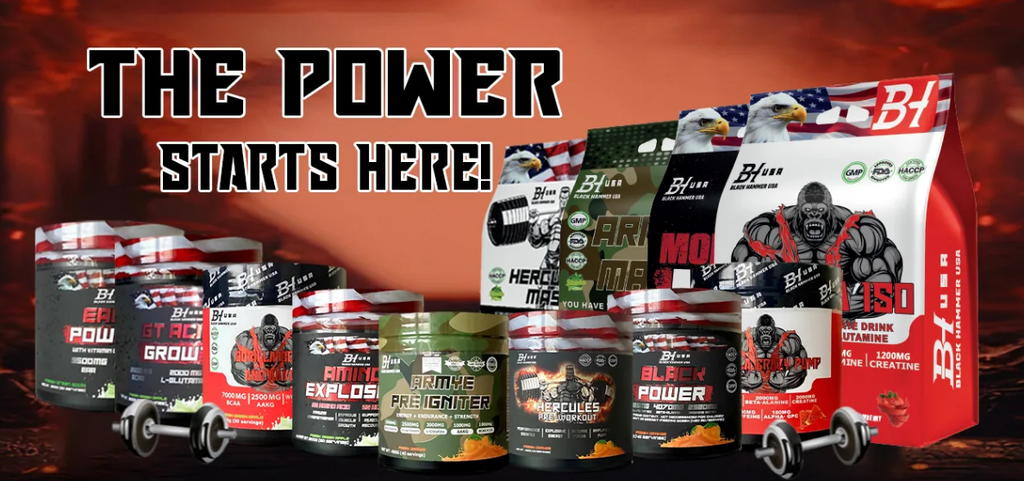


Dr. Mike Israetel of Renaissance Periodization breaks down which supplements are actually worth considering for people who train regularly, separating useful basics from the endless list of products marketed as fitness necessities.
In a YouTube video, Israetel explains that supplements should complement a solid diet, consistent training, adequate sleep, and daily activity rather than replace them. His top five are protein powder, creatine monohydrate, omega-3 fats, vitamin D3, and a fiber supplement.


Protein Powder Makes Hitting Your Protein Target Easier
Protein powder takes the top spot because protein is essential for building and maintaining muscle. Israetel says it is particularly useful when whole foods do not provide enough protein during a meal.
He emphasizes that protein powder is not magic. Instead, its main advantage is convenience, allowing people to reach their daily protein target without constantly preparing high-protein meals.
“Protein powder, unlike the other supplements, is more of a supplement you keep around for when you need it.”
Creatine Is a Reliable Choice
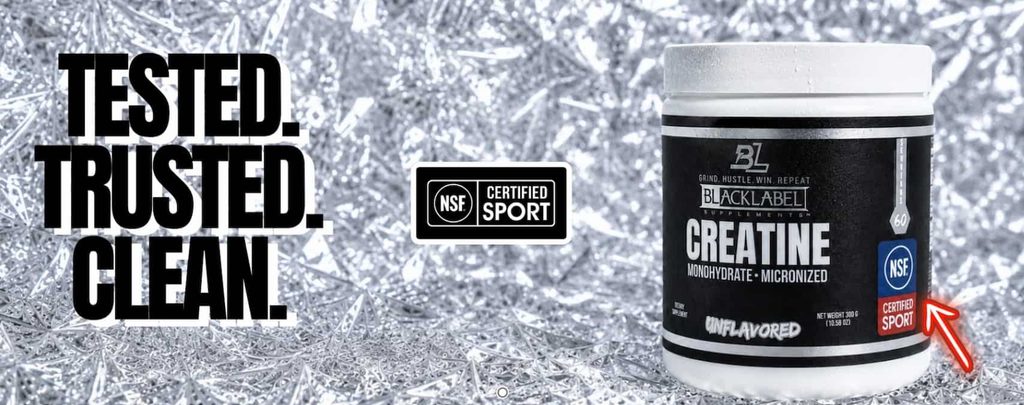
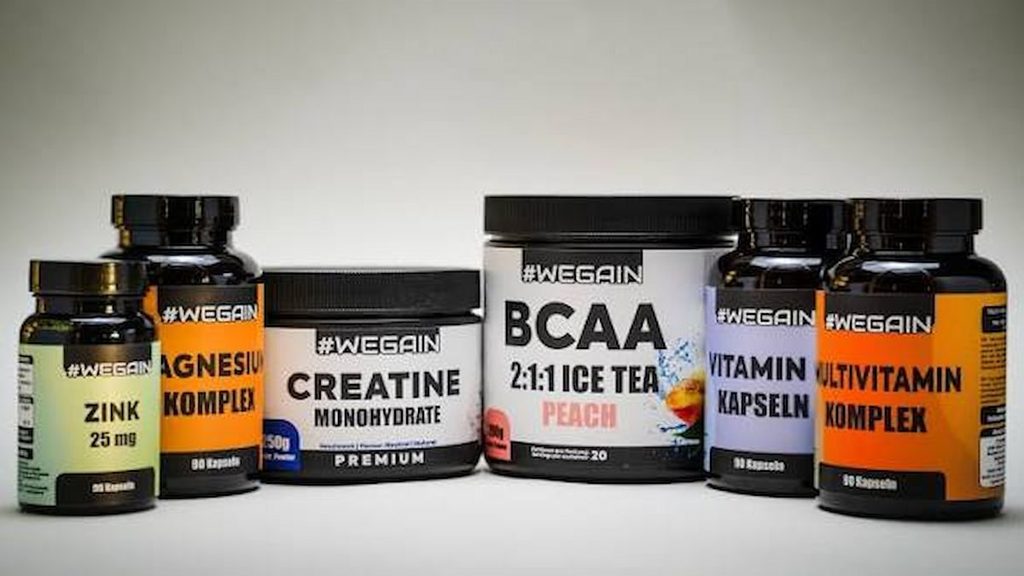
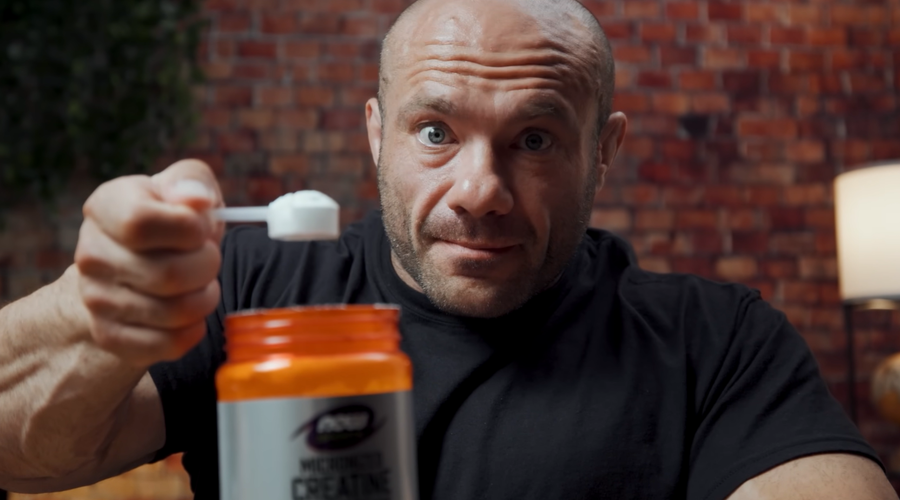
Creatine monohydrate is another staple, with Israetel describing it as one of the few supplements that consistently delivers.
He recommends 5 grams per day for most people. Creatine can help support strength and power during hard training, potentially allowing lifters to accumulate more quality work over time.
Importantly, timing is not the priority. Consistency is.
“Creatine isn’t magically giving anyone energy or recovery if taken before or during workouts.”
Omega-3s and Vitamin D Fill Nutritional Gaps
Israetel recommends omega-3 fats, particularly EPA and DHA, for people who do not regularly consume enough fatty fish. He stresses that shoppers should check the label for the actual EPA plus DHA content rather than simply looking at the total amount of fish oil.
Vitamin D3 also makes the list, particularly for people who may have inadequate levels. Israetel recommends roughly 1,500 IU per day, while emphasizing that blood work can help determine whether supplementation needs to be adjusted.
Fiber Is Boring but Useful
The final recommendation is a fiber supplement, commonly psyllium husk. Israetel says fiber can support fullness during dieting while also helping with cholesterol, blood sugar management, and digestion.
He suggests starting around 5 grams per day, potentially increasing toward 10 grams, while taking it with plenty of water.
“It’s not glamorous, but neither is brushing your teeth.”
What About Caffeine, Magnesium and Beta-Alanine?
Caffeine, magnesium, and beta-alanine receive honorable mentions but do not make the top five.
Caffeine can improve training performance but may interfere with sleep, anxiety, heart rate, or blood pressure. Magnesium may be useful when dietary intake is low, while beta-alanine can benefit certain high-intensity efforts but is more sport-specific.
For Israetel, the bigger lesson is that most people do not need an enormous supplement stack. A few well-chosen options can complement the fundamentals without turning nutrition into an unnecessarily complicated process.
About the Author
Jeremiah Oliva

Jeremiah Oliva is a writer passionate about fitness, sports, and active living. He has experience in songwriting and managing content and social media for online radio and magazine platforms.
He covers HYROX, CrossFit®, and competitive fitness, with a focus on performance, mindset, and athlete development.
Outside of writing, Jeremiah trains in boxing, cycles, explores the outdoors with his kids, and plays the guitar.