

Big arms, a broad chest, and visible abs often get the spotlight, but truly impressive physiques are built from the ground up. Strong, muscular legs are not just about aesthetics. They improve athletic performance, increase overall strength, support long term health, and reduce injury risk. Despite these benefits, many men continue to struggle with lower body development. Even those who train consistently often find that their legs lag behind the rest of their physique.
Best 5 Tips for Beginners that Want to Build Wider Shoulders


The truth is that building powerful legs is not simply about doing more squats. Muscle growth depends on proper training, recovery, nutrition, and consistency. Scientific research has repeatedly shown that the biggest obstacles are usually not genetics but training habits and lifestyle choices. Here are the three biggest reasons why most men never build muscular and strong legs, along with evidence based solutions that actually work.
Reason 1: They Do Not Train Hard Enough or With Enough Volume
Leg training is physically demanding. Large muscle groups like the quadriceps, hamstrings, and glutes require significant effort to stimulate meaningful growth. Many lifters stop their sets long before they reach the level of effort needed to maximize muscle building.
Research consistently shows that muscle hypertrophy depends on sufficient mechanical tension and training volume. In simple terms, muscles need challenging resistance and enough total work to grow. Stopping every set because it becomes uncomfortable leaves a lot of growth potential untapped.
The quadriceps and glutes are among the largest muscles in the body. These muscles often require multiple challenging sets performed close to muscular failure. That does not mean every set should end in complete failure, but it does mean that many sets should finish with only one to three repetitions left in reserve.

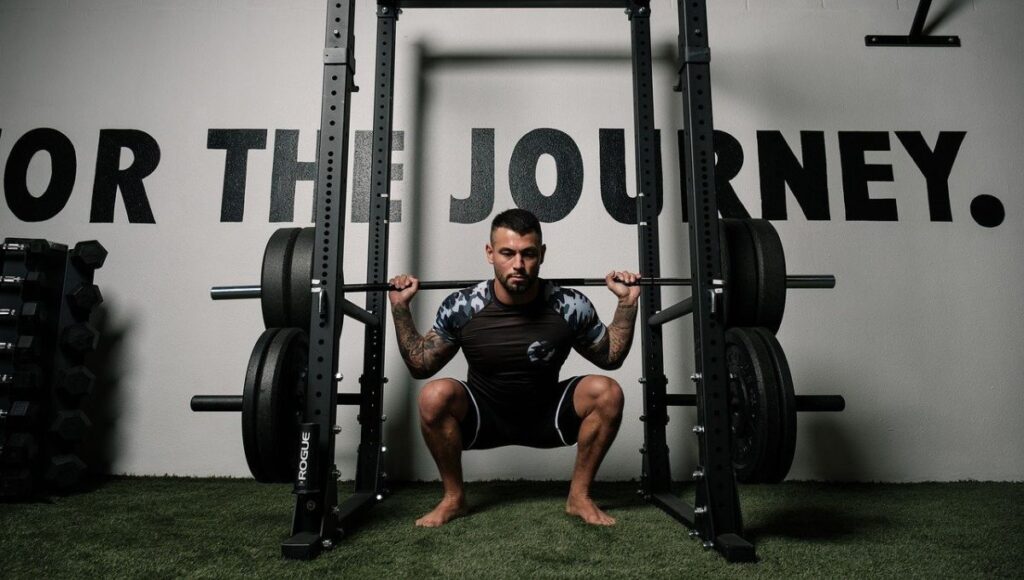
Another common problem is relying on only one exercise. Squats are excellent, but they are not enough for complete leg development. Different exercises challenge muscles through different ranges of motion and emphasize different regions of the lower body.
For example, deep squats place high demands on the quadriceps and glutes. Romanian deadlifts emphasize the hamstrings and glutes through a hip hinge movement. Leg presses allow higher training volume with less balance limitation. Lunges improve unilateral strength and coordination while increasing muscle activation in stabilizing muscles.
Studies examining resistance training volume suggest that performing around ten to twenty challenging sets per muscle group each week generally produces superior muscle growth compared to lower volumes, provided recovery is adequate.
Exercise intensity also matters. Lifting weights that are too light without approaching muscular fatigue produces weaker hypertrophy signals. Interestingly, research shows that both moderate and lighter loads can stimulate similar muscle growth when sets are performed close to failure.
Progressive overload remains one of the most important principles in resistance training. If the same weight, repetitions, and effort are repeated month after month, muscle growth eventually stalls. Progress can come from increasing weight, performing more repetitions, adding sets, improving technique, or increasing training frequency.
Many lifters underestimate how much quality work their legs actually need. Unlike smaller muscle groups, the legs often recover well from substantial workloads because they are accustomed to daily activity. Well designed programs gradually increase training stress while allowing enough recovery between sessions.
Reason 2: Recovery and Nutrition Are Not Supporting Growth
Muscles do not grow while lifting weights. They grow afterward during recovery. Many men train their legs hard but fail to provide the conditions needed for muscle repair and adaptation.
Protein intake is one of the most important factors for muscle growth. Resistance exercise increases muscle protein synthesis, but this process depends on consuming enough dietary protein throughout the day. Research indicates that total daily protein intake around 1.6 grams per kilogram of body weight is generally sufficient to maximize muscle growth for most individuals, although slightly higher intakes may benefit some people during intense training.

Protein quality also matters. High quality protein sources rich in essential amino acids, especially leucine, stimulate muscle protein synthesis more effectively. Lean meat, eggs, dairy products, fish, and high quality plant protein combinations all contribute to muscle building.
Energy intake is equally important. Building significant muscle while consistently eating too few calories is extremely difficult. A modest calorie surplus provides additional energy for muscle growth while minimizing excessive fat gain. Men who constantly diet or skip meals often limit their body’s ability to build new muscle tissue.
Carbohydrates also play a valuable role. Hard leg sessions rapidly deplete muscle glycogen, which serves as stored carbohydrate inside muscle tissue. Restoring glycogen supports performance in future workouts and may improve recovery. Athletes consuming sufficient carbohydrates generally maintain higher training quality during repeated resistance sessions.
Sleep is another overlooked factor. Growth hormone secretion, muscle protein synthesis, nervous system recovery, and testosterone regulation are all influenced by sleep quality. Studies have shown that sleep restriction reduces muscle recovery, decreases training performance, and may negatively affect body composition over time.
Stress management deserves attention as well. Chronic psychological stress elevates cortisol, which may interfere with recovery when combined with insufficient sleep and poor nutrition. While normal cortisol responses during exercise are beneficial, prolonged elevations can contribute to fatigue and reduced training quality.
Recovery also includes allowing enough time between demanding leg workouts. Training legs intensely every day does not necessarily produce faster results. Most people perform best with at least forty eight to seventy two hours between high intensity lower body sessions, depending on training volume and experience.
Hydration also influences performance and recovery. Even mild dehydration reduces strength, endurance, and exercise performance. Since intense leg sessions often involve substantial sweating, maintaining proper fluid intake before, during, and after training supports both immediate performance and long term progress.
Reason 3: They Ignore Exercise Technique and Consistency
Many men spend years searching for the perfect workout instead of mastering the basics. Exercise selection matters, but proper execution matters even more.
Technique determines which muscles receive the greatest training stimulus. A shallow squat performed with excessive forward lean may reduce quadriceps involvement compared to a controlled squat performed through a deeper range of motion that matches individual mobility and anatomy.

Range of motion has received considerable attention in recent research. Evidence increasingly suggests that training muscles through longer muscle lengths often promotes greater hypertrophy compared to partial ranges of motion, although exercise selection and individual mobility influence these outcomes.
Controlled repetitions also increase muscle tension. Bouncing out of the bottom position or using momentum shifts work away from the target muscles. Controlled eccentric lowering followed by a strong concentric contraction generally produces greater muscle activation and better technical consistency.
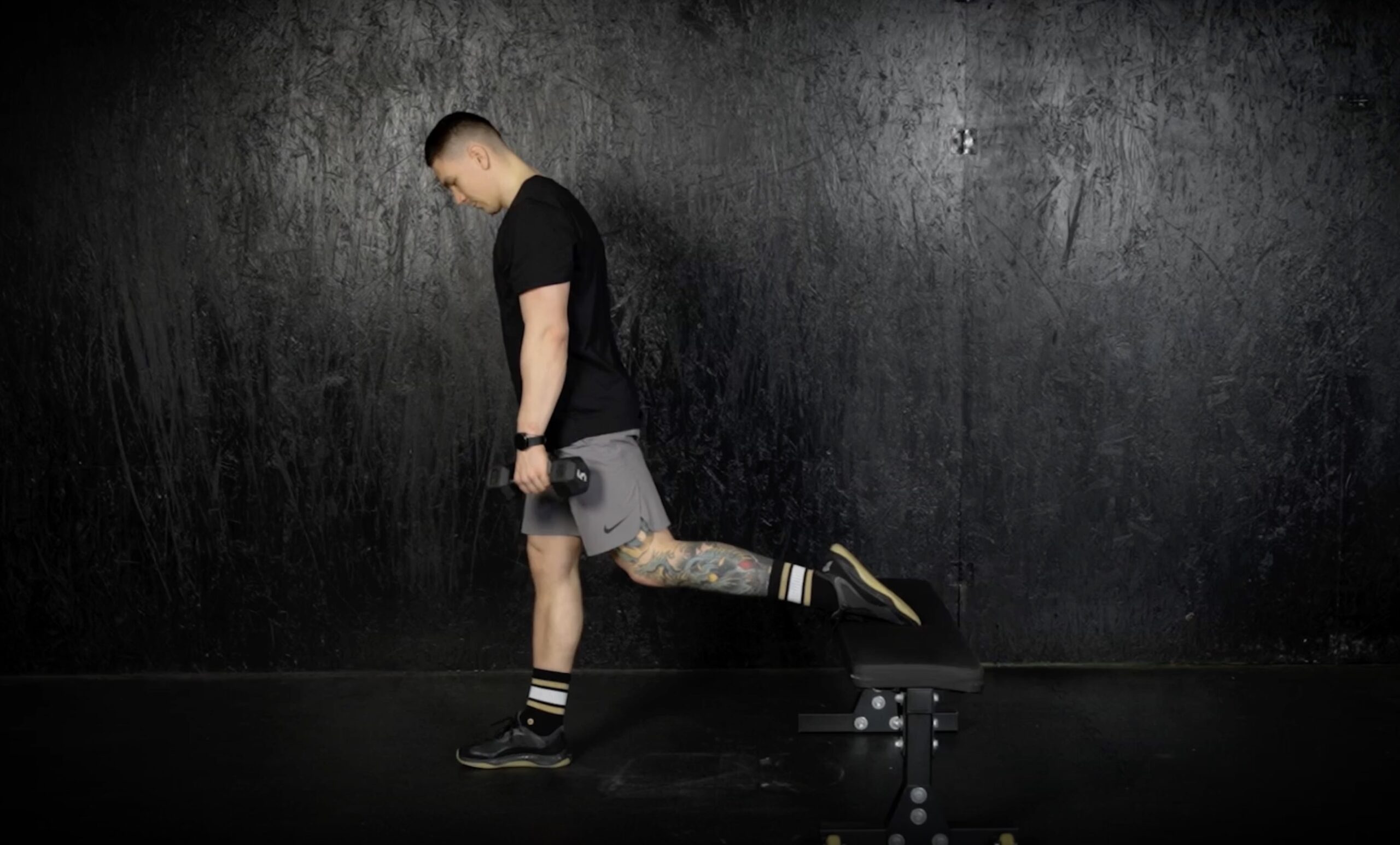
Many lifters also neglect the hamstrings and glutes while focusing almost exclusively on the quadriceps. Balanced lower body development requires direct training for all major muscle groups. Hamstring exercises such as Romanian deadlifts, lying leg curls, and Nordic hamstring curls complement squat based movements and contribute to stronger, more resilient legs.
Unilateral exercises often expose strength imbalances that bilateral lifts can hide. Bulgarian split squats, walking lunges, and step ups improve stability, coordination, and muscular symmetry while providing a substantial hypertrophy stimulus.
Perhaps the biggest issue is inconsistency. Muscle growth occurs slowly. Beginners may see noticeable improvements within several months, but experienced lifters often need years of consistent training to build exceptional legs.
Many men train legs enthusiastically for a few weeks before reducing frequency or skipping sessions altogether. Since leg workouts are demanding, they are often the first sessions to disappear during busy periods. Unfortunately, inconsistent training interrupts progressive overload and limits long term adaptation.
Research consistently shows that resistance training produces meaningful muscle growth only when maintained over extended periods. Small improvements accumulate over months and years rather than days or weeks.
Consistency also applies to exercise programming. Constantly changing exercises prevents accurate tracking of progress. Keeping key compound lifts in a program for several months allows steady improvements in strength, technique, and muscle development.
Why Genetics Are Usually Not the Main Problem
Genetics certainly influence muscle shape, limb length, tendon insertions, and growth potential. Some men naturally build larger legs more easily than others.
However, genetics are often blamed too quickly. Studies on resistance training demonstrate that nearly everyone gains strength and muscle with well designed training programs, although the rate of improvement varies between individuals.
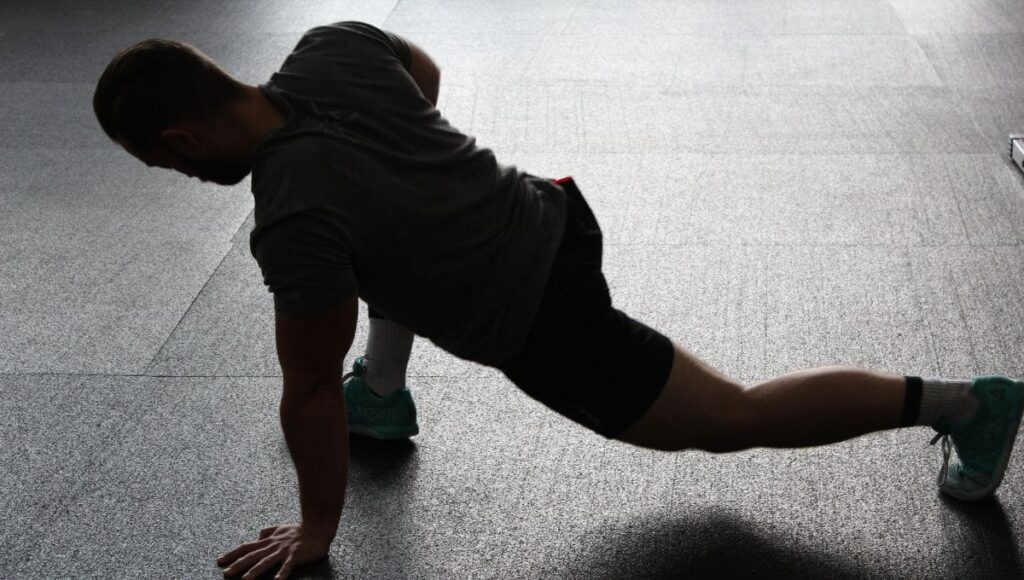
Most men never come close to reaching their genetic potential because they fail to optimize the controllable factors. Training effort, exercise selection, recovery, nutrition, sleep, and consistency explain far more than many people realize.
Instead of comparing yourself to elite bodybuilders or social media influencers, focus on making gradual improvements relative to your own previous performance. Adding five pounds to a squat, completing one extra repetition, or increasing weekly training volume are meaningful signs of progress.
The Bottom Line
Building muscular and strong legs is challenging because the lower body requires hard work, patience, and disciplined recovery. There are no shortcuts that replace consistent training performed with sufficient intensity and volume.
Most men fail because they stop sets too early, perform too little weekly training, neglect nutrition and recovery, or never stay consistent long enough to see major changes. Improving these areas transforms not only leg development but also total body strength and athletic performance.
Strong legs improve movement quality, support healthy aging, increase training capacity, and create the foundation for an impressive physique. The process is demanding, but the science is clear. Train hard, recover well, eat enough high quality food, master good technique, and stay consistent. Those habits produce results that last.
Key Takeaways
| Reason | Why It Limits Leg Growth | Practical Solution |
|---|---|---|
| Insufficient training stimulus | Too little volume or intensity fails to create enough mechanical tension for muscle growth | Train each major leg muscle with approximately 10 to 20 challenging weekly sets and progressively increase workload |
| Poor recovery and nutrition | Inadequate protein, calories, sleep, and recovery reduce muscle protein synthesis and adaptation | Eat sufficient protein and calories, prioritize sleep, and allow recovery between hard sessions |
| Inconsistent training and poor technique | Weak exercise execution and irregular training reduce long term progress | Master compound lifts, train through appropriate ranges of motion, and maintain consistency for months and years |
References
- Ahtiainen, J.P., Pakarinen, A., Alen, M., Kraemer, W.J. and Häkkinen, K., 2003. Muscle hypertrophy, hormonal adaptations and strength development during strength training in strength trained and untrained men. European Journal of Applied Physiology, 89(6), pp.555 to 563.
- Grgic, J., Schoenfeld, B.J., Orazem, J. and Sabol, F., 2022. Effects of resistance training performed to repetition failure or non failure on muscular strength and hypertrophy. Journal of Sport and Health Science, 11(2), pp.202 to 211.
- Morton, R.W., Murphy, K.T., McKellar, S.R., Schoenfeld, B.J., Henselmans, M., Helms, E., Aragon, A.A., Devries, M.C., Banfield, L., Krieger, J.W. and Phillips, S.M., 2018. A systematic review, meta analysis and meta regression of protein supplementation on resistance training induced gains in muscle mass and strength in healthy adults. British Journal of Sports Medicine, 52(6), pp.376 to 384.
- Phillips, S.M. and Van Loon, L.J.C., 2011. Dietary protein for athletes. Journal of Sports Sciences, 29(S1), pp.S29 to S38.
- Schoenfeld, B.J., Ogborn, D. and Krieger, J.W., 2017. Dose response relationship between weekly resistance training volume and increases in muscle mass. Journal of Sports Sciences, 35(11), pp.1073 to 1082.