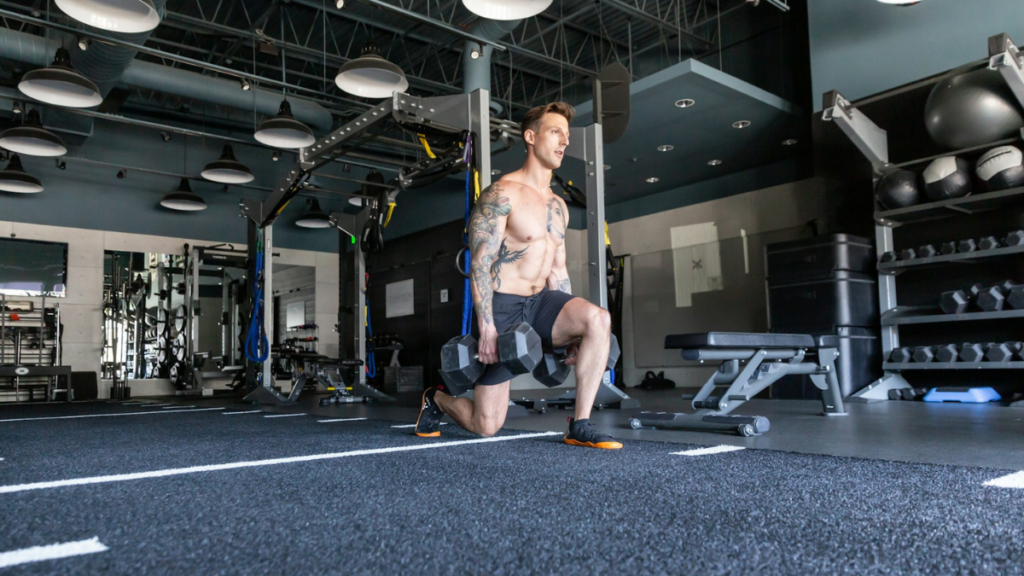
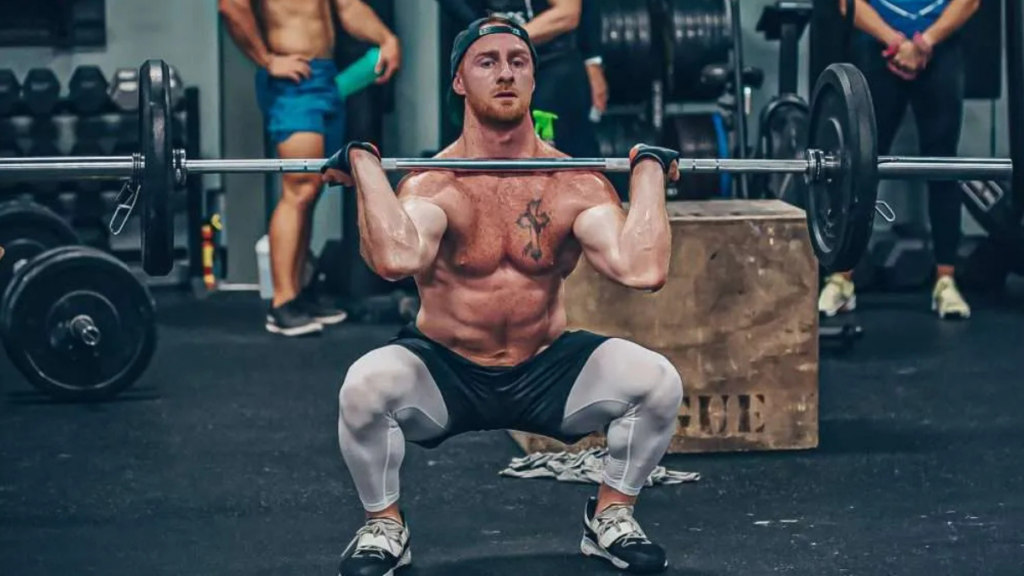
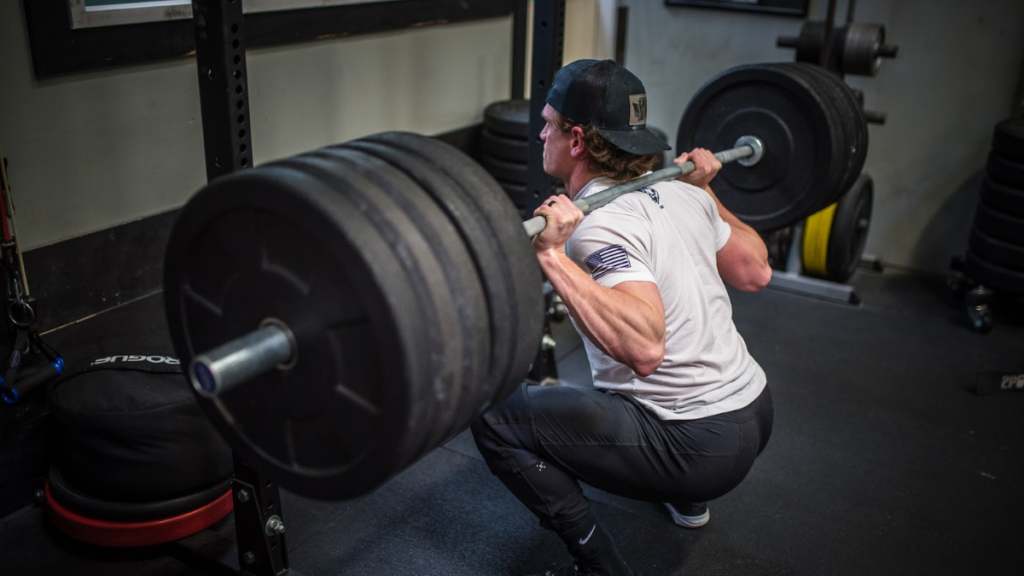
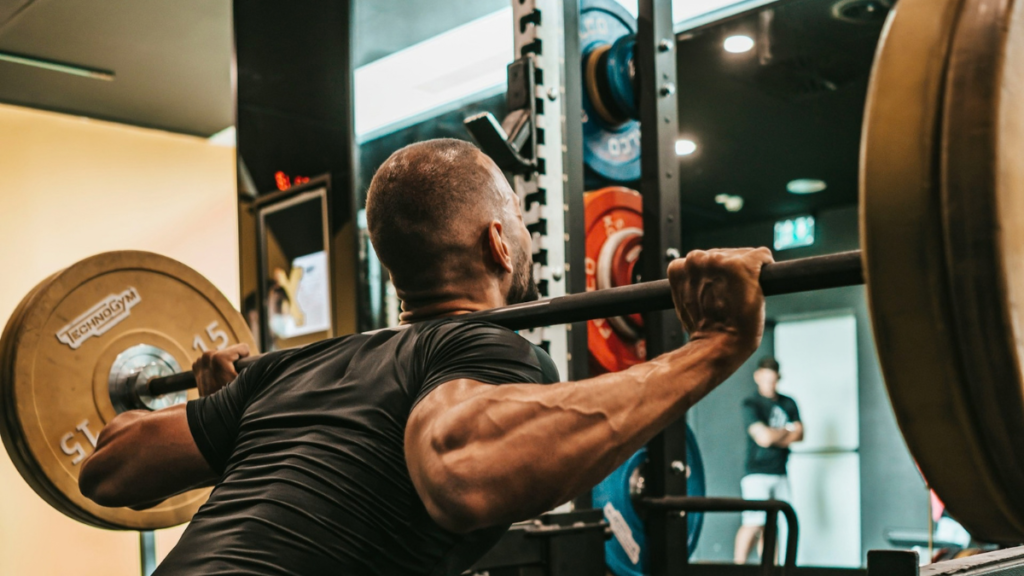
We all know that it’s a sin to skip leg day, so if you pay your dues, it’s time to find out how your score measures up against other people your age.
Step onto the gym floor on any given evening, and you will witness an incredible variety of lifters approaching the squat rack. Some load up and lift multiple plates with total confidence, while others carefully stack smaller weights and nervously work their way through the sets.

It is completely natural to wonder where your own maximum effort fits into the bigger picture. It can be a helpful metric, however always bear in mind that the only person you really need to compete against is yourself.
Physical capability is not static, and comparing a recreational lifter to a competitive athlete without proper context misses the entire point of strength training. To truly evaluate your current performance, you need to explore how general population baselines contrast with elite competitive cohorts, how human physiology evolves across decades, how body mass shifts the balance, and what structural adaptations occur when you consistently push your limits.
The Biomechanical Engine Behind Lower Body Power
To understand your maximum squat performance, it helps to examine what actually happens inside the human body during a heavy repetition. The barbell back squat is often referred to as the king of compound exercises because it demands coordinated effort from multiple major muscle groups simultaneously. Your quadriceps drive knee extension, your gluteus maximus powers hip extension, and your hamstrings along with the adductor magnus work continuously to stabilize the joint positions under heavy vertical loads.
Neuromuscular coordination plays a massive role in determining your absolute strength limits. When you attempt a heavy weight, your central nervous system must recruit high-threshold motor units in milliseconds. Voluntary muscle activation relies on electrical signals firing down the spinal cord to trigger muscle fibers. Un-trained individuals simply cannot access their full motor unit potential, whereas experienced lifters train their brains to send stronger, faster signals to working muscle tissue.
Intra-abdominal pressure acts as the structural foundation during heavy attempts. By taking a deep breath into the belly and bracing the core muscles against a rigid torso, you create a pneumatic cylinder that stabilizes the lumbar spine. This internal pressure reduces spinal compression forces and allows maximum force transmission from the lower body straight into the barbell.
How Aging Shapes Muscular Force Production
As the human body moves through different decades of life, natural biological shifts alter force output and muscle architecture. Understanding these physiological changes allows you to set realistic expectations for your lifting numbers over time without feeling discouraged.
The Peak Years of Neuromuscular Output
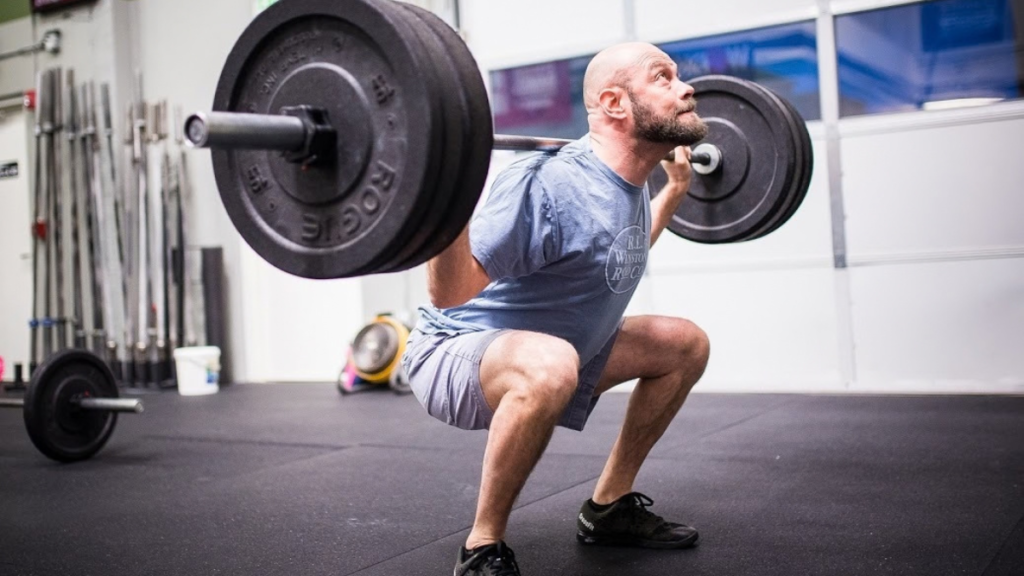
During the late teens through the thirties, hormonal profiles and muscle tissue density hit their biological apex. Circulating testosterone, growth hormone, and insulin like growth factor support rapid recovery and significant muscle hypertrophy. Fast-twitch type two muscle fibers, which generate explosive power for high-intensity efforts, maintain peak diameter and responsiveness during this window.
Biological Shifts in Middle Age and Beyond
Beginning around age forty, the body undergoes subtle structural changes that gradually influence maximal strength potential. Age related muscle loss, known scientifically as sarcopenia, preferentially affects high-power type two muscle fibers before impacting endurance-oriented type one fibers. Additionally, tendons and ligaments lose a fraction of their elasticity due to alterations in collagen cross-linking, which slightly alters force transfer across joints.
Neurological firing rates also experience a gentle slowdown as motor units undergo natural remodeling over time. However, regular resistance training acts as a powerful countermeasure against these processes. Lifters who remain active throughout their master years preserve a massive percentage of their muscular strength compared to inactive individuals of the exact same age.
Distinguishing General Lifters From Competitive Lifters
When analyzing strength data, population context changes everything. A standard gym-goer who squats twice a week for general health operates under different parameters than a specialized lifter in a sanctioned powerlifting federation.
Competitive powerlifting databases represent individuals who train exclusively to optimize single-repetition maximums under rigid judging standards. For a general lifter, comparing yourself directly to competitive lifters can give a skewed impression of what constitutes average strength. Recognizing where everyday fitness enthusiasts sit relative to competitive lifters allows for far more practical, highly motivating goal setting.
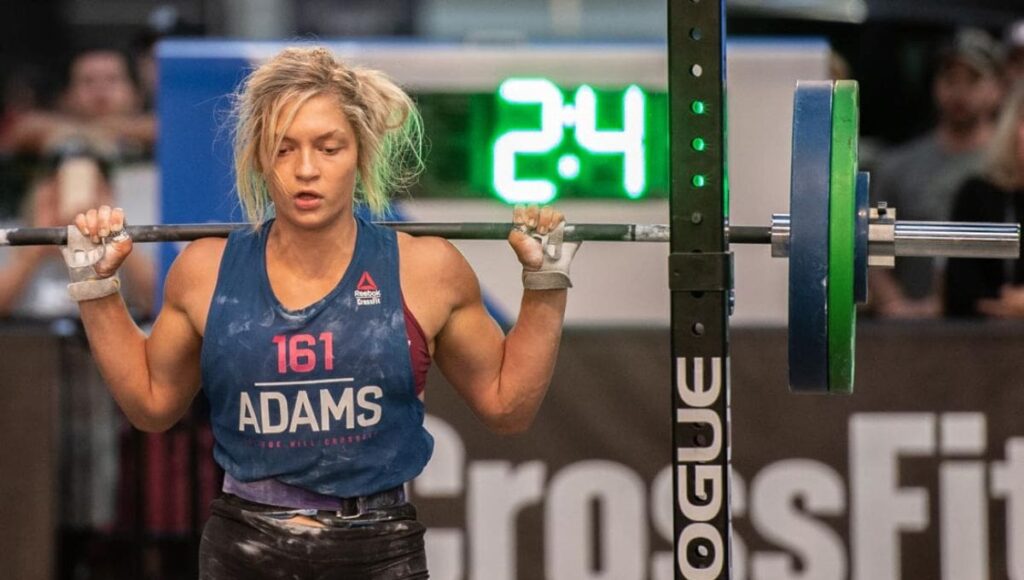
Female lifters experience distinct absolute force baselines due to differences in average lean muscle mass distribution and skeletal structure. Women typically possess approximately sixty to seventy percent of the total absolute lower body strength seen in men of similar body mass, though their potential for relative strength gains across training stages remains remarkably consistent.
Comparing General Population Standards With Competitive Benchmarks
To establish a complete baseline, we examine two distinct datasets. First, general fitness population benchmarks represent typical progress ranges across everyday lifters. Second, competitive powerlifting data reveals median competition scores recorded across drug-tested lifting federations.
The table below outlines how general fitness lifters typically scale across age brackets, expressed as multiples of body weight.
| Age Bracket | Male General Lifter (Multiple of Body Weight) | Female General Lifter (Multiple of Body Weight) |
| 18 to 29 Years | 1.50x to 1.75x | 1.00x to 1.25x |
| 30 to 39 Years | 1.45x to 1.70x | 0.98x to 1.23x |
| 40 to 49 Years | 1.35x to 1.60x | 0.92x to 1.15x |
| 50 to 59 Years | 1.20x to 1.45x | 0.83x to 1.04x |
| 60+ Years | 1.00x to 1.25x | 0.70x to 0.88x |
For comparison, the next table highlights median competition squat scores recorded across large-scale drug-tested powerlifting entries, where athletes specifically peak for maximal attempts.
| Age Bracket | Male Competitive Median (Multiple of Body Weight) | Female Competitive Median (Multiple of Body Weight) |
| 12 to 17 Years | 1.92x | 1.45x |
| 18 to 35 Years | 2.28x | 1.72x |
| 36 to 59 Years | 2.05x | 1.51x |
| 60 to 79 Years | 1.68x | 1.22x |
| 80+ Years | 1.31x | 0.94x |
Evaluating both tables shows that a general recreational lifter achieving a one point five times body weight squat is already performing at a fantastic standard relative to the broader population.
Lifter Experience Levels and Target Standards
Age represents only half of the strength equation, with training age playing an equally critical role in performance expectations. A forty-year-old athlete with fifteen years of structured bar path work operates on a completely different level than a forty-year-old beginner navigating their first strength program.
Categorizing Your Performance Tier
Standard gym populations generally fall into distinct performance tiers based on consistent training history and neurological adaptation.
- Beginner lifters have trained for less than six months and are still mastering fundamental motor patterns and depth mechanics.
- Novice athletes have trained consistently for six to twelve months, establishing basic neural efficiency and steady structural adaptations.
- Intermediate lifters possess one to three years of disciplined training experience and require deliberate programming variations to continue progressing.
- Advanced lifters have dedicated three to five plus years to targeted strength development, achieving near optimal motor unit recruitment.
- Elite lifters represent the top tier of strength sport competition, maximizing their genetic boundaries through high level periodization.
The table below illustrates total target weight benchmarks in pounds for an average male lifter weighing one hundred and ninety pounds and an average female lifter weighing one hundred and fifty pounds in the prime eighteen to thirty-nine age bracket.
| Strength Category | Male Target Weight (190 lb Body Weight) | Female Target Weight (150 lb Body Weight) |
| Beginner Tier | 142 lb | 75 lb |
| Novice Tier | 218 lb | 112 lb |
| Intermediate Tier | 285 lb | 150 lb |
| Advanced Tier | 380 lb | 215 lb |
| Elite Tier | 475 lb | 280 lb |
Comparing your numbers against these tiers highlights where your physical adaptations currently stand. Moving from novice to intermediate levels shows that your nervous system and skeletal muscles have successfully adapted to regular overload.
Safe Estimation of Your Single Repetition Maximum
Attempting an absolute maximum squat load carries inherent physical risks, especially if you lack spotters or safety bars. Testing true maximal effort places immense strain on your connective tissues, spinal discs, and muscular walls. Fortunately, sports science provides accurate mathematical equations to calculate your max using submaximal repetition data.
The Epley formula stands out as one of the most reliable methods for estimating your single repetition limit using lighter, safer testing protocols. By performing a set to near muscular failure within a moderate rep range, you can accurately project your top end strength.
The standard calculation multiplies the lifted weight by the quantity of one plus the total repetitions completed divided by thirty. For example, if you squat two hundred pounds for six reps, you divide six by thirty to get zero point two, add one to reach one point two, and multiply by two hundred. This yields an estimated maximum of two hundred and forty pounds without ever needing to load a dangerous weight onto the bar.

To keep estimations accurate, keep your submaximal testing sets between two and ten reps. Performing more than ten reps shifts the biological energy demand toward metabolic fatigue rather than pure mechanical strength, which skews the resulting calculation.
Programming Strategies to Maintain and Build Strength
Optimizing your squat score requires structured progression tailored to your current life stage. Training strategies must balance mechanical tension with adequate recovery capacity to stimulate continuous tissue remodeling.
Progressive Overload and Mechanical Tension
Muscles grow stronger when subjected to mechanical loads that exceed their baseline experience. You can achieve progressive overload by adding weight to the bar, increasing total volume sets, or improving movement efficiency under identical loads. Heavy resistance training forces muscle fibers to repair themselves thicker and denser, building a larger engine for future force generation.
Managing Recovery and Joint Health
As age increases, total recovery time between demanding sessions becomes a vital variable in program design. Connective tissues require more time to synthesize fresh collagen fibers following heavy strain. Incorporating dedicated deload weeks every four to six weeks allows systemic fatigue to dissipate while protecting joint structures from overuse injuries.
3 Huge Benefits of EZ Bar Curls for Beginners that Want Bigger Biceps
Prioritizing proper squat depth also ensures you build strength through a full range of motion. Lowering your hips until the crease of the hip drops below the top of the knee maximizes glute and muscle fiber recruitment, transferring greater strength benefits to real world movements.
Summary
| Key Metric | Primary Physiological Mechanism | Actionable Practical Insight |
| Max Force Production | High threshold motor unit recruitment | Train with heavy relative loads to maximize central nervous system activation. |
| Population Context | Competitive data reflects specialized peaking | Benchmark general progress against standard gym ratios before comparing to meet data. |
| Age Related Trends | Alterations in type two fast twitch fiber density | Stay consistently active across decades to preserve powerful muscle fibers. |
| Submaximal Testing | Epley formula mathematical projection | Estimate your maximum using five to eight rep sets to protect your joints. |
| Program Progression | Systematic progressive overload and recovery | Schedule structured deload weeks to match your personal recovery timeline. |
References
- Anton, M.M., Spirduso, W.W. and Tanaka, H., 2004. Age-related declines in anaerobic muscular power: weightlifting and powerlifting. Medicine & Science in Sports & Exercise, 36(1), pp.143-147.
- Ahtiainen, J.P., Walker, S., Peltonen, H., Holviala, J., Sillanpää, E., Karavirta, L., Sallinen, J., Mero, A.A., Hulmi, J.J., Ojasto, M. and Häkkinen, K., 2016. Heterogeneity in resistance training-induced muscle hypertrophy: stronger respond better. European Journal of Applied Physiology, 116(1), pp.215-226.
- Epley, B., 1985. Poundage chart. Boyd Epley Workout, Lincoln, NE: Body Enterprises, pp.14-15.
- LeSuer, D.A., McCormick, J.H., Mayhew, J.L., Wasserstein, R.L. and Arnold, M.D., 1997. The accuracy of prediction equations for estimating 1-RM performance in the bench press, squat, and deadlift. Journal of Strength and Conditioning Research, 11(4), pp.211-213.
- Schoenfeld, B.J., 2010. The mechanisms of muscle hypertrophy and their application to resistance training. Journal of Strength and Conditioning Research, 24(10), pp.2857-2872.
- van den Hoek, D.J., Beaumont, P.L., van den Hoek, A.K. and Latella, C., 2024. Normative data for the squat, bench press and deadlift exercises in powerlifting: data from 809,986 competition entries. Journal of Sports Sciences, 42(5), pp.412-423.