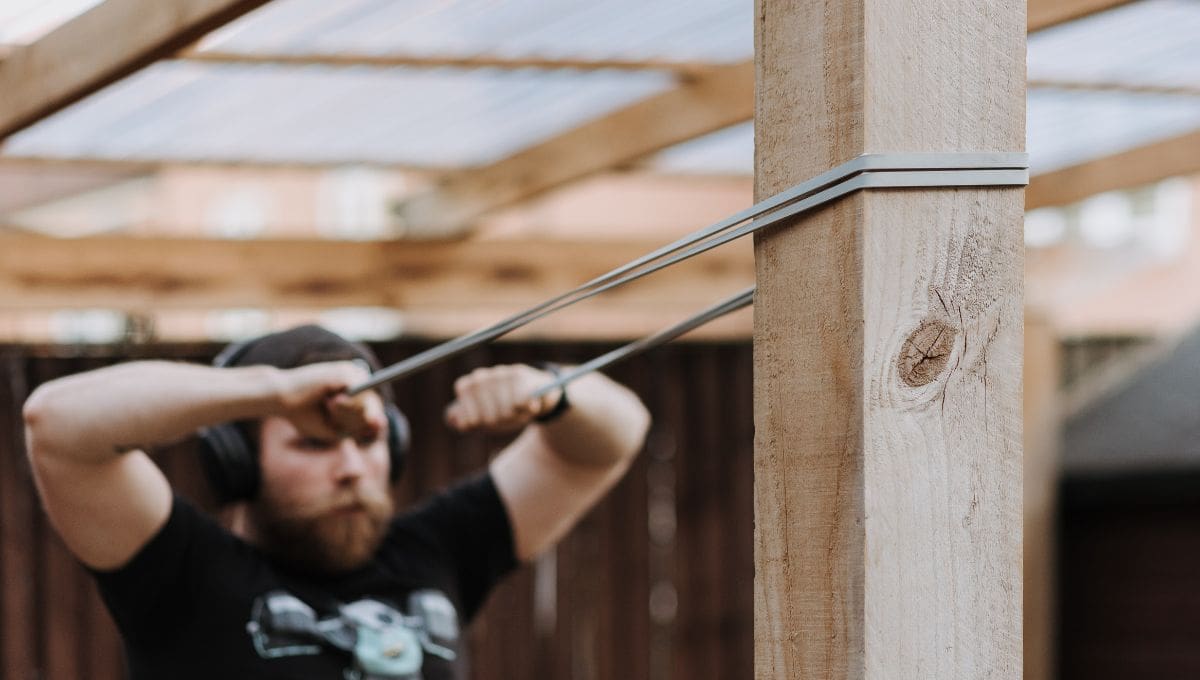


Strong rotational movement is one of the foundations of athletic performance and healthy movement. Yet many people spend years training in the gym without ever deliberately improving their ability to rotate. Squats, presses, deadlifts, and pull ups are valuable exercises, but the human body is designed to move in multiple planes. Rotation is essential for sports performance, injury prevention, posture, balance, and even simple daily activities.
Resistance bands are one of the best tools for rotational training because they create constant tension while forcing the body to stabilize throughout the movement. They are inexpensive, portable, easy to scale, and backed by research showing they can improve strength, muscle activation, and neuromuscular coordination.


Rotational exercises train far more than the abs. They challenge the hips, glutes, spine, shoulders, and deep stabilizing muscles to work together as one integrated system. This improves how efficiently force moves through the body.
Why Rotational Strength Matters
Most gym programs focus heavily on forward and backward movement patterns. These include:
• Squats
• Lunges
• Bench presses
• Deadlifts
• Pull ups
These exercises occur mainly in the sagittal plane. However, real life movement and sports performance require the body to move in all planes of motion.
The transverse plane is responsible for rotational movement. This includes:
• Throwing
• Swinging a golf club
• Sprinting
• Punching
• Kicking
• Changing direction
• Twisting during lifting
• Walking and running mechanics
Research shows that rotational power is strongly connected to athletic performance. Efficient rotational movement allows force generated by the lower body to transfer effectively through the torso into the upper body.

When the body lacks rotational strength or stability, movement becomes less efficient. Energy leaks occur and injury risk may increase.
The core plays a major role in this process. Contrary to popular belief, the core is not just the rectus abdominis or six pack muscles. The core includes:
• Internal obliques
• External obliques
• Transverse abdominis
• Erector spinae
• Multifidus
• Pelvic floor muscles
• Diaphragm
• Glutes
These muscles work together to create, transfer, and resist rotational forces.
Why Resistance Bands Work So Well
Resistance bands provide unique advantages for rotational training.
Constant Tension
Unlike free weights, bands create continuous resistance throughout the entire movement. The muscles never fully relax.
Accommodating Resistance
As the band stretches, resistance increases. This challenges the body more during peak contraction.
Improved Core Activation
Bands force the stabilizing muscles to work harder because the direction of tension constantly changes.
Joint Friendly Loading
Resistance bands produce smooth resistance with less compressive joint stress than heavy barbells.
Greater Movement Freedom
Bands allow natural movement patterns instead of fixed machine paths.
Better Athletic Transfer
Most sports involve acceleration, deceleration, and multidirectional movement. Resistance bands mimic these demands more closely than many machines.
Studies comparing elastic resistance training to traditional resistance training have shown similar improvements in muscular strength and muscle activation when exercises are programmed appropriately.
Exercise 1: Resistance Band Wood Chop
The resistance band wood chop is one of the most effective rotational exercises for developing full body coordination and core power.
This movement trains diagonal force production across the body. It combines the hips, torso, shoulders, and arms into one coordinated movement pattern.
How to Perform the Resistance Band Wood Chop
- Attach a resistance band to a stable anchor above shoulder height.
- Stand sideways to the anchor point.
- Hold the band with both hands.
- Step away until the band is under tension.
- Start with the hands near the shoulder closest to the anchor.
- Rotate through the hips and torso while pulling the band diagonally across the body.
- Finish near the outside of the opposite hip.
- Slowly return to the starting position.
- Repeat for all reps before switching sides.
Muscles Worked
The wood chop recruits multiple muscle groups simultaneously:
• Internal obliques
• External obliques
• Rectus abdominis
• Transverse abdominis
• Glutes
• Latissimus dorsi
• Deltoids
• Hip stabilizers
Why the Wood Chop Is Effective
The body rarely works in isolation during athletic movement. Throwing, sprinting, and striking all require coordinated force transfer between the upper and lower body.
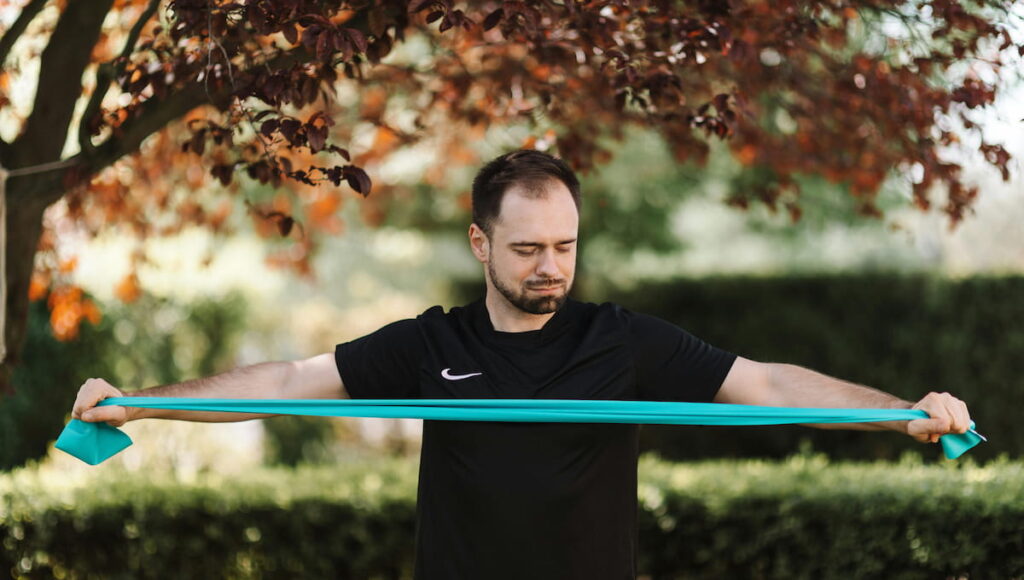
The wood chop develops this coordination by forcing the body to produce and control rotational force.
Research on rotational training shows strong activation of the oblique muscles during diagonal movement patterns. These muscles are essential for rotational torque production and spinal stability.
The exercise also trains eccentric control. During the return phase, the core must resist the pull of the band. This improves deceleration ability, which is crucial for injury prevention.
Common Mistakes
Many people reduce the effectiveness of the exercise with poor mechanics.
Common errors include:
• Pulling mostly with the arms
• Rotating excessively through the lower back
• Standing too close to the anchor
• Rushing the movement
• Allowing the knees to collapse inward
Coaching Tips
To maximize effectiveness:
• Rotate through the hips and upper back together
• Keep the chest tall
• Brace the core throughout the movement
• Control the eccentric phase
• Maintain smooth movement
Best Rep Range
For power development:
• 6 to 8 reps per side
• Heavier resistance
• Explosive intent
For muscular endurance and conditioning:
• 10 to 15 reps per side
• Moderate resistance
• Controlled tempo
Exercise 2: Resistance Band Pallof Rotation Press
The Pallof press is one of the best anti rotational core exercises ever created. Adding controlled rotation increases the challenge and teaches the body to stabilize during movement.
This exercise is highly effective for improving trunk stiffness, balance, and spinal stability.
How to Perform the Resistance Band Pallof Rotation Press
- Attach the band at chest height.
- Stand sideways to the anchor.
- Hold the band with both hands at the chest.
- Step away until tension is created.
- Press the band straight out in front of the body.
- Slowly rotate the torso away from the anchor.
- Return to the center position.
- Bring the hands back to the chest.
- Repeat before changing sides.
Muscles Worked
This movement heavily targets:
• Obliques
• Transverse abdominis
• Rectus abdominis
• Multifidus
• Glutes
• Serratus anterior
• Shoulder stabilizers
Why the Pallof Rotation Press Works
One of the main jobs of the core is resisting unwanted movement.
Research consistently shows that anti rotational exercises improve spinal stability and muscular endurance.
The Pallof rotation press challenges the body to maintain alignment while the band attempts to rotate the torso toward the anchor point.
This creates substantial activation in the obliques and deep stabilizing muscles.
The movement is particularly valuable for athletes because many sports require the body to stabilize rapidly while producing force.
Common Mistakes
Avoid these issues:
• Rotating the hips too much
• Arching the lower back
• Shrugging the shoulders upward
• Losing tension in the core
• Performing the movement too quickly
Coaching Tips
• Keep the ribs stacked over the pelvis
• Squeeze the glutes during the movement
• Rotate slowly and under control
• Keep the knees soft
• Maintain steady breathing
Best Rep Range
For stability and control:
• 8 to 12 reps per side
• Moderate resistance
• Slow tempo
For advanced athletes:
• Add pauses during the extended position
• Increase resistance gradually
• Perform from a half kneeling stance
Exercise 3: Resistance Band Rotational Row
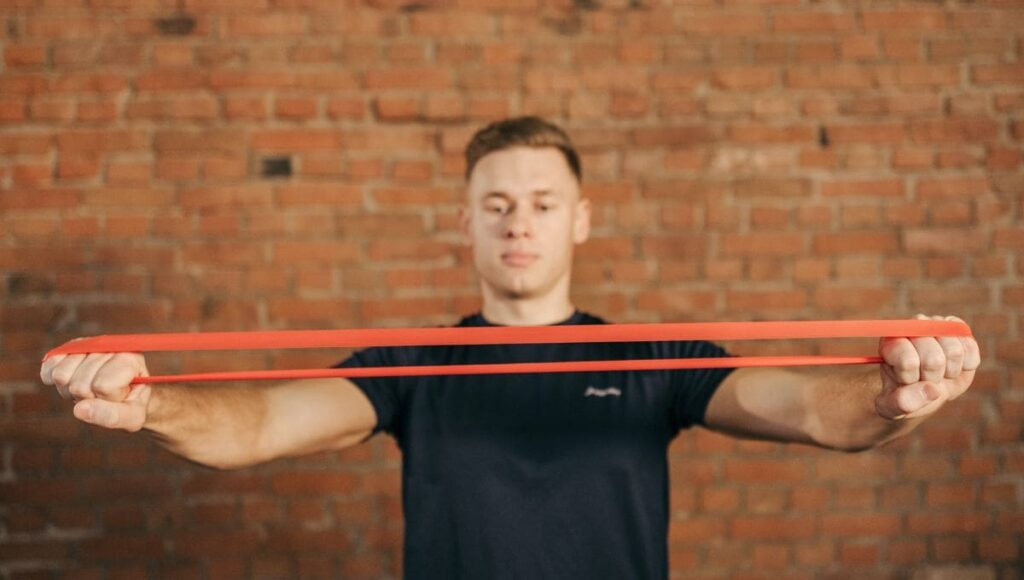
The rotational row combines upper body pulling strength with rotational coordination. It strengthens the posterior chain while teaching the body to stabilize and transfer force efficiently. This exercise is especially useful for athletes involved in rotational sports such as baseball, tennis, rowing, combat sports, and golf.
How to Perform the Resistance Band Rotational Row
- Attach the resistance band at chest height.
- Face the anchor point.
- Hold the band with one hand.
- Step backward until tension is created.
- Rotate slightly away from the working side.
- Pull the elbow toward the ribcage while rotating the torso toward the working side.
- Slowly return to the start position.
- Complete all reps before switching arms.
Muscles Worked
The rotational row trains:
• Latissimus dorsi
• Rhomboids
• Rear deltoids
• Rotator cuff muscles
• Obliques
• Transverse abdominis
• Glutes
Why the Rotational Row Is Effective
Many people have weak posterior chain muscles due to excessive sitting and overemphasis on pressing exercises.
- The rotational row strengthens the upper back while improving trunk coordination.
- Research on rowing movements demonstrates benefits for posture, shoulder stability, and pulling strength.
- Adding rotation increases core activation and improves integration between the upper and lower body.
- The exercise also develops eccentric control because the body must resist the tension of the band during the lowering phase.
Common Mistakes
Common technical errors include:
• Pulling only with the arm
• Rounding the shoulders
• Jerking the movement
• Rotating excessively through the lower back
• Losing balance during rotation
Coaching Tips
• Lead with the elbow during the pull
• Keep the chest proud
• Rotate through the thoracic spine
• Maintain a stable stance
• Control the lowering phase carefully
Best Rep Range
For strength and muscle development:
• 8 to 10 reps per side
• Moderate to heavy resistance
For conditioning and endurance:
• 12 to 15 reps per side
• Moderate resistance
Rotational Training and Athletic Performance
Athletes benefit enormously from rotational training because most sports involve rotational force production.
Combat Sports
Punching power depends heavily on rotational force transfer from the hips through the torso.
Baseball and Softball
Throwing and batting mechanics rely on explosive rotational acceleration.
Golf
Efficient swing mechanics require coordinated hip and torso rotation.
Tennis
Serving and groundstrokes demand rapid rotational power.
Sprinting
Even running involves rotational stabilization through the trunk.
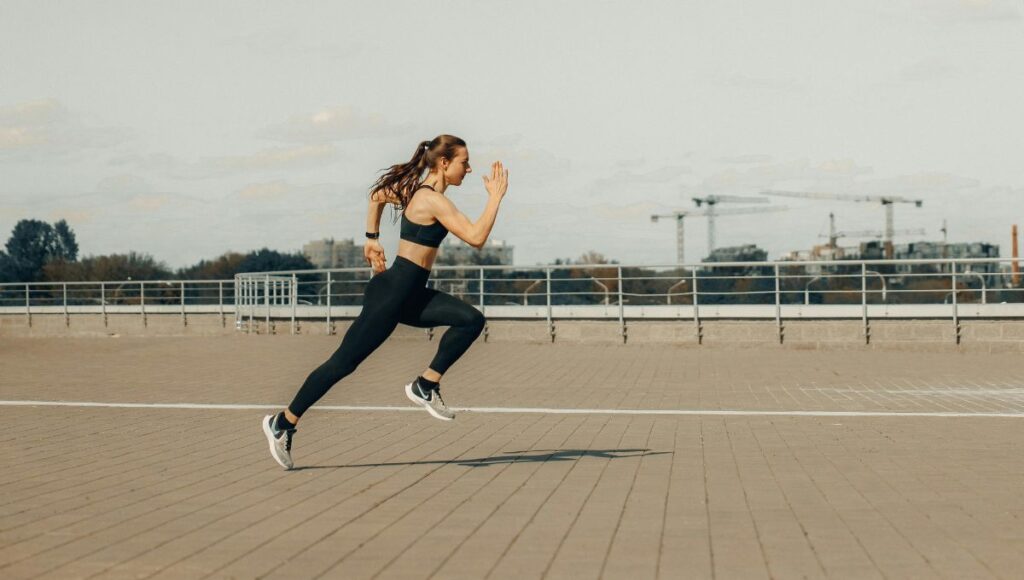
Research consistently links improved core strength and rotational power with better athletic performance.
Rotational Training for Everyday Health
Rotational training is not just for athletes.
Daily life frequently involves rotational movement patterns:
• Carrying groceries
• Lifting children
• Reaching into the back seat of a car
• Twisting during chores
• Walking efficiently
Poor rotational control may contribute to back discomfort and movement inefficiency. Improving rotational strength can help people move more comfortably and confidently. Older adults may especially benefit because rotational stability contributes to balance and fall prevention.
How Often Should You Train Rotation?
Rotational exercises can generally be trained two to four times per week. The ideal frequency depends on:
• Training goals
• Recovery ability
• Sport demands
• Overall training volume
Because resistance bands create less joint stress than heavy free weights, recovery demands are often lower. However, movement quality remains the top priority. Controlled movement with proper mechanics is more important than excessive volume.
How to Add Rotational Exercises to Your Program
Rotational exercises fit well into many different styles of training.
As a Warm Up
Light rotational drills prepare the core and hips for movement.
Example:
• Wood chops for 2 sets of 10 reps per side
During Strength Work
Heavier rotational exercises can improve power and force transfer.
Example:
• Rotational rows for 4 sets of 8 reps
In Conditioning Circuits
Bands are excellent for low impact conditioning.
Example circuit:
• Pallof rotation press
• Rotational row
• Wood chop
• Rest for 60 seconds
• Repeat 3 rounds
In Athletic Training
Explosive rotational movements can improve power output.
Example:
• Explosive wood chops for 5 sets of 6 reps
Signs You Need More Rotational Training
You may benefit from more rotational work if you experience:
• Poor posture
• Weakness during athletic movement
• Limited thoracic mobility
• Lower back discomfort during twisting
• Poor balance
• Difficulty transferring force
• Weak core stability
Many people focus only on visible abdominal muscles while ignoring deeper stabilizing functions.
Rotational training helps create a more complete and functional core.
Sample Resistance Band Rotation Workout
Here is a simple rotational workout that can be added to most training programs.
Warm Up
• Cat cow drill for 1 minute
• Thoracic rotations for 10 reps per side
• Band pull aparts for 15 reps
Main Workout
- Resistance band wood chop
3 sets of 10 reps per side - Resistance band rotational row
3 sets of 8 reps per side - Pallof rotation press
3 sets of 12 reps per side - Resistance band squat to press
3 sets of 12 reps
Core Finisher
• Side plank for 30 seconds per side
• Plank with shoulder taps for 30 seconds
Repeat for 2 rounds.
Key Technique Principles
Rotational training is highly effective when performed correctly.

Remember these important principles:
Brace the Core
Maintain abdominal tension throughout every repetition.
Rotate Through the Hips and Upper Back
Avoid excessive lower back rotation.
Control the Eccentric Phase
Do not allow the band to snap you back into position.
Maintain Athletic Posture
Keep the chest lifted and shoulders stable.
Move Smoothly
Controlled movement improves muscle activation and coordination.
Final Thoughts
Rotational strength is one of the most underrated qualities in fitness.
Traditional gym programs often neglect movement in the transverse plane, even though rotational power and stability are essential for sports performance, posture, injury prevention, and efficient movement.
Resistance bands provide an excellent solution because they create continuous tension while challenging the body to stabilize dynamically.
The resistance band wood chop, Pallof rotation press, and rotational row are three of the best exercises for building rotational strength and core function.
These movements train the body to generate and resist force while improving coordination between the hips, torso, and upper body.
Whether your goal is improved athleticism, better movement quality, stronger core function, or reduced injury risk, adding rotational resistance band exercises to your training program can deliver major benefits.
Consistency, proper technique, and gradual progression are the keys to long term results.
Key Takeaways
| Exercise | Main Benefit | Primary Muscles Worked | Recommended Rep Range |
|---|---|---|---|
| Resistance Band Wood Chop | Rotational power and force transfer | Obliques, glutes, lats, shoulders | 6 to 15 reps per side |
| Pallof Rotation Press | Core stability and anti rotational control | Obliques, transverse abdominis, glutes | 8 to 12 reps per side |
| Resistance Band Rotational Row | Pulling strength and rotational coordination | Lats, rhomboids, obliques, rear delts | 8 to 15 reps per side |
Bibliography
• Andersen, L.L., Andersen, C.H., Mortensen, O.S., Poulsen, O.M., Bjornlund, I.B.T. and Zebis, M.K. (2010) ‘Muscle activation and perceived loading during rehabilitation exercises: comparison of dumbbells and elastic resistance’, Physical Therapy, 90(4), pp. 538 to 549.
• Behm, D.G., Drinkwater, E.J., Willardson, J.M. and Cowley, P.M. (2010) ‘Canadian Society for Exercise Physiology position stand: the use of instability to train the core in athletic and nonathletic conditioning’, Applied Physiology, Nutrition, and Metabolism, 35(1), pp. 109 to 112.
• Hibbs, A.E., Thompson, K.G., French, D., Wrigley, A. and Spears, I. (2008) ‘Optimizing performance by improving core stability and core strength’, Sports Medicine, 38(12), pp. 995 to 1008.
• Lehman, G.J. (2006) ‘Resistance training for performance and injury prevention in golf’, Journal of the Canadian Chiropractic Association, 50(1), pp. 27 to 42.
• Page, P. and Ellenbecker, T. (2003) ‘The scientific and clinical application of elastic resistance’, Human Kinetics, 11(4), pp. 14 to 22.
• Santana, J.C. (2005) ‘The rotational movement training continuum’, Strength and Conditioning Journal, 27(5), pp. 62 to 68.
• Sato, K. and Mokha, M. (2009) ‘Does core strength training influence running kinetics, lower extremity stability, and 5000 M performance in runners?’, Journal of Strength and Conditioning Research, 23(1), pp. 133 to 140.
• Willardson, J.M. (2007) ‘Core stability training: applications to sports conditioning programs’, Journal of Strength and Conditioning Research, 21(3), pp. 979 to 985.
• Youdas, J.W., Coleman, K.C., Holstad, E.E., Long, S.D., Veldkamp, N.L. and Hollman, J.H. (2014) ‘Magnitude of muscle activation of core stabilizers during torso rotation exercises with elastic resistance versus machine’, Journal of Strength and Conditioning Research, 28(8), pp. 2256 to 2264.