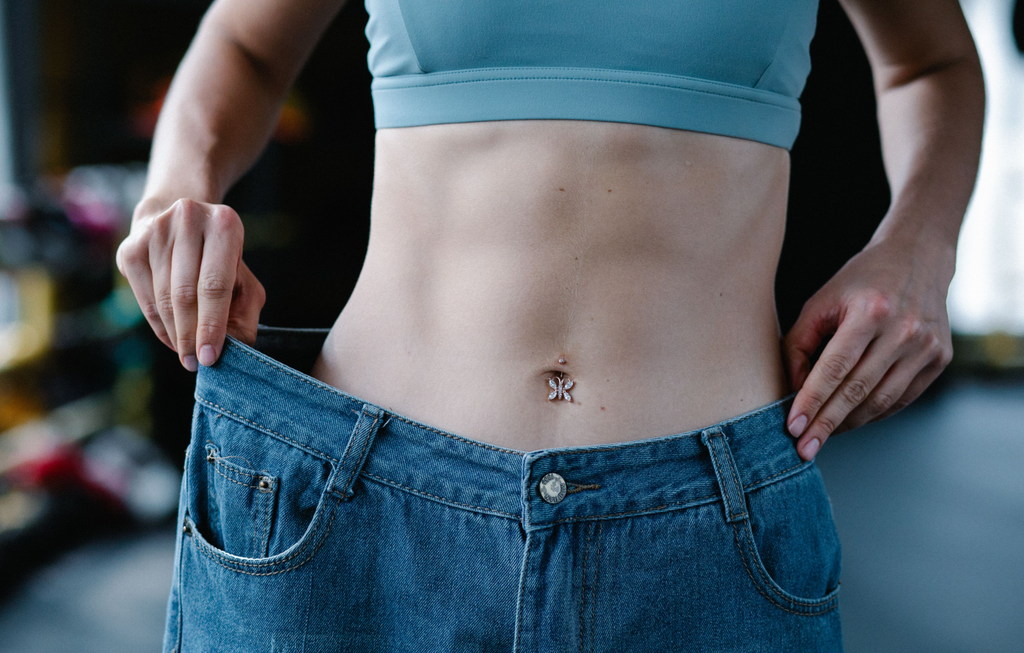


Getting lean is not about starving yourself or spending endless hours on a treadmill. It is about understanding how your body uses energy, how muscle and fat interact, and how to structure your training and nutrition in a way that works with your biology, not against it. Science has made this clearer than ever.
This guide breaks down a proven five step method to help you get leaner faster, while preserving muscle and maintaining performance. Each step is grounded in research and practical application so you can apply it immediately.


Step 1: Create a Smart Calorie Deficit
Why Energy Balance Still Matters
Fat loss ultimately depends on energy balance. When you consume fewer calories than you burn, your body must use stored energy, primarily fat, to make up the difference. This principle has been consistently validated in controlled feeding studies.

However, not all calorie deficits are equal. A large deficit may produce faster weight loss, but it increases the risk of muscle loss, metabolic slowdown, and poor adherence. A moderate deficit produces more sustainable results and better body composition outcomes.
The Optimal Deficit Range
Research suggests that a daily calorie deficit of around 300 to 500 calories is effective for fat loss while preserving lean mass. Larger deficits can lead to reductions in resting metabolic rate and hormonal disruptions.
Rapid weight loss approaches often lead to greater loss of fat free mass. This includes muscle tissue, which you want to preserve if your goal is to look lean and athletic.
Protein Intake Is Non Negotiable
A calorie deficit without adequate protein is a recipe for muscle loss. Protein increases satiety, supports muscle retention, and has a higher thermic effect than fats or carbohydrates.
Aim for:
- 1.6 to 2.4 grams of protein per kilogram of body weight per day
- Even distribution across meals
- Emphasis on whole food protein sources
High protein diets during calorie restriction have been shown to preserve lean mass and improve fat loss outcomes.
Practical Implementation
Start by estimating your maintenance calories. Reduce intake by about 10 to 20 percent. Monitor body weight, performance, and hunger levels weekly. Adjust gradually rather than making aggressive cuts. Consistency matters more than perfection. The best deficit is one you can sustain.
Step 2: Prioritize Resistance Training
Why Lifting Weights Is Essential
If your goal is to get leaner, not just lighter, resistance training is critical. Without it, a significant portion of the weight you lose will come from muscle.
Muscle is metabolically active and contributes to your resting energy expenditure. Preserving it helps maintain a higher metabolic rate during fat loss.

The Science Behind Muscle Retention
Studies comparing resistance training with diet alone consistently show that combining both leads to better body composition. Participants who lift weights while dieting lose more fat and retain more muscle than those who only restrict calories. Resistance training also improves insulin sensitivity, which helps your body partition nutrients more effectively.
Training Structure
Focus on:
- Compound movements such as squats, deadlifts, presses, and rows
- Progressive overload, which means gradually increasing weight, reps, or volume
- Training each muscle group at least two times per week
A typical weekly structure might include three to five sessions depending on your experience level.
Volume and Intensity
Moderate to high intensity training with sufficient volume is ideal. This means lifting weights that are challenging within 6 to 15 repetitions per set. Training too light may not provide enough stimulus to preserve muscle. Training too heavy without adequate recovery can increase fatigue and injury risk.
Practical Tip
Do not reduce training intensity just because you are in a calorie deficit. Instead, reduce overall volume slightly if needed while keeping the weights relatively heavy.
Step 3: Use Cardio Strategically

Cardio Is a Tool, Not the Foundation
Cardio helps increase energy expenditure, but it should not replace resistance training or nutrition. Many people rely too heavily on cardio, which can lead to burnout and muscle loss. Used correctly, cardio enhances fat loss without compromising recovery.
Types of Cardio
There are two main types to consider:
- Low intensity steady state cardio such as walking or cycling
- High intensity interval training, often referred to as HIIT
Both have benefits. Low intensity cardio is easier to recover from and can be done frequently. HIIT is time efficient and can improve cardiovascular fitness.
What the Research Says
Studies show that combining resistance training with moderate amounts of cardio leads to greater fat loss than resistance training alone. However, excessive cardio can interfere with strength gains and recovery. HIIT has been shown to produce similar fat loss outcomes to longer duration steady state cardio when total energy expenditure is matched.
How Much Cardio Should You Do
A good starting point:
- 2 to 4 sessions of low intensity cardio per week
- Optional 1 to 2 sessions of HIIT depending on recovery
Walking is one of the most underrated tools for fat loss. Increasing daily step count can significantly impact total calorie expenditure.
Practical Tip
Track your daily activity. Aim for 8,000 to 12,000 steps per day as a baseline. This supports fat loss without adding excessive stress.
Step 4: Optimize Sleep and Stress Management
Sleep Is a Fat Loss Multiplier
Sleep is often overlooked, yet it plays a major role in body composition. Poor sleep affects hunger hormones, insulin sensitivity, and recovery. Short sleep duration has been linked to increased appetite and reduced fat loss during calorie restriction.

Hormonal Impact
When you do not get enough sleep:
- Ghrelin, the hunger hormone, increases
- Leptin, the satiety hormone, decreases
- Cortisol levels rise, promoting fat storage
These changes make it harder to stick to your diet and easier to overeat.
Evidence From Studies
Research has shown that individuals who are sleep deprived lose less fat and more muscle compared to those who sleep adequately, even when calorie intake is the same.
Stress and Fat Loss
Chronic stress can also impair fat loss. Elevated cortisol levels are associated with increased abdominal fat and reduced metabolic efficiency. Stress can also lead to emotional eating and poor food choices.
Practical Strategies
- Aim for 7 to 9 hours of sleep per night
- Maintain a consistent sleep schedule
- Limit screen exposure before bedtime
- Use relaxation techniques such as breathing exercises or meditation
Managing stress is not optional if you want to get lean efficiently.
Step 5: Focus on Food Quality and Nutrient Timing
Not All Calories Are Equal for Satiety
While calorie balance drives fat loss, food quality influences hunger, adherence, and overall health. Whole foods tend to be more filling and nutrient dense than processed foods. They also require more energy to digest.
High Satiety Foods
Include:
- Lean proteins such as chicken, fish, eggs, and dairy
- High fiber vegetables and fruits
- Whole grains and legumes
These foods help control appetite and support digestion.
Nutrient Timing
Nutrient timing is less important than total intake, but it can enhance performance and recovery. Key strategies:
- Consume protein within a few hours before or after training
- Include carbohydrates around workouts to support energy levels
- Distribute protein evenly across meals
Hydration Matters
Dehydration can affect performance and increase perceived hunger. Drinking enough water supports metabolism and exercise performance.
The Role of Fiber
Dietary fiber slows digestion and increases satiety. Higher fiber intake is associated with lower body weight and improved metabolic health. Aim for at least 25 to 35 grams of fiber per day.
Practical Tip
Build meals around protein and vegetables first. Then add carbohydrates and fats based on your calorie target.
Putting It All Together
The five step method works because it addresses all key components of fat loss:
- Energy balance through a controlled calorie deficit
- Muscle preservation through resistance training
- Increased expenditure through strategic cardio
- Hormonal optimization through sleep and stress management
- Improved adherence through food quality and structure
When these elements are aligned, fat loss becomes more efficient and sustainable.
Common Mistakes to Avoid
Going Too Aggressive Too Soon
Extreme calorie cuts often lead to rapid burnout and muscle loss. Slow and steady progress is more effective in the long term.
Ignoring Strength Training
Cardio alone will not give you a lean, athletic look. Muscle definition comes from resistance training.
Poor Protein Intake
Low protein diets during fat loss increase the risk of losing muscle mass.
Inconsistent Tracking
You cannot adjust what you do not measure. Track your food intake, body weight, and performance.
Neglecting Recovery
Overtraining combined with poor sleep can stall fat loss and increase injury risk.
Final Thoughts
Getting leaner faster is not about shortcuts. It is about applying proven principles consistently. When you combine a smart calorie deficit with resistance training, strategic cardio, quality nutrition, and proper recovery, you create an environment where fat loss is efficient and sustainable.
This approach does not just help you lose weight. It helps you build a body that performs better, looks stronger, and maintains results over time.
References
- American Journal of Clinical Nutrition
Hall, K.D. et al. (2016). Energy balance and its components: implications for body weight regulation. - Journal of the International Society of Sports Nutrition
Helms, E.R. et al. (2014). Evidence based recommendations for natural bodybuilding contest preparation. - American Journal of Clinical Nutrition
Leidy, H.J. et al. (2015). The role of protein in weight loss and maintenance. - Obesity Reviews
Weinheimer, E.M. et al. (2010). The effects of exercise on fat free mass during weight loss. - Sports Medicine
Schoenfeld, B.J. et al. (2014). Effects of resistance training frequency on muscle hypertrophy. - Journal of Obesity
Swift, D.L. et al. (2014). The role of exercise and physical activity in weight loss and maintenance. - Journal of Physiology
Gillen, J.B. and Gibala, M.J. (2014). Is high intensity interval training a time efficient exercise strategy.