


Broad shoulders have long been associated with athleticism, strength, and an impressive physique. While bone structure and clavicle width are largely determined by genetics, the appearance of wider shoulders can be significantly improved through targeted muscle development, smart training strategies, proper nutrition, and adequate recovery.
The key muscles responsible for shoulder width are the deltoids, particularly the lateral deltoid, which creates the rounded appearance that makes the shoulders look broader from the front and back. The posterior deltoid also plays an important role by adding thickness and three dimensionality to the upper body. When combined with a well developed upper back and a lean waistline, the result is a dramatic increase in the visual width of the shoulders.


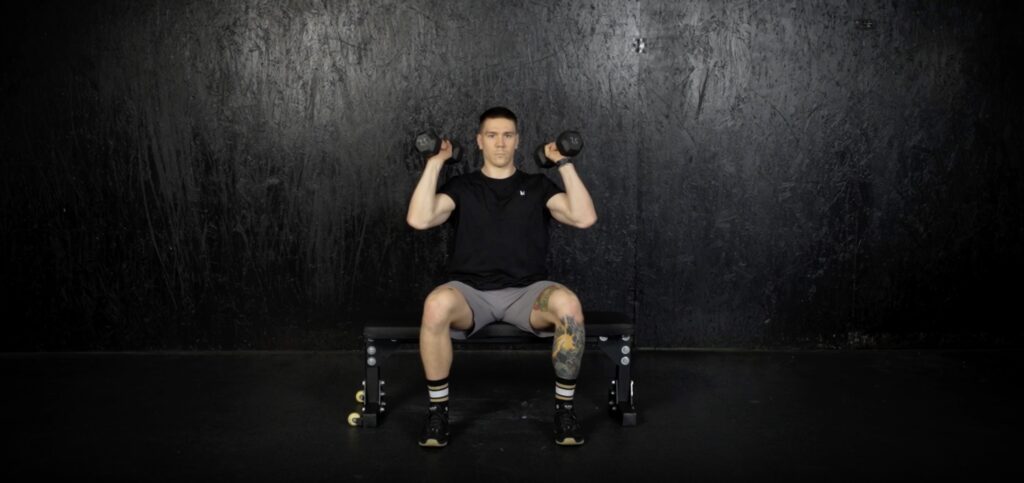
Many people spend years performing random shoulder exercises without seeing meaningful results. The truth is that shoulder growth follows the same scientific principles as any other muscle group. Progressive overload, sufficient training volume, appropriate exercise selection, recovery, and nutrition all play critical roles.
If your goal is to build wider shoulders as quickly as possible, these ten evidence based tips will help you maximize your results.
Understanding What Makes Shoulders Look Wider
Before diving into the strategies, it is important to understand the anatomy involved. The deltoid muscle consists of three distinct heads:
Anterior Deltoid
The front portion of the shoulder assists with pressing and forward arm movement.
Lateral Deltoid
The middle portion of the shoulder is primarily responsible for lifting the arm out to the side. This head contributes most directly to shoulder width.
Posterior Deltoid
The rear portion of the shoulder assists with pulling movements and shoulder extension. It contributes to shoulder thickness and overall shoulder development.
Research consistently shows that different exercises emphasize different portions of the deltoid. Therefore, a complete shoulder building program must address all three heads while placing special emphasis on the lateral deltoid if width is the primary objective.
Tip 1: Prioritize Lateral Deltoid Training
If wider shoulders are your goal, the lateral deltoid deserves special attention. Many lifters spend most of their shoulder training time on overhead presses. While presses are excellent for overall shoulder strength and size, they heavily recruit the anterior deltoid and often leave the lateral head undertrained.
The lateral deltoid responds particularly well to isolation work such as lateral raises. Electromyography studies have shown that lateral raise variations produce high levels of activation in the middle deltoid compared to many pressing movements.
To maximize growth, include multiple lateral raise variations throughout the week. Dumbbell lateral raises, cable lateral raises, leaning cable raises, and machine lateral raises can all be valuable tools. Using a variety of angles and resistance profiles may help stimulate growth across the full muscle length while reducing the risk of overuse injuries.
Consistency is essential. Training the lateral deltoids regularly can dramatically improve the visual width of the shoulders over time.
Tip 2: Increase Weekly Training Volume
One of the strongest predictors of muscle growth is total training volume. Scientific reviews have repeatedly found a dose response relationship between training volume and hypertrophy. In simple terms, performing more quality sets generally leads to greater muscle growth, provided recovery is adequate.
For most lifters, shoulder growth can be accelerated by accumulating between 10 and 20 hard sets per week for the deltoids. Advanced trainees may sometimes benefit from even higher volumes, but recovery becomes increasingly important.
Volume should be distributed across multiple training sessions rather than crammed into a single workout. Training shoulders two to four times per week often allows for higher quality performance and better recovery.

The lateral deltoids are relatively small muscles and tend to recover quickly compared to larger muscle groups such as the quadriceps. This makes them well suited to higher frequency training. Rather than destroying your shoulders once per week, focus on consistent stimulation across several sessions.
Tip 3: Use Progressive Overload Relentlessly
Muscles grow because they are challenged to adapt. Progressive overload refers to gradually increasing the demands placed on the muscles over time. This can be achieved by adding weight, increasing repetitions, performing more sets, improving technique, or reducing rest periods strategically.
Without progressive overload, muscle growth eventually stalls. For shoulder training, progression does not always mean adding large amounts of weight. The deltoids often respond well to smaller increases. Adding a single repetition per set, improving range of motion, or controlling the eccentric phase more effectively can all represent meaningful progression.
Keeping a training log is one of the simplest and most effective ways to ensure consistent improvement.
Many lifters believe they are training hard enough, but objective tracking often reveals that they have been using the same weights and repetitions for months. Consistent progression is what separates muscle maintenance from muscle growth.
Tip 4: Train Through a Full Range of Motion
Range of motion matters. Recent research suggests that training muscles through longer muscle lengths may enhance hypertrophy compared to partial range training alone. For shoulder exercises, this means emphasizing controlled movement through the fullest safe range possible.
During lateral raises, avoid shortening the movement excessively or relying on momentum. Allow the shoulders to move through a natural range while maintaining tension on the target muscles.
Cable exercises can be especially effective because they maintain resistance throughout the movement and often challenge the muscle in stretched positions.

That does not mean partial repetitions have no place. Partial reps can be useful as an advanced intensity technique. However, the foundation of your shoulder training should be built around quality repetitions performed through a complete range of motion.
Tip 5: Do Not Neglect the Rear Delts
Many people chasing wider shoulders focus almost exclusively on the side delts. This is a mistake.
The posterior deltoids contribute significantly to the overall appearance of shoulder size. Well developed rear delts create a thicker upper body, improve posture, and enhance the visual width of the shoulders when viewed from multiple angles.
Studies examining muscle activation patterns show that rowing movements alone may not provide sufficient stimulation for maximal rear delt development. Direct isolation work is often beneficial. Exercises such as reverse pec deck flyes, rear delt cable flyes, bent over lateral raises, and face pulls are excellent choices.
Balanced shoulder development also reduces the risk of muscular imbalances that can contribute to discomfort and injury. If you want shoulders that look impressive from every angle, rear delt training should be a non negotiable part of your program.
Tip 6: Master the Overhead Press
Isolation exercises are crucial, but compound lifts remain valuable. The overhead press is one of the most effective upper body exercises for building shoulder strength and overall mass. It challenges multiple muscle groups simultaneously, including the deltoids, triceps, upper chest, and upper back stabilizers.
Research consistently supports the effectiveness of multi joint exercises for increasing muscle size and strength. Both standing and seated variations can be effective. Standing presses require greater stabilization and total body involvement, while seated presses may allow greater focus on the shoulders themselves.
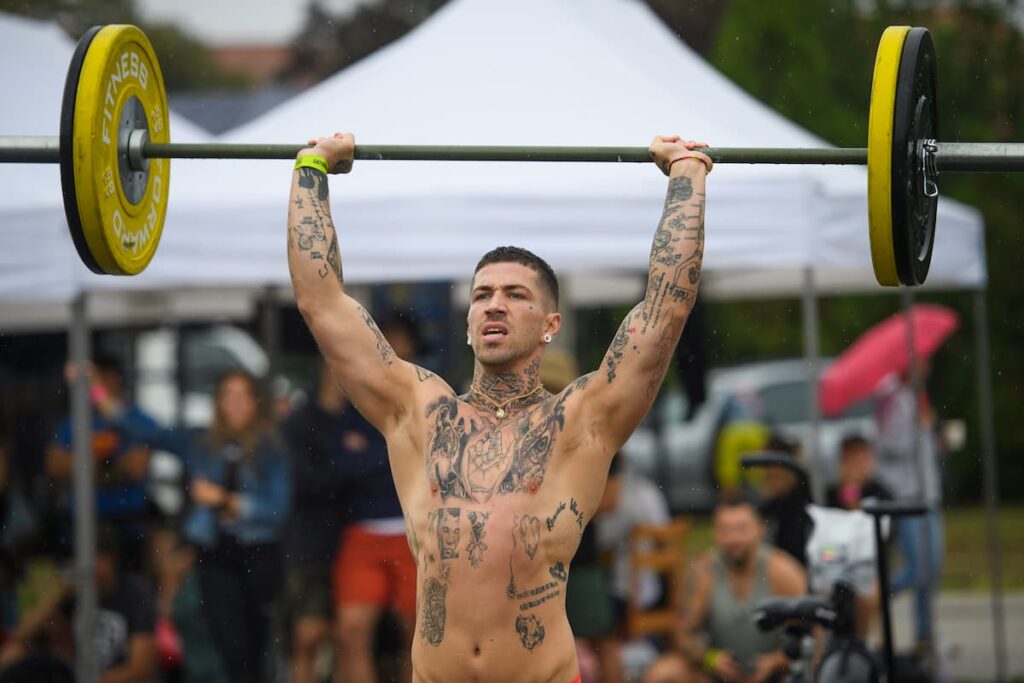
The key is execution. Avoid turning the exercise into a lower back movement by excessively arching the spine. A stronger overhead press often translates into greater long term shoulder development because it allows progressively heavier loading over time. While lateral raises may create width directly, overhead presses help build the overall muscular foundation that supports bigger shoulders.
Tip 7: Stay Lean Enough to Enhance the V Taper
Building muscle is only part of the equation. Shoulder width is partly an illusion created by proportions. Even moderately developed shoulders can appear dramatically wider when paired with a lean waist.
Body fat accumulation around the midsection reduces the visual contrast between the shoulders and waist. Conversely, maintaining a healthy body composition enhances the V taper effect.
Research shows that excess body fat can also negatively affect insulin sensitivity, recovery, and hormonal health, all of which influence muscle building potential.
This does not mean you need to stay extremely lean year round. However, avoiding excessive fat gain during muscle building phases can help preserve the appearance of shoulder width while supporting long term health. A balanced approach to nutrition typically produces the best results.
Tip 8: Eat Enough Protein and Calories
Training provides the stimulus for growth, but nutrition provides the raw materials. Muscle hypertrophy requires sufficient protein intake to support muscle protein synthesis. Scientific evidence consistently supports higher protein intakes for individuals engaged in resistance training.
Most research suggests that consuming approximately 1.6 to 2.2 grams of protein per kilogram of body weight per day is sufficient for maximizing muscle growth in most individuals. Calories matter as well.
Building muscle is generally easier when energy intake supports recovery and adaptation. While some beginners can gain muscle while losing fat, most intermediate and advanced lifters benefit from a modest calorie surplus when pursuing maximal hypertrophy.
Protein should be distributed across several meals throughout the day to support ongoing muscle protein synthesis. High quality protein sources such as lean meats, fish, eggs, dairy products, and plant based protein combinations can all contribute to muscle growth.
Without adequate nutrition, even the most scientifically designed training program will fall short.
Tip 9: Prioritize Sleep and Recovery
Muscles do not grow during workouts. They grow during recovery.
Sleep plays a critical role in muscle repair, hormonal regulation, cognitive performance, and athletic recovery. Research has shown that sleep restriction can impair muscle recovery and negatively affect anabolic processes. Most adults should aim for seven to nine hours of quality sleep per night.
- Chronic sleep deprivation may reduce training performance, impair recovery, and limit long term muscle growth.
- Recovery also includes managing training stress appropriately. More is not always better.
- Persistent soreness, declining performance, lack of motivation, and poor sleep quality can all indicate insufficient recovery.
- Strategic deload weeks, proper nutrition, hydration, and stress management help create an environment where muscle growth can occur consistently.
If you want wider shoulders faster, treat recovery with the same seriousness as training.
Tip 10: Train Consistently for Months, Not Days
The fitness industry often promotes unrealistic expectations. There is no secret exercise, supplement, or training hack that will transform narrow shoulders into broad shoulders overnight. Muscle growth is a gradual biological process.
Studies examining resistance training interventions commonly show meaningful hypertrophy occurring over periods of several weeks to several months. The individuals who achieve the most impressive shoulder development are usually those who apply sound principles consistently over long periods.
Consistency compounds. A lifter who performs effective shoulder training three times per week for a year will almost always outperform someone who follows the perfect program for a few weeks before quitting.
Patience does not mean accepting slow progress. By combining smart exercise selection, sufficient volume, progressive overload, proper nutrition, and quality recovery, you can maximize your rate of improvement. The shoulders respond remarkably well to focused training when these principles are applied consistently.
Putting It All Together
Building wider shoulders is not about finding a magic exercise. It is about understanding the factors that drive muscle growth and applying them systematically.
The lateral deltoids should receive special attention because they contribute most directly to shoulder width. However, complete shoulder development requires training all three heads of the deltoid while supporting growth through adequate volume, progressive overload, nutrition, and recovery.
Compound movements such as overhead presses provide a strong foundation, while isolation exercises allow you to target specific regions effectively. A lean waistline enhances the visual impact of shoulder development, and sufficient protein intake ensures that the body has the resources needed to build new muscle tissue.
Perhaps most importantly, consistency remains the ultimate advantage. The shoulders can become noticeably broader and more impressive over time, but only when training and recovery habits are maintained for the long term. Focus on these ten evidence based strategies, and you will give yourself the best possible chance of building wider shoulders as quickly and effectively as your genetics allow.
Key Takeaways
| Tip | Why It Works | Practical Application |
|---|---|---|
| Prioritize lateral delts | Directly increases shoulder width | Perform multiple lateral raise variations weekly |
| Increase training volume | Higher volume supports hypertrophy | Aim for roughly 10 to 20 quality sets weekly |
| Use progressive overload | Forces adaptation and growth | Track weights, reps, and performance |
| Train through full range | May enhance hypertrophy | Use controlled repetitions and full movement |
| Train rear delts | Improves overall shoulder size | Include flyes, face pulls, and reverse pec deck work |
| Master overhead presses | Builds mass and strength | Progress pressing performance consistently |
| Stay relatively lean | Enhances shoulder to waist ratio | Manage body fat through nutrition |
| Eat enough protein | Supports muscle protein synthesis | Consume 1.6 to 2.2 g/kg daily |
| Prioritize sleep | Improves recovery and growth | Aim for 7 to 9 hours nightly |
| Stay consistent | Long term adherence drives results | Follow the plan for months and years |
References
• Ahtiainen, J.P., Pakarinen, A., Alen, M., Kraemer, W.J. and Häkkinen, K. (2003) ‘Muscle hypertrophy, hormonal adaptations and strength development during strength training in strength trained and untrained men’, European Journal of Applied Physiology, 89(6), pp. 555 to 563.
• American College of Sports Medicine (2009) ‘Progression models in resistance training for healthy adults’, Medicine & Science in Sports & Exercise, 41(3), pp. 687 to 708.
• Brad Schoenfeld, B.J. (2010) ‘The mechanisms of muscle hypertrophy and their application to resistance training’, Journal of Strength and Conditioning Research, 24(10), pp. 2857 to 2872.
• Grgic, J., Schoenfeld, B.J. and Latella, C. (2019) ‘Resistance training induced muscle hypertrophy and range of motion’, Sports Medicine, 49(7), pp. 1043 to 1052.
• Helms, E.R., Aragon, A.A. and Fitschen, P.J. (2014) ‘Evidence based recommendations for natural bodybuilding contest preparation: nutrition and supplementation’, Journal of the International Society of Sports Nutrition, 11(20), pp. 1 to 20.
• Krieger, J.W. (2010) ‘Single versus multiple sets of resistance exercise for muscle hypertrophy: a meta analysis’, Journal of Strength and Conditioning Research, 24(4), pp. 1150 to 1159.
• Morton, R.W., Murphy, K.T., McKellar, S.R., Schoenfeld, B.J., Henselmans, M., Helms, E., Aragon, A.A., Devries, M.C., Banfield, L., Krieger, J.W. and Phillips, S.M. (2018) ‘A systematic review, meta analysis and meta regression of protein supplementation on resistance training induced gains in muscle mass and strength’, British Journal of Sports Medicine, 52(6), pp. 376 to 384.
• Schoenfeld, B.J., Ogborn, D. and Krieger, J.W. (2017) ‘Dose response relationship between weekly resistance training volume and increases in muscle mass’, Journal of Sports Sciences, 35(11), pp. 1073 to 1082.