

Building a muscular torso after the age of 35 is not only possible, it is one of the smartest investments you can make for your health, performance, and appearance. While many people believe muscle growth slows dramatically after their mid thirties, the science tells a more encouraging story. Adults continue to build significant muscle well into middle age when they combine progressive resistance training with sufficient protein, recovery, and consistency.
What does change after 35 is how your body responds to training. Hormonal shifts gradually reduce the efficiency of muscle protein synthesis, recovery often takes a little longer, and sedentary lifestyles can accelerate age related muscle loss, known as sarcopenia. Fortunately, resistance training remains the most effective strategy to counter these changes.



Rather than spending hours doing isolation exercises, focusing on a handful of highly effective compound lifts delivers the greatest return on your effort. Compound exercises train multiple muscle groups at once, allow heavier loading, stimulate greater hormonal responses, and create more overall muscle growth.
If your goal is a thicker chest, broader shoulders, a stronger back, and a torso that looks athletic rather than simply lean, these three exercises should form the foundation of your training.
Why Building Muscle After 35 Matters
After approximately age 30, adults begin to lose small amounts of muscle mass each decade if they do not perform regular resistance training. Muscle loss becomes more noticeable after the age of 50, but the process begins much earlier.
Loss of muscle does far more than affect appearance. Lean muscle contributes to metabolic health, insulin sensitivity, bone density, athletic performance, and daily function. Greater muscle mass is also associated with lower risks of injury and improved quality of life as people age. Research consistently shows that resistance training can reverse much of this decline. Even individuals in their sixties, seventies, and eighties have demonstrated impressive increases in muscle size and strength after structured training programs.
For adults over 35, the goal is not simply adding muscle. It is preserving physical capacity for decades to come.
How Many Press Ups Should You Be Able to Do?
What Makes an Exercise Best for Torso Growth?
Not every exercise deserves equal attention. The most productive movements share several characteristics. They allow progressive overload through heavier weights over time. They recruit large amounts of muscle mass simultaneously. They produce high levels of mechanical tension, which is the primary driver of hypertrophy. They also remain practical enough to perform consistently for years.
The following three exercises check every one of those boxes.
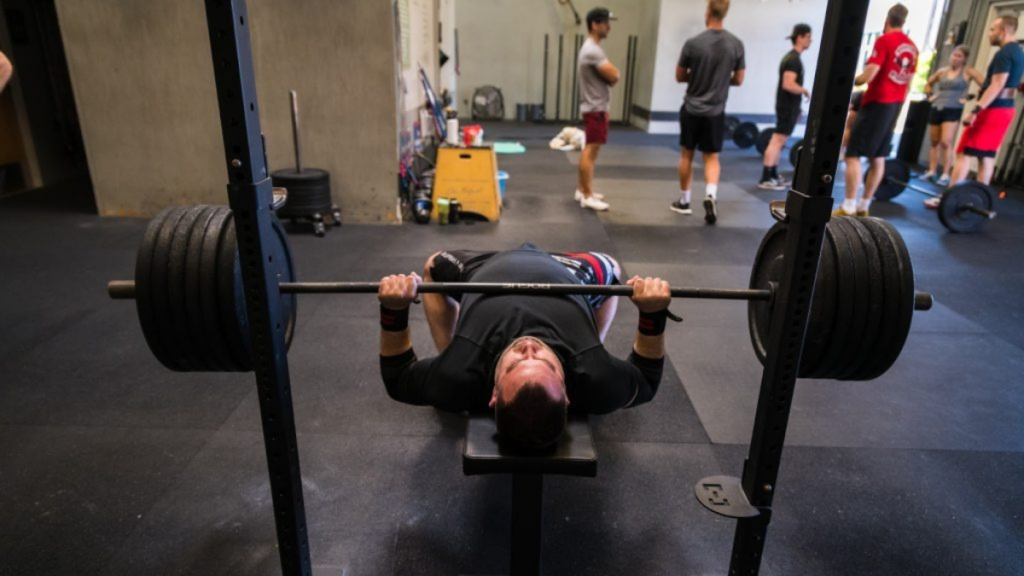
1. Barbell Bench Press
The bench press remains one of the most effective upper body exercises ever studied.
Although many people think of it as simply a chest exercise, it heavily recruits the pectoralis major, anterior deltoids, and triceps while requiring stabilization from the upper back and core.
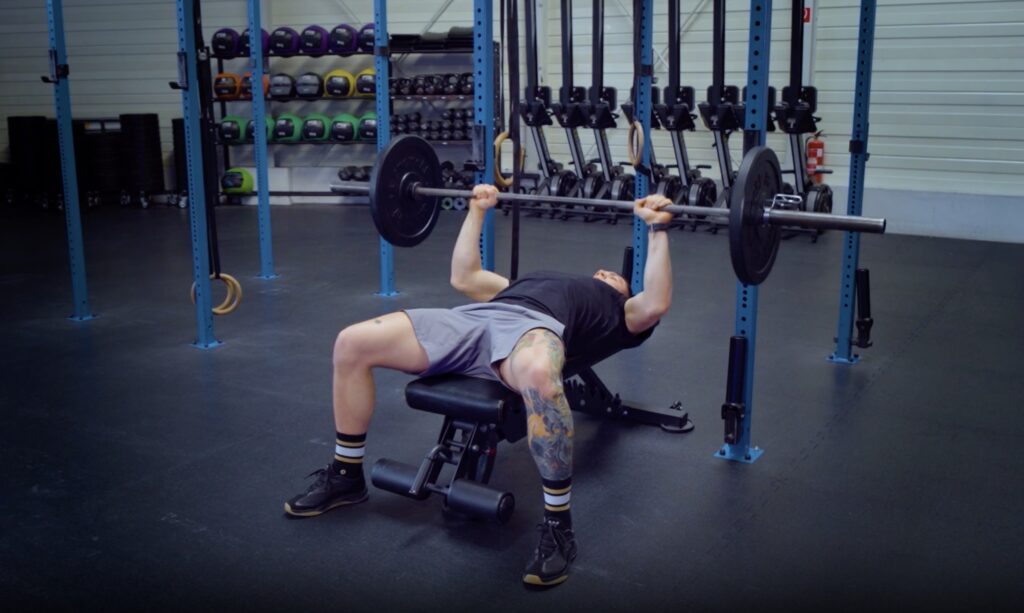
Because it allows significant loading, the bench press creates high levels of mechanical tension across multiple upper body muscles. This makes it ideal for maximizing muscle growth in the torso.
Why It Works
Electromyography studies consistently demonstrate high activation of the pectoralis major during heavy bench pressing. As loads increase, recruitment of additional motor units rises, allowing greater potential for muscle adaptation.
Unlike machine chest presses, free weight bench pressing also requires stabilization through the shoulders and upper back, increasing total muscular involvement.
Heavy compound pressing has also been shown to stimulate greater anabolic signaling than isolation movements due to the larger amount of muscle recruited.
How to Perform It
- Lie on the bench with your feet planted firmly on the floor.
- Grip the bar slightly wider than shoulder width.
- Retract your shoulder blades and keep your chest elevated throughout the movement.
- Lower the bar under control until it lightly touches the mid chest.
- Press explosively back to the starting position without bouncing the bar.
- Focus on full range of motion and consistent technique rather than chasing heavier weights too early.
Training Recommendation
For hypertrophy, perform three to five sets of six to twelve repetitions while leaving one or two repetitions in reserve on most sets.
Progressively increase either weight or repetitions over time.
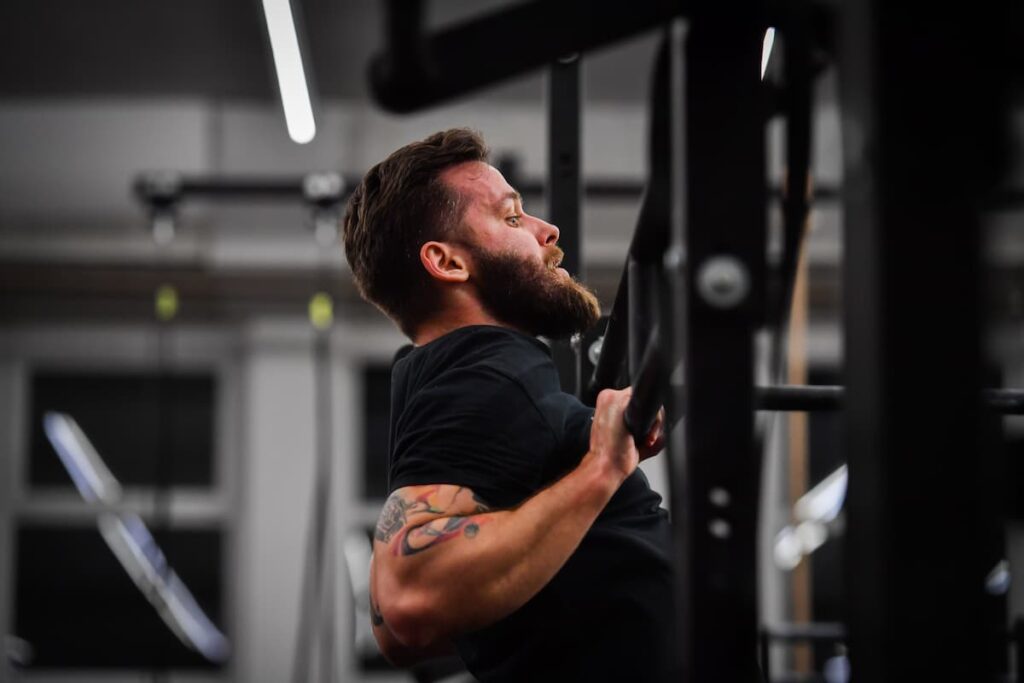
2. Pull Up or Weighted Pull Up
A wide, muscular torso depends just as much on the back as it does on the chest. Pull ups develop the latissimus dorsi, trapezius, rhomboids, rear deltoids, teres major, biceps, and forearms while creating the broad V shaped appearance associated with athletic physiques.
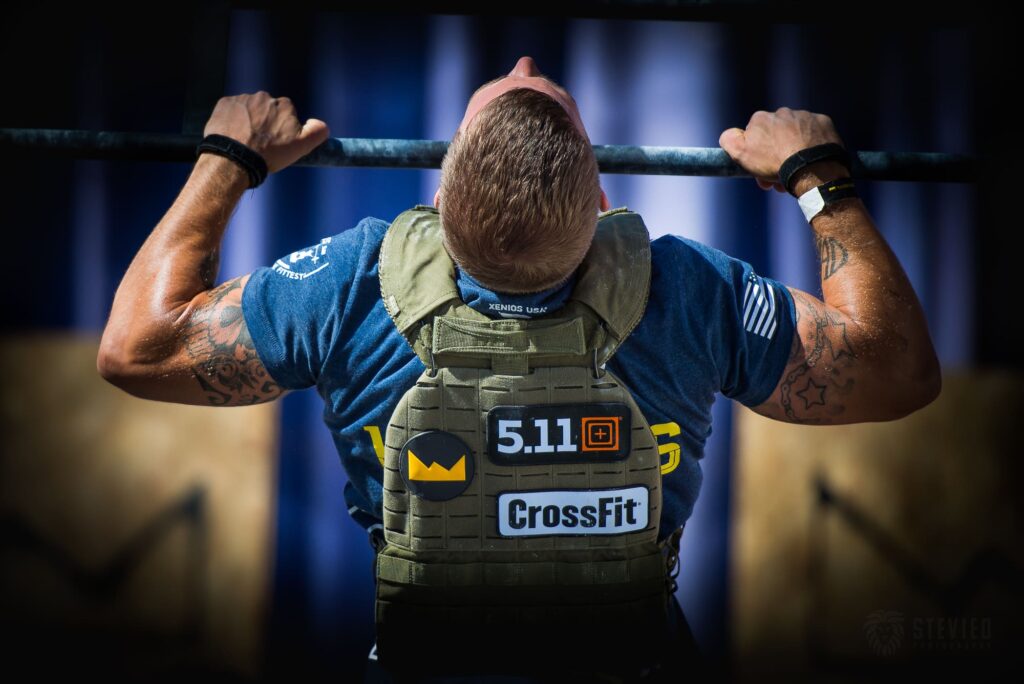
Few exercises simultaneously improve upper body strength, posture, and muscular development as effectively.
Why It Works
Studies comparing pulling exercises consistently show high activation of the latissimus dorsi during pull ups, particularly when using a full range of motion. Unlike lat pulldowns, bodyweight pull ups require greater stabilization while challenging the entire kinetic chain.
As strength improves, adding external weight dramatically increases mechanical tension, making weighted pull ups one of the most powerful hypertrophy exercises available.
Strong back muscles also improve shoulder mechanics and posture, which becomes increasingly important as many adults spend long hours sitting at desks.
How to Perform It
- Hang from the bar using a shoulder width overhand grip.
- Begin each repetition from a dead hang.
- Pull your elbows toward your ribs while driving your chest toward the bar.
- Lower yourself under complete control until your elbows fully extend.
- Avoid excessive swinging or using momentum.
If you cannot yet perform pull ups, assisted pull ups or resistance bands provide an excellent starting point.
Training Recommendation
Aim for three to five sets of six to ten repetitions.
Once ten clean repetitions become comfortable, begin adding weight using a dipping belt.
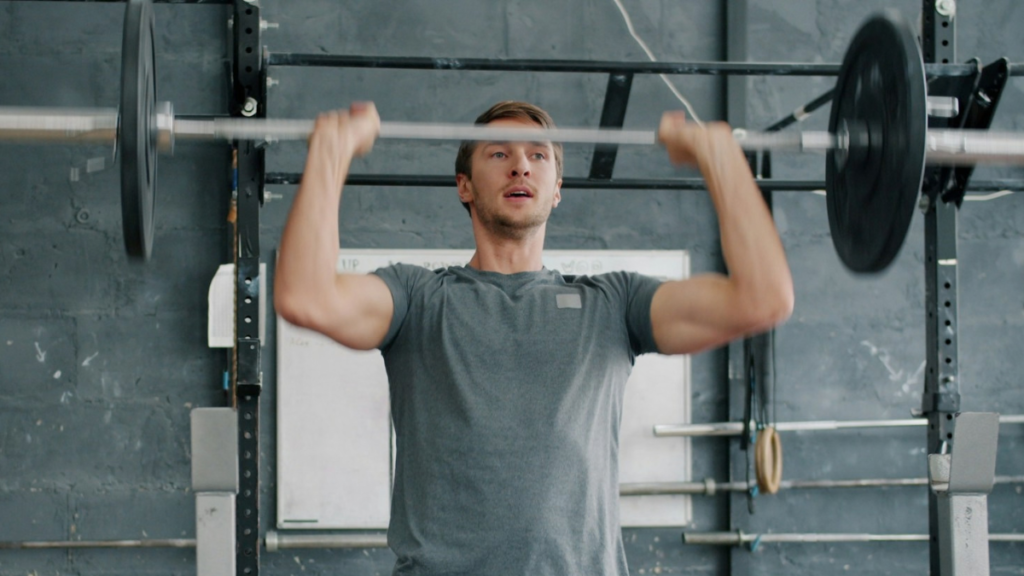
3. Standing Overhead Press
Many lifters overlook the overhead press in favor of more chest work, but it may be the exercise that truly transforms your torso.
The standing barbell overhead press develops all three heads of the deltoids while heavily involving the upper chest, triceps, upper traps, serratus anterior, spinal erectors, abdominals, glutes, and even the legs as stabilizers. Because the movement is performed standing, the entire body must work together.
Why It Works
Research demonstrates substantial activation of the anterior and medial deltoids during overhead pressing. The standing version requires continuous core stabilization, increasing abdominal and spinal muscle activity compared with seated pressing.
This full body integration improves functional strength while creating thicker shoulders that dramatically improve overall upper body proportions.
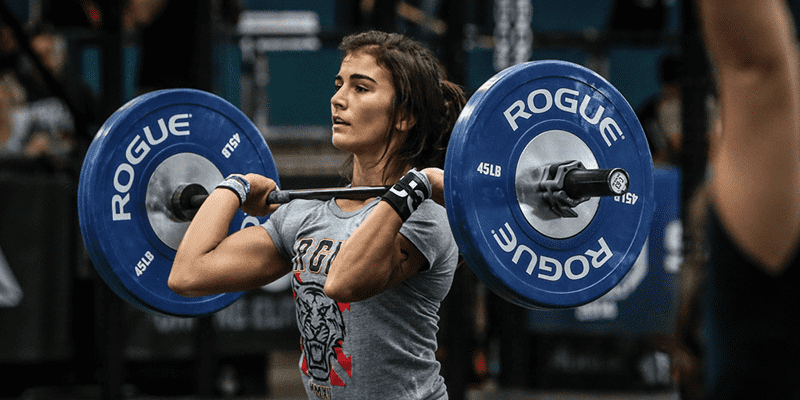
Broader shoulders make the waist appear narrower, producing a more muscular physique even without significant changes in body fat.
How to Perform It
- Stand with your feet approximately hip width apart.
- Grip the bar just outside shoulder width.
- Brace your core and squeeze your glutes before initiating the lift.
- Press the bar overhead while moving your head slightly backward and then forward once the bar passes your forehead.
- Finish with the bar directly above your shoulders.
- Lower under control back to shoulder level.
- Avoid excessive leaning through the lower back.
Training Recommendation
Perform three to four sets of six to ten repetitions using strict technique. Small increases in weight over months often produce impressive long term gains.
Why Compound Exercises Beat Isolation Exercises
Many people spend large portions of their workouts performing flyes, lateral raises, cable crossovers, curls, or triceps extensions. These exercises certainly have value, but they should supplement rather than replace compound lifts.
Compound movements create more overall muscle stimulus in less time. They recruit larger amounts of muscle tissue, allow heavier loading, burn more energy, and generate greater improvements in overall strength. Research consistently finds that progressive overload remains one of the strongest predictors of hypertrophy. Compound lifts make progressive overload easier to achieve because larger muscle groups can handle greater loads.
Isolation work is best used after these primary lifts to target smaller muscles or address specific weaknesses.
Training Frequency After 35
Older lifters often wonder whether they should train less frequently. The answer depends on recovery rather than age alone. Current evidence suggests training each muscle group approximately twice per week generally produces superior hypertrophy compared with once weekly training, provided total training volume remains appropriate.
For most adults over 35, this means performing these three exercises across two or three weekly upper body sessions while allowing at least forty eight hours before repeating similar movement patterns.
Recovery quality often becomes more important than training quantity.
Recovery Becomes More Important After 35
Recovery is where muscle growth actually occurs. Sleep remains the single most powerful recovery tool available. Adults consistently sleeping fewer than seven hours per night demonstrate poorer recovery, lower testosterone levels, reduced muscle protein synthesis, and impaired athletic performance.
Managing training stress also matters. Rather than pushing every set to absolute failure, most research supports stopping one or two repetitions before failure on the majority of working sets. This approach allows higher overall training quality while reducing unnecessary fatigue.
Taking a lighter training week every six to eight weeks can also help maintain long term progress.
The Bottom Line
Building a more muscular torso after 35 does not require dozens of exercises or endless hours in the gym. The combination of the barbell bench press, pull up, and standing overhead press provides nearly everything needed to develop a thicker chest, wider back, broader shoulders, and stronger upper body.
These exercises recruit the greatest amount of muscle, allow consistent progressive overload, and are supported by decades of scientific research demonstrating their effectiveness. Combined with sufficient protein, quality sleep, and consistent training, they can help adults over 35 continue building muscle well into middle age and beyond.
Age changes the way your body recovers, but it does not eliminate your ability to become stronger or more muscular. The fundamentals remain remarkably simple. Train hard, recover well, eat enough protein, and stay consistent for months and years rather than weeks.
Key Takeaways
| Focus | Recommendation | Why It Matters |
|---|---|---|
| Best chest exercise | Barbell bench press | Maximizes chest, shoulder, and triceps muscle growth while allowing progressive overload |
| Best back exercise | Pull up or weighted pull up | Builds lats, upper back, posture, and torso width |
| Best shoulder exercise | Standing overhead press | Develops deltoids while strengthening the entire core and upper body |
| Weekly frequency | Train each muscle group about twice weekly | Supports greater muscle growth and recovery |
| Repetition range | 6 to 12 repetitions for most sets | Effective balance of strength and hypertrophy |
| Protein intake | 1.6 to 2.2 g per kg of body weight daily | Maximizes muscle protein synthesis |
| Recovery | Prioritize seven to nine hours of sleep | Essential for muscle growth and performance |
| Long term strategy | Progressive overload with consistent technique | The primary driver of sustained muscle growth |
References
- American College of Sports Medicine. (2009). Progression models in resistance training for healthy adults. Medicine & Science in Sports & Exercise, 41(3), 687-708.
- Grgic, J., Schoenfeld, B.J., Orazem, J. and Sabol, F. (2022). Effects of resistance training performed to repetition failure or non failure on muscular strength and hypertrophy. Scandinavian Journal of Medicine & Science in Sports, 32(2), 183-203.
- Kraemer, W.J. and Ratamess, N.A. (2004). Fundamentals of resistance training. Medicine & Science in Sports & Exercise, 36(4), 674-688.
- Morton, R.W., Murphy, K.T., McKellar, S.R., Schoenfeld, B.J., Henselmans, M., Helms, E., Aragon, A.A., Devries, M.C., Banfield, L., Krieger, J.W. and Phillips, S.M. (2018). A systematic review, meta analysis and meta regression of protein supplementation on resistance training induced gains in muscle mass and strength. British Journal of Sports Medicine, 52(6), 376-384.
- Peterson, M.D., Sen, A. and Gordon, P.M. (2011). Influence of resistance exercise on lean body mass in aging adults. Medicine & Science in Sports &Exercise, 43(2), 249-258.
- Phillips, S.M. (2014). A brief review of higher dietary protein diets in weight loss. Nutrition & Metabolism, 11(1), 1-7.
- Schoenfeld, B.J. (2010). The mechanisms of muscle hypertrophy and their application to resistance training. Journal of Strength and Conditioning Research, 24(10), 2857-2872.
- Schoenfeld, B.J., Ogborn, D. and Krieger, J.W. (2016). Effects of resistance training frequency on measures of muscle hypertrophy. Sports Medicine, 46(11), 1689-1697.
- Steele, J., Fisher, J., Giessing, J. and Gentil, P. (2017). Clarity in reporting terminology and definitions of resistance training exercise. Sports Medicine, 47(10), 2093-2100.
- Westcott, W.L. (2012). Resistance training is medicine. Current Sports Medicine Reports, 11(4), 209-216.