

Strong, well developed shoulders do far more than improve the way your upper body looks in a T shirt. They contribute to pressing strength, pulling control, overhead performance, and the ability to train hard with confidence. Yet many beginners build their entire shoulder routine around one movement: the overhead press.
The overhead press is a valuable exercise, but it does not give equal attention to every muscle around the shoulder. It primarily challenges the front of the shoulder, while the chest also contributes during many pressing movements. When bench presses, push ups, and machine presses are already part of your program, your front delts are rarely being neglected.


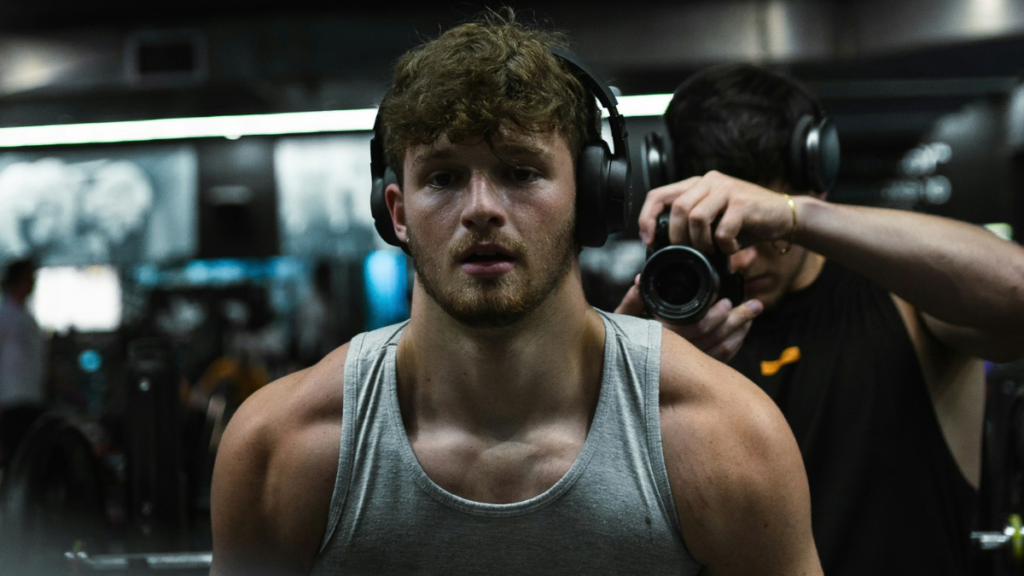
The muscles that often receive less direct training are the lateral deltoids, rear deltoids, and the smaller rotator cuff muscles that help control the shoulder joint. Building these areas can improve shoulder shape, provide more balanced development, and support the control needed for productive upper body training.
The three exercises below are often skipped because they do not look as impressive as heavy presses. They usually require lighter loads, patience, and careful technique. However, that does not make them less valuable. For beginners, learning to train these movements well can create a stronger foundation for years of lifting.
Why Beginners Often Miss Important Shoulder Work
The shoulder is not a single muscle. The deltoid has front, side, and rear portions, each with different roles during arm movement. The rotator cuff is a group of smaller muscles that helps keep the upper arm bone controlled within the shoulder joint during movement.
Pressing movements train the front portion of the deltoid effectively, especially when they are performed with enough effort and regular progression. Research using muscle activity measurements has consistently shown that different shoulder exercises place different demands on the muscles around the shoulder. This means one exercise is unlikely to be the best choice for every part of the shoulder.
Beginners often make the mistake of selecting movements only by the amount of weight they can lift. That approach usually pushes them toward presses, shrugs, and upright rows while leaving more targeted exercises out of the program. A better strategy is to use heavy compound lifts for general strength, then add a small amount of focused work for muscles that are not receiving enough attention.
3 Best Exercises for Bigger Pecs Without the Bench Press
The goal is not to make every session long or complicated. It is to choose exercises that cover the shoulder more completely and perform them with enough control to make the target muscles do the work.
Exercise One: Leaning Cable Lateral Raise
The leaning cable lateral raise is one of the best beginner friendly ways to target the lateral deltoid. This is the portion of the shoulder that creates more width across the upper body when it becomes stronger and more developed.
Why the Lateral Deltoid Matters
The lateral deltoid helps raise the arm away from the body. While overhead presses involve this muscle, they also heavily involve the front deltoid and triceps. A lateral raise places the shoulder in a position where the lateral deltoid has a more direct role.
Research comparing common shoulder exercises has found that lateral raise variations can create high activity in the middle portion of the deltoid. This supports their use as a focused accessory exercise alongside pressing movements. Muscle activity research cannot guarantee muscle growth on its own, but it can help explain why an exercise is useful for targeting a specific area.
The cable version has an important practical advantage over a dumbbell lateral raise. A dumbbell creates the least resistance near the bottom of the movement, when your arm hangs beside your body. A cable can provide tension through a larger portion of the range of motion. Leaning slightly away from the cable can make the early part of the raise feel more challenging without requiring a heavy load.
How to Perform It
Set a cable pulley around ankle height and stand sideways to the machine. Hold the handle with the arm farthest from the cable. You can hold the upright of the machine with your free hand and lean away slightly for support.
Start with your working arm close to your side and keep a small natural bend in the elbow. Raise the arm out to the side until it is around shoulder height. Lower it slowly and return to the starting position without letting the weight stack crash.
Think about moving your upper arm outward rather than lifting your hand. Keep your neck relaxed and avoid turning the exercise into a shrug. Your shoulder should move smoothly, while your torso stays still.
Common Beginner Mistakes
The most common mistake is using too much weight. When the load is too heavy, the upper traps take over, the torso swings, and the movement loses its purpose. A lighter load with a controlled raising and lowering phase is much more productive.
Another mistake is forcing the arm far above shoulder height. You do not need an extreme range of motion to train the lateral deltoid well. Raising the arm to approximately shoulder level with control is enough for most beginners.
Perform two or three sets of eight to fifteen repetitions. Choose a load that makes the final few repetitions difficult while still allowing you to avoid swinging or shrugging.
Exercise Two: Chest Supported Rear Delt Raise
The rear deltoids are often ignored because beginners cannot see them easily in the mirror. That is a mistake. Well trained rear deltoids help create a fuller shoulder from the side and back, while also contributing to balanced upper body development.
A chest supported rear delt raise is an excellent place to start because the bench limits momentum. You cannot easily use your lower back and legs to swing the weights, which helps you focus on the shoulder muscles and the muscles around the shoulder blades.
Why the Rear Delts Deserve Direct Work
The rear deltoid contributes to moving the arm backward and outward behind the body. It also works during horizontal pulling movements such as rows. However, rows often involve substantial contribution from the lats, biceps, and muscles of the upper back, so they may not provide enough focused work for every lifter’s rear delts.
Research examining shoulder muscle activity has found that horizontal abduction exercises can strongly recruit the rear deltoid. These movements can also challenge muscles that help control the shoulder blade, including portions of the trapezius. This makes the rear delt raise useful for people whose training includes a lot of pressing but limited direct rear shoulder work.
This exercise is not a replacement for rows. Rows should still be a major part of a balanced program. The rear delt raise simply provides a more focused way to train an area that is easy to overlook.
How to Perform It
Set an adjustable bench to a low incline and lie face down with your chest supported. Hold a light dumbbell in each hand and let your arms hang toward the floor.
With a slight bend in your elbows, raise the dumbbells out and back until your upper arms are roughly in line with your body. Keep your chest in contact with the bench and move slowly. Pause briefly at the top if you can maintain control, then lower the weights gradually.
Imagine that you are moving your upper arms apart rather than throwing the dumbbells upward. Keep your shoulders away from your ears and avoid squeezing your shoulder blades so aggressively that the rear delts stop doing the work.
Common Beginner Mistakes
Many beginners use a weight that is suitable for a row but much too heavy for a rear delt raise. This leads to jerking, excessive elbow bending, and upper trap dominance. Start with a surprisingly light pair of dumbbells. Your rear delts should feel challenged without requiring body movement.
Another issue is allowing the neck to crane upward. Keep your head neutral and look down toward the bench. The chest support should let you focus on the movement rather than fighting to maintain your body position.
Perform two or three sets of ten to fifteen repetitions. Use a smooth tempo and stop a repetition or two before technique becomes messy.
Exercise Three: Side Lying External Rotation
Side lying external rotation may look more like a rehabilitation exercise than a muscle building movement. That is exactly why many beginners skip it. However, its small appearance hides a useful purpose.
This exercise trains the external rotators of the shoulder, particularly the infraspinatus and teres minor. These are part of the rotator cuff, a group of muscles that helps stabilize and control the shoulder joint during upper body movement.
Why Rotator Cuff Strength Is Worth Your Time
The shoulder is designed for a large range of motion. That mobility is useful, but it also means the muscles around the joint need to coordinate effectively. The rotator cuff contributes to shoulder control during pressing, pulling, throwing, and lifting the arm overhead.
Research using electromyography has shown that side lying external rotation produces high activity in the infraspinatus and teres minor compared with several other common external rotation exercises. This makes it a practical option when the goal is to train the external rotators with a simple setup.
This does not mean the exercise will prevent every shoulder problem or replace proper coaching after an injury. Shoulder pain can have many causes, and painful symptoms should be assessed by a qualified health professional. For healthy beginners, though, including controlled external rotation work can help make shoulder training more complete.
How to Perform It
Lie on your side with the arm you want to train on top. Hold a light dumbbell in that hand. Bend your elbow to approximately ninety degrees and keep the upper arm close to your side.
Start with your forearm resting across your stomach. Rotate the forearm upward while keeping the elbow in the same position. Stop when you reach a comfortable range without rolling your shoulder backward or twisting your torso.
Lower the dumbbell slowly. The movement should be controlled from start to finish. A folded towel between your elbow and ribs can help you keep the upper arm in position, especially while learning the exercise.
Common Beginner Mistakes
The biggest error is treating this like a heavy strength lift. The rotator cuff muscles are relatively small, so a light dumbbell is usually enough. Many people will need far less weight than they expect.
Another common mistake is moving the entire shoulder and torso instead of rotating at the shoulder joint. If your chest rolls backward, reduce the load and shorten the range slightly. The quality of the movement matters more than the number on the dumbbell.
Perform two or three sets of twelve to twenty repetitions per side. The exercise should feel controlled and challenging, but it should not create sharp pain or pinching.
How to Add These Exercises to Your Program
You do not need a separate shoulder day to benefit from these exercises. Add them after your main upper body lifts two times per week. For example, you could perform an overhead press or bench press first, then complete lateral raises, rear delt raises, and external rotations.
Start with two sets per exercise. Once you are comfortable with the movements and recover well between sessions, increase to three sets. Use a repetition range that lets you move slowly and maintain control. For most beginners, this means moderate to higher repetitions rather than very heavy sets.
Progression does not always mean adding weight quickly. You can progress by adding one repetition, improving your range of motion, slowing the lowering phase, or using cleaner technique with the same load. Once you can complete the top end of your target repetition range with excellent form, increase the weight by the smallest available amount.
Muscle growth is supported by resistance training performed consistently, with sufficient effort and a gradually increasing training challenge. You do not need to take every set to complete failure, but the set should feel demanding by the end. Consistency with a manageable routine will produce better results than occasional hard sessions followed by missed workouts.
The Bottom Line
Beginners do not need complicated shoulder workouts. They need a routine that trains more than the front of the shoulders. The leaning cable lateral raise develops the side delts that create shoulder width. The chest supported rear delt raise gives direct attention to the back of the shoulders. The side lying external rotation strengthens important rotator cuff muscles that contribute to shoulder control.
Use light enough loads to own the movement. Train these exercises consistently, progress patiently, and keep your main compound lifts in place. Over time, these less glamorous movements can make a major difference to the strength, balance, and appearance of your shoulders.
Key Takeaways
| Focus | Exercise | Why It Matters | Beginner Starting Point |
|---|---|---|---|
| Shoulder width | Leaning cable lateral raise | Directly targets the lateral deltoid with resistance through a large part of the movement | Two to three sets of eight to fifteen repetitions |
| Rear shoulder development | Chest supported rear delt raise | Trains the rear deltoid while reducing the chance of using momentum | Two to three sets of ten to fifteen repetitions |
| Shoulder control | Side lying external rotation | Targets important external rotators of the rotator cuff | Two to three sets of twelve to twenty repetitions |
| Long term progress | All three exercises | Controlled technique and gradual progression support productive resistance training | Add them after compound upper body lifts twice per week |
References
- American College of Sports Medicine, 2009. American College of Sports Medicine position stand. Progression models in resistance training for healthy adults. Medicine and Science in Sports and Exercise, 41(3), pp. 687 to 708.
- Cools, A.M., Dewitte, V., Lanszweert, F., Notebaert, D., Roets, A., Soetens, B., Cagnie, B. and Witvrouw, E.E., 2007. Rehabilitation of scapular muscle balance: Which exercises to prescribe? American Journal of Sports Medicine, 35(10), pp. 1744 to 1751.
- Cools, A.M., Struyf, F., De Mey, K., Maenhout, A., Castelein, B. and Cagnie, B., 2014. Rehabilitation of scapular dyskinesis: From the office worker to the elite overhead athlete. British Journal of Sports Medicine, 48(8), pp. 692 to 697.
- Ekstrom, R.A., Donatelli, R.A. and Soderberg, G.L., 2003. Surface electromyographic analysis of exercises for the trapezius and serratus anterior muscles. Journal of Orthopaedic and Sports Physical Therapy, 33(5), pp. 247 to 258.
- Reinold, M.M., Wilk, K.E., Fleisig, G.S., Zheng, N., Barrentine, S.W., Chmielewski, T., Cody, R.C., Jameson, G.G. and Andrews, J.R., 2004. Electromyographic analysis of the rotator cuff and deltoid musculature during common shoulder external rotation exercises. Journal of Orthopaedic and Sports Physical Therapy, 34(7), pp. 385 to 394.