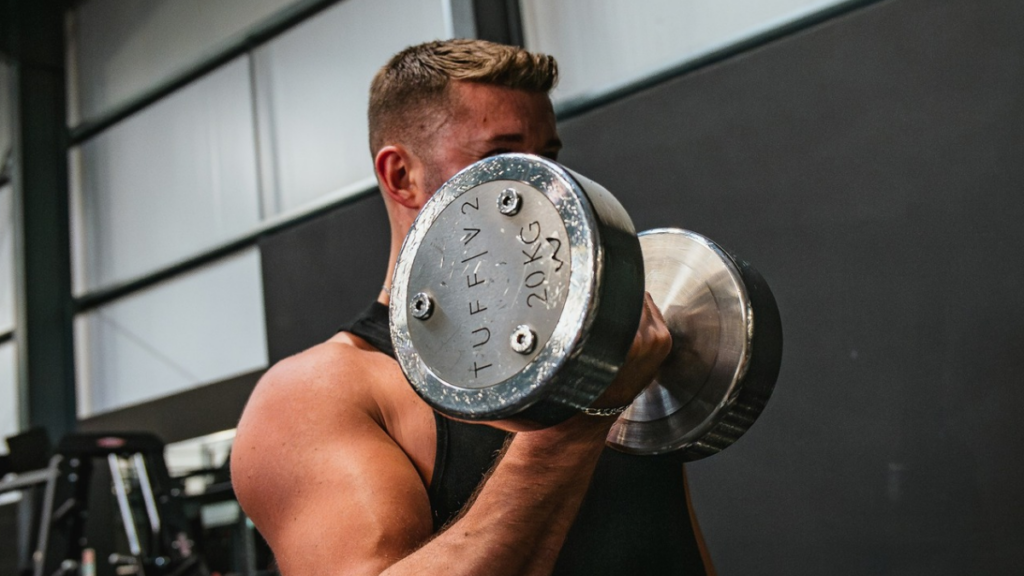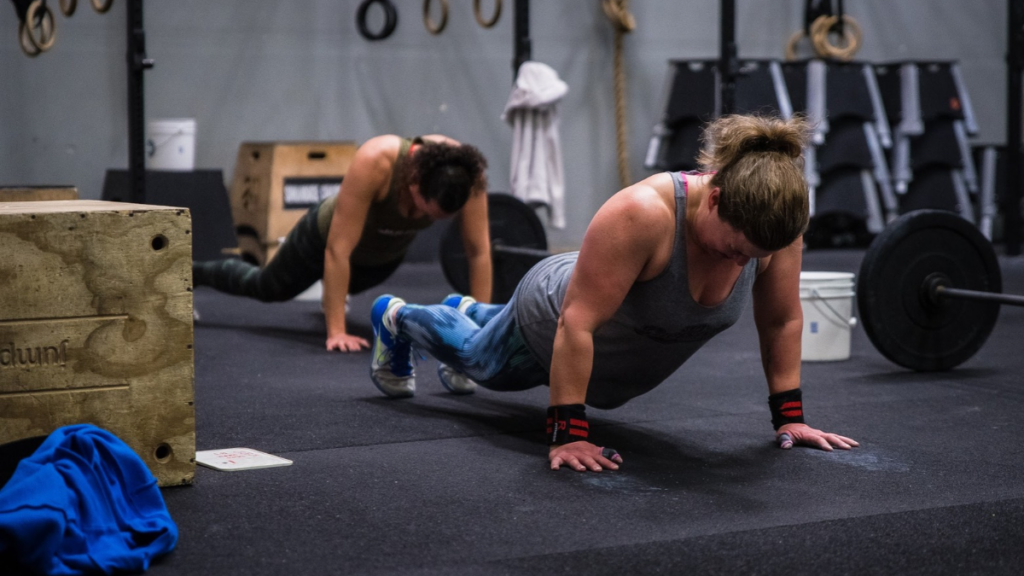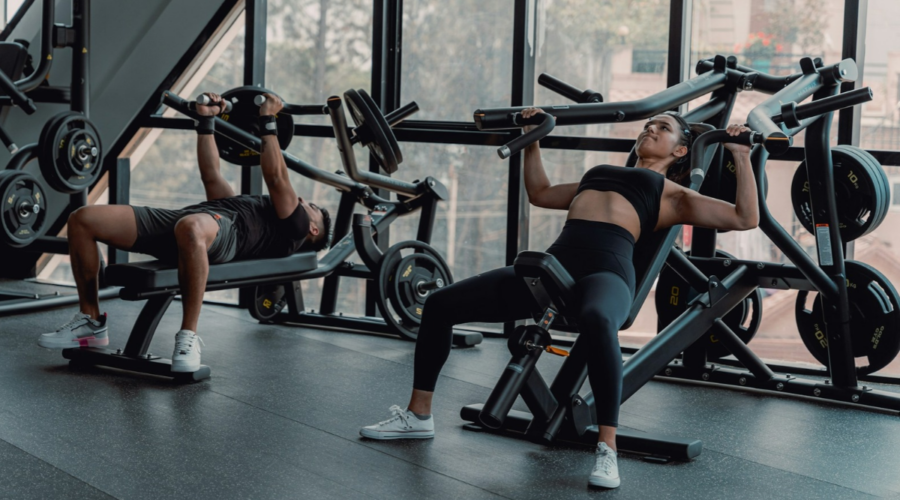


Isolation exercises focus on movement at one main joint, making them a practical way to train a particular muscle or muscle group. A biceps curl, leg extension, lateral raise, and triceps pushdown are common examples. Compound exercises, such as squats, rows, and presses, use several joints and muscles at once.
Neither style is automatically better. Compound lifts can train many muscles efficiently, while isolation exercises let you give a particular area more attention. Research comparing the two has found mixed results, so the best choice depends on your goals, training experience, and the rest of your program. Here are seven useful reasons to include isolation exercises in a well rounded routine.


1. They let you focus on a particular muscle
During a compound lift, several muscles contribute to the movement. In a row, for example, the back and elbow flexors both work, alongside other muscles that help position and control the body. An isolation exercise such as a biceps curl makes elbow flexion the main action, giving the elbow flexors a more direct role.

That focus can matter when a muscle is a priority. In one small eight week study, untrained men trained one arm with a dumbbell row and the other with a biceps curl. The curl produced greater growth in the elbow flexors, although the result came from a limited sample and does not show that curls are always superior to rows. The practical lesson is that a compound exercise may not provide the same muscle specific stimulus as a direct exercise.
2. They can give a muscle extra attention after compound lifts
If your program already includes compound movements, an isolation exercise can add direct work for a muscle you want to emphasize. A chest press may train the triceps, but you could still add triceps extensions if they are a training priority. A squat trains the quadriceps, but a leg extension lets you perform more direct knee extension work.
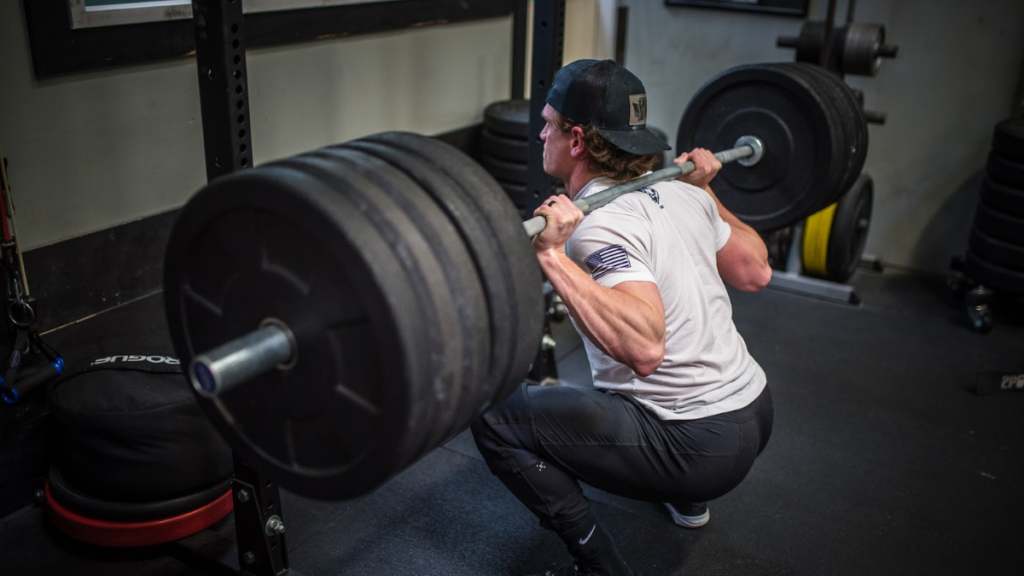
More exercises do not automatically mean more growth. In a study of trained men, adding single joint exercises to a multi joint program did not produce significantly greater changes in arm strength or size over eight weeks. This suggests that added isolation work is an option for tailoring a routine, rather than a guaranteed shortcut. It is most useful when it fits your goals and your weekly training volume remains manageable.
3. They help you practice strength in a specific movement
Strength gains are partly specific to the movements you train. Practicing a biceps curl can improve your performance in a curl, while practicing a row can improve your performance in a row. Neither result guarantees an equal improvement in the other exercise because the movements involve different positions and demands.
This is useful if you have a clear strength goal. Isolation exercises let you train a particular joint action directly, such as elbow extension, knee extension, or shoulder abduction. They can also help you track progress with a consistent movement and range of motion. Compound lifts remain important if your goal is to improve those lifts, but direct work can add practice for a muscle or action that receives less specific attention.
4. They let you vary the stimulus to a muscle
Two exercises that appear to train the same muscle can place it in different positions and use different movement patterns. That matters because muscle growth does not always occur evenly throughout a muscle, and exercise selection can influence which regions grow.
In a five week study comparing Smith machine squats with leg extensions, researchers observed different regional growth patterns in the quadriceps. The findings do not establish one perfect exercise for each region, and the study was short. They do show why using more than one suitable exercise can be a reasonable way to vary how a muscle is challenged. For example, a lifter might use both a squat pattern and a leg extension rather than assuming they are interchangeable.
5. They can support muscle growth with lighter weights
Isolation exercises are often practical when you want to train with a lighter external load. A set of leg extensions or cable curls does not require the same weight as a squat or deadlift to feel challenging. Research comparing low load and high load resistance training has found that both can build muscle when the sets are sufficiently demanding, although heavier loads tend to be more effective for improving maximal strength.
This gives you more options for setting up a training session. You might choose a lighter load for a muscle focused exercise when heavy loading is not the goal, or when you want to avoid making every movement in a session a heavy compound lift. Lighter does not mean effortless. The set still needs to challenge the target muscles, and your technique should remain controlled.
6. They can make it easier to train a muscle that is not your main limiter
In a compound exercise, the set may end because one part of the movement becomes difficult before the target muscle has received as much work as you intended. Your grip might give out during a pulling movement, for example, or your overall ability to maintain position might limit a set before the back muscles feel sufficiently challenged.

A well chosen isolation exercise can reduce the number of moving parts and make the target muscle more central to the effort. That does not guarantee that you will feel the muscle working perfectly or that the exercise will suit everyone. It does give you another way to train the area without asking the rest of the body to perform the same role as it does in a compound lift.
7. They can be adapted to different training needs
Isolation exercises come in many forms. A muscle can often be trained with a dumbbell, cable, resistance band, or machine, depending on what equipment is available and which version feels comfortable to perform. That flexibility can help you keep training a muscle when your preferred equipment is busy or unavailable.
It can also make it easier to select a movement that matches your current training plan. Someone building a general strength program may rely mostly on compound lifts. Someone with a specific arm or shoulder development goal may choose additional direct work. If you are returning from an injury or managing pain, exercise selection should be guided by a qualified health professional. An isolation exercise is not automatically safer or appropriate for an injured joint.
How to use isolation exercises in your program
Start by identifying what your current plan already trains. If compound movements are producing the progress you want, you may not need many extra exercises. If a particular muscle or movement is a priority, add a small amount of direct work and assess how you recover and progress over time.
Push-Ups vs Dumbbell Press: Which Builds a Bigger Chest?
Choose a version you can perform consistently through a comfortable range of motion. Use a load that allows controlled repetitions, and increase the difficulty gradually as your performance improves. Avoid adding isolation work simply because more exercises seem better. The research does not show that everyone benefits from adding single joint movements to every multi joint program.
Isolation exercises work best as part of a balanced routine. Use them to direct attention, practice a specific movement, or add variety when it serves your goal. Keep compound lifts where they are useful, and adjust your plan based on performance, recovery, and what you want to improve.
Key Takeaways
| Benefit | What it can offer |
|---|---|
| Focus on a muscle | Gives a chosen muscle a more direct role in the movement. |
| Add targeted work | Provides an option for extra training when it fits your program. |
| Practice specific strength | Lets you train a particular joint action directly. |
| Vary the stimulus | Different exercises can produce different regional growth patterns. |
| Use lighter loads | Offers a muscle building option that does not always require heavy weights. |
| Reduce other limits | Can make a target muscle more central when another factor limits a compound set. |
| Adapt your routine | Provides different equipment and exercise options to suit your plan. |
References
- de França, H.S., Branco, P.A.N., Guedes Junior, D.P., Gentil, P., Steele, J. and Teixeira, C.V.L.S. (2015). The effects of adding single joint exercises to a multi joint exercise resistance training program on upper body muscle strength and size in trained men. Applied Physiology, Nutrition, and Metabolism, 40(8), pp. 822–826.
- Mannarino, P., Matta, T., Lima, J., Simão, R. and Freitas de Salles, B. (2021). Single joint exercise results in higher hypertrophy of elbow flexors than multi joint exercise. Journal of Strength and Conditioning Research, 35(10), pp. 2677–2681.
- Schoenfeld, B.J., Grgic, J., Ogborn, D. and Krieger, J.W. (2017). Strength and hypertrophy adaptations between low versus high load resistance training: a systematic review and meta analysis. Journal of Strength and Conditioning Research, 31(12), pp. 3508–3523.
- Zabaleta-Korta, A., Fernández-Peña, E., Torres-Unda, J., Garbisu-Hualde, A. and Santos-Concejero, J. (2021). The role of exercise selection in regional muscle hypertrophy: a randomized controlled trial. Journal of Sports Sciences, 39(20), pp. 2298–2304.