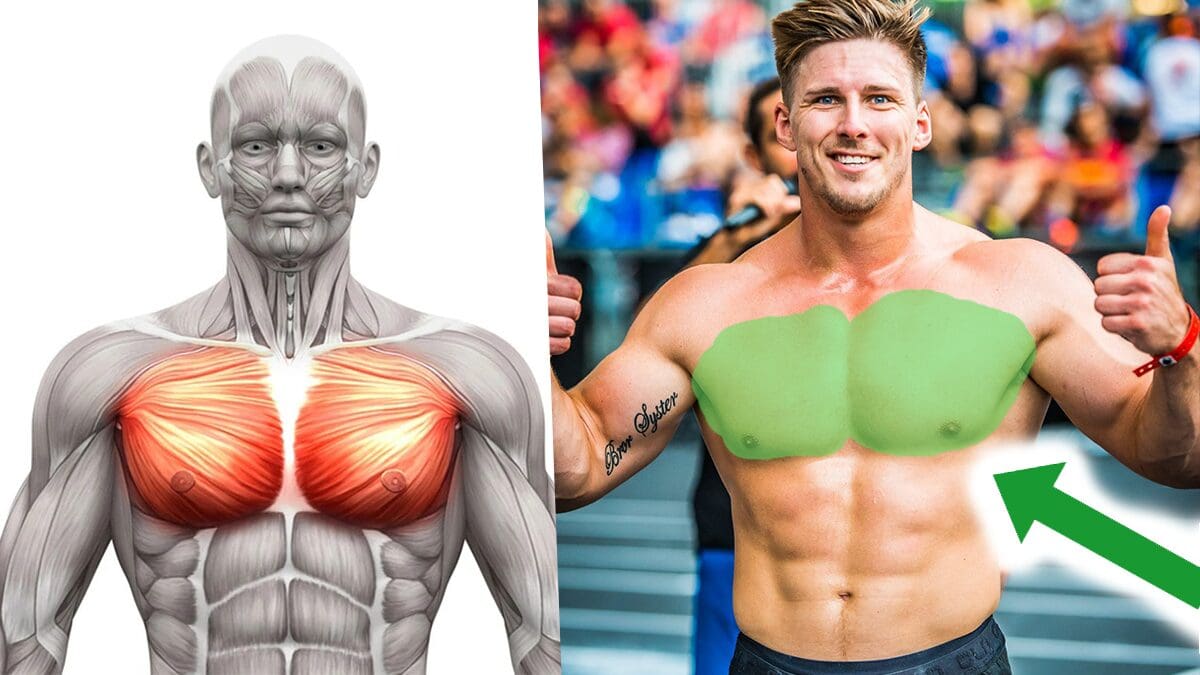


When it comes to building a visually appealing and powerful physique, the chest muscles play a pivotal role.
Not only do they form a major part of the upper body’s frontal appearance, but they are also essential for various functional movements, including pushing actions and some forms of lifting. A well-developed chest is often viewed as a hallmark of strength and fitness, contributing significantly to overall body aesthetics.


In this article, we focus specifically on exercises that promote rapid enhancement of the chest muscles. The quest for quicker results is common, especially among fitness enthusiasts looking to make significant progress within a limited timeframe. However, it’s crucial that these fast results do not come at the expense of health or long-term wellbeing.
Therefore, the exercises we discuss have been carefully selected based on three key criteria:
Effectiveness: The exercises must directly contribute to increased muscle mass and enhanced definition in the chest area. They should stimulate the pectoral muscles comprehensively, ensuring balanced growth and symmetry.
Efficiency: Each exercise should make the best use of your time in the gym. This means movements that provide maximum benefit in the shortest amount of time, ideally working multiple muscle groups simultaneously to expedite results.
Safety: No matter how effective or efficient an exercise is, it must be safe to perform. This includes considerations for minimizing the risk of injury and ensuring that the movements can be executed with proper form, even as fatigue sets in.
With these criteria in mind, we will delve into the top three exercises that are not only popular but have also been proven to fast-track the development of striking chest muscles. Whether you are just starting out or are looking to optimize your existing routine, these exercises can provide a solid foundation for achieving a robust and attractive chest.
1. Bench Press
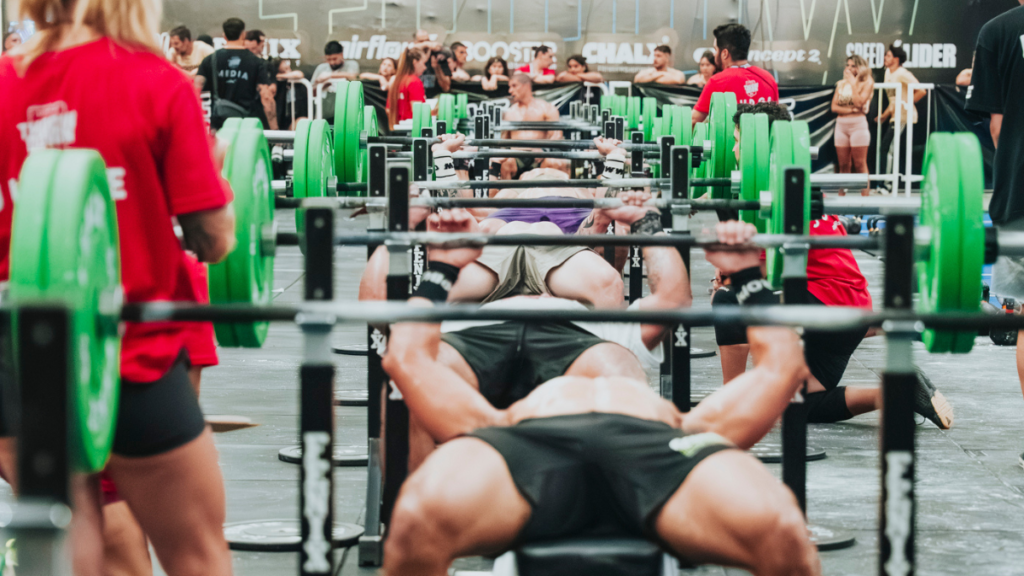
The bench press is a foundational weight training exercise that is indispensable for developing the chest. To perform a traditional flat bench press, you begin by lying flat on a bench with your feet firmly planted on the ground.
Grip the barbell with hands just wider than shoulder-width apart, and un-rack the bar with straight arms. Lower the bar slowly to your mid-chest, then press the bar back to the starting position in a controlled manner.
Variations of the bench press include the incline and decline bench press. The incline bench press is done on an angled bench, which targets the upper pectoral muscles and shoulders more intensely. Conversely, the decline bench press, performed on a downward-sloping bench, focuses more on the lower part of the pectoral muscles.
Muscles Targeted
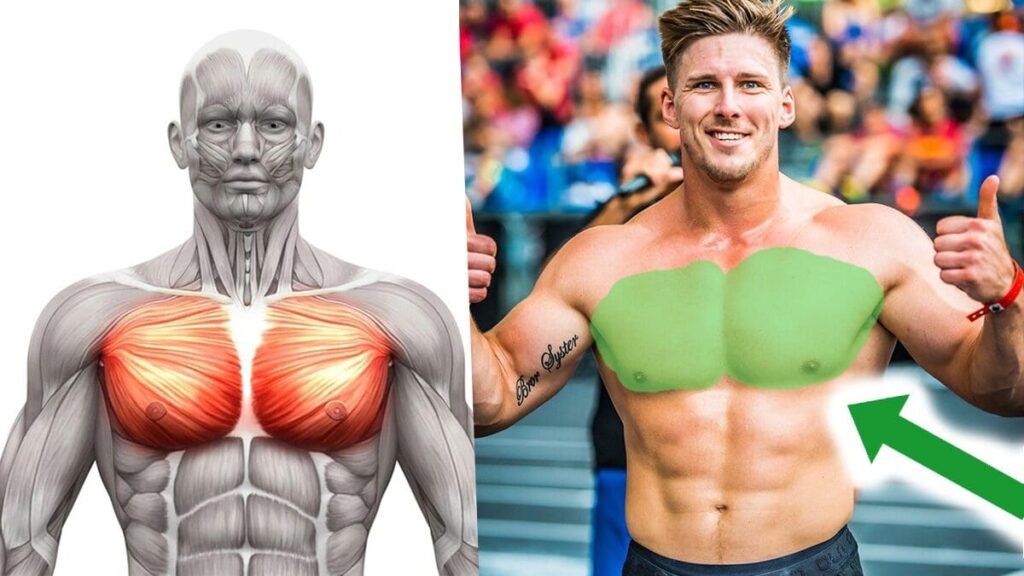
The bench press primarily targets the pectoralis major, the large muscle of the chest. However, it also significantly engages secondary muscles, including the pectoralis minor, anterior deltoids (front shoulders), and the triceps. These secondary muscles assist in the pressing motion and stabilize the upper body, creating an effective compound exercise.
Benefits
Bench pressing is highly effective for building both mass and strength in the chest. This exercise allows for the use of significant weights, which challenges the muscle fibers to adapt by becoming thicker and stronger. The bench press also improves muscular endurance and contributes to a better push strength, useful in various sports and daily activities.
Tips for Quick Results
To maximize your gains from the bench press, consider the following tips:
- Rep Ranges and Sets: For muscle growth, aim for 3-5 sets of 6-12 repetitions. If strength is your goal, 3-6 sets of 3-6 repetitions can be more beneficial.
- Frequency: Bench pressing 2-3 times per week can be effective, allowing for adequate recovery between sessions.
- Progressive Overload: Gradually increase the weight you lift as you develop strength and endurance over time.
- Form and Technique: Maintain strict form to maximize muscle engagement and reduce injury risk. Utilize a full range of motion and avoid bouncing the bar off your chest.
Integrating these strategies into your training routine can help you achieve more pronounced and quicker improvements in your chest development. Always prioritize proper form and consult with a fitness professional if you’re unsure about your technique.
2. Push-Ups
The push-up is a versatile bodyweight exercise that can be performed almost anywhere, requiring no equipment.
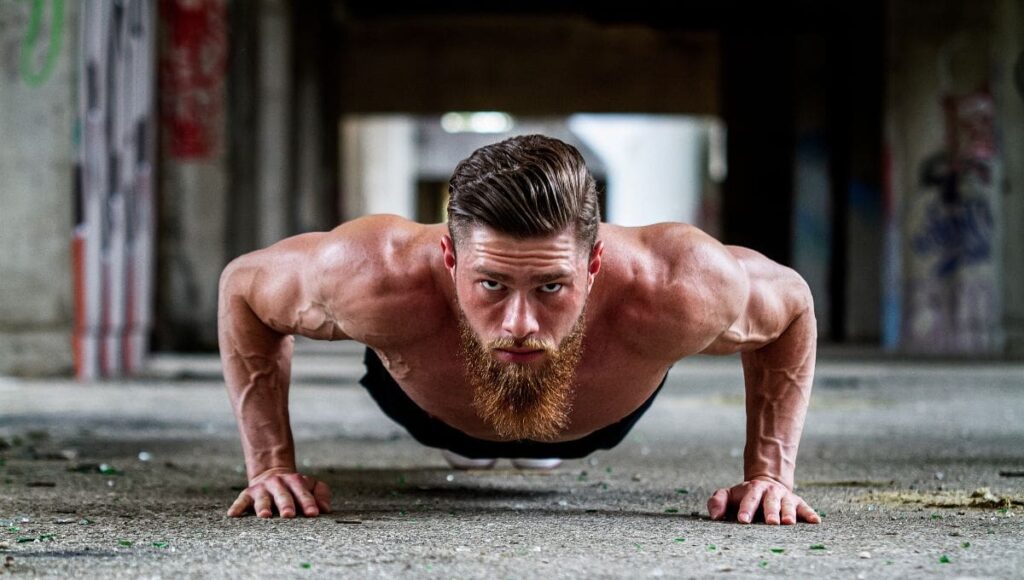
To execute a standard push-up, start in a plank position with your hands placed slightly wider than shoulder-width apart on the ground. Your body should form a straight line from your head to your heels. Lower your body towards the floor by bending your elbows, keeping them close to your body. Once your chest nearly touches the ground, push back up to the starting position.
For variety and to challenge different muscle groups, you can incorporate variations such as:
- Diamond Push-Ups: Place your hands close together under your chest, forming a diamond shape with your thumbs and index fingers. This variation targets the triceps and the inner chest.
- Wide-Arm Push-Ups: Set your hands significantly wider than shoulder-width apart. This focuses more on the outer chest and shoulders.
- Archer Push-Ups: Extend one arm out to the side while keeping the other arm under the shoulder, mimicking the drawing of a bow. This increases the load on one side, enhancing unilateral strength and core stability.
Muscles Targeted
The standard push-up primarily works the pectoralis major and minor, triceps, and the anterior deltoids.
The core muscles, including the abdominals and lower back, play a critical role in stabilizing the body throughout the movement. Variations of push-ups can shift the focus between different segments of the chest and other upper body muscles, offering a comprehensive chest workout.
Benefits
Push-ups are highly beneficial for developing muscle strength and endurance in the chest, arms, and shoulders.
They also improve core stability and overall functional strength, which are beneficial for both athletic performance and daily activities. The ability to perform push-ups without any equipment makes them a highly convenient and flexible option for maintaining fitness.
Tips for Quick Results
To accelerate your chest muscle development with push-ups, consider the following tips:
Increase Volume: Gradually increase the number of push-ups per session to build endurance and muscle size.
Plyometric Push-Ups: Introduce explosive movements such as plyometric (clapping) push-ups. This variation develops power and strength by requiring your muscles to exert force quickly.
Variety: Regularly switch between push-up variations to challenge the muscles in different ways and prevent plateaus.
Short Rest Periods: Utilize shorter rest periods between sets to increase the intensity of your workout and encourage muscle fatigue.
Incorporating these strategies can help you see quicker improvements in muscle size and definition in the chest area. Always focus on maintaining proper form to maximize the effectiveness of each variation and minimize the risk of injury.
3. Dumbbell Fly
The dumbbell fly is a key exercise for isolating the chest, particularly effective in stretching and contracting the pectoral muscles.
To perform a dumbbell fly, start by lying on a flat bench with a dumbbell in each hand. Your feet should be flat on the floor, and the dumbbells should be held directly above your chest with a slight bend at the elbows. This bend should be maintained throughout the exercise to protect the joints.
Slowly lower the dumbbells out to the sides, keeping your wrists stable and the elbows slightly bent, until your arms are parallel with the floor. The movement should be smooth and controlled. Once at the bottom of the movement, use your chest muscles to bring the dumbbells back up to the starting position, effectively “hugging” a large barrel.
Common mistakes include lowering the weights too far, which can strain the shoulders, and using too much weight, leading to a loss of form and potential injury.
Muscles Targeted
The primary muscle worked in the dumbbell fly is the pectoralis major, with a particular focus on its outer and inner sections.
This exercise allows for a deep stretch and a strong contraction at the top, engaging the sternal and clavicular heads of the pectoralis major. Secondary muscles involved include the deltoids and biceps, which help stabilize the movement.
Benefits
Dumbbell flies excel in complementing pressing movements by stretching the chest muscles and isolating them more directly than compound exercises like the bench press. This isolation helps in sculpting the chest, enhancing both muscle definition and size. Flies are particularly beneficial for developing the inner chest, helping to create a fuller look.
Tips for Quick Results
To maximize the effectiveness of dumbbell flies and see faster gains, consider the following strategies:
- Drop Sets: After completing a set of dumbbell flies with your usual weight, immediately reduce the weight and continue to perform repetitions until failure. This technique helps in maximizing muscle fatigue and can stimulate additional muscle growth.
- Supersets: Combine dumbbell flies with a pressing exercise, such as the bench press or push-ups, in a superset. Perform one set of presses followed immediately by a set of flies without resting in between. This combination pushes the muscles to work harder and can lead to increased muscle growth.
- Controlled Movement: Maintain a slow and controlled tempo to enhance muscle tension and avoid momentum taking over the exercise. Focus on feeling the chest muscles work throughout the movement.
- Consistent Variation: Alter the angle of the bench (incline or decline) to target different parts of the chest and prevent plateaus in muscle development.
By incorporating these tips, you can enhance the impact of the dumbbell fly in your chest routine, promoting faster improvement in both strength and aesthetic definition. Always prioritize good form and adjust the weight according to your capacity to maintain effective technique throughout your sets.
Advanced Tips and Strategies
For balanced chest development, it is essential to integrate various exercises that target different aspects of the chest muscles. A well-rounded chest routine might look like this:
- Start with Bench Press: Begin your workout with the bench press to utilize your energy for the heaviest lifts. This will target overall chest mass and strength.
- Incorporate Push-Ups: After bench pressing, transition to push-ups. You can vary the type of push-up to target specific areas of the chest—standard push-ups for overall development, diamond push-ups for the inner chest and triceps, and wide-arm push-ups for the outer chest.
- Finish with Dumbbell Fly: End your routine with dumbbell flies. This exercise will stretch the chest muscles thoroughly and isolate them, enhancing muscle definition and promoting growth.
This sequence allows for both heavy lifting and detailed sculpting within the same workout, optimizing both strength and aesthetic outcomes.
Recovery and Nutrition
Recovery and proper nutrition are crucial components of any training program, particularly when the goal is to increase muscle size and strength. Here are key considerations:
- Adequate Rest: Muscles need time to repair and grow after a workout. Ensure that you have at least 48 hours of rest between intensive chest workouts.
- Sleep: Aim for 7-9 hours of quality sleep per night to promote muscle recovery and overall health.
- Protein Intake: Consume a diet rich in protein to support muscle repair and growth. Foods like chicken, fish, eggs, dairy products, and plant-based proteins like legumes and tofu should be staples.
- Carbohydrates and Fats: Do not neglect carbohydrates and fats, which provide the energy necessary for training and aid in the overall recovery process.
- Hydration: Stay well-hydrated to maintain optimal muscle function and recovery.
Avoiding Common Mistakes
Proper technique and awareness are key to avoiding injuries and making the most out of your workouts:
Warm-Up Properly: Always start with a general cardiovascular warm-up followed by dynamic stretches to prepare the muscles for the workout.
Maintain Proper Form: In all exercises, maintaining the correct form is crucial. For the bench press, keep your feet flat on the ground, and avoid arching your back excessively. During push-ups, keep your body in a straight line, and don’t let your hips sag. When performing flies, avoid lowering the dumbbells too far to prevent shoulder strain.
Listen to Your Body: Pay attention to your body’s signals. If you feel pain beyond typical muscle fatigue, consider modifying your exercise or consulting a professional.
Gradual Progression: Increase weights or intensity only when you can complete exercises with perfect form. This ensures continuous progress without injury.
By integrating these advanced strategies into your routine, you can achieve more significant, safer, and sustainable progress in developing your chest muscles.
Conclusion
The bench press, push-ups, and dumbbell flies each play a distinct and crucial role in enhancing the appearance and strength of your chest muscles.
Together, these exercises provide a comprehensive approach to chest development, targeting not only the pectoralis major and minor but also the supporting muscle groups that contribute to a well-rounded and aesthetically pleasing upper body.
To see rapid and visible improvements, consistency in your workouts is key. Regular engagement with these exercises, combined with proper form and technique, will yield the best results. Additionally, applying the principle of progressive overload—gradually increasing the weights, repetitions, or intensity of your workouts—is essential for continued growth and development.
However, it is important to remember that true progress in fitness is a marathon, not a sprint. Patience and perseverance, along with a holistic approach that includes adequate recovery, proper nutrition, and attention to overall well-being, are vital for sustainable success. It’s not just about building muscles; it’s about fostering a lifestyle that supports long-term health and fitness.
As you incorporate these exercises into your routine, listen to your body and adjust your workouts to suit your individual needs and goals.
Remember, the journey to a stronger, more developed chest is unique for everyone, and taking the time to understand and respect your body’s responses to exercise will help you achieve the best results.
Stay motivated, stay patient, and let your hard work lead the way to a healthier, more confident you.