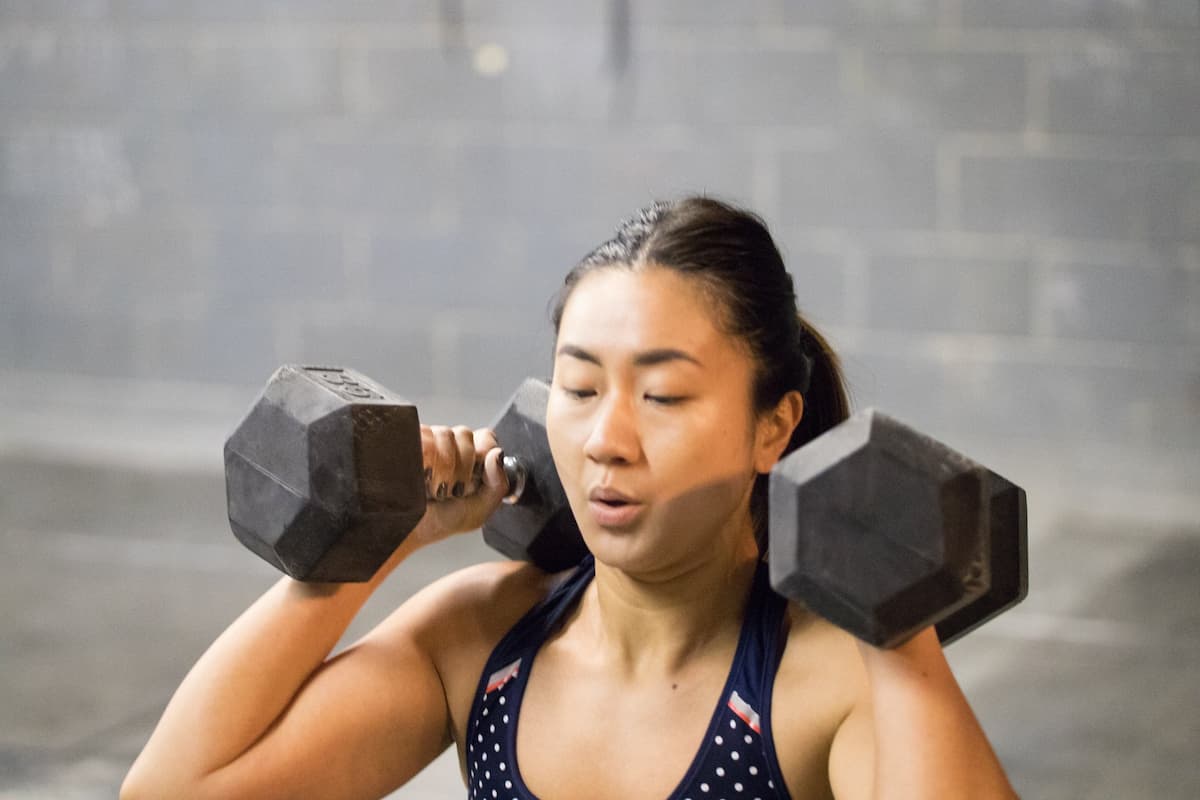


Strong shoulders are essential for performance, posture, and long term joint health. Whether you want to press heavier weights, improve your physique, or reduce the risk of injury, building shoulder strength is a high return investment. The good news is that meaningful improvements in strength and muscle activation can happen in as little as three weeks when training is structured correctly.
This guide breaks down exactly how to strengthen your shoulders in three weeks using science backed principles. You will learn how the shoulder works, what exercises matter most, how to structure your training, and how to recover effectively so you actually see results.


Understanding Shoulder Anatomy and Function
Before jumping into exercises, it is important to understand what you are training. The shoulder joint is one of the most complex joints in the human body. It allows a wide range of motion but sacrifices stability to achieve that mobility.

The Main Shoulder Muscles
The shoulder is primarily driven by the deltoid muscle, which has three heads:
- Anterior deltoid, responsible for shoulder flexion and pressing movements
- Lateral deltoid, responsible for shoulder abduction and width
- Posterior deltoid, responsible for shoulder extension and pulling movements
In addition to the deltoids, the rotator cuff plays a crucial stabilizing role. These muscles include:
- Supraspinatus
- Infraspinatus
- Teres minor
- Subscapularis
They help maintain joint integrity and control movement under load.
Why Balanced Development Matters
Many people focus heavily on pressing movements, which overdevelop the anterior deltoid. This can lead to muscular imbalances and increased injury risk. Research shows that imbalances between anterior and posterior shoulder muscles are associated with poor posture and shoulder dysfunction.
Balanced training that targets all heads of the deltoid and the rotator cuff is essential for both strength and longevity.
Can You Really Build Shoulder Strength in 3 Weeks
Yes, but with an important distinction. In the first few weeks of training, most strength gains come from neural adaptations rather than muscle growth. This means your nervous system becomes better at recruiting muscle fibers and coordinating movement.
Studies consistently show that early strength improvements are largely driven by increased motor unit recruitment and firing efficiency. This is why beginners often see rapid progress.
Muscle hypertrophy begins to contribute more significantly after several weeks, but even within three weeks, measurable increases in muscle size can occur if training volume and nutrition are adequate.

So while you will not transform your shoulders completely in three weeks, you can significantly improve strength, stability, and muscle activation.
Key Training Principles for Rapid Shoulder Strength
To get results quickly, your training must follow proven principles.
Progressive Overload
Progressive overload is the foundation of strength development. You must gradually increase the demand placed on your muscles. This can be done by:
- Increasing weight
- Increasing repetitions
- Increasing sets
- Improving technique and range of motion
Research shows that consistent overload is required to stimulate both strength and hypertrophy.
Training Frequency
Training a muscle group more frequently can accelerate progress, especially in short time frames. Studies suggest that training each muscle group two to three times per week leads to greater hypertrophy compared to once weekly training. For shoulders, this means hitting them at least three times per week with varying intensity.
Exercise Selection
Compound movements and isolation exercises both have a role. Compound exercises allow heavier loading and recruit multiple muscle groups. Isolation exercises target specific parts of the shoulder.
A combination of both leads to better overall development.
Volume and Intensity
Training volume refers to the total amount of work performed. Higher volume is associated with greater muscle growth, but it must be balanced with recovery. Intensity refers to how heavy the load is relative to your maximum. For strength development, moderate to heavy loads are most effective, typically between 60 to 85 percent of your one repetition maximum.
The Best Exercises for Shoulder Strength
Overhead Press
The overhead press is one of the most effective exercises for building shoulder strength. It primarily targets the anterior and lateral deltoids while also engaging the triceps and upper chest. Studies show that compound pressing movements produce high levels of muscle activation in the deltoids.
Dumbbell Shoulder Press
Dumbbells allow for greater range of motion and can help correct imbalances between sides. They also require more stabilization, which increases overall shoulder engagement.
Lateral Raises
Lateral raises are essential for developing the lateral deltoid, which contributes to shoulder width. Electromyography studies show high activation of the lateral deltoid during this movement.
Rear Delt Fly
Rear delt fly movements target the posterior deltoid. These are crucial for balanced development and injury prevention.
Face Pulls
Face pulls strengthen the rear delts and rotator cuff muscles. They also improve posture by reinforcing scapular retraction.
Arnold Press
This variation of the shoulder press increases range of motion and activates multiple parts of the deltoid.
External Rotation Exercises
These movements strengthen the rotator cuff and improve joint stability. They are often overlooked but are critical for long term shoulder health.
The 3 Week Shoulder Strength Program
This program is designed to maximize strength gains within a short timeframe. Train shoulders three times per week with at least one rest day between sessions.
Week 1: Foundation and Technique
Focus on proper form and moderate loads.
Day 1
- Overhead press: 4 sets of 8 reps
- Lateral raises: 3 sets of 12 reps
- Face pulls: 3 sets of 15 reps
- External rotations: 3 sets of 15 reps
Day 2
- Dumbbell shoulder press: 4 sets of 10 reps
- Rear delt fly: 3 sets of 12 reps
- Arnold press: 3 sets of 10 reps
Day 3
- Overhead press: 3 sets of 8 reps
- Lateral raises: 3 sets of 15 reps
- Face pulls: 3 sets of 15 reps
Week 2: Increasing Load
Increase weights by 5 to 10 percent.
Day 1
- Overhead press: 5 sets of 6 reps
- Lateral raises: 4 sets of 12 reps
- Face pulls: 4 sets of 15 reps
Day 2
- Dumbbell shoulder press: 4 sets of 8 reps
- Rear delt fly: 4 sets of 12 reps
- Arnold press: 3 sets of 8 reps
Day 3
- Overhead press: 4 sets of 6 reps
- Lateral raises: 4 sets of 12 reps
- External rotations: 3 sets of 15 reps

Week 3: Peak Intensity
Focus on heavier loads and lower reps.
Day 1
- Overhead press: 5 sets of 5 reps
- Lateral raises: 4 sets of 10 reps
- Face pulls: 4 sets of 12 reps
Day 2
- Dumbbell shoulder press: 4 sets of 6 reps
- Rear delt fly: 4 sets of 10 reps
- Arnold press: 3 sets of 6 reps
Day 3
- Overhead press: 3 sets of 5 reps
- Lateral raises: 3 sets of 12 reps
- External rotations: 3 sets of 15 reps
The Role of Recovery in Shoulder Strength
Training alone is not enough. Recovery is where adaptation happens.
Sleep
Sleep is critical for muscle repair and growth. Research shows that sleep deprivation negatively impacts strength, recovery, and hormonal balance. Aim for at least seven to nine hours per night.
Nutrition
Protein intake is essential for muscle repair. Studies suggest that consuming around 1.6 to 2.2 grams of protein per kilogram of body weight supports muscle growth. Carbohydrates are also important for fueling workouts and replenishing glycogen stores.
Rest Days
Rest days allow your muscles to recover and grow stronger. Overtraining can lead to fatigue and decreased performance.
Common Mistakes to Avoid
Ignoring Rear Delts
Neglecting posterior shoulder training can lead to imbalances and injury.
Using Poor Form
Lifting too heavy with poor technique reduces effectiveness and increases injury risk.
Skipping Warm Ups
A proper warm up prepares your muscles and joints for training.
Not Progressing
Failing to increase load or volume will limit progress.
Injury Prevention Strategies
Strengthen the Rotator Cuff
Rotator cuff exercises improve joint stability.
Maintain Mobility
Shoulder mobility exercises help maintain range of motion.
Balance Push and Pull Movements
A balanced program reduces strain on the shoulder joint.
What Results to Expect After 3 Weeks
After three weeks of consistent training, you can expect:
- Increased strength in pressing movements
- Improved muscle activation
- Better shoulder stability
- Slight increases in muscle size
These changes are largely driven by neural adaptations and early hypertrophy.
Final Thoughts
Strengthening your shoulders in three weeks is absolutely achievable when you train with purpose. Focus on progressive overload, balanced exercise selection, and proper recovery.
Consistency is the most important factor. Follow the program, fuel your body properly, and prioritize sleep. These fundamentals will not only improve your shoulder strength but also set the foundation for long term progress.
Key Takeaways
| Topic | Key Point |
|---|---|
| Shoulder Anatomy | Train all three deltoid heads and the rotator cuff for balance |
| Training Frequency | Train shoulders three times per week for faster results |
| Progressive Overload | Gradually increase weight, reps, or sets to drive strength gains |
| Exercise Selection | Combine compound and isolation exercises |
| Recovery | Sleep and nutrition are essential for muscle growth |
| Common Mistakes | Avoid neglecting rear delts and using poor form |
| Expected Results | Improved strength and stability within three weeks |
References
- American College of Sports Medicine (2009) Progression models in resistance training for healthy adults. Medicine and Science in Sports and Exercise, 41(3), pp. 687 to 708.
- Andersen, L.L. et al. (2014) Muscle activation and strength in shoulder exercises. Journal of Strength and Conditioning Research, 28(9), pp. 2539 to 2546.
- Aagaard, P. (2003) Training induced changes in neural function. Exercise and Sport Sciences Reviews, 31(2), pp. 61 to 67.
- Schoenfeld, B.J. (2010) The mechanisms of muscle hypertrophy and their application to resistance training. Journal of Strength and Conditioning Research, 24(10), pp. 2857 to 2872.
- Schoenfeld, B.J. et al. (2016) Effects of resistance training frequency on muscular adaptations. Sports Medicine, 46(11), pp. 1689 to 1697.
- Morton, R.W. et al. (2018) Protein intake to maximize resistance training induced gains. British Journal of Sports Medicine, 52(6), pp. 376 to 384.