


Gut health has moved from a niche scientific topic to a mainstream conversation, and for good reason. Research over the past two decades has shown that the gut is deeply connected to digestion, immune function, metabolic health, inflammation, mental health, and even athletic performance. Despite the buzz, many explanations remain confusing or oversimplified.
This article breaks down gut health from the ground up using solid scientific evidence. You will learn what gut health actually means, how the gut works, what disrupts it, and why it matters for everyday health and performance. Finally, we will cover three specific foods that consistently show strong scientific support for improving gut health.


Everything here is evidence-based, written in clear language, and designed to be practical.
What Is Gut Health?
Gut health refers to the structure and function of the gastrointestinal tract and the balance and activity of the microorganisms living within it. These microorganisms are collectively known as the gut microbiota.
The gut is not just a passive tube for digesting food. It is a highly active organ system that interacts with nearly every system in the body.
The Gastrointestinal Tract Explained Simply
The gastrointestinal tract includes the mouth, esophagus, stomach, small intestine, and large intestine (colon). Digestion and nutrient absorption happen mainly in the stomach and small intestine, while the large intestine is where most gut bacteria reside.
The lining of the gut acts as a selectively permeable barrier. It allows nutrients to pass into the bloodstream while keeping harmful bacteria, toxins, and undigested particles out. This barrier function is central to gut health.
When the gut lining is damaged or overly permeable, substances that should stay inside the gut can enter the bloodstream and trigger immune responses and inflammation.
The Gut Microbiota
The gut microbiota consists of trillions of microorganisms, including bacteria, viruses, fungi, and archaea. Most are bacteria, and they belong primarily to two major phyla: Firmicutes and Bacteroidetes.
Each person has a unique gut microbiota shaped by genetics, early life exposure, diet, physical activity, medications, stress, and environment. Despite this individuality, healthy gut ecosystems tend to share common functional characteristics.

A healthy gut microbiota is diverse, stable, and capable of performing key metabolic and immune-related functions.
What “Good Gut Health” Means in Scientific Terms
Scientifically, gut health is associated with:
• High microbial diversity
• Adequate production of short-chain fatty acids
• Strong gut barrier integrity
• Balanced immune responses
• Low-grade inflammation control
No single bacterial strain defines gut health. Instead, researchers focus on overall balance and function rather than the presence or absence of specific microbes.
Why Gut Health Matters for Whole-Body Health
Gut health influences much more than digestion. Research shows it plays a role in immune defense, metabolic regulation, inflammation, and brain function.
Gut Health and the Immune System
Around 70 percent of the body’s immune cells are located in the gut-associated lymphoid tissue. The gut microbiota helps train the immune system to distinguish between harmless substances and real threats.
Studies show that reduced microbial diversity is linked to higher rates of autoimmune conditions, allergies, and chronic inflammatory diseases.

Certain gut bacteria stimulate regulatory T cells, which help prevent excessive immune reactions. When this regulation breaks down, inflammation can become chronic.
Gut Health and Inflammation
Chronic low-grade inflammation is a known contributor to heart disease, type 2 diabetes, obesity, and neurodegenerative disorders.
A healthy gut microbiota helps regulate inflammation by producing short-chain fatty acids, particularly butyrate. Butyrate strengthens the gut barrier and inhibits inflammatory signaling pathways.
Disrupted gut microbiota, also called dysbiosis, is associated with increased intestinal permeability and systemic inflammation.
Gut Health and Metabolic Function
Gut bacteria influence how efficiently calories are extracted from food, how fats are stored, and how blood sugar is regulated.
Research shows that individuals with obesity and metabolic syndrome often have altered gut microbiota composition compared to lean individuals.
Short-chain fatty acids produced by gut bacteria improve insulin sensitivity and energy regulation. They also influence hormones related to appetite and satiety.
The Gut-Brain Connection
The gut and brain communicate through neural, hormonal, and immune pathways, often referred to as the gut-brain axis.
Gut bacteria can produce neurotransmitters such as serotonin, gamma-aminobutyric acid (GABA), and dopamine precursors. While most of these neurotransmitters act locally in the gut, they influence brain function indirectly.
Studies link gut microbiota imbalances with anxiety, depression, and stress-related disorders. Improving gut health has been shown to positively affect mood and cognitive function in both animal and human studies.
Key Factors That Disrupt Gut Health
Understanding what harms gut health is just as important as knowing what supports it.
Poor Diet Quality
Diets low in fiber and high in ultra-processed foods reduce microbial diversity and short-chain fatty acid production.
High intake of refined sugars and saturated fats promotes the growth of pro-inflammatory bacteria while suppressing beneficial species.
Low fiber intake starves gut bacteria that rely on complex carbohydrates for fuel, leading to reduced microbial diversity.
Chronic Stress
Stress directly alters gut motility, secretion, and permeability. It also affects the composition of the gut microbiota through stress hormone signaling.
Both animal and human studies show that chronic psychological stress reduces beneficial bacteria and increases intestinal permeability.
Lack of Physical Activity
Regular physical activity is associated with greater microbial diversity and increased levels of beneficial bacteria.
Athletes tend to have more diverse gut microbiota compared to sedentary individuals, even when controlling for diet.
Antibiotic Overuse
Antibiotics can be lifesaving, but they also disrupt the gut microbiota by killing both harmful and beneficial bacteria.
Some species may take months or years to recover, and repeated antibiotic use can lead to long-term alterations in gut composition.
Poor Sleep
Sleep deprivation alters gut microbiota composition and increases markers of inflammation.
Disrupted circadian rhythms affect gut bacteria, which also follow daily cycles linked to feeding and fasting patterns.
How Diet Supports Gut Health
Diet is the most powerful and modifiable factor influencing gut health.
The Role of Fiber
Dietary fiber is the primary fuel source for beneficial gut bacteria. When bacteria ferment fiber, they produce short-chain fatty acids that support gut integrity and metabolic health.
Higher fiber intake is consistently associated with greater microbial diversity and lower inflammation.
Different types of fiber feed different bacterial species, which is why dietary variety is important.
Prebiotics vs Probiotics
Prebiotics are non-digestible food components that stimulate the growth or activity of beneficial gut bacteria. Common examples include inulin, fructooligosaccharides, and resistant starch.

Probiotics are live microorganisms that may confer health benefits when consumed in adequate amounts. While probiotics can be helpful, their effects are often strain-specific and temporary.
Long-term gut health depends more on feeding existing beneficial bacteria through diet than on adding new ones.
3 Foods That Support Gut Health
Many foods contribute to gut health, but the following three stand out for their consistent scientific support and practical relevance.
Food 1: Fermented Yogurt with Live Cultures
Why Yogurt Supports Gut Health
Fermented yogurt contains live bacteria, typically Lactobacillus and Bifidobacterium species. These bacteria can temporarily colonize the gut and interact with resident microbes.
Yogurt consumption has been associated with improved lactose digestion, enhanced immune responses, and reduced inflammation.
The fermentation process also produces bioactive peptides that support gut barrier function.
Scientific Evidence
Randomized controlled trials show that regular yogurt consumption improves gut microbiota composition and increases levels of beneficial bacteria.
Studies also link yogurt intake to reduced markers of inflammation and improved metabolic health, including better insulin sensitivity.
Importantly, yogurt’s benefits appear stronger than those of probiotic supplements alone, likely due to the food matrix and fermentation byproducts.
How to Use Yogurt Effectively
Choose plain, unsweetened yogurt with live and active cultures. Added sugars can counteract gut health benefits.
Full-fat and low-fat yogurt both show benefits, though some evidence suggests full-fat dairy may better support microbial diversity.
Food 2: Oats
Why Oats Support Gut Health
Oats are rich in beta-glucan, a soluble fiber that is highly fermentable by gut bacteria.
Beta-glucan increases the production of short-chain fatty acids, particularly butyrate, which strengthens the gut lining and reduces inflammation.
Oats also support stable blood sugar levels, which indirectly benefits gut health by reducing metabolic stress.
Scientific Evidence
Clinical trials show that oat consumption increases beneficial gut bacteria such as Bifidobacterium and Lactobacillus species.
Beta-glucan intake is associated with improved gut barrier function and reduced systemic inflammation.
Oats have also been shown to improve lipid profiles and insulin sensitivity, both of which are linked to healthier gut microbiota.
How to Use Oats Effectively
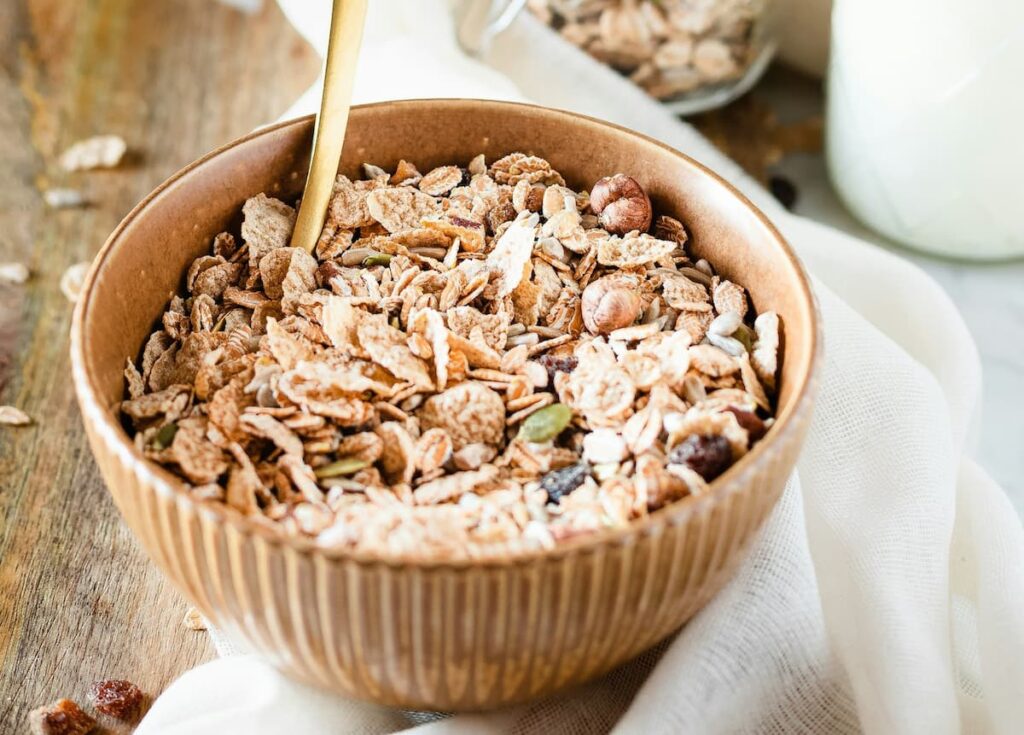
Whole oats and steel-cut oats provide more fermentable fiber than highly processed oat products.
Regular consumption, rather than occasional intake, is key for measurable gut health benefits.
Food 3: Legumes (Beans and Lentils)
Why Legumes Support Gut Health
Legumes are among the richest sources of dietary fiber and resistant starch, both of which are powerful prebiotics.
They feed a wide range of beneficial gut bacteria and promote high microbial diversity.
Legumes also contain polyphenols that interact with gut microbes and enhance their beneficial effects.
Scientific Evidence
Population studies consistently associate higher legume intake with greater gut microbial diversity and lower inflammatory markers.
Controlled feeding trials show that legumes increase short-chain fatty acid production and improve gut barrier integrity.
Legume-rich diets are linked to reduced risk of cardiovascular disease and type 2 diabetes, partly mediated by gut microbiota changes.
How to Use Legumes Effectively
Start with small portions if you are not used to high fiber intake to allow the gut to adapt.
Soaking and cooking legumes properly improves digestibility and reduces gastrointestinal discomfort.
Practical Tips for Supporting Gut Health Long-Term
Gut health is not built overnight. Consistency matters more than perfection.
• Eat a wide variety of plant foods
• Aim for regular fiber intake throughout the week
• Include fermented foods consistently, not occasionally
• Stay physically active
• Manage stress and prioritize sleep
Short-term fixes rarely lead to lasting gut health improvements. Sustainable habits do.
References
• Bäckhed, F., Ding, H., Wang, T., Hooper, L.V., Koh, G.Y., Nagy, A., Semenkovich, C.F. and Gordon, J.I., 2004. The gut microbiota as an environmental factor that regulates fat storage. Proceedings of the National Academy of Sciences, 101(44), pp.15718–15723.
• Cryan, J.F. and Dinan, T.G., 2012. Mind-altering microorganisms: the impact of the gut microbiota on brain and behaviour. Nature Reviews Neuroscience, 13(10), pp.701–712.
• Deehan, E.C. and Walter, J., 2016. The fiber gap and the disappearing gut microbiome. Current Opinion in Gastroenterology, 32(3), pp.159–166.
• Koh, A., De Vadder, F., Kovatcheva-Datchary, P. and Bäckhed, F., 2016. From dietary fiber to host physiology: short-chain fatty acids as key bacterial metabolites. Cell, 165(6), pp.1332–1345.
• Marco, M.L., Heeney, D., Binda, S., Cifelli, C.J., Cotter, P.D., Foligné, B., Gänzle, M., Kort, R., Pasin, G., Pihlanto, A. and Smid, E.J., 2017. Health benefits of fermented foods: microbiota and beyond. Current Opinion in Biotechnology, 44, pp.94–102.