


Sleep is one of the most powerful recovery tools available to the human body. During deep sleep, muscles repair, hormones rebalance, immune function improves, and the brain consolidates learning and memory.
For athletes and physically active people, poor sleep is linked to reduced performance, slower recovery, higher injury risk, and impaired metabolic health.


While sleep hygiene practices such as light exposure, temperature control, and consistent bedtimes are essential, nutrition also plays a measurable and often underestimated role. Certain foods contain nutrients that influence neurotransmitters, hormones, inflammation, muscle repair, and circadian rhythms — all of which affect sleep quality and nighttime recovery.
This article examines five foods that are strongly supported by scientific research for improving sleep duration, sleep quality, and overnight recovery. Each section explains the mechanisms involved, what the research shows, and how to use each food practically without gimmicks or speculation.
Why Food Matters for Sleep and Recovery
Sleep is regulated by a complex interaction between the brain, endocrine system, immune system, and peripheral tissues such as muscle and liver. Nutrition influences all of these systems in several ways.

First, many sleep-regulating neurotransmitters and hormones are synthesized from dietary amino acids, vitamins, and minerals. Serotonin and melatonin, two central regulators of sleep, are derived from tryptophan and require cofactors such as magnesium, vitamin B6, and zinc for proper synthesis.
Second, food affects blood glucose stability. Large swings in blood sugar during the night can trigger cortisol and adrenaline release, fragmenting sleep and reducing deep sleep duration.
Third, inflammation plays a role in sleep disruption. Chronic low-grade inflammation is associated with shorter sleep duration and poorer sleep efficiency, while anti-inflammatory diets are linked to better sleep outcomes.
Finally, for athletes, nighttime recovery includes muscle protein synthesis, connective tissue repair, and glycogen replenishment. Nutrients consumed in the evening can meaningfully influence these processes overnight.
The foods discussed below are not sedatives or sleep medications. Instead, they support the body’s natural sleep and recovery mechanisms through well-understood biological pathways.
1. Tart Cherries
Why Tart Cherries Support Sleep
Tart cherries, particularly Montmorency cherries, are one of the few natural food sources of melatonin. Melatonin is the hormone that signals darkness to the brain and helps regulate circadian rhythm and sleep-wake cycles.
Beyond melatonin, tart cherries are rich in polyphenols and anthocyanins, compounds with antioxidant and anti-inflammatory properties. These compounds may reduce oxidative stress and inflammation that can interfere with sleep and recovery, particularly after intense training.
Tart cherries also contain small amounts of tryptophan, the amino acid precursor to serotonin and melatonin. While the tryptophan content alone is modest, it contributes synergistically to sleep regulation when combined with the fruit’s melatonin content.
What the Science Says
Multiple controlled studies have shown that tart cherry consumption improves both sleep duration and sleep quality.
A randomized, double-blind, placebo-controlled trial published in the European Journal of Nutrition found that adults who consumed tart cherry juice twice daily for two weeks increased total sleep time and sleep efficiency compared to placebo. Participants also showed higher urinary melatonin levels, suggesting a direct hormonal effect.
Another study in the Journal of Medicinal Food observed improvements in insomnia severity, sleep latency, and total sleep time in older adults following tart cherry juice supplementation.
From a recovery perspective, tart cherries have been extensively studied for their ability to reduce exercise-induced muscle soreness and inflammation. Research published in the Scandinavian Journal of Medicine & Science in Sports demonstrated reduced muscle pain and faster strength recovery after intense exercise when athletes consumed tart cherry juice.
Better recovery can indirectly improve sleep by reducing nighttime discomfort, pain, and inflammatory signaling that disrupts deep sleep.
How to Use Tart Cherries
The most studied form is tart cherry juice concentrate diluted with water, typically consumed once in the morning and once in the evening. Whole tart cherries can also be used, though juice provides a more standardized dose of bioactive compounds.
For sleep support, consuming tart cherries or juice 1 to 2 hours before bed appears most effective. Consistency matters more than acute use; benefits are strongest after several days of regular intake.
2. Fatty Fish (Salmon, Sardines, Mackerel)

Why Fatty Fish Support Sleep and Recovery
Fatty fish are rich in omega-3 fatty acids, particularly EPA and DHA, as well as vitamin D. Both nutrients play critical roles in sleep regulation and recovery.
Omega-3 fatty acids influence neuronal membrane fluidity and neurotransmitter signaling, including serotonin and dopamine pathways involved in sleep. DHA is especially important for brain function and circadian rhythm regulation.
Vitamin D receptors are present in areas of the brain involved in sleep control, including the hypothalamus. Vitamin D also influences inflammation, immune function, and muscle recovery — all relevant to nighttime repair.
Fatty fish also provide high-quality protein, supplying essential amino acids that support muscle protein synthesis during sleep.
What the Science Says
Several studies link omega-3 intake to improved sleep outcomes. Research published in the Journal of Clinical Sleep Medicine found that higher blood levels of DHA were associated with better sleep efficiency and longer sleep duration.
A randomized controlled trial in the Journal of Sleep Research examined the effects of salmon consumption three times per week for six months. Participants showed improvements in sleep latency, daily functioning, and heart rate variability compared to a control group consuming other animal proteins. These improvements were correlated with increased vitamin D levels.
Omega-3 fatty acids also reduce delayed onset muscle soreness and markers of inflammation following exercise, as shown in multiple trials published in journals such as Clinical Nutrition and The American Journal of Clinical Nutrition. Reduced inflammation supports deeper, less fragmented sleep and more effective overnight recovery.
How to Use Fatty Fish
Consuming fatty fish at dinner two to three times per week is sufficient to support sleep and recovery benefits. Extremely large portions late at night are not necessary and may interfere with digestion for some individuals.
For athletes training intensely, pairing fatty fish with complex carbohydrates in the evening may further enhance serotonin production and glycogen replenishment.
3. Kiwi Fruit
Why Kiwi Supports Sleep
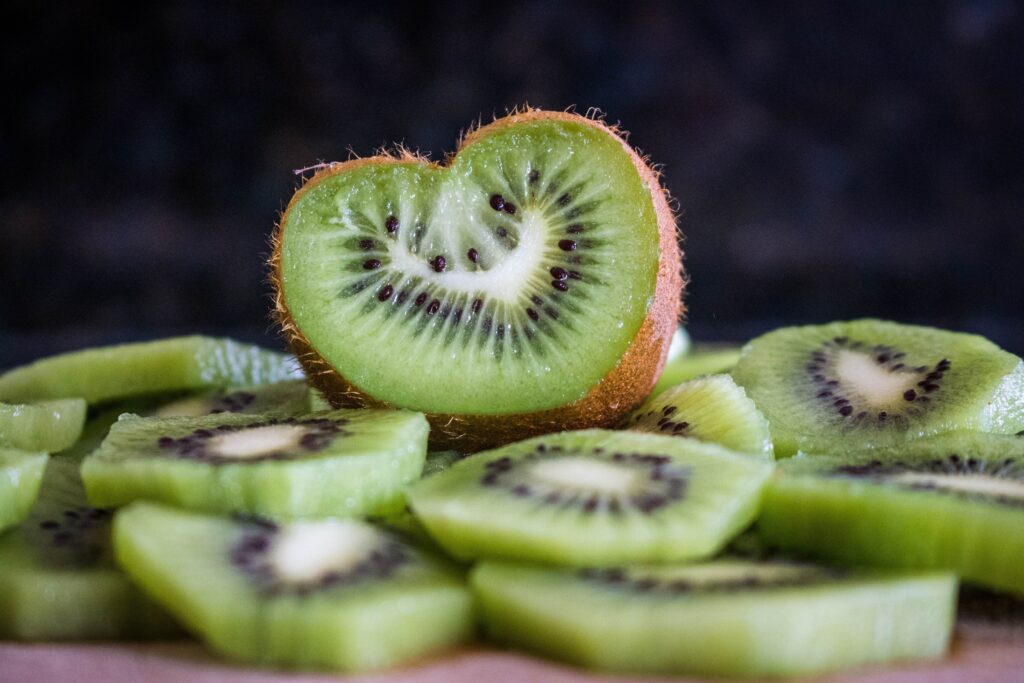
Kiwi fruit is rich in serotonin, antioxidants, folate, and vitamin C — all of which contribute to sleep regulation.
Serotonin is a key neurotransmitter involved in sleep initiation and melatonin synthesis. Unlike many foods that only provide tryptophan, kiwi contains measurable amounts of serotonin itself, which may directly influence central nervous system signaling.
Kiwi’s antioxidant profile may reduce oxidative stress and inflammation, both of which are associated with sleep disturbances. Folate deficiency has also been linked to insomnia and restless sleep, making kiwi’s folate content relevant.
What the Science Says
One of the most cited studies on kiwi and sleep was published in the Asia Pacific Journal of Clinical Nutrition. In this study, adults with self-reported sleep disturbances consumed two kiwi fruits one hour before bedtime for four weeks.
The results showed significant improvements in sleep onset latency, total sleep time, sleep efficiency, and wake time after sleep onset. Participants fell asleep faster and slept longer, with better perceived sleep quality.
Researchers attributed these effects to kiwi’s serotonin content and antioxidant capacity. Subsequent reviews have supported these findings, noting that kiwi appears particularly effective for improving sleep initiation and continuity.
While kiwi has not been studied as extensively for muscle recovery as tart cherries or fatty fish, improved sleep quality alone enhances growth hormone release and protein synthesis during the night.
How to Use Kiwi
Consuming two whole kiwi fruits approximately one hour before bedtime is the most studied and effective protocol. Kiwi is low in calories and easy to digest, making it suitable even for those sensitive to late-night eating.
There is no evidence that consuming more than two kiwi provides additional sleep benefits.
4. Dairy Products (Greek Yogurt, Milk, Cottage Cheese)
Why Dairy Supports Sleep and Recovery
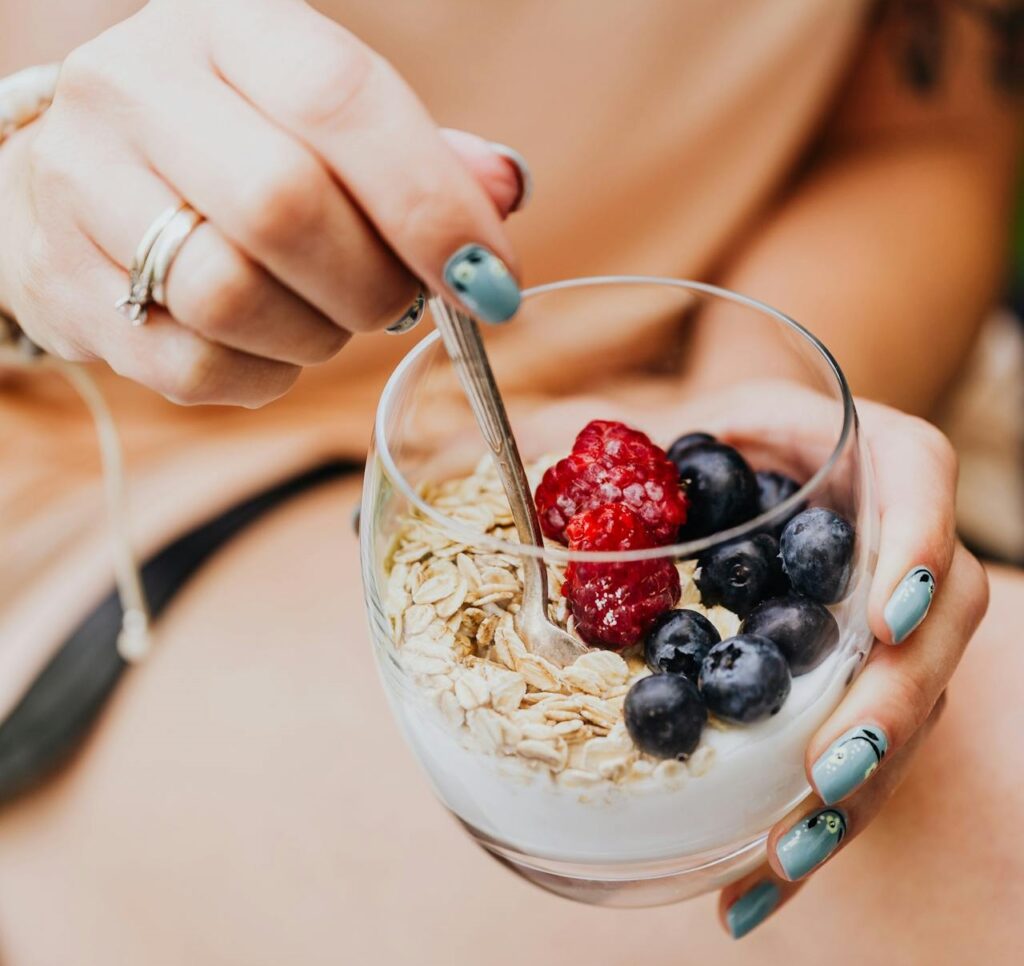
Dairy products provide a combination of tryptophan, calcium, magnesium, and high-quality protein — particularly casein protein, which digests slowly and supports muscle repair overnight.
Tryptophan is the amino acid precursor to serotonin and melatonin. Calcium helps the brain use tryptophan effectively and plays a role in sleep cycle regulation. Magnesium supports parasympathetic nervous system activity, promoting relaxation.
Casein protein has been shown to stimulate muscle protein synthesis during sleep without disrupting fat metabolism. This makes dairy particularly useful for athletes seeking recovery benefits without compromising body composition.
What the Science Says
Milk has long been associated with improved sleep, and modern research supports this link. Studies in the journal Nutrients have shown that tryptophan-rich foods combined with carbohydrates improve sleep latency and sleep quality.
A controlled study published in Medicine & Science in Sports & Exercise demonstrated that consuming 30 to 40 grams of casein protein before sleep increased overnight muscle protein synthesis and improved recovery without affecting fat breakdown.
Calcium intake has also been linked to improved sleep continuity. Research published in the European Neurology journal found that low calcium levels were associated with difficulty maintaining sleep.
Fermented dairy products such as yogurt may offer additional benefits due to their probiotic content, which can influence the gut-brain axis and sleep regulation.
How to Use Dairy
Greek yogurt, cottage cheese, or a glass of milk consumed 30 to 60 minutes before bed can support both sleep and recovery. Pairing dairy with a small amount of carbohydrate, such as fruit or honey, may further enhance tryptophan uptake into the brain.
Individuals with lactose intolerance can opt for lactose-free dairy or fermented options, which are often better tolerated.
5. Oats
Why Oats Support Sleep
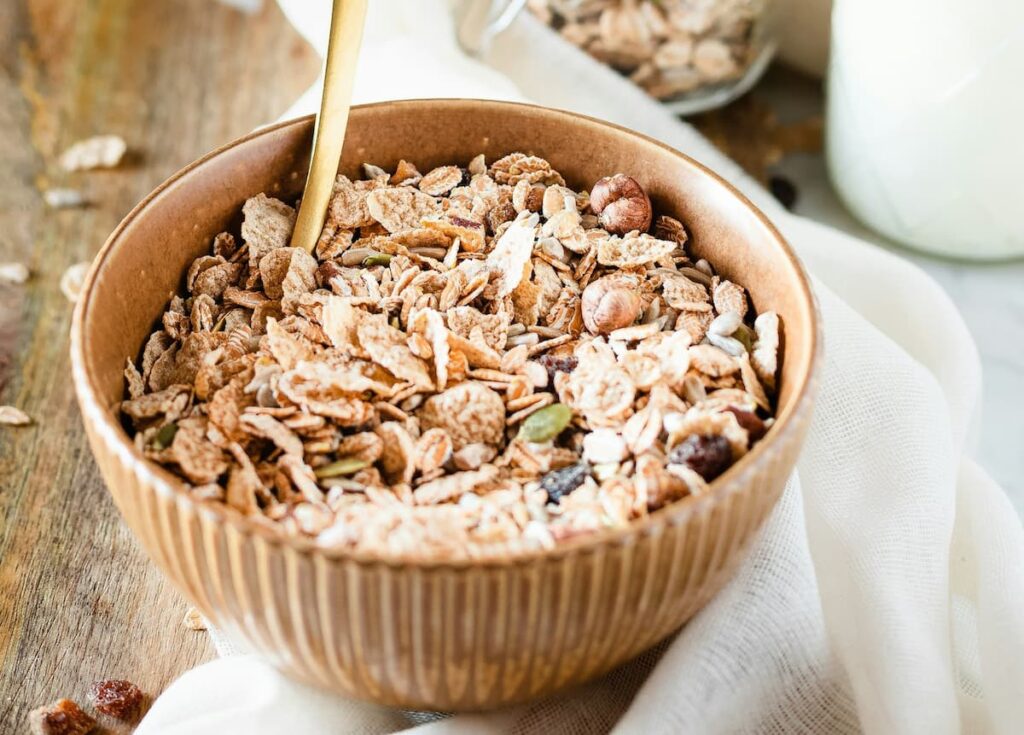
Oats are a complex carbohydrate source rich in beta-glucan fiber, magnesium, phosphorus, and small amounts of melatonin.
Complex carbohydrates help regulate blood sugar during the night, reducing the risk of nocturnal awakenings caused by hypoglycemia. They also facilitate the transport of tryptophan across the blood-brain barrier by increasing insulin release, which clears competing amino acids from circulation.
Magnesium plays a key role in nervous system relaxation and GABA signaling, promoting deeper sleep.
What the Science Says
Research published in the Journal of Research in Medical Sciences has shown that magnesium supplementation improves sleep efficiency, sleep time, and insomnia symptoms, particularly in older adults.
Carbohydrate intake in the evening has been shown to reduce sleep onset latency. A study in the American Journal of Clinical Nutrition found that high-glycemic-index carbohydrates consumed four hours before bedtime reduced the time it took participants to fall asleep.
While oats are not high-glycemic, their steady glucose release supports stable overnight energy availability, which is important for recovery and sleep continuity.
For athletes, oats consumed in the evening can contribute to glycogen replenishment, which supports overnight recovery and next-day performance.
How to Use Oats
Oats can be consumed as oatmeal, overnight oats, or added to smoothies. An evening portion combined with protein and healthy fats creates a balanced pre-sleep meal.
Portion size should be moderate to avoid digestive discomfort. For most people, 30 to 60 grams of dry oats is sufficient.
Final Thoughts on Food, Sleep, and Recovery
Sleep is not improved by a single nutrient or superfood. It is the result of coordinated physiological processes that respond to consistent habits, including diet.
The five foods covered in this article — tart cherries, fatty fish, kiwi, dairy, and oats — are supported by strong scientific evidence for their roles in sleep regulation and nighttime recovery. They work through complementary mechanisms: hormonal signaling, neurotransmitter synthesis, inflammation reduction, blood sugar stability, and muscle repair.
Used consistently and appropriately, these foods can become powerful tools for improving sleep quality and enhancing recovery without relying on supplements or sleep aids.
References
- Afaghi, A., O’Connor, H. and Chow, C.M. (2007) ‘High-glycemic-index carbohydrate meals shorten sleep onset’, American Journal of Clinical Nutrition, 85(2), pp. 426–430.
- Cherasse, Y. and Urade, Y. (2017) ‘Dietary zinc acts as a sleep modulator’, International Journal of Molecular Sciences, 18(11), pp. 2334–2346.
- Cook, M.D. et al. (2010) ‘Effects of tart cherry juice on muscle pain and recovery following strenuous exercise’, Scandinavian Journal of Medicine & Science in Sports, 20(6), pp. 843–852.
- Hansen, A.L. et al. (2014) ‘The effect of salmon consumption on sleep’, Journal of Sleep Research, 23(3), pp. 302–310.
- Jacka, F.N. et al. (2011) ‘Association between diet quality and sleep quality’, American Journal of Clinical Nutrition, 93(4), pp. 821–828.
- Lin, H.H. et al. (2011) ‘Effects of kiwifruit consumption on sleep quality’, Asia Pacific Journal of Clinical Nutrition, 20(2), pp. 169–174.
- Pigeon, W.R. et al. (2010) ‘Effects of tart cherry juice on melatonin and sleep’, European Journal of Nutrition, 49(6), pp. 343–349.