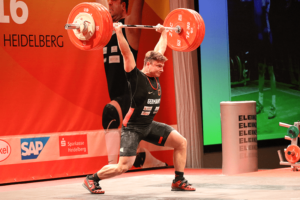


Hybrid training is one of the fastest-growing trends in fitness. You have likely seen athletes who can deadlift heavy, run a fast 10K, and still jump into a CrossFit class without missing a beat. That blend of strength, endurance, and overall athletic performance is the essence of hybrid training.
But what exactly does it mean? Is it just mixing cardio and lifting weights? Is it safe? Does it actually work? And how should you structure it?


Defining Hybrid Training
Hybrid training refers to a structured approach that develops strength, power, and muscular hypertrophy alongside cardiovascular endurance within the same training program.

Unlike traditional bodybuilding, which prioritizes muscle size, or endurance training, which focuses on aerobic capacity, hybrid training deliberately targets both adaptations at the same time.
In practice, this might include:
- Strength training (squats, presses, deadlifts)
- High-intensity interval training
- Long steady-state aerobic sessions
- Sport-specific conditioning
- Skill-based metabolic training (such as CrossFit-style workouts)
The key difference is intent. Hybrid training is not random cross-training. It is a systematic effort to build both strength and endurance to high levels simultaneously.
The Science Behind Hybrid Training
Concurrent Training: The Foundation
Hybrid training is built on what researchers call concurrent training — the combination of resistance and endurance training in the same program.
For decades, scientists have debated whether combining these two modalities compromises results. This is known as the “interference effect.”
Early research suggested that endurance training could blunt strength and hypertrophy gains when performed alongside resistance training. One of the first major studies demonstrated that individuals performing both endurance and strength training improved strength less than those doing strength training alone.
Subsequent meta-analyses confirmed that concurrent training can interfere with maximal strength and power development, particularly when endurance volume is high or when high-frequency running is included.
However, the same research shows that hypertrophy is much less affected. In fact, muscle growth appears largely preserved when training is programmed intelligently.
The takeaway: hybrid training works, but programming matters.
The Molecular Perspective
At a cellular level, resistance training primarily activates the mTOR pathway, which drives muscle protein synthesis and hypertrophy. Endurance training, particularly long-duration aerobic work, activates AMPK signaling, which promotes mitochondrial biogenesis and aerobic adaptation.
AMPK can inhibit mTOR activity under certain conditions. This is one reason researchers proposed the interference effect.
However, more recent evidence shows that timing, intensity, and recovery largely determine the magnitude of this interference. When sessions are separated by several hours or performed on different days, strength and endurance adaptations can coexist effectively.
Cardiovascular and Strength Adaptations Can Coexist
Numerous controlled studies demonstrate that individuals can significantly improve VO2 max and maximal strength simultaneously. Even trained athletes can develop both systems when volume and recovery are managed appropriately.
Hybrid athletes are not physiologically impossible. They are simply managing competing adaptations through smart planning.
The Benefits of Hybrid Training
1. Improved Cardiovascular Fitness
Aerobic fitness is one of the strongest predictors of longevity and reduced all-cause mortality. Higher cardiorespiratory fitness is associated with lower risk of cardiovascular disease, cancer, and metabolic disorders.
Even modest improvements in VO2 max significantly reduce mortality risk.
Hybrid training includes structured aerobic work, which improves:
- Stroke volume
- Capillary density
- Mitochondrial function
- Fat oxidation capacity
These adaptations enhance performance and long-term health.
2. Increased Muscular Strength and Bone Density
Resistance training increases maximal strength, neuromuscular efficiency, and bone mineral density. Strength training is associated with improved insulin sensitivity, improved body composition, and reduced injury risk.
Bone density improvements are especially relevant. Mechanical loading stimulates osteogenesis, helping reduce the risk of osteoporosis.
Hybrid training maintains these strength benefits while layering endurance on top.
3. Better Body Composition
Combining resistance and endurance training can improve fat loss while preserving lean mass. Resistance training maintains muscle mass during caloric deficits, while aerobic training increases caloric expenditure and metabolic flexibility.
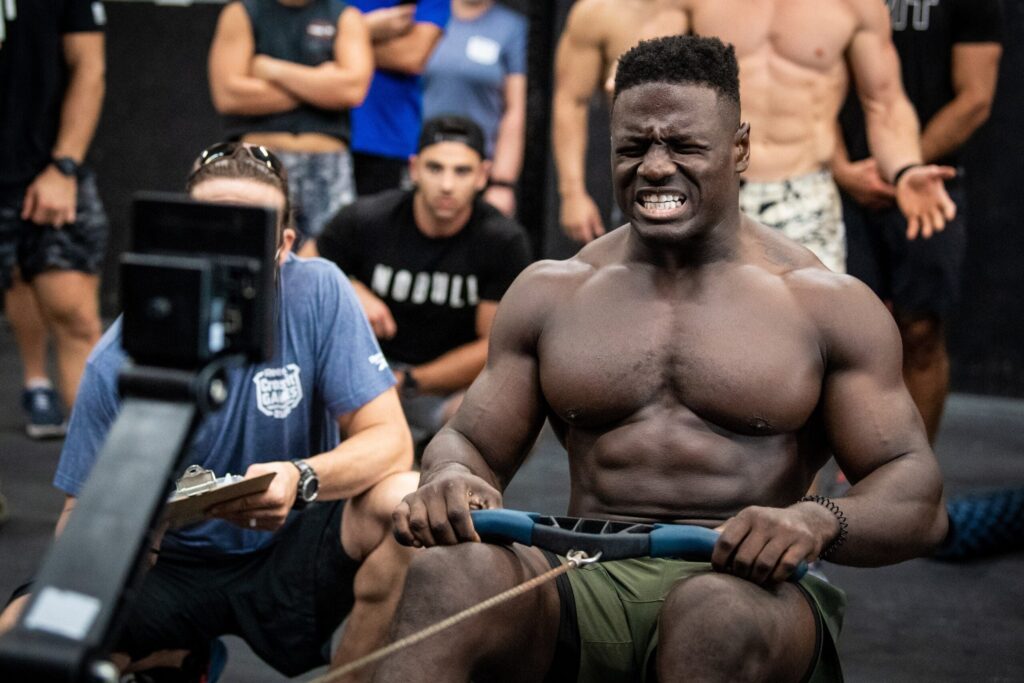
Research shows that combined training improves body composition more effectively than either modality alone in many populations, particularly in individuals with overweight or metabolic syndrome.
4. Metabolic Health
Hybrid training improves glucose uptake, insulin sensitivity, and lipid profiles. Both resistance and aerobic training independently improve metabolic markers. Together, they offer a comprehensive metabolic stimulus.
Exercise-induced improvements in insulin sensitivity are linked to enhanced GLUT4 translocation and increased muscle mass, both of which improve glucose disposal.
5. Athletic Versatility
From a performance perspective, hybrid training increases work capacity. Athletes become stronger, more fatigue-resistant, and more resilient across different physical domains.
Military personnel, tactical athletes, and field sport athletes benefit significantly from hybrid capacity. Research in these populations shows that combined strength and endurance programs improve operational performance without necessarily compromising either domain when properly structured.
The Interference Effect: How Real Is It?
The interference effect is real — but it is often misunderstood.
When Interference Happens
Research indicates that interference is most pronounced when:
- Endurance training volume is very high
- Running frequency exceeds three sessions per week
- High-intensity endurance sessions are placed immediately before strength sessions
- Recovery is insufficient
- Athletes are highly trained and near their performance ceiling
Explosive power is more vulnerable than hypertrophy. Maximal strength may also be slightly attenuated under high endurance loads.
When Interference Is Minimal
Interference is significantly reduced when:
- Sessions are separated by at least 6 hours
- Endurance volume is moderate
- Cycling or rowing is used instead of high-volume running
- Strength sessions are prioritized
- Total weekly volume is managed
Importantly, beginners and intermediates experience very little interference. Their adaptive ceiling is high enough that both systems improve simultaneously without significant compromise.
Programming Hybrid Training Correctly
Hybrid training succeeds or fails based on programming.
Prioritize Your Primary Goal
If maximal strength is your priority, strength sessions should be performed first or on separate days. If endurance performance is your primary focus, endurance sessions should receive priority.
The body adapts to the stimulus it perceives as most important.
Manage Volume and Intensity
Too much of everything leads to stagnation. Research consistently shows that excessive endurance volume is the main driver of interference.
For most individuals:
- 2–4 strength sessions per week
- 2–4 endurance sessions per week
- At least one full rest day
- Periodized intensity
This allows sufficient stimulus without overwhelming recovery capacity.
Separate Sessions When Possible
Separating strength and endurance sessions by several hours reduces molecular interference. Ideally, place them on separate days. If performed on the same day, perform strength first if strength is the goal.
Periodization Is Critical
Block periodization can reduce interference by emphasizing one quality while maintaining the other.
For example:
- 4–6 weeks strength emphasis (maintenance endurance)
- 4–6 weeks endurance emphasis (maintenance strength)
Research supports periodized concurrent training as superior to non-periodized models for maximizing dual adaptations.
Nutrition for Hybrid Training
Hybrid athletes must fuel appropriately.
Protein Intake
Muscle protein synthesis requires adequate protein. Research suggests 1.6–2.2 grams of protein per kilogram of bodyweight per day optimizes hypertrophy in resistance-trained individuals.
Higher training volumes increase protein turnover, making adequate intake essential.
Carbohydrates and Glycogen
Endurance training depletes glycogen. Strength performance also depends on glycogen availability.
Carbohydrate restriction can impair high-intensity performance. Hybrid athletes benefit from sufficient carbohydrate intake to support both modalities.
Energy Availability
Low energy availability impairs recovery, hormonal balance, and performance. Chronic underfueling increases injury risk and reduces adaptation.
Hybrid training demands respect for total caloric needs.
Recovery Considerations
Hybrid training increases total training stress.
Sleep
Sleep restriction impairs strength, reaction time, and endurance performance. Studies show that sleep deprivation reduces time to exhaustion and decreases maximal strength output.
Aim for 7–9 hours per night.
Deload Weeks
Scheduled deloads reduce accumulated fatigue. Reducing total volume by 30–50 percent every 4–6 weeks can restore performance capacity.
Monitoring Fatigue
Markers of excessive fatigue include:
- Elevated resting heart rate
- Reduced bar speed
- Declining performance
- Persistent soreness
- Mood disturbance
Hybrid athletes should track performance metrics closely.
Who Should Try Hybrid Training?
Hybrid training is suitable for:
- Recreational athletes
- CrossFit participants
- Tactical professionals
- Endurance athletes who want strength
- Lifters who want cardiovascular fitness
It may not be ideal for elite specialists whose performance margins are razor thin. Olympic weightlifters and elite marathon runners typically require highly specialized programs.
But for most people, hybrid training is realistic, sustainable, and beneficial.
Hybrid Training vs. CrossFit
Hybrid training and CrossFit overlap but are not identical.
CrossFit includes strength and conditioning within high-intensity workouts. Hybrid training can include CrossFit-style sessions, but it may also involve structured endurance blocks, zone 2 work, or formal race preparation.
Hybrid training is a broader framework.
Example Weekly Hybrid Structure
Day 1: Lower body strength + short intervals
Day 2: Zone 2 aerobic session
Day 3: Upper body strength
Day 4: Rest
Day 5: Full body strength + tempo run
Day 6: Long aerobic session
Day 7: Rest or mobility
This is only a template. Volume and intensity must match the athlete’s capacity.
Common Myths About Hybrid Training
“You Cannot Build Muscle and Endurance at the Same Time”
False. Numerous studies show simultaneous improvement in VO2 max and hypertrophy, particularly in non-elite populations.

“Cardio Kills Gains”
High-volume endurance training can blunt maximal strength development, but moderate aerobic work does not eliminate hypertrophy when properly programmed.
“Hybrid Training Is Only for Advanced Athletes”
Beginners often respond extremely well to concurrent training due to their high adaptive potential.
The Bottom Line
Hybrid training is the structured combination of strength and endurance training designed to build a well-rounded athlete.
Scientific evidence confirms that:
- Both systems can improve simultaneously
- Interference is manageable
- Programming determines outcomes
- Recovery and nutrition are critical
- The approach supports long-term health and performance
For most people, hybrid training offers a balanced, evidence-based path toward strength, cardiovascular fitness, and overall athletic capacity.
It is not about being average at everything. It is about being capable at everything.
References
- American College of Sports Medicine (2011) ‘Quantity and quality of exercise for developing and maintaining cardiorespiratory, musculoskeletal, and neuromotor fitness in apparently healthy adults’, Medicine & Science in Sports & Exercise, 43(7), pp. 1334–1359.
- Coffey, V.G. and Hawley, J.A. (2007) ‘The molecular bases of training adaptation’, Sports Medicine, 37(9), pp. 737–763.
- Fyfe, J.J., Bishop, D.J. and Stepto, N.K. (2014) ‘Interference between concurrent resistance and endurance exercise: molecular bases and the role of individual training variables’, Sports Medicine, 44(6), pp. 743–762.
- Hickson, R.C. (1980) ‘Interference of strength development by simultaneously training for strength and endurance’, European Journal of Applied Physiology, 45(2–3), pp. 255–263.
- Murlasits, Z., Kneffel, Z. and Thalib, L. (2018) ‘The physiological effects of concurrent strength and endurance training sequence: A systematic review and meta-analysis’, Journal of Sports Sciences, 36(11), pp. 1212–1219.
- Peterson, M.D., Sen, A. and Gordon, P.M. (2011) ‘Influence of resistance exercise on lean body mass in aging adults’, Medicine & Science in Sports & Exercise, 43(2), pp. 249–258.
- Schoenfeld, B.J., Ogborn, D. and Krieger, J.W. (2014) ‘Dose-response relationship between weekly resistance training volume and increases in muscle mass’, Journal of Sports Sciences, 35(11), pp. 1073–1082.
- Warburton, D.E.R., Nicol, C.W. and Bredin, S.S.D. (2006) ‘Health benefits of physical activity: the evidence’, CMAJ, 174(6), pp. 801–809.
- Wilson, J.M., Marin, P.J., Rhea, M.R., Wilson, S.M.C., Loenneke, J.P. and Anderson, J.C. (2012) ‘Concurrent training: a meta-analysis examining interference of aerobic and resistance exercises’, Journal of Strength and Conditioning Research, 26(8), pp. 2293–2307.
Key Takeaways
| Topic | Key Point |
|---|---|
| Definition | Hybrid training combines structured strength and endurance training in one program |
| Science | Concurrent training can improve both VO2 max and strength simultaneously |
| Interference | High endurance volume may reduce maximal strength gains, but programming reduces risk |
| Health | Improves cardiovascular fitness, metabolic health, and bone density |
| Programming | Separate sessions, manage volume, and prioritize your main goal |
| Nutrition | Adequate protein, carbohydrates, and total calories are essential |
| Recovery | Sleep and deloads are critical for long-term success |
| Suitability | Ideal for most recreational and tactical athletes seeking balanced performance |