

Protein is one of the most important nutrients for athletic performance, recovery, and long term health. For decades, many athletes believed that animal products were the only reliable way to consume enough high quality protein. This belief is now outdated. A growing body of scientific evidence shows that well planned vegan diets can support muscle growth, endurance performance, and recovery just as effectively as diets that include animal products.
Vegan athletes are increasingly common across strength sports, endurance events, and team sports. Research shows that plant based diets can provide sufficient protein, essential amino acids, vitamins, minerals, and antioxidants to support high training loads and optimal performance.


The key is selecting nutrient dense protein sources and consuming them in adequate amounts.
Protein requirements for athletes are higher than for sedentary individuals. The International Society of Sports Nutrition suggests that athletes typically benefit from consuming between 1.4 and 2.0 grams of protein per kilogram of body weight per day depending on training intensity and goals. Vegan athletes can easily reach these levels by combining several high quality plant protein sources throughout the day.
Plant proteins sometimes contain lower concentrations of certain essential amino acids compared to animal proteins. However, this challenge can be solved by consuming diverse plant foods. Many plant protein sources provide impressive levels of essential amino acids, fiber, micronutrients, and beneficial phytochemicals that support overall health.
This article explores three of the healthiest and most effective protein sources for vegan athletes. Each option is backed by scientific evidence and provides substantial nutritional benefits for muscle growth, recovery, and athletic performance.
Why Protein Quality Matters for Vegan Athletes
Essential Amino Acids and Muscle Protein Synthesis
Protein is composed of amino acids, which are the building blocks of muscle tissue. Nine of these amino acids are classified as essential because the body cannot produce them on its own. Athletes must obtain them through diet.
Muscle protein synthesis is the process by which the body repairs and builds new muscle tissue after exercise. Essential amino acids, particularly leucine, play a key role in stimulating this process.

Some plant proteins contain lower concentrations of certain amino acids, particularly lysine or methionine. However, consuming a variety of plant proteins throughout the day provides a complete amino acid profile that supports muscle growth.
Research comparing plant based and animal based diets shows that when total protein intake is sufficient, plant proteins can support muscle hypertrophy and strength gains similarly to animal proteins.
Digestibility and Bioavailability
Another factor often discussed with plant proteins is digestibility. Some plant foods contain compounds such as phytates that may slightly reduce nutrient absorption. However, traditional food preparation methods like soaking, fermenting, sprouting, and cooking significantly improve protein digestibility.
Modern research shows that well processed plant protein sources such as tofu, tempeh, legumes, and whole grains provide highly digestible protein that can effectively support athletic recovery and muscle growth.
Health Benefits Beyond Protein
Many plant protein sources offer additional health benefits that animal proteins do not provide. They are typically rich in fiber, antioxidants, polyphenols, and anti inflammatory compounds. These nutrients can support cardiovascular health, immune function, and recovery from intense exercise.
Long term studies show that plant based diets are associated with lower risks of heart disease, hypertension, type 2 diabetes, and certain cancers. For athletes who train intensely for years, these long term health advantages are highly valuable.
With these factors in mind, several plant foods stand out as exceptional protein sources for vegan athletes.
Lentils: One of the Most Powerful Plant Proteins
Protein Content and Amino Acid Profile
Lentils are among the most nutritious and protein dense legumes available. One cooked cup of lentils contains roughly 18 grams of protein, making them an excellent option for athletes aiming to increase daily protein intake.
Lentils are particularly rich in lysine, an essential amino acid that is often limited in grain based foods. This makes lentils an ideal partner for foods like rice, oats, and wheat, which contain higher levels of methionine.
Combining legumes and grains creates a complementary amino acid profile that supports muscle protein synthesis.
Benefits for Muscle Recovery
Lentils also provide slow digesting carbohydrates that help replenish glycogen stores after training. Glycogen is the stored form of carbohydrate used by muscles during exercise. Replenishing glycogen quickly after training helps improve recovery and maintain performance during repeated sessions.
The combination of protein and carbohydrates in lentils makes them particularly effective for post workout meals.
Rich in Iron and Oxygen Transport
Iron is critical for athletes because it supports oxygen transport in the blood. Low iron levels can impair endurance performance and cause fatigue.
Plant based athletes sometimes worry about iron intake, but lentils are an excellent plant source of iron. One cup of cooked lentils contains about 6.6 milligrams of iron.
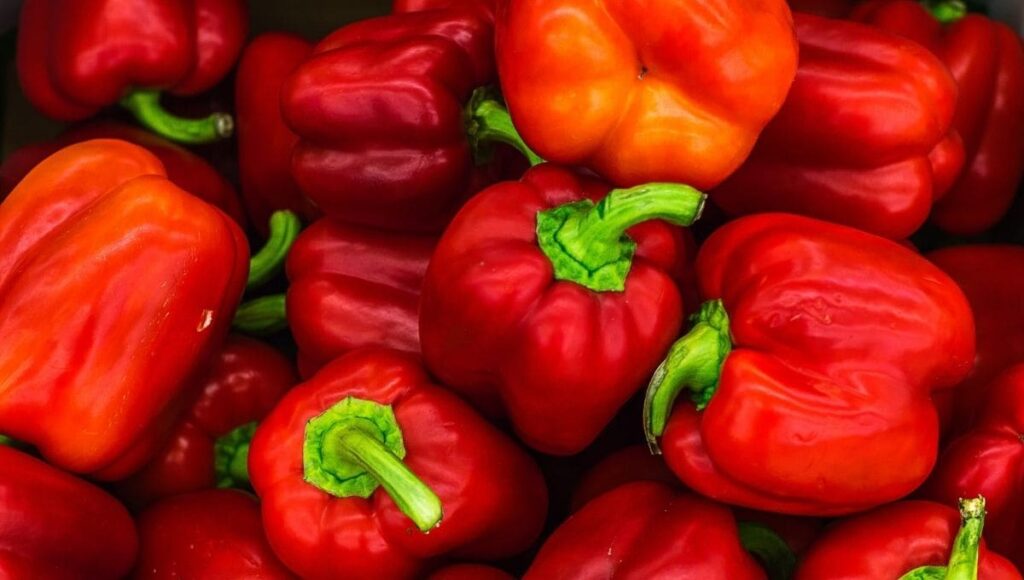
Consuming lentils with vitamin C rich foods such as bell peppers, citrus fruits, or tomatoes significantly improves iron absorption.
Fiber and Gut Health
Lentils are also extremely rich in dietary fiber. A single cup provides around 15 grams of fiber.
Fiber supports gut health by feeding beneficial bacteria in the digestive system. A healthy gut microbiome is linked to improved immune function, better nutrient absorption, and reduced inflammation.
For athletes who train frequently, maintaining strong immune health is essential for consistent training.
Practical Ways for Athletes to Eat Lentils
Lentils are versatile and easy to incorporate into daily meals. Some practical options include:
Lentil curry with brown rice
Lentil pasta for higher protein meals
Lentil and quinoa bowls
Lentil soups and stews
Lentil based burger patties
Because lentils are inexpensive, nutrient dense, and widely available, they are one of the best staple protein sources for vegan athletes.
Tofu and Tempeh: Complete Soy Proteins
Why Soy Protein Is Unique
Soybeans are one of the few plant foods that contain a complete protein profile. This means they provide all nine essential amino acids in sufficient quantities.
Soy protein has been extensively studied for its ability to support muscle growth and recovery. Research shows that soy protein can stimulate muscle protein synthesis and support strength gains when consumed in adequate amounts.
Two of the most popular soy based foods for athletes are tofu and tempeh.
Tofu: Versatile and High in Protein
Tofu is made by coagulating soy milk into solid blocks. Depending on the firmness, tofu contains between 10 and 20 grams of protein per serving.
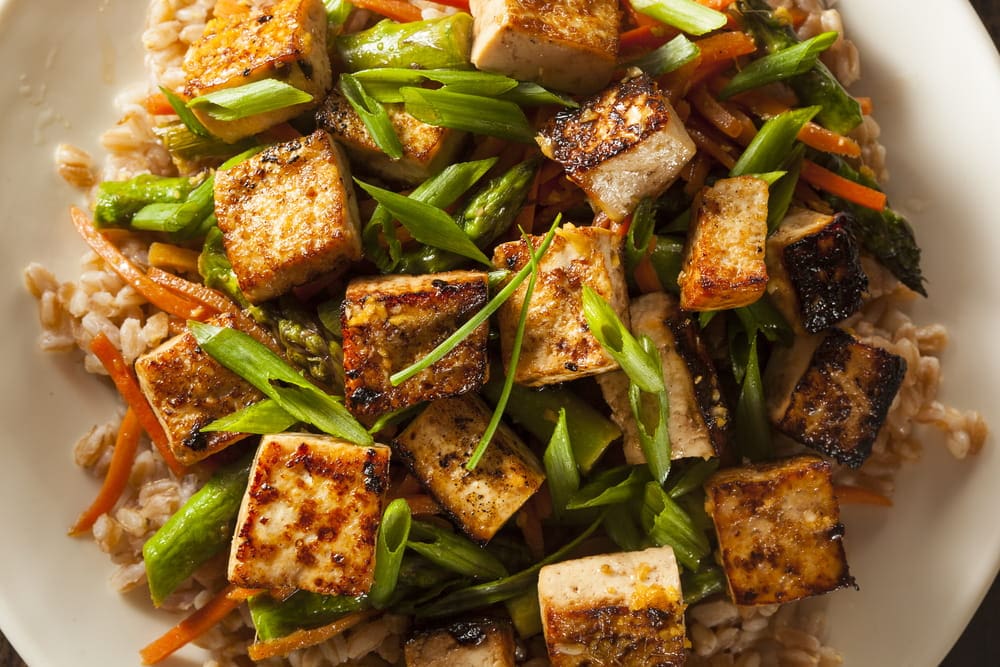
Tofu is highly versatile and can absorb the flavor of marinades and spices. It can be grilled, baked, scrambled, or added to stir fries and salads.
Beyond protein, tofu provides calcium, magnesium, iron, and healthy fats. Calcium is especially important for athletes because it supports bone strength and muscle contraction.
Tempeh: Fermented and Nutrient Dense
Tempeh is another soy based food that offers exceptional nutritional value. It is made by fermenting whole soybeans, which creates a firm cake like texture.
Fermentation improves protein digestibility and increases the bioavailability of certain nutrients.
A typical serving of tempeh contains about 20 grams of protein. It also provides probiotics that support gut health.
Tempeh is particularly rich in magnesium and potassium, two minerals that play roles in muscle contraction, nerve function, and recovery.
Soy Protein and Muscle Growth
For many years, myths circulated suggesting soy protein was inferior for muscle building. Modern scientific research has repeatedly disproven this claim.
Studies comparing soy protein with whey protein show that both can support increases in muscle mass and strength when consumed alongside resistance training.
This evidence demonstrates that soy foods such as tofu and tempeh are excellent choices for vegan athletes seeking to build or maintain muscle mass.
Practical Ways to Use Soy Foods
Athletes can incorporate tofu and tempeh into many meals throughout the day.
Examples include:
Tofu scramble with vegetables for breakfast
Tempeh stir fry with rice and vegetables
Grilled tofu in sandwiches or wraps
Tempeh tacos or burrito bowls
High protein salads with baked tofu
Because soy foods are dense in protein and relatively low in calories, they are particularly useful during cutting phases or weight management periods.
Quinoa: The High Protein Super Grain
A Rare Complete Plant Protein
Quinoa is technically a seed but is commonly classified as a whole grain in cooking. It is unique among grains because it provides all essential amino acids in balanced amounts.
One cooked cup of quinoa contains about 8 grams of protein, which is significantly higher than many other grains.
Although quinoa contains less protein per serving than legumes or soy foods, it still contributes meaningful protein while providing important carbohydrates for energy.
Ideal Fuel for Endurance and Strength Athletes
Athletes rely heavily on carbohydrates to fuel intense training sessions. Quinoa provides complex carbohydrates that release energy gradually, helping maintain stable blood sugar levels during long workouts.
At the same time, its protein content contributes to daily protein intake and recovery.
This combination makes quinoa an excellent base food for performance focused meals.
Rich in Micronutrients
Quinoa also provides a wide range of essential micronutrients that support athletic performance.
It is particularly rich in magnesium, which plays a role in muscle contraction, energy production, and electrolyte balance.
Quinoa also contains iron, zinc, and B vitamins that support metabolism and oxygen transport.
These nutrients contribute to improved endurance capacity and recovery.
Antioxidants and Anti Inflammatory Compounds
Intense exercise increases oxidative stress in the body. This is a normal physiological process, but excessive oxidative stress may impair recovery and increase fatigue.
Quinoa contains several antioxidant compounds including flavonoids that help reduce oxidative damage and inflammation.
Including antioxidant rich foods in an athlete’s diet may support faster recovery between training sessions.
Simple Ways to Add Quinoa to Meals
Quinoa is easy to prepare and can be used in many different dishes.
Popular options include:
Quinoa and roasted vegetable bowls
Quinoa salads with chickpeas and greens
Breakfast quinoa with berries and nuts
Quinoa stuffed peppers
Quinoa mixed with lentils for higher protein meals
Because quinoa is naturally gluten free and easy to digest, many athletes find it to be a comfortable carbohydrate source before training.
Combining Plant Proteins for Optimal Results
Although each of these foods offers excellent nutritional benefits, combining plant proteins throughout the day provides the most balanced amino acid intake.
For example:
Lentils and rice
Quinoa and beans
Tofu with whole grains
Tempeh with vegetables and legumes
These combinations naturally complement each other’s amino acid profiles.
Modern research shows that plant proteins do not need to be combined within the same meal. Consuming a variety of plant foods across the day is sufficient to provide all essential amino acids needed for muscle growth and recovery.
How Much Protein Vegan Athletes Actually Need
Protein requirements vary depending on training intensity, body composition goals, and sport.
Strength athletes typically aim for higher protein intake to maximize muscle protein synthesis. Endurance athletes also require sufficient protein to support recovery from repeated training sessions.
General recommendations suggest:
1.4 to 1.6 grams of protein per kilogram of body weight for endurance athletes
1.6 to 2.0 grams per kilogram for strength and power athletes
For example, an 80 kilogram athlete may require between 112 and 160 grams of protein daily.
By incorporating foods like lentils, tofu, tempeh, and quinoa into multiple meals, reaching these targets becomes very achievable on a vegan diet.
Final Thoughts
Vegan athletes have more high quality protein options available than ever before. Lentils, soy foods like tofu and tempeh, and quinoa stand out as three of the healthiest and most effective protein sources for supporting performance and recovery.
Each of these foods provides unique benefits. Lentils deliver large amounts of protein, fiber, and iron. Soy foods offer complete proteins that support muscle growth. Quinoa provides balanced amino acids along with complex carbohydrates and essential micronutrients.
When combined with a varied plant based diet, these foods allow vegan athletes to meet their protein needs while also supporting long term health.
With careful planning and consistent intake, plant based diets can fully support the demands of intense training, muscle growth, and elite athletic performance.
References
• Campbell, B., Kreider, R.B., Ziegenfuss, T., La Bounty, P., Roberts, M., Burke, D., Landis, J., Lopez, H. and Antonio, J. (2007). International Society of Sports Nutrition position stand: protein and exercise. Journal of the International Society of Sports Nutrition.
• Phillips, S.M. and Van Loon, L.J. (2011). Dietary protein for athletes: from requirements to optimum adaptation. Journal of Sports Sciences.
• Morton, R.W., Murphy, K.T., McKellar, S.R., Schoenfeld, B.J., Henselmans, M., Helms, E., Aragon, A.A., Devries, M.C., Banfield, L., Krieger, J.W. and Phillips, S.M. (2018). A systematic review, meta analysis and meta regression of the effect of protein supplementation on resistance training induced gains in muscle mass and strength in healthy adults. British Journal of Sports Medicine.
• Messina, M. (2016). Soy and health update: evaluation of the clinical and epidemiologic literature. Nutrients.
• Lynch, H., Johnston, C. and Wharton, C. (2018). Plant based diets: considerations for environmental impact, protein quality, and exercise performance. Nutrients.
• Melina, V., Craig, W. and Levin, S. (2016). Position of the Academy of Nutrition and Dietetics: vegetarian diets. Journal of the Academy of Nutrition and Dietetics.
• Tang, J.E., Moore, D.R., Kujbida, G.W., Tarnopolsky, M.A. and Phillips, S.M. (2009). Ingestion of whey hydrolysate, casein, or soy protein isolate: effects on mixed muscle protein synthesis at rest and following resistance exercise. Journal of Applied Physiology.
• Gorissen, S.H.M., Crombag, J.J.R., Senden, J.M.G., Waterval, W.A.H., Bierau, J., Verdijk, L.B. and Van Loon, L.J.C. (2018). Protein content and amino acid composition of commercially available plant based protein isolates. Amino Acids.