

Running performance depends heavily on energy availability. Whether you are heading out for a steady endurance run, intervals, or a tempo session, the fuel you consume before training can determine how strong you feel during the workout. The right snack can help maintain blood glucose levels, support muscle contraction, delay fatigue, and improve overall performance.

During running, the body primarily uses carbohydrates and fat as fuel. However, carbohydrates are the most efficient and readily available source of energy during moderate to high intensity exercise. Muscle glycogen, which is the stored form of carbohydrate, plays a major role in sustaining endurance performance. When glycogen levels drop too low, fatigue quickly follows.


A well timed snack before a run helps maintain blood glucose levels and preserves muscle glycogen. Research consistently shows that carbohydrate consumption before endurance exercise improves performance, delays fatigue, and increases time to exhaustion.
The key is choosing snacks that are easy to digest, rich in carbohydrates, and moderate in fiber, fat, and protein. Foods that digest quickly provide usable energy without causing stomach discomfort.
In this article, we will explore the five best science backed snacks for boosting energy before a running workout. Each option supports performance in a slightly different way, but all of them share the qualities of being accessible, effective, and supported by research.
Why Pre Run Nutrition Matters
Energy Systems Used During Running
Running relies heavily on aerobic metabolism, particularly for longer sessions. The body uses glycogen stored in muscles and the liver as a primary fuel source. During moderate to high intensity running, carbohydrate oxidation increases because it produces energy faster than fat oxidation.
Muscle glycogen depletion is strongly associated with fatigue in endurance exercise. Studies have shown that athletes who begin exercise with higher glycogen stores are able to sustain higher intensities for longer periods.

Consuming carbohydrates before exercise helps maintain circulating blood glucose levels and can spare muscle glycogen early in the workout. This allows runners to sustain performance and delay fatigue.
Maintaining Blood Glucose
Blood glucose levels influence both physical performance and cognitive function during exercise. If glucose levels fall too low, runners may experience dizziness, reduced coordination, slower reaction time, and fatigue.
Pre exercise carbohydrate intake helps stabilize glucose availability during the early stages of a workout. This ensures that working muscles have a steady supply of fuel.
Research also shows that carbohydrate ingestion prior to endurance exercise improves time trial performance and endurance capacity.
Digestion Timing Matters
The timing of the snack is important. Large meals require several hours to digest, while smaller snacks can be consumed closer to a workout.
General guidelines suggest:
• Large meal: 3 to 4 hours before running
• Moderate snack: 1 to 2 hours before running
• Small quick snack: 30 to 60 minutes before running
Choosing foods that digest quickly helps minimize gastrointestinal discomfort, which is common when high fiber or high fat foods are eaten too close to exercise.
What Makes a Good Pre Run Snack
Carbohydrate Rich
Carbohydrates are the primary focus of pre run snacks. They replenish glycogen stores and provide readily available glucose for working muscles.
Sports nutrition research consistently recommends carbohydrate consumption before endurance exercise to enhance performance and delay fatigue.
Easy to Digest
Foods that are low in fat and moderate in fiber digest faster and are less likely to cause stomach issues during running. High fat foods slow gastric emptying, while high fiber foods can increase gastrointestinal distress.
Moderate Portion Size
A snack should provide enough fuel without making you feel overly full. Most pre run snacks contain between 25 and 60 grams of carbohydrates depending on body size, workout intensity, and timing before exercise.
Familiar Foods
Runners should always test snacks during training before using them before a race or key workout. Individual tolerance can vary significantly.
1. Banana With a Spoon of Peanut Butter
Bananas are one of the most widely recommended pre run snacks. They are portable, easy to digest, and naturally rich in carbohydrates.
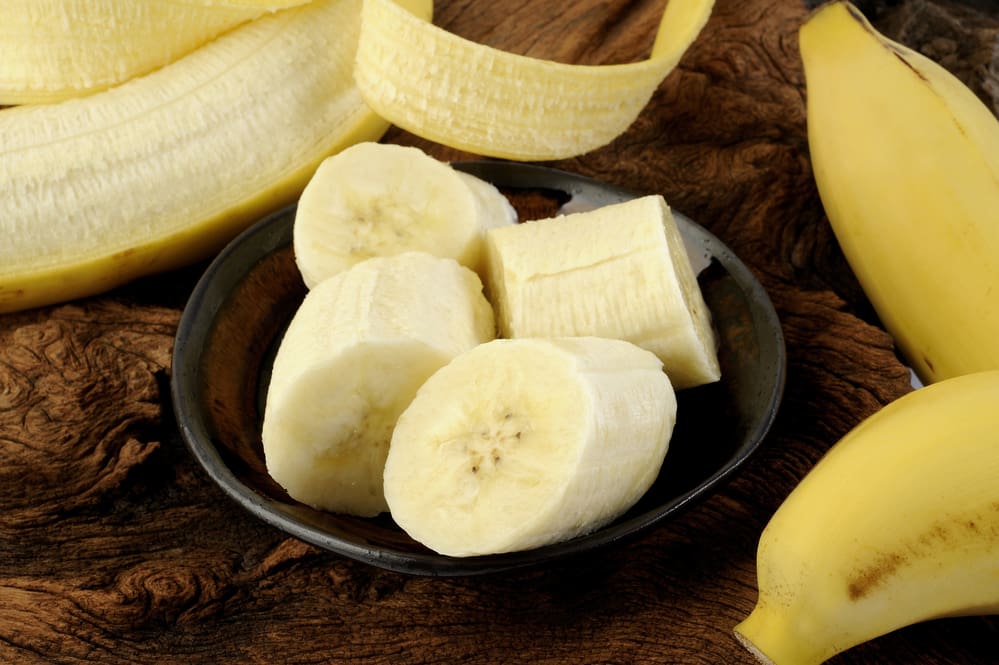
A medium banana contains approximately 27 grams of carbohydrates, primarily in the form of natural sugars and easily digestible starch.
Why Bananas Work for Runners
Bananas provide quick energy because they contain glucose, fructose, and sucrose. These sugars enter the bloodstream at slightly different rates, providing both immediate and sustained energy during exercise.
Bananas also contain potassium, an electrolyte that supports muscle contraction and nerve signaling. During prolonged exercise, potassium levels can decline through sweat loss.
Research comparing bananas with commercial sports drinks found that bananas were equally effective in supporting endurance performance and recovery markers.
Bananas also contain small amounts of vitamin B6, which plays a role in energy metabolism.
Why Add Peanut Butter
Peanut butter provides a small amount of fat and protein that slows digestion slightly and helps maintain steady energy levels during longer runs.
Just one tablespoon adds about four grams of protein and eight grams of fat, which can improve satiety without making the snack too heavy.
For runners training longer than 60 minutes, this combination offers a balanced energy source that is still easy to digest.
Ideal Timing
Eat this snack about 45 to 60 minutes before running.
2. Oatmeal With Honey
Oatmeal is a classic endurance athlete breakfast. It provides complex carbohydrates that gradually release glucose into the bloodstream.
One serving of oats contains approximately 27 grams of carbohydrates and about four grams of fiber.

Slow Release Energy
The carbohydrates in oats digest more slowly than simple sugars, which helps sustain energy levels over longer training sessions.
Oats also contain beta glucan, a soluble fiber that can help stabilize blood glucose levels.
Stable glucose levels reduce the likelihood of energy crashes during a run.
Why Add Honey
Honey is composed primarily of glucose and fructose, which makes it a fast acting carbohydrate source.
Adding honey to oatmeal increases the total carbohydrate content while also providing quick energy that becomes available early in the run.
Studies examining honey as a carbohydrate source show that it supports endurance performance similarly to other carbohydrate gels and drinks.
Ideal Timing
Eat oatmeal one to two hours before running to allow time for digestion.
3. Greek Yogurt With Fruit
Greek yogurt with fruit provides a mix of carbohydrates and protein that supports sustained energy.
While carbohydrates remain the primary fuel for running, a small amount of protein before exercise can support muscle repair and recovery.
Carbohydrates for Immediate Energy
Fruit such as berries, bananas, or mango provides simple carbohydrates that digest quickly.
These sugars increase blood glucose levels and provide readily available energy.
Protein for Muscle Support
Greek yogurt contains significantly more protein than regular yogurt, typically about 15 to 20 grams per serving.
Protein consumed before exercise may help reduce muscle breakdown during prolonged training sessions.
Protein also contributes to satiety and can help stabilize blood sugar levels.
Gut Friendly Benefits
Fermented dairy products like yogurt contain probiotics that support gut health.
A healthy gut microbiome has been associated with improved metabolic efficiency and nutrient absorption.
Ideal Timing
Eat Greek yogurt with fruit about 60 to 90 minutes before running.
4. Toast With Jam
Toast with jam is one of the simplest and most effective pre run snacks.
It provides easily digestible carbohydrates with minimal fat and fiber.
Fast Digesting Carbohydrates
White bread contains refined carbohydrates that digest quickly and raise blood glucose levels rapidly.
While refined carbohydrates are often discouraged in everyday nutrition, they can be beneficial immediately before exercise because they provide fast energy.
Jam adds additional simple sugars that further increase carbohydrate availability.
Why This Works Before Running
High glycemic carbohydrates increase blood glucose levels quickly, which can enhance carbohydrate availability during exercise.
Studies have shown that consuming high glycemic carbohydrates before endurance exercise can improve performance and increase carbohydrate oxidation rates.
This combination is also extremely easy on the stomach.
Ideal Timing
Eat toast with jam about 30 to 60 minutes before running.
5. Homemade Energy Balls
Energy balls are a convenient snack made from ingredients like oats, dates, nut butter, and honey.
They are popular among runners because they combine multiple carbohydrate sources with small amounts of fat and protein.
Natural Carbohydrate Sources
Dates are rich in natural sugars and provide rapid energy.

Oats contribute complex carbohydrates that digest more slowly.
Together, these ingredients provide both quick and sustained energy.
Added Micronutrients
Energy balls often include ingredients like chia seeds, nuts, or cocoa powder, which provide magnesium, iron, and antioxidants.
Magnesium supports muscle contraction and energy production.
Iron plays a key role in oxygen transport through hemoglobin.
Customizable Nutrition
Runners can adjust recipes depending on their energy needs and digestion preferences.
Common ingredients include:
• Rolled oats
• Dates
• Peanut butter
• Honey
• Chia seeds
• Cocoa powder
This flexibility allows athletes to tailor carbohydrate intake before different workouts.
Ideal Timing
Eat one or two energy balls about 45 to 60 minutes before running.
Common Pre Run Nutrition Mistakes
Eating Too Close to Exercise
Large meals eaten immediately before running can cause gastrointestinal discomfort. The body diverts blood flow away from digestion during exercise, which can slow digestion and lead to nausea or cramps.
Choosing High Fat Foods
High fat foods slow gastric emptying and delay carbohydrate availability. While fats are important for overall nutrition, they are not ideal immediately before a run.
Too Much Fiber
High fiber foods can increase gastrointestinal distress during running. Foods like large salads, beans, or high fiber cereals are better consumed several hours before exercise.
Skipping Fuel Altogether
Some runners skip pre workout nutrition in an attempt to burn more fat. However, low carbohydrate availability can impair training quality and reduce overall performance.
Training sessions should prioritize performance and adaptation rather than calorie restriction.
Hydration Also Matters
Hydration works together with carbohydrate availability to support performance.
Even mild dehydration can impair endurance performance, increase perceived effort, and raise heart rate during exercise.
Runners should drink water throughout the day and consider consuming about 400 to 600 milliliters of fluid two hours before exercise.
For longer runs or hot environments, electrolyte intake may also be beneficial.
Putting It All Together
Pre run snacks do not need to be complicated. The best options are simple foods that provide easily digestible carbohydrates and a small amount of protein or fat when appropriate.
Bananas, oatmeal, yogurt with fruit, toast with jam, and homemade energy balls all provide effective energy sources for runners.
The key factors to consider include timing, portion size, and individual tolerance.
Testing different snacks during training helps runners determine which foods provide the best energy without causing digestive discomfort.
Consistent fueling supports stronger workouts, improved endurance, and better overall training adaptations.
Conclusion
Running performance is strongly influenced by energy availability. Carbohydrates provide the primary fuel source for moderate to high intensity running, and consuming them before exercise can significantly improve endurance and delay fatigue.
Choosing the right pre run snack helps maintain blood glucose levels, preserve glycogen stores, and support sustained performance throughout a workout.
Bananas with peanut butter, oatmeal with honey, Greek yogurt with fruit, toast with jam, and homemade energy balls all provide practical and science supported options.
By focusing on carbohydrate rich, easily digestible foods consumed at the right time, runners can improve training quality and maintain consistent energy levels.
Smart fueling before workouts helps transform training sessions from sluggish efforts into powerful and productive runs.
References
• Achten, J., Jeukendrup, A. (2004). Optimizing fat oxidation through exercise and diet. Nutrition.
• Burke, L., Hawley, J., Wong, S., Jeukendrup, A. (2011). Carbohydrates for training and competition. Journal of Sports Sciences.
• Cermak, N., van Loon, L. (2013). The use of carbohydrates during exercise as an ergogenic aid. Sports Medicine.
• Jeukendrup, A. (2014). A step towards personalized sports nutrition. Sports Medicine.
• Nieman, D., Gillitt, N., Henson, D. (2012). Bananas as an energy source during exercise. PLoS One.
• Stellingwerff, T., Cox, G. (2014). Systematic review of carbohydrate supplementation on endurance performance. Sports Medicine.
• Thomas, D., Erdman, K., Burke, L. (2016). Position of the Academy of Nutrition and Dietetics on nutrition and athletic performance. Journal of the Academy of Nutrition and Dietetics.
• Walsh, N. (2019). Nutrition and athlete immune health. Journal of Sports Sciences.