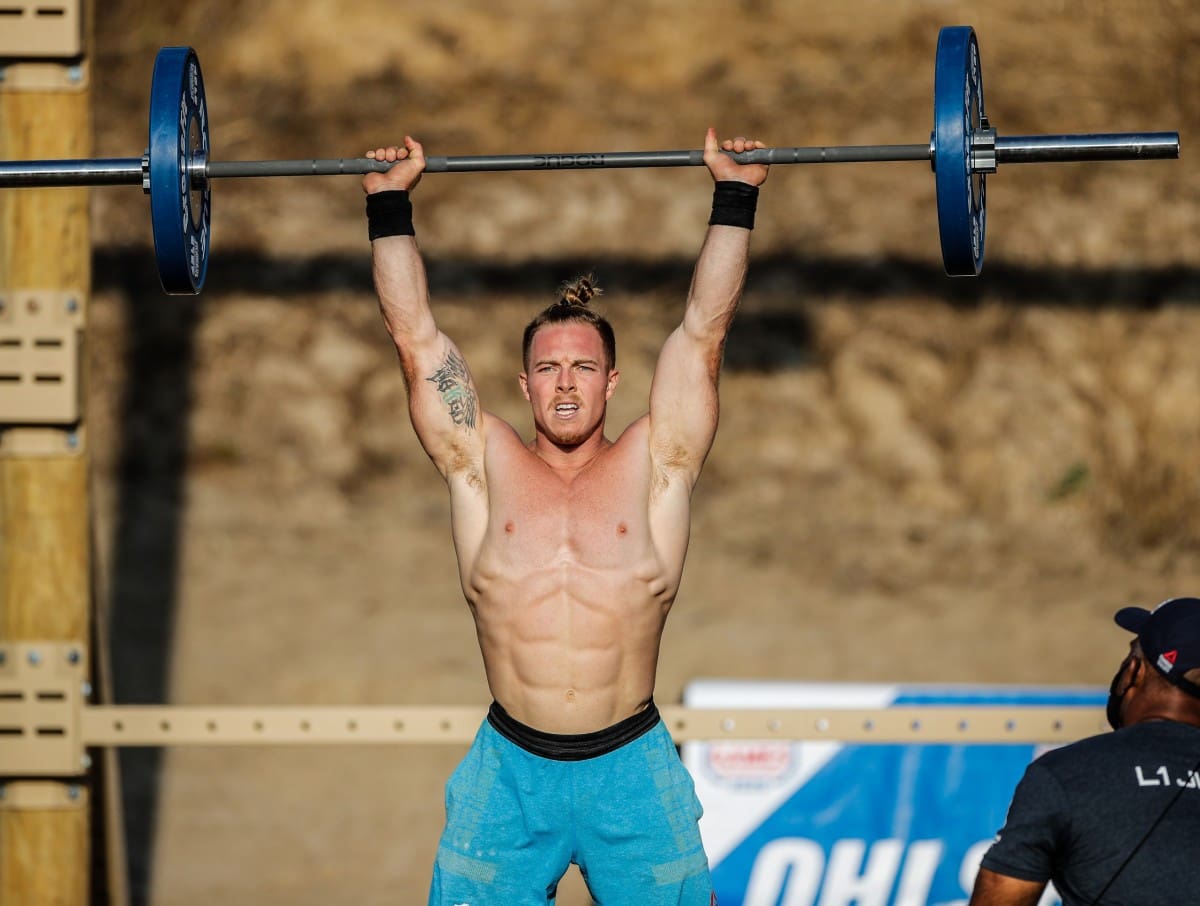


Healthy aging is no longer defined simply by living longer. The modern focus is on extending healthspan, which means maintaining strength, mobility, cardiovascular health, and cognitive function throughout life. Physical activity plays a central role in this process, but the type of training matters.
Traditional exercise approaches often emphasize a single focus. Some people rely heavily on endurance exercise such as running or cycling. Others prioritize strength training alone. While each method offers clear benefits, emerging evidence suggests that combining multiple exercise modalities may provide superior protection against many aspects of age related decline.


Hybrid training, which integrates both strength training and cardiovascular conditioning within a structured program, has gained attention as a powerful approach for maintaining physical capacity across the lifespan. Instead of choosing between lifting weights and improving aerobic fitness, hybrid training develops both systems simultaneously.
Research across fields including exercise physiology, gerontology, and preventive medicine consistently shows that maintaining muscle mass, cardiovascular fitness, metabolic health, and neuromuscular function are all essential for aging well. Hybrid training targets all of these systems at once.

This article explores three science supported reasons why hybrid training supports healthy aging. We will examine how combining strength and endurance training improves longevity, protects muscle and bone health, and preserves metabolic and cardiovascular function across the lifespan.
What Is Hybrid Training?
Hybrid training refers to a structured approach to fitness that combines strength training with cardiovascular conditioning. This can include resistance exercises, functional movements, endurance work, and sometimes high intensity intervals within the same weekly training plan.
The Core Elements of Hybrid Training
Hybrid training typically includes three primary components.
- Strength training. This includes resistance exercises such as squats, deadlifts, presses, and pulling movements that stimulate muscle growth and maintain bone density.
- Aerobic conditioning. Activities such as running, rowing, cycling, or swimming improve cardiovascular fitness and increase the body’s ability to deliver oxygen to working muscles.
- High intensity work. Short bursts of intense activity stimulate powerful adaptations in both metabolic and cardiovascular systems.
This approach mirrors how humans naturally move. Daily activities rarely require only one physical capacity. Instead they demand strength, endurance, balance, and coordination together.
Why Hybrid Training Matters for Aging
As people age, several physiological changes begin to occur. Muscle mass gradually declines. Aerobic capacity decreases. Bone density drops. Metabolic health becomes more fragile. Balance and coordination can deteriorate. Each of these factors contributes to frailty and loss of independence later in life.
Exercise interventions that address only one system may not fully protect against these changes. Hybrid training offers a broader stimulus that maintains multiple physiological systems simultaneously.
The result is a stronger foundation for healthy aging.
Reason 1: Hybrid Training Preserves Muscle Mass and Strength
Loss of muscle mass is one of the most significant biological changes associated with aging. This process, known as sarcopenia, begins as early as the fourth decade of life and accelerates after age sixty.
Without intervention, adults can lose three to eight percent of muscle mass per decade.
Why Muscle Loss Matters
Muscle is not just important for movement. It also plays a major role in metabolic health, insulin sensitivity, and physical independence. Reduced muscle mass is strongly associated with increased risk of falls, frailty, and mortality in older adults.
Muscle tissue also serves as a key metabolic organ. It helps regulate glucose levels and supports healthy energy metabolism.

Maintaining muscle mass throughout life is therefore one of the most powerful ways to support healthy aging.
Strength Training Is Essential for Preventing Sarcopenia
Resistance training is widely recognized as the most effective strategy for preserving muscle mass and strength as people age. When muscles are exposed to mechanical tension during resistance exercise, several adaptations occur. Muscle protein synthesis increases. Muscle fibers grow larger. Neuromuscular coordination improves. These adaptations help counteract the age related loss of muscle tissue.
Research consistently shows that older adults who engage in regular resistance training can significantly increase muscle mass and strength, even in their seventies and eighties.
Why Hybrid Training Enhances Muscle Maintenance
Some people worry that combining endurance training with strength training may interfere with muscle development. This concern stems from early research suggesting that endurance exercise might reduce strength gains when both forms of training are performed together.
However, more recent studies show that hybrid training can effectively maintain or increase muscle mass when programs are properly structured. In fact, combining resistance training with moderate amounts of endurance exercise can produce complementary adaptations.
Strength training preserves muscle mass and improves force production. Endurance training increases mitochondrial density and improves the muscle’s ability to produce energy. Together these adaptations create stronger and more resilient muscle tissue.
Hybrid training therefore supports both muscular strength and muscular endurance, which are critical for daily functioning as people age.
Functional Strength for Real Life
One additional benefit of hybrid training is its emphasis on functional movement.
Exercises such as squats, lunges, carries, and pulling movements closely resemble real life activities like standing up from a chair, climbing stairs, or lifting objects. Maintaining the ability to perform these movements is essential for independence later in life. Research shows that older adults who maintain higher levels of muscular strength experience lower rates of disability and improved quality of life.

By combining resistance training with endurance work, hybrid training ensures that muscles remain both strong and capable of sustained activity.
Reason 2: Hybrid Training Protects Cardiovascular and Metabolic Health
Cardiovascular disease remains the leading cause of death worldwide. Risk increases significantly with age due to changes in blood pressure regulation, arterial stiffness, lipid metabolism, and insulin sensitivity.
Exercise is one of the most powerful non pharmacological tools for protecting cardiovascular health. Hybrid training addresses this challenge by combining aerobic conditioning with resistance training.
Aerobic Fitness Is a Powerful Predictor of Longevity
Cardiorespiratory fitness is one of the strongest predictors of mortality in adults. Higher levels of aerobic fitness are associated with significantly lower risk of cardiovascular disease, type two diabetes, and premature death. Regular aerobic exercise improves several key markers of cardiovascular health.
Stroke volume increases, which allows the heart to pump more blood with each beat. Capillary density improves, enhancing oxygen delivery to tissues. Mitochondrial function increases, allowing muscles to generate energy more efficiently.
These changes improve endurance capacity and support long term cardiovascular health.
Strength Training Also Improves Cardiometabolic Health
For many years, aerobic exercise was considered the primary method for improving heart health. However, research now shows that resistance training also provides significant cardiometabolic benefits. Strength training can improve blood pressure, increase insulin sensitivity, and reduce body fat.
It also increases lean muscle mass, which helps regulate glucose metabolism and improves metabolic flexibility. When strength training and aerobic exercise are combined, the benefits are often greater than either method alone.
Hybrid Training Improves Insulin Sensitivity
One of the most important factors in healthy aging is the ability to regulate blood sugar effectively.

Insulin resistance increases with age and is strongly associated with metabolic disorders such as type two diabetes.
Both aerobic exercise and resistance training independently improve insulin sensitivity. Aerobic exercise increases glucose uptake through enhanced mitochondrial function and improved muscle blood flow.
Resistance training increases muscle mass, which creates a larger reservoir for glucose storage. When these two training modes are combined, the body becomes significantly more efficient at managing blood glucose. This reduces the risk of metabolic disease and supports long term health.
Hybrid Training Reduces Chronic Inflammation
Aging is often associated with a state of low grade chronic inflammation. This phenomenon, sometimes called inflammaging, contributes to many age related diseases including cardiovascular disease, metabolic syndrome, and neurodegenerative disorders.

Regular physical activity has been shown to reduce inflammatory markers in the body. Hybrid training appears particularly effective because it stimulates multiple physiological systems. Aerobic exercise improves vascular health and reduces systemic inflammation. Resistance training stimulates muscle derived signaling molecules known as myokines that exert anti inflammatory effects.
Together these adaptations help regulate immune function and reduce the burden of chronic inflammation.
Reason 3: Hybrid Training Supports Brain Health and Longevity
Physical health and brain health are closely connected.
As people age, maintaining cognitive function becomes a critical component of overall well being. Memory decline, slower processing speed, and increased risk of neurodegenerative diseases are common concerns.
Exercise has emerged as one of the most powerful lifestyle interventions for protecting brain function across the lifespan.
Hybrid training may provide unique advantages because it stimulates both cardiovascular and neuromuscular systems.
Exercise Promotes Brain Plasticity
One of the key mechanisms linking exercise to brain health is the production of brain derived neurotrophic factor. This molecule supports the growth and survival of neurons and plays a critical role in learning and memory. Both aerobic exercise and resistance training increase levels of brain derived neurotrophic factor.
Higher levels of this molecule are associated with improved cognitive performance and reduced risk of neurodegenerative disease. Hybrid training provides a combined stimulus that may enhance these neuroprotective effects.
Improved Blood Flow to the Brain
- Cardiovascular exercise increases blood flow throughout the body, including the brain.
- Greater cerebral blood flow improves oxygen and nutrient delivery to brain tissue.
- This supports neuronal health and may reduce the risk of age related cognitive decline.
- Regular aerobic exercise has been associated with increased hippocampal volume, a region of the brain involved in memory formation.
- Maintaining this brain structure is important for preserving cognitive function later in life.
Strength Training Enhances Cognitive Function
While aerobic exercise has long been associated with brain health, resistance training has recently gained attention for its cognitive benefits.
- Studies show that strength training can improve executive function, working memory, and processing speed in older adults.
- The mechanisms may include improved insulin sensitivity, reduced inflammation, and increased production of neuroprotective growth factors.
- Hybrid training integrates both forms of exercise, potentially amplifying these cognitive benefits.
Physical Fitness and Longevity
- Higher levels of physical fitness are consistently associated with longer life expectancy.
- Both muscular strength and cardiorespiratory fitness independently predict lower risk of mortality.
- Individuals who maintain both high strength and high aerobic fitness tend to experience the lowest risk of premature death.
- Hybrid training directly targets both of these fitness domains.
- By maintaining strength, endurance, metabolic health, and cognitive function, this approach creates a comprehensive defense against age related decline.
Practical Principles for Hybrid Training Across the Lifespan
While the benefits of hybrid training are clear, the approach should be adapted to individual goals, fitness levels, and recovery capacity.
Balance Strength and Endurance
- A well designed hybrid program includes both resistance training and cardiovascular conditioning throughout the week.
- For many adults, two to four strength training sessions combined with two to three aerobic sessions can provide a balanced stimulus.
- This structure supports both muscular development and cardiovascular adaptation.
Include Functional Movements
- Compound exercises that involve multiple joints and muscle groups provide the greatest return on investment.
- Movements such as squats, deadlifts, lunges, rows, presses, and loaded carries train the body in ways that directly translate to real world tasks.
- Maintaining the ability to perform these movements supports independence and mobility with age.
Prioritize Recovery
- Recovery becomes increasingly important with age.
- Adequate sleep, proper nutrition, and appropriate training volume help ensure that exercise promotes adaptation rather than excessive fatigue.
- Hybrid training programs should allow sufficient recovery between intense sessions.
Consistency Is the Most Important Factor
- Long term consistency matters far more than short bursts of extreme training.
- The benefits of hybrid training accumulate gradually over years of regular physical activity.
- Individuals who maintain a balanced exercise routine across decades experience profound improvements in healthspan and quality of life.
The Future of Training for Healthy Aging
As life expectancy increases worldwide, the challenge of maintaining health and independence later in life becomes more important.
Exercise science increasingly supports a comprehensive training approach that develops multiple physical capacities simultaneously.
Hybrid training reflects this philosophy. By combining strength training and cardiovascular conditioning, it addresses many of the key physiological systems that influence healthy aging. The result is a training strategy that supports muscle mass, metabolic health, cardiovascular function, and cognitive performance.

Rather than specializing in a single mode of exercise, individuals who adopt hybrid training can build a more resilient body capable of meeting the demands of life at every age.
Conclusion
Healthy aging requires more than simply staying active. It requires maintaining strength, endurance, metabolic health, and brain function over the long term.
Hybrid training provides a powerful solution by combining resistance training with cardiovascular exercise.
This approach preserves muscle mass, improves cardiometabolic health, and supports cognitive function.
Scientific evidence increasingly shows that individuals who maintain both muscular strength and aerobic fitness experience lower risk of chronic disease, improved functional capacity, and longer life expectancy.
For anyone seeking a sustainable path toward lifelong health and vitality, hybrid training offers one of the most effective and evidence supported strategies available.
References
• Ahlskog, J.E., Geda, Y.E., Graff Radford, N.R. and Petersen, R.C., 2011. Physical exercise as a preventive or disease modifying treatment of dementia and brain aging. Mayo Clinic Proceedings.
• Cadore, E.L. and Izquierdo, M., 2013. How to simultaneously optimize muscle strength, power, functional capacity, and cardiovascular gains in the elderly. Age.
• Garber, C.E. et al., 2011. Quantity and quality of exercise for developing and maintaining cardiorespiratory, musculoskeletal, and neuromotor fitness in apparently healthy adults. Medicine and Science in Sports and Exercise.
• Kirk-Sanchez, N.J. and McGough, E.L., 2014. Physical exercise and cognitive performance in the elderly. Clinical Interventions in Aging.
• Peterson, M.D., Sen, A. and Gordon, P.M., 2011. Influence of resistance exercise on lean body mass in aging adults. Medicine and Science in Sports and Exercise.
• Roberts, C.K., Little, J.P. and Thyfault, J.P., 2013. Modification of insulin sensitivity and glycemic control by activity and exercise. Medicine and Science in Sports and Exercise.
• Ruiz, J.R., Sui, X., Lobelo, F. et al., 2008. Association between muscular strength and mortality in men. British Medical Journal.
• Seals, D.R., Justice, J.N. and LaRocca, T.J., 2016. Physiological geroscience and the role of exercise in healthy aging. Journal of Applied Physiology.
• Westcott, W.L., 2012. Resistance training is medicine. Current Sports Medicine Reports.
• Zhao, R., Zhao, M. and Xu, Z., 2015. The effects of differing resistance training modes on the preservation of bone mineral density in postmenopausal women. Osteoporosis International.