

Becoming a new dad changes everything. Sleep is unpredictable, time is limited, and your priorities shift fast. Training often feels like one more thing on an already full plate. The good news is that you do not need long gym sessions or perfect conditions to stay fit. Science shows that short, focused, and consistent training can deliver meaningful results, even with limited time and energy.
This guide gives you ten practical and evidence based tips to help you train effectively at home. Each tip is grounded in research and designed to fit into real life with a newborn.


Why Training Matters More Than Ever
Fatherhood places new physical and mental demands on your body. Carrying your baby, interrupted sleep, and increased stress all take a toll. Regular exercise can improve energy, mood, strength, and resilience.
Research consistently shows that exercise reduces symptoms of stress and depression, improves sleep quality, and enhances cognitive function. For new dads, this is not just about fitness. It is about being more present, capable, and healthy for your family.
Tip 1: Keep Sessions Short and Focused
Less Time, More Intensity
You do not need an hour to train effectively. Studies show that short sessions of moderate to high intensity exercise can produce similar benefits to longer workouts.
High intensity interval training, or HIIT, is especially effective. Even sessions as short as ten to twenty minutes can improve cardiovascular fitness, insulin sensitivity, and body composition.
How to Apply It
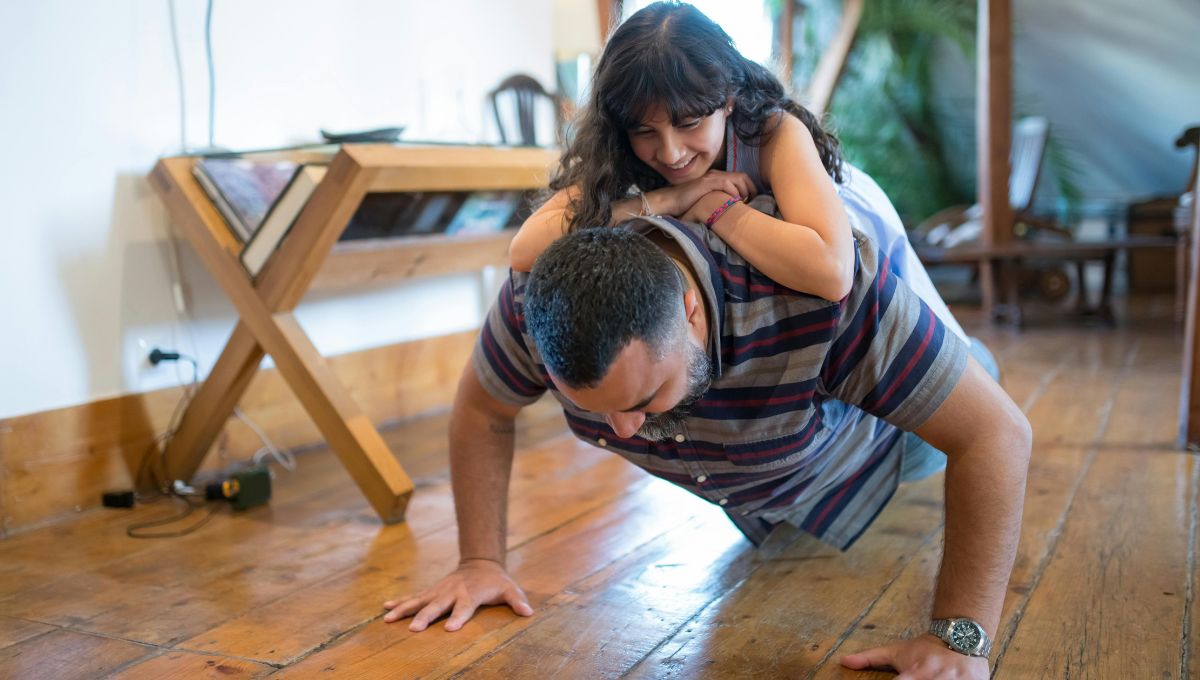
Aim for 15 to 25 minute sessions. Focus on compound movements such as squats, push ups, lunges, and rows. Keep rest periods short and stay focused. Short sessions are easier to commit to and easier to recover from when sleep is limited.
Tip 2: Prioritize Consistency Over Perfection
The Habit Matters More Than the Plan
Consistency is the strongest predictor of long term results. Research shows that adherence to a program matters more than the specific type of program. Missing workouts because you cannot do a perfect session is a common mistake. Small, regular efforts add up over time.
How to Apply It
Train three to five times per week, even if sessions are short. If your baby disrupts your schedule, adapt instead of skipping. A ten minute workout is always better than no workout.
Tip 3: Use Compound Movements
Train More in Less Time
Compound exercises work multiple muscle groups at once. This increases efficiency and improves strength and coordination. Research shows that multi joint exercises produce greater hormonal responses and functional strength compared to isolation exercises.
How to Apply It
Focus on movements like squats, deadlifts, push ups, pull ups, and lunges. These exercises mimic real life movements such as lifting and carrying your child.
This approach saves time and delivers better overall results.
Tip 4: Embrace Bodyweight Training
No Equipment, No Problem
Bodyweight training is highly effective for building strength and endurance. Studies show that bodyweight exercises can produce comparable strength gains to traditional resistance training when performed with sufficient intensity.

How to Apply It
Build your sessions around push ups, squats, planks, glute bridges, and step ups. Adjust difficulty by changing tempo, range of motion, or adding pauses. This makes training accessible at any time, even during short windows when your baby is asleep.
Tip 5: Train Around Your Energy Levels
Sleep Deprivation Is Real
New dads often experience fragmented sleep. Lack of sleep affects strength, reaction time, and motivation. Research shows that sleep deprivation reduces physical performance and increases perceived effort.
How to Apply It
Adjust intensity based on how you feel. On low energy days, focus on mobility or light strength work. On better days, push harder. Listening to your body reduces injury risk and improves long term consistency.
Tip 6: Focus on Strength First
Strength Supports Everything
Strength training improves muscle mass, metabolism, and functional ability. It also helps prevent injuries, which is crucial when you are lifting and carrying a growing child. Research shows that resistance training improves metabolic health and reduces risk of chronic disease.
How to Apply It
Include at least two to three strength focused sessions per week. Use controlled movements and proper form. Strong muscles make daily parenting tasks easier and safer.
Tip 7: Include Mobility and Core Work
Prevent Pain and Improve Movement
Holding your baby, feeding, and carrying gear can lead to poor posture and tight muscles. Research shows that mobility and core training improve movement quality and reduce risk of lower back pain.
How to Apply It
Spend five to ten minutes on mobility work daily. Focus on hips, shoulders, and thoracic spine. Add core exercises such as planks, dead bugs, and bird dogs to improve stability.
Tip 8: Use Micro Workouts Throughout the Day
Small Bouts Add Up
Exercise does not need to happen in one block. Research shows that accumulating physical activity in short bouts throughout the day can improve health markers.
How to Apply It
Do a few sets of push ups during breaks. Perform squats while holding your baby. Use small windows of time effectively. These micro sessions reduce the pressure of finding a large block of time.
Tip 9: Manage Stress Through Movement
Exercise as Mental Reset
New parenthood brings emotional and psychological challenges. Exercise is a proven way to reduce stress and improve mood. Research shows that physical activity increases endorphins and reduces cortisol levels.
How to Apply It
Treat training as a mental break, not just physical work. Even a short session can improve your mood and energy. This helps you show up better for your family.
Tip 10: Set Realistic Goals
Progress, Not Perfection
Your life has changed, so your expectations should too. Unrealistic goals lead to frustration and inconsistency. Research shows that achievable goals improve motivation and adherence.
How to Apply It
Focus on maintaining fitness, improving energy, and building sustainable habits. Track simple metrics like number of sessions completed or how you feel. Celebrate small wins.
Sample Weekly Plan for New Dads
To make this practical, here is a simple structure you can follow:
Day 1: Full body strength
Day 2: Mobility and core
Day 3: Short HIIT session
Day 4: Rest or light movement
Day 5: Full body strength
Day 6: Optional micro workouts
Day 7: Rest
Each session can be 15 to 25 minutes.
Common Challenges and How to Overcome Them
Lack of Time
Use short sessions and micro workouts. Plan ahead and keep equipment minimal.
Low Motivation
Focus on how training makes you feel, not just physical results.
Interrupted Workouts
Accept interruptions as part of the process. Resume when possible.
Final Thoughts
Training as a new dad is not about perfection. It is about adaptability, consistency, and smart choices. Science supports the idea that even small amounts of well structured exercise can deliver real benefits.
You do not need a perfect schedule or a fully equipped gym. You need a plan that fits your life, supports your energy, and helps you stay strong for the demands of fatherhood.
Stick with it, keep it simple, and focus on what you can do today.
References
- American College of Sports Medicine, 2018. ACSM’s Guidelines for Exercise Testing and Prescription. Medicine and Science in Sports and Exercise.
- Biddle, S.J.H. and Asare, M., 2011. Physical activity and mental health in children and adolescents. British Journal of Sports Medicine.
- Gibala, M.J. et al., 2012. Physiological adaptations to low volume high intensity interval training. Journal of Physiology.
- Grgic, J. et al., 2018. Effects of resistance training on muscle strength and hypertrophy. Sports Medicine.
- Kredlow, M.A. et al., 2015. The effects of physical activity on sleep. Journal of Behavioral Medicine.
- Kraemer, W.J. and Ratamess, N.A., 2004. Hormonal responses and adaptations to resistance exercise. Sports Medicine.
- Schoenfeld, B.J., 2010. The mechanisms of muscle hypertrophy. Journal of Strength and Conditioning Research.
- Shariat, A. et al., 2018. Effects of stretching on musculoskeletal pain. Journal of Bodywork and Movement Therapies.
- Warburton, D.E.R. and Bredin, S.S.D., 2017. Health benefits of physical activity. Current Opinion in Cardiology.
- Youngstedt, S.D., 2005. Effects of exercise on sleep. Clinical Sports Medicine.