The bar muscle up is one of the most iconic and frustrating skills in functional fitness. It looks simple from the outside. Pull up hard, get over the bar, press out. Yet for many athletes, progress stalls for months or even years. The reason is not just strength. It is not just technique. It is the transition.
The transition is the moment where the athlete moves from pulling below the bar to pressing above it. This is where most failures happen. Understanding why requires looking at biomechanics, neuromuscular coordination, strength profiles, and skill acquisition science.


This article breaks down the transition problem using evidence from sports science, motor learning, and strength research. The goal is to explain clearly why athletes fail and what needs to change for success.
What the Bar Muscle Up Really Is
The bar muscle up is not just a pull up plus a dip. It is a coordinated movement that requires force production, timing, and body control across multiple planes.
A Complex Motor Skill
From a motor learning perspective, the bar muscle up is a complex skill. It combines elements of:
- Vertical pulling
- Horizontal pulling
- Shoulder extension and flexion
- Core stabilization
- Dynamic coordination
Research in motor control shows that complex skills require precise timing between muscle groups and joints. The central nervous system must coordinate these actions efficiently to produce a smooth movement pattern. This is why athletes who are strong enough on paper still fail. Strength alone does not guarantee coordination.
The Phases of the Movement
The bar muscle up can be divided into three phases:
- The pull phase
- The transition phase
- The press phase
Most athletes focus on the pull and press. The transition is often ignored, even though it is the most technically demanding part.
Why the Transition Is the Bottleneck
The transition is biomechanically awkward. It requires the athlete to redirect force while changing body position around the bar.
Changing Direction of Force
During the pull phase, force is directed vertically. The athlete pulls their body upward. During the transition, the direction of force must shift. The athlete must pull the bar toward the hips and then move the chest over the bar. This requires a combination of vertical and horizontal force.
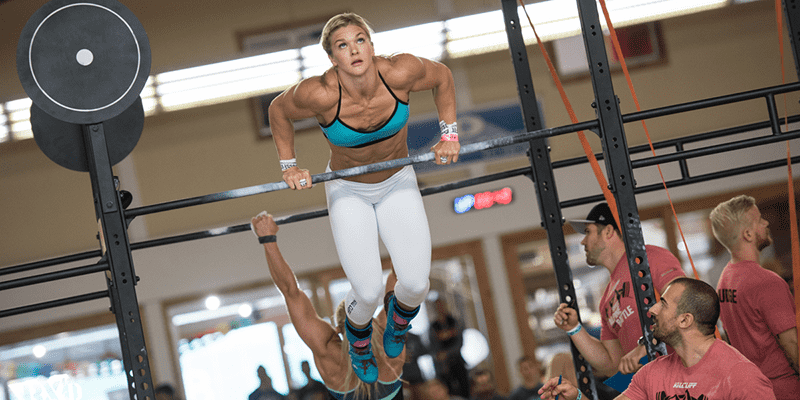
Research on movement efficiency shows that changes in force direction increase coordination demands and energy cost. Athletes who cannot smoothly redirect force lose momentum and stall below the bar.
Shoulder Mechanics and Range of Motion
The transition demands extreme shoulder positioning. The athlete moves from shoulder extension into rapid shoulder flexion and internal rotation.
Limited shoulder mobility can prevent this transition. Studies on overhead athletes show that restrictions in shoulder range of motion reduce performance and increase compensations. If the shoulders cannot move freely, the athlete will struggle to rotate around the bar.
The Moment Arm Problem
At the transition, the body is far from the bar. This increases the moment arm and makes the movement mechanically harder.
In simple terms, the farther your body is from the bar, the more torque is required to move it. Research in biomechanics shows that longer moment arms increase force demands on muscles. Athletes who pull straight up without keeping the bar close create a large moment arm. This makes the transition nearly impossible.
Strength Is Necessary but Not Sufficient
Many athletes believe they just need more pull ups. While strength matters, it is only one piece of the puzzle.
Vertical Pulling Strength
Strong pull ups are essential. Studies show that relative strength is a key predictor of success in gymnastic movements. However, most failed athletes can already perform multiple strict pull ups. The issue is not basic pulling strength.
Lack of Horizontal Pulling Strength
The transition requires horizontal pulling strength. This is similar to a row, not a pull up. Electromyography studies show that different pulling angles activate muscles differently. Horizontal pulling emphasizes the mid back and posterior shoulder more than vertical pulling. Athletes who only train vertical pulling lack the strength needed for the transition.
Triceps and Pressing Strength
The final phase requires strong triceps and shoulder pressing ability. However, most athletes fail before reaching this phase. This confirms that the transition is the main limitation, not the press.
The Role of Technique
Technique determines how efficiently force is applied. Small technical errors can completely block progress.
Bar Path Matters
Elite athletes keep the bar close to the body. This reduces the moment arm and makes the transition easier. Novice athletes often pull straight up, allowing the bar to drift away. This increases mechanical difficulty. Biomechanical studies show that minimizing distance between load and center of mass improves efficiency.
Timing and Coordination
The transition requires precise timing. The athlete must begin the turnover at the right moment. If the athlete pulls too long, they lose momentum. If they transition too early, they lack height. Motor learning research shows that timing errors are a common cause of failure in complex skills.
False Grip and Wrist Mechanics
While more common on rings, wrist positioning also matters on the bar. Proper wrist flexion can reduce the distance needed to transition. Studies on grip mechanics show that wrist positioning affects force transfer and joint stability.
The Role of Power and Speed
The bar muscle up is not a slow strength movement. It requires explosive power.
Rate of Force Development
Rate of force development refers to how quickly force can be produced. Research shows that explosive movements depend heavily on rapid force production, not just maximal strength. Athletes who can perform slow strict pull ups may still lack the speed needed to reach the transition height.
Momentum and Kipping
Kipping introduces momentum, which helps overcome the transition. Biomechanical analysis shows that momentum reduces the force required from muscles. However, poor kipping technique can reduce efficiency and increase energy loss.
Mobility Limitations
Mobility plays a critical role in the transition.
Thoracic Spine Extension
The athlete must extend the thoracic spine to bring the chest over the bar. Limited thoracic mobility restricts this movement and forces compensations. Research shows that thoracic extension is essential for overhead and pulling movements.
Shoulder Flexibility
Adequate shoulder flexibility allows smooth rotation around the bar. Restricted shoulders increase joint stress and reduce movement efficiency.
Neuromuscular Coordination

The transition is a coordination challenge.
Intermuscular Coordination
Different muscle groups must work together in sequence. Studies show that skilled athletes demonstrate better coordination patterns and reduced unnecessary muscle activity.
Skill Acquisition
Learning the bar muscle up follows the principles of motor learning:
- Repetition with feedback
- Progressive difficulty
- Specific practice
Athletes who only attempt full muscle ups without breaking down the skill often fail to improve.
Common Mistakes That Kill the Transition
Understanding common errors helps identify why athletes fail.
Pulling Too Vertically
This prevents the bar from staying close and increases difficulty.
Lack of Hip Engagement
The hips generate momentum. Without them, the athlete relies only on upper body strength.
Early Arm Bend in the Kip
This reduces power transfer and limits height.
Poor Timing
Mistimed transitions result in loss of momentum.
Weak Scapular Control
The scapula plays a key role in stabilizing the shoulder. Poor control reduces force transfer.
How to Fix the Transition Problem
Fixing the transition requires a targeted approach.
Build the Right Strength
Focus on:
- Chest to bar pull ups
- Bar rows and ring rows
- Straight bar dips
- Explosive pull ups
These exercises target the specific strength needed.
Improve Technique
Key cues:
- Keep the bar close
- Pull toward the hips
- Transition aggressively
- Stay tight through the core
Develop Power
Include:
- Plyometric pull ups
- Band assisted explosive work
- Kipping drills
These improve rate of force development.
Address Mobility
Work on:
- Thoracic extension
- Shoulder flexibility
Mobility drills should be consistent and specific.
Use Skill Progressions
Break the movement down:
- Jumping muscle ups
- Banded transitions
- Low bar drills
Progressive learning improves coordination.
The Psychological Factor
Fear and hesitation also play a role.
Fear of Getting Over the Bar
Some athletes hesitate at the transition due to fear. Research shows that fear can alter movement patterns and reduce performance.
Confidence Through Progression
Gradual progress builds confidence and improves execution.
Why Some Athletes Learn Faster
Not all athletes progress at the same rate.
Strength to Body Weight Ratio
Higher relative strength improves success rates.
Movement Background
Athletes with gymnastics or climbing experience often learn faster due to better coordination.
Training Quality
Focused practice leads to faster improvement.
Putting It All Together
The transition problem is not a mystery. It is the result of multiple interacting factors:
- Biomechanics
- Strength
- Coordination
- Technique
- Mobility
Athletes fail when one or more of these are lacking.
The key is not to do more random attempts. The key is to train the right qualities in a structured way.
Final Thoughts
The bar muscle up is a skill that rewards precision and understanding. Most athletes fail not because they are weak, but because they misunderstand the demands of the transition.
By focusing on the science behind the movement, athletes can break through plateaus and achieve consistent success. The transition is not just a phase of the movement. It is the movement.
Key Takeaways
| Concept | Explanation | Practical Fix |
|---|---|---|
| Transition difficulty | Requires change in force direction and coordination | Practice targeted transition drills |
| Strength imbalance | Vertical pulling is not enough | Add horizontal pulling and explosive work |
| Bar path | Bar drifting away increases difficulty | Keep bar close to body |
| Timing | Poor timing reduces momentum | Drill timing with progressions |
| Mobility | Limited shoulder and thoracic mobility restricts movement | Include daily mobility work |
| Power | Slow strength is insufficient | Train explosive pulling |
| Coordination | Complex motor skill | Use progressive skill training |
References
- Behm, D.G. and Sale, D.G., 1993. Intended rather than actual movement velocity determines velocity specific training response. Journal of Applied Physiology, 74(1), pp.359 to 368.
- Cronin, J. and Sleivert, G., 2005. Challenges in understanding the influence of maximal power training on improving athletic performance. Sports Medicine, 35(3), pp.213 to 234.
- Escamilla, R.F. et al., 2009. Shoulder muscle activity and function in common shoulder rehabilitation exercises. Sports Medicine, 39(8), pp.663 to 685.
- Hibbs, A.E. et al., 2008. Optimizing performance by improving core stability and core strength. Sports Medicine, 38(12), pp.995 to 1008.
- Kibler, W.B. et al., 2013. The role of the scapula in athletic shoulder function. American Journal of Sports Medicine, 41(4), pp.1029 to 1038.
- Kraemer, W.J. and Ratamess, N.A., 2004. Fundamentals of resistance training. Medicine and Science in Sports and Exercise, 36(4), pp.674 to 688.
- Latash, M.L., 2008. Neurophysiological basis of movement. Human Kinetics, pp.1 to 320.
- McGill, S.M., 2010. Core training evidence translating to better performance and injury prevention. Strength and Conditioning Journal, 32(3), pp.33 to 46.
- Schoenfeld, B.J., 2010. The mechanisms of muscle hypertrophy and their application to resistance training. Journal of Strength and Conditioning Research, 24(10), pp.2857 to 2872.