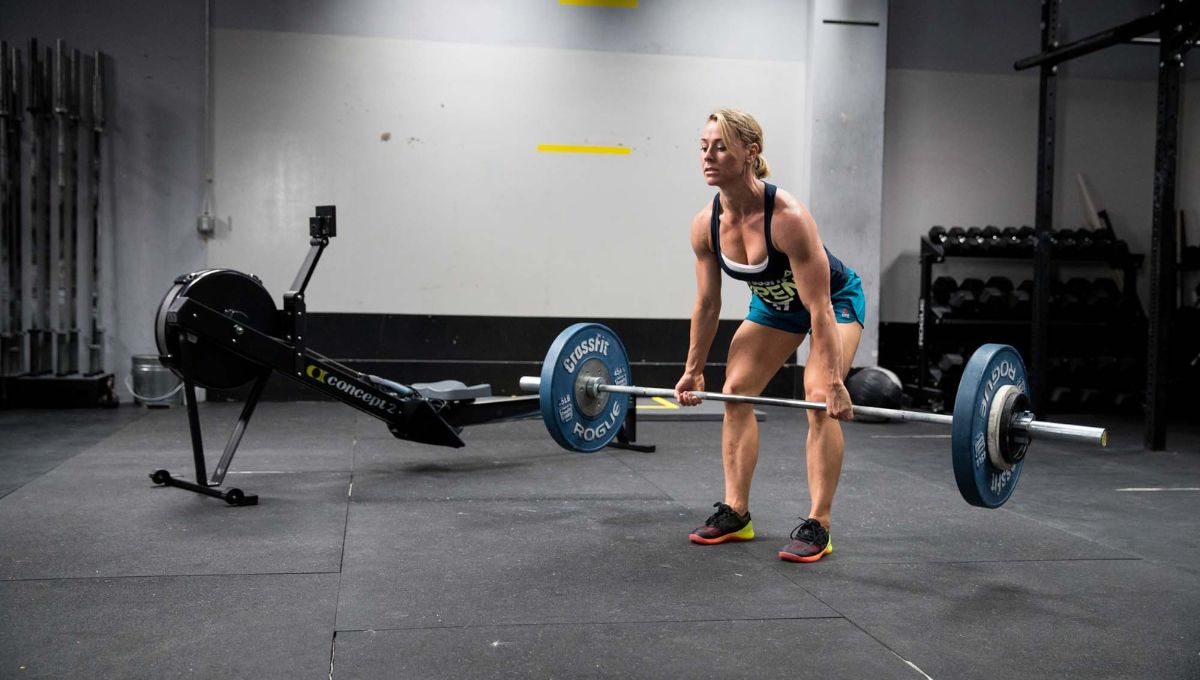


The deadlift is one of the most fundamental strength movements in training. It builds total body power, reinforces proper movement patterns, and carries over to real world performance. Yet many lifters struggle to improve their deadlift despite consistent effort. If your progress has stalled, the issue is rarely a lack of motivation or effort.
The real reasons are usually rooted in biomechanics, neuromuscular coordination, and programming mistakes.


Understanding the Deadlift as a Movement
Before addressing weaknesses, it is important to understand what the deadlift actually demands from the body.
The deadlift is a hip dominant compound lift that requires coordinated force production from multiple muscle groups. The primary contributors include:
- Gluteus maximus for hip extension
- Hamstrings for hip extension and stabilization
- Quadriceps for knee extension
- Erector spinae for spinal stability
- Latissimus dorsi for bar control
- Core musculature for trunk stiffness
From a biomechanical standpoint, the deadlift is about producing maximal force while maintaining spinal integrity and efficient bar path. Studies on electromyography show that successful deadlifting depends heavily on synchronized activation of posterior chain muscles, especially the glutes and hamstrings.

When any part of this chain is underperforming, the lift breaks down. That breakdown often appears as a weak lockout, slow bar speed, or inability to break the bar from the floor.
The Real Reason Your Deadlift is Weak
There is no single universal cause for a weak deadlift. However, research and coaching practice consistently highlight three major factors:
Poor Force Production from the Posterior Chain
The posterior chain is the engine of the deadlift. If your glutes and hamstrings are not producing enough force, the lift will stall. Research shows that glute activation plays a dominant role in hip extension strength, which is critical for both the initial pull and the lockout phase.
Many lifters rely too much on their lower back instead of driving through the hips. This creates inefficient movement patterns and limits total force output.
Inefficient Motor Coordination
Strength is not just about muscle size. It is also about how effectively your nervous system recruits muscle fibers. Studies in strength training show that experienced lifters demonstrate better motor unit recruitment and synchronization compared to novices.
If your technique is inconsistent, your body cannot produce force efficiently. Energy leaks occur when the bar drifts away from your body or when your hips rise too quickly.
Suboptimal Training Structure
Many people train the deadlift either too frequently with poor recovery or not frequently enough to stimulate adaptation. Research on resistance training indicates that both intensity and volume must be carefully managed to improve maximal strength.
Without progressive overload and proper fatigue management, your deadlift will plateau.
Tip 1: Build a Stronger Posterior Chain
Why It Matters
The glutes and hamstrings are responsible for generating the majority of force in the deadlift. Weakness in these muscles leads to compensation patterns such as excessive spinal extension or knee dominance.
Research comparing muscle activation in different lifting patterns shows that stronger glute activation correlates with higher force output and better lifting mechanics.
How to Fix It
You need to train the posterior chain directly and effectively. This means including exercises that target hip extension under load.
Focus on these movements:
- Romanian deadlifts
- Hip thrusts
- Glute bridges
- Good mornings
- Nordic hamstring curls
These exercises emphasize the stretch shortening cycle and eccentric loading of the posterior chain, which are key for strength development.
Programming Guidelines

To maximize adaptation:
- Train posterior chain exercises two to three times per week
- Use moderate to heavy loads with controlled tempo
- Emphasize full range of motion
- Include both bilateral and unilateral variations
Research shows that combining compound and isolation movements leads to greater hypertrophy and strength gains than compound lifts alone.
Common Mistakes
Many lifters perform posterior chain exercises incorrectly. Common errors include:
- Rushing through repetitions without control
- Failing to maintain neutral spine
- Using too much weight at the expense of technique
Correct execution is critical. Without it, you are reinforcing the same weaknesses that limit your deadlift.
Tip 2: Improve Technique and Bar Path Efficiency
Why It Matters
Even small technical inefficiencies can significantly reduce force output. Biomechanical studies show that keeping the bar close to the body reduces the moment arm at the hip and lower back, making the lift more efficient.
Poor technique increases energy expenditure and limits how much weight you can lift.
Key Technical Principles
To optimize your deadlift:
- Keep the bar close to your shins and thighs
- Maintain a neutral spine throughout the lift
- Engage the lats to stabilize the bar
- Drive through the floor with your legs
- Extend the hips fully at the top
Each of these points is supported by biomechanical research showing reduced spinal loading and improved force transfer.
Motor Learning and Practice
Technique is a skill that must be practiced consistently. Research on motor learning suggests that frequent exposure to a movement improves neural efficiency and coordination. Use submaximal loads to refine your form. This allows you to focus on movement quality without excessive fatigue.
Practical Drills
Incorporate the following drills into your training:
- Paused deadlifts to improve control
- Tempo deadlifts to reinforce positioning
- Block pulls to target specific sticking points
These variations help isolate weaknesses and improve overall movement efficiency.
Common Technical Errors
Watch out for these mistakes:
- Hips rising too quickly at the start
- Rounding of the lower back
- Bar drifting away from the body
- Overextending at lockout
Each of these reduces efficiency and increases injury risk.
Tip 3: Optimize Your Training Program
Why It Matters
Strength development requires a balance between stress and recovery. Research shows that both insufficient and excessive training volume can hinder progress.

If your deadlift is weak, your program may not be providing the right stimulus.
Key Training Variables
To improve your deadlift, you need to manage:
- Intensity
- Volume
- Frequency
- Rest periods
Studies indicate that training with loads above seventy percent of one repetition maximum is essential for maximal strength gains.
Recommended Approach
Follow these guidelines:
- Train the deadlift one to two times per week
- Use a mix of heavy and moderate sessions
- Incorporate progressive overload
- Allow adequate recovery between sessions
A common structure might include one heavy day focused on low repetitions and one lighter day focused on technique and volume.
The Role of Fatigue
Fatigue management is critical. Excessive fatigue reduces force production and impairs motor coordination.
Research on neuromuscular fatigue shows that recovery can take up to forty eight hours or more depending on intensity. Ignoring this can lead to stagnation or injury.
Accessory Work
Accessory exercises should support your main lift. Focus on movements that address your weaknesses.
Examples include:
- Core stability exercises such as planks and anti rotation drills
- Upper back work such as rows and pull ups
- Grip training for bar control
Each of these contributes to a stronger and more stable deadlift.
The Science of Strength Adaptation
To fully understand how to fix your deadlift, it helps to look at how strength develops. Strength gains occur through two primary mechanisms:
- Neural adaptations
- Muscular adaptations
Neural adaptations involve improved motor unit recruitment and coordination. These changes occur relatively quickly and are responsible for early strength gains.
Muscular adaptations involve increases in muscle size and structural changes. These take longer but provide the foundation for long term strength. Research shows that both mechanisms are essential for maximal performance. Ignoring either one limits progress.
Recovery and Its Impact on Deadlift Strength
Recovery is often overlooked but plays a crucial role in strength development.
Sleep
Sleep is essential for muscle repair and neural recovery. Studies show that inadequate sleep reduces strength output and increases injury risk. Aim for seven to nine hours of quality sleep per night.
Nutrition
Proper nutrition supports recovery and performance. Key factors include:
- Adequate protein intake to support muscle repair
- Sufficient carbohydrates to fuel training
- Hydration for overall function
Research consistently shows that protein intake around one point six to two point two grams per kilogram of body weight is optimal for strength athletes.
Stress Management
Chronic stress affects hormonal balance and recovery. Elevated cortisol levels can impair muscle growth and reduce performance. Managing stress through lifestyle habits can have a direct impact on your deadlift progress.
Putting It All Together
Improving your deadlift is not about a single trick or shortcut. It requires a systematic approach that addresses the root causes of weakness. To summarize:
- Build a strong posterior chain to increase force production
- Refine your technique to eliminate energy leaks
- Optimize your training program for consistent progress
Each of these elements is supported by scientific research and practical experience. Consistency is the key. Small improvements over time lead to significant gains in strength.
Final Thoughts
A weak deadlift is not a permanent limitation. It is a signal that something in your training or technique needs adjustment. By focusing on the underlying factors rather than quick fixes, you can unlock your full strength potential.
Approach your training with intention, pay attention to the details, and trust the process. Strength is built through smart, consistent effort.
Key Takeaways
| Factor | Problem | Solution |
|---|---|---|
| Posterior Chain | Weak glutes and hamstrings limit force | Train hip dominant exercises consistently |
| Technique | Poor bar path and coordination reduce efficiency | Practice with controlled variations and drills |
| Programming | Lack of structure leads to stagnation | Use progressive overload and manage fatigue |
| Recovery | Inadequate sleep and nutrition impair performance | Prioritize rest and proper fueling |
References
- Aagaard, P. et al. (2002). Increased rate of force development and neural drive after resistance training. Journal of Applied Physiology, 93(4), 1318 to 1326.
- Andersen, L. L. et al. (2006). Neuromuscular activation in conventional deadlift. Journal of Strength and Conditioning Research, 20(4), 882 to 885.
- Bird, S. P., Tarpenning, K. M. and Marino, F. E. (2005). Designing resistance training programmes. Sports Medicine, 35(10), 841 to 851.
- Contreras, B. et al. (2015). Comparison of gluteus maximus activation during hip thrust and squat exercises. Journal of Applied Biomechanics, 31(6), 452 to 458.
- Grgic, J. et al. (2018). Effects of resistance training frequency on measures of muscle hypertrophy. Sports Medicine, 48(5), 1207 to 1220.
- Haff, G. G. and Nimphius, S. (2012). Training principles for power. Strength and Conditioning Journal, 34(6), 2 to 12.
- McGuigan, M. R. et al. (2012). Strength training for athletes. Sports Medicine, 42(8), 673 to 691.