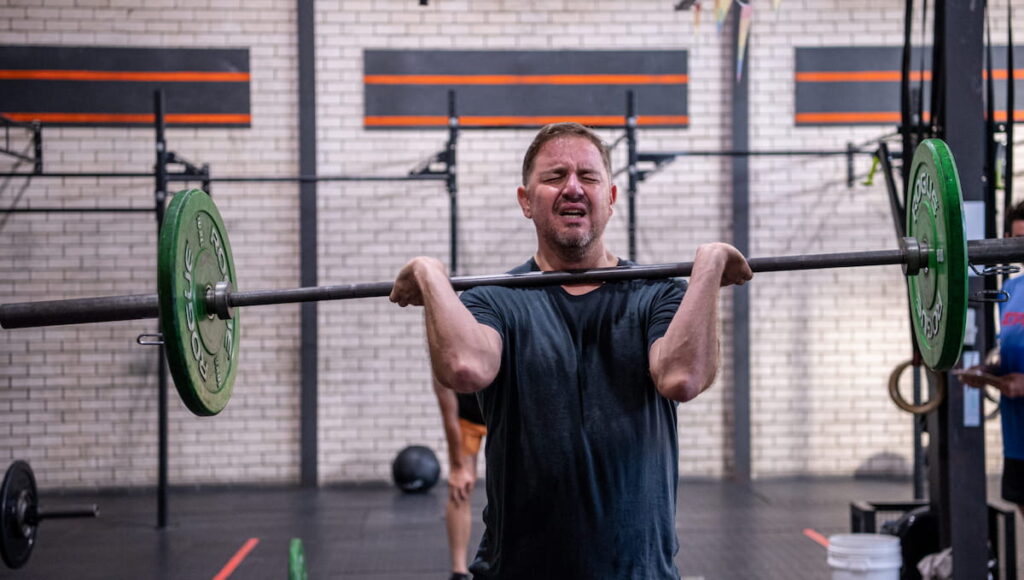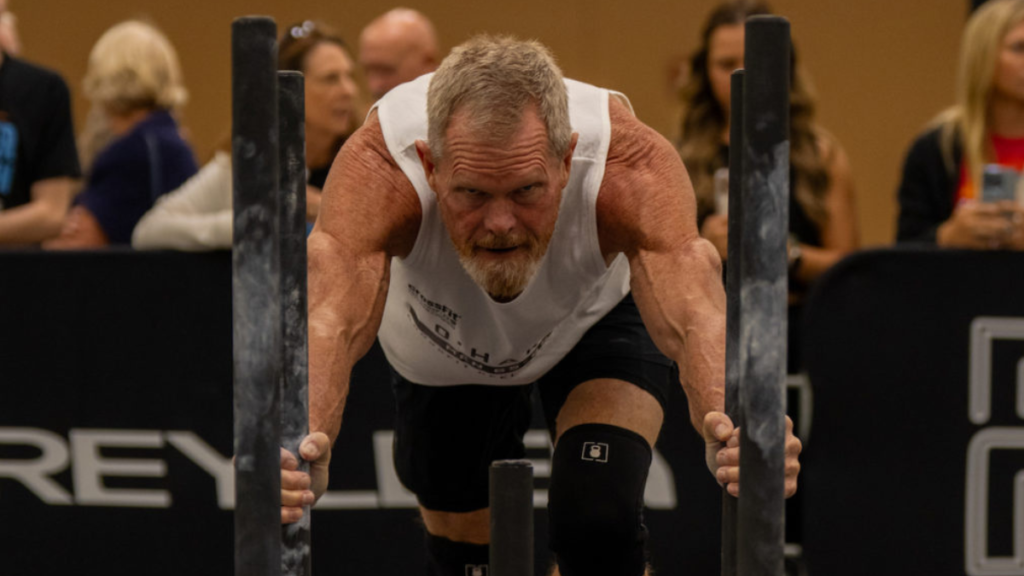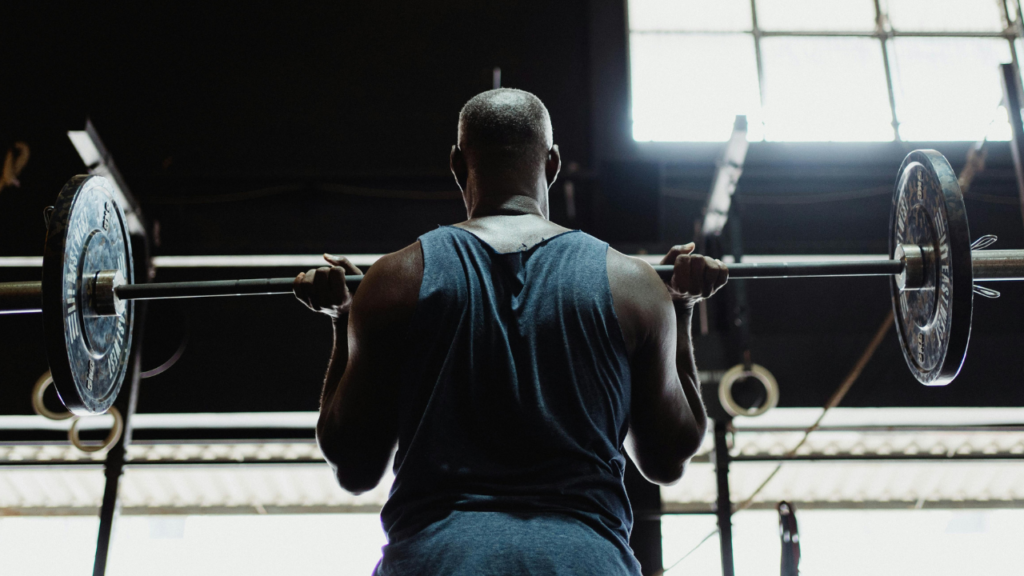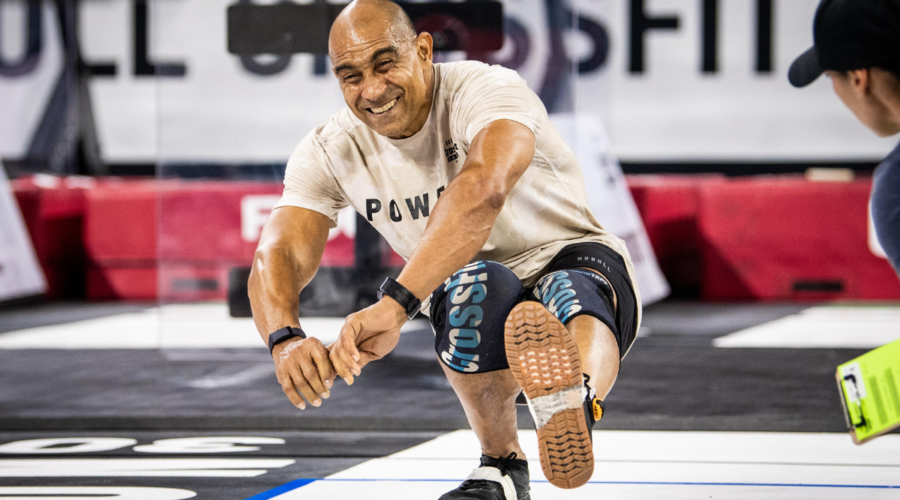


Getting older does not mean getting weaker. In fact, research consistently shows that men over 50 can build significant strength, increase muscle mass, improve bone density, enhance balance, and maintain independence through properly designed resistance training. While aging naturally brings changes such as reduced muscle mass, lower testosterone levels, and slower recovery, strength training remains one of the most powerful tools available to slow or even reverse many of these effects.
After age 30, adults lose approximately 3% to 8% of muscle mass per decade, with the rate accelerating after age 60. This age related decline in muscle mass and strength, known as sarcopenia, is associated with increased risk of falls, metabolic disease, disability, and reduced quality of life. Fortunately, studies repeatedly demonstrate that resistance training can significantly improve muscle size, strength, physical performance, and overall health in older adults. The challenge is choosing the right exercises.


Men over 50 do not need complicated workout routines filled with machine variations or isolation exercises. Instead, they benefit most from movements that train multiple muscle groups, improve functional strength, support joint health, and deliver maximum return on investment.
The following five exercises stand out because they target the largest amount of muscle mass, improve real world performance, and are supported by decades of scientific research. Together, they form a foundation for strength, longevity, and healthy aging.
Why Strength Training Matters More After 50
As men age, several physiological changes occur simultaneously:
• Muscle mass declines
• Strength decreases
• Bone mineral density falls
• Balance and coordination worsen
• Insulin sensitivity often declines
• Recovery capacity changes
These changes can create a cycle of reduced activity and accelerating physical decline. However, resistance training has been shown to counteract nearly every one of these issues. Research demonstrates that strength training improves muscular strength, preserves lean body mass, enhances bone health, improves glucose metabolism, reduces fall risk, and supports cardiovascular health.
Importantly, studies have found that older adults remain highly responsive to resistance training, even into their seventies, eighties, and beyond. The best exercises are those that challenge multiple muscle groups simultaneously while allowing progressive overload over time.
1. The Squat
The squat is arguably the most important strength exercise for men over 50.
Why the Squat Matters
Every day activities such as standing up from a chair, climbing stairs, getting out of a car, and lifting objects from the ground rely on squat mechanics. A strong squat directly improves functional independence and mobility.

Research consistently identifies lower body strength as one of the strongest predictors of healthy aging and reduced disability risk. Since the squat recruits the quadriceps, glutes, hamstrings, core, and lower back, it provides an efficient way to strengthen nearly the entire lower body.
Best Variations for Men Over 50
Not every man needs to perform heavy barbell back squats. Excellent options include:
• Goblet squats
• Safety bar squats
• Front squats
• Box squats
• Bodyweight squats
For individuals with mobility limitations or previous injuries, box squats can be especially valuable because they reduce joint stress while reinforcing proper mechanics.
Key Coaching Points
Keep the chest up and spine neutral. Sit down and back while maintaining control throughout the movement. Focus on full range of motion that feels comfortable and pain free.
2. The Deadlift
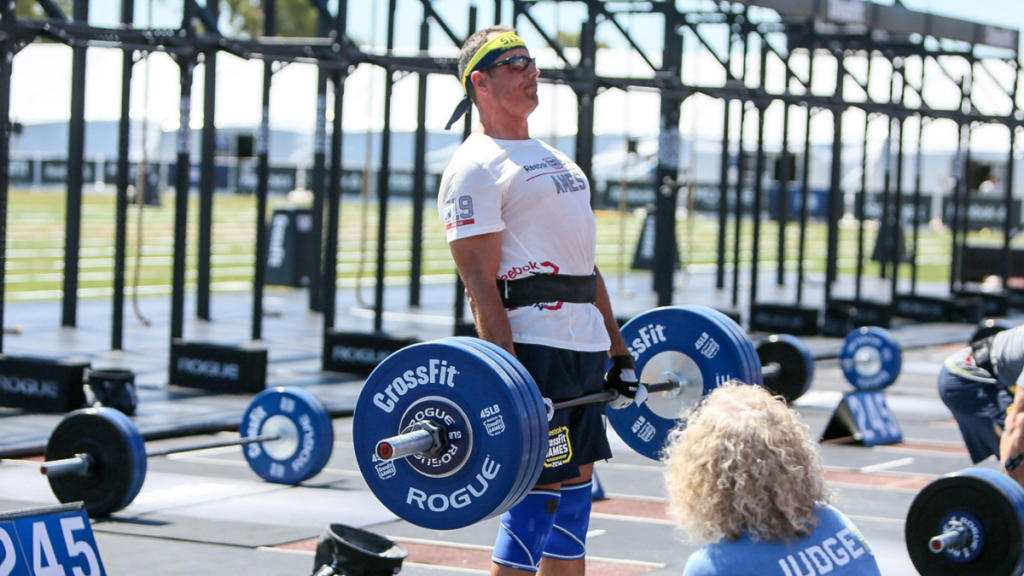
The deadlift is one of the most effective total body strength exercises ever studied.
Why the Deadlift Matters
Many injuries in older adults occur during lifting tasks. Whether moving furniture, carrying groceries, or picking up grandchildren, the ability to safely lift objects from the floor is critical. The deadlift trains this exact skill. It develops strength throughout the posterior chain, including the glutes, hamstrings, spinal erectors, upper back, and grip muscles.
If You Can’t Do These 3 Things, You’re Not Ready for a 100kg Bench Press
Best Variations for Men Over 50
While conventional deadlifts remain effective, many older lifters benefit from modified versions. Recommended options include:
• Trap bar deadlifts
• Romanian deadlifts
• Rack pulls
• Kettlebell deadlifts
The trap bar deadlift deserves special attention. Research suggests it can reduce stress on the lower back while allowing substantial strength development.
Key Coaching Points
Maintain a neutral spine throughout the lift. Drive through the floor with the legs and keep the weight close to the body. Avoid jerking the weight from the ground.
3. The Push Up
The push up is often underestimated because it requires no equipment. That is a mistake. The push up remains one of the best upper body strength exercises available.
Why the Push Up Matters
Push ups strengthen the chest, shoulders, triceps, and core while improving shoulder stability. Unlike many machine exercises, push ups require coordinated movement of multiple muscle groups working together. This creates functional strength that transfers effectively to real world tasks. Because body position must remain stable throughout the movement, push ups also develop trunk strength and postural control.
Scientific Benefits
Research comparing push ups and traditional bench press training has demonstrated surprisingly similar strength and muscle building outcomes when relative loading is matched. Push ups offer additional advantages:
• Minimal equipment
• Joint friendly mechanics
• Improved core activation
• Enhanced shoulder stability
• Easy progression options
For older adults, maintaining upper body pushing strength is important for tasks such as pushing doors, getting up from the floor, and protecting against falls.
Best Variations for Men Over 50
Choose a variation that allows excellent technique. Options include:
• Wall push ups
• Incline push ups
• Standard push ups
• Weighted push ups
• Suspension trainer push ups
Many men over 50 find incline push ups ideal because they reduce joint stress while still providing meaningful resistance.
Key Coaching Points
Maintain a straight line from head to heels. Keep the elbows slightly tucked rather than flared outward. Move through a controlled range of motion.
4. The Row
Pulling strength often receives less attention than pushing strength, yet it is equally important. That makes rowing exercises essential.
Why the Row Matters
Modern lifestyles encourage prolonged sitting, forward head posture, and rounded shoulders. Rows directly counter these tendencies. They strengthen the upper back, rear shoulders, lats, rhomboids, and biceps while improving posture and shoulder function. A strong upper back supports healthy shoulder mechanics and can reduce the risk of chronic neck and shoulder discomfort.
Key Coaching Points
Initiate the movement by pulling the shoulder blades together. Avoid excessive shrugging. Focus on squeezing the upper back at the top of each repetition.
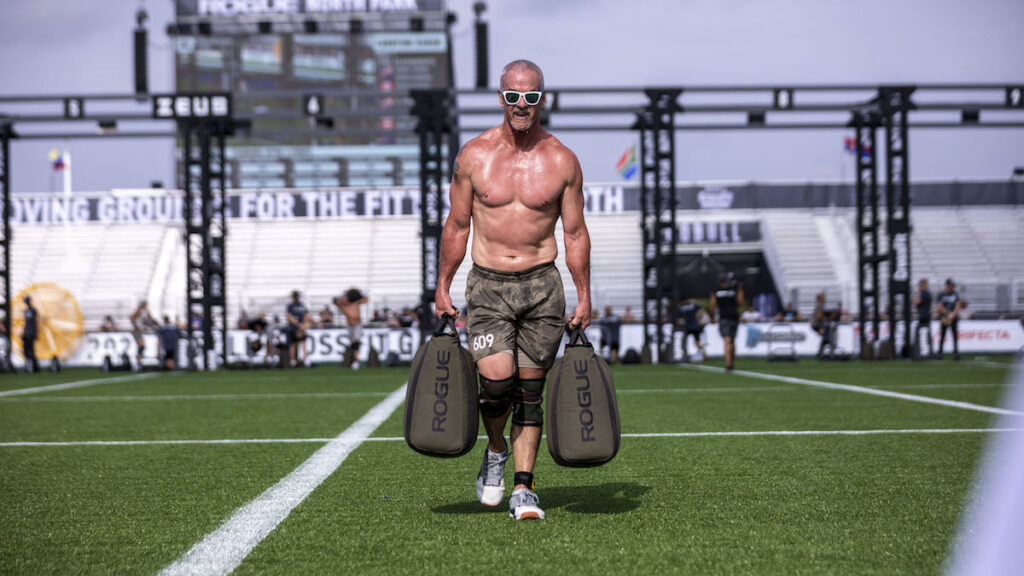
5. The Farmer’s Carry
If there is one exercise that deserves more attention among older lifters, it is the farmer’s carry.
Why the Farmer’s Carry Matters
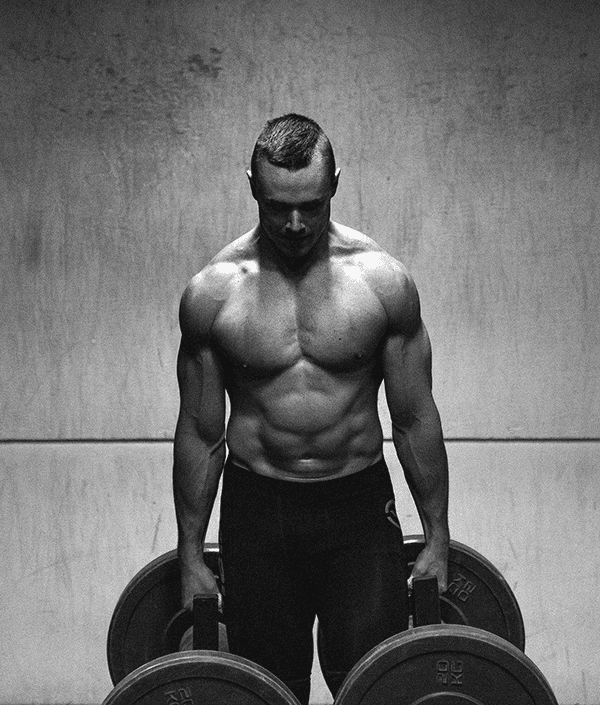
The movement is simple. Pick up heavy weights and walk. Despite its simplicity, the farmer’s carry develops strength, stability, coordination, posture, grip, and conditioning simultaneously. Few exercises provide such broad functional benefits.
Scientific Benefits
Loaded carries challenge nearly every major muscle group while improving:
• Grip strength
• Core stability
• Balance
• Walking mechanics
• Functional capacity
• Work capacity
Research has consistently linked stronger grip strength and better walking performance with healthier aging and reduced risk of disability. The farmer’s carry trains both qualities at once.
Key Coaching Points
Stand tall with shoulders down and back. Walk under control and avoid leaning excessively. Focus on maintaining posture throughout the carry.
Final Thoughts
The best strength exercises for men over 50 are not necessarily the most complicated or trendy. They are the movements that build strength, preserve muscle mass, improve functional capacity, support bone health, and help maintain independence for decades to come.
The squat, deadlift, push up, row, and farmer’s carry meet all of these criteria. Backed by extensive scientific research, these exercises target the qualities most strongly associated with healthy aging and long term physical performance.
Men over 50 are capable of becoming stronger, more resilient, and more athletic than many people realize. The key is focusing on proven exercises, applying progressive overload consistently, and prioritizing recovery alongside training. Master these five movements and you will have a strength program capable of delivering benefits for years to come.
References
• American College of Sports Medicine (2009) ‘Exercise and physical activity for older adults’, Medicine & Science in Sports & Exercise, 41(7), pp. 1510 to 1530.
• Borde, R., Hortobágyi, T. and Granacher, U. (2015) ‘Dose response relationships of resistance training in healthy old adults’, Sports Medicine, 45(12), pp. 1693 to 1720.
• Cruz Jentoft, A.J., Bahat, G., Bauer, J., Boirie, Y., Bruyère, O., Cederholm, T., Cooper, C., Landi, F., Rolland, Y., Sayer, A.A., Schneider, S.M., Sieber, C.C., Topinkova, E. and Visser, M. (2019) ‘Sarcopenia: Revised European consensus on definition and diagnosis’, Age and Ageing, 48(1), pp. 16 to 31.
• Fragala, M.S., Cadore, E.L., Dorgo, S., Izquierdo, M., Kraemer, W.J., Peterson, M.D. and Ryan, E.D. (2019) ‘Resistance training for older adults: Position statement from the National Strength and Conditioning Association’, Journal of Strength and Conditioning Research, 33(8), pp. 2019 to 2052.
• Fiatarone, M.A., Marks, E.C., Ryan, N.D., Meredith, C.N., Lipsitz, L.A. and Evans, W.J. (1990) ‘High intensity strength training in nonagenarians’, JAMA, 263(22), pp. 3029 to 3034.