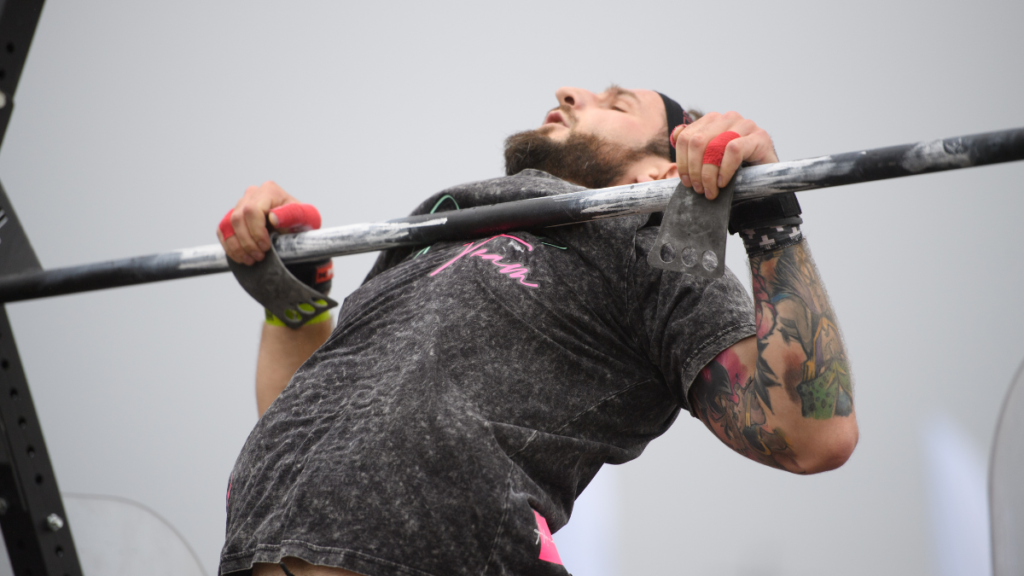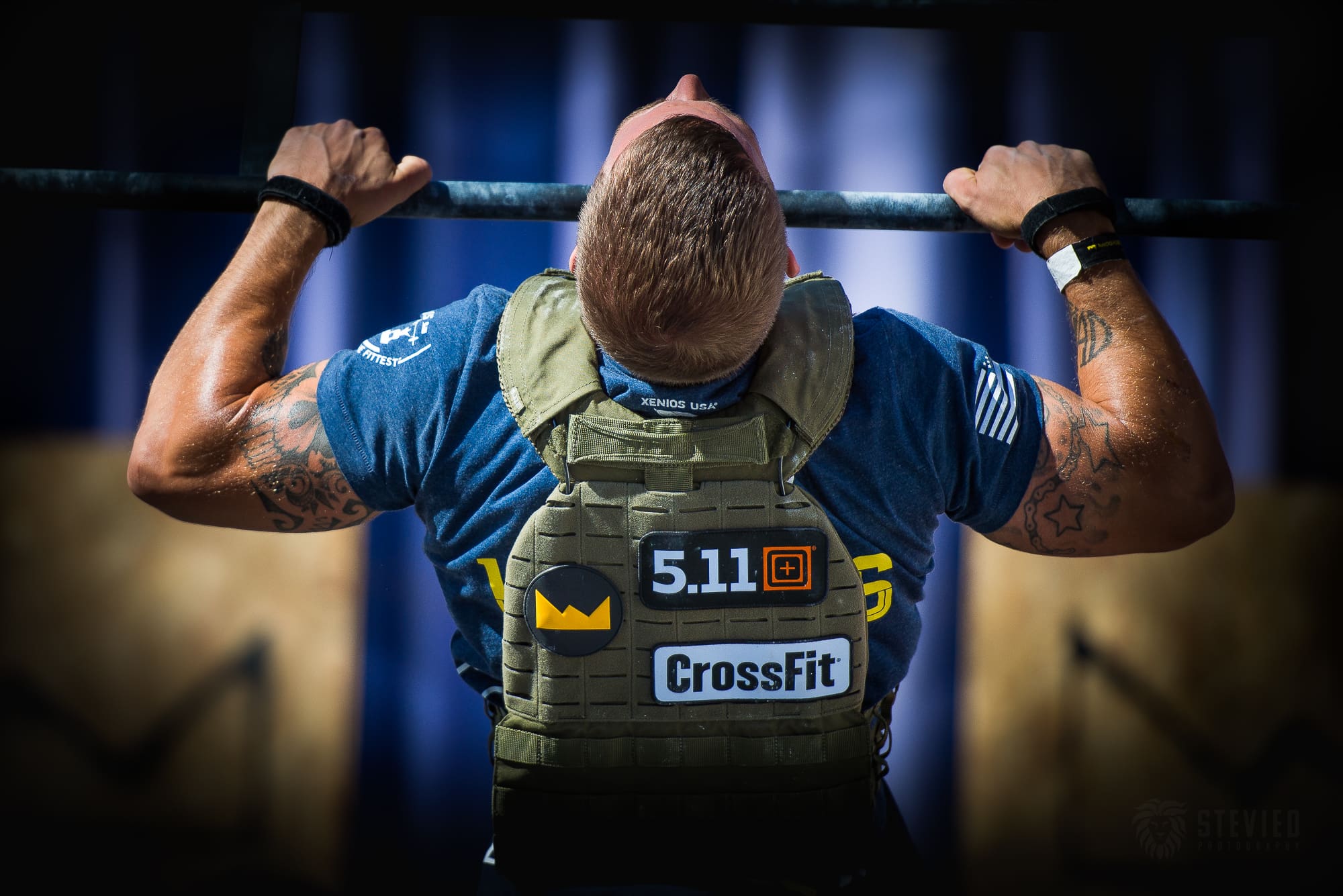


A thick, strong back is one of the biggest visual signs of strength. Wide lats create the coveted V taper, while well developed traps, rhomboids, spinal erectors, and rear delts contribute to posture, athletic performance, and resilience against injury. Despite this, many men spend years training without ever developing the kind of back that stands out.
The problem is rarely genetics alone. Most lifters fail because they make the same training mistakes repeatedly, misunderstand how the back muscles actually function, or neglect important recovery habits that determine whether muscle growth happens at all.


The good news is that these problems are completely fixable. Understanding how the back works and how muscle growth occurs allows you to train with far greater efficiency and finally build the size and strength you have been chasing.
Why Back Training Is Different
Unlike muscles such as the biceps or chest, the back is not a single muscle. It is a complex network of muscles that perform multiple functions across the shoulder blades, spine, and shoulders.
Best 5 Tips for Beginners that Want to Build Wider Shoulders
The latissimus dorsi is responsible for shoulder extension, adduction, and internal rotation. The trapezius has upper, middle, and lower fibers that perform different roles in scapular movement. The rhomboids retract the shoulder blades, while the spinal erectors stabilize and extend the spine. Smaller muscles including the teres major and rear deltoids also contribute to pulling strength.
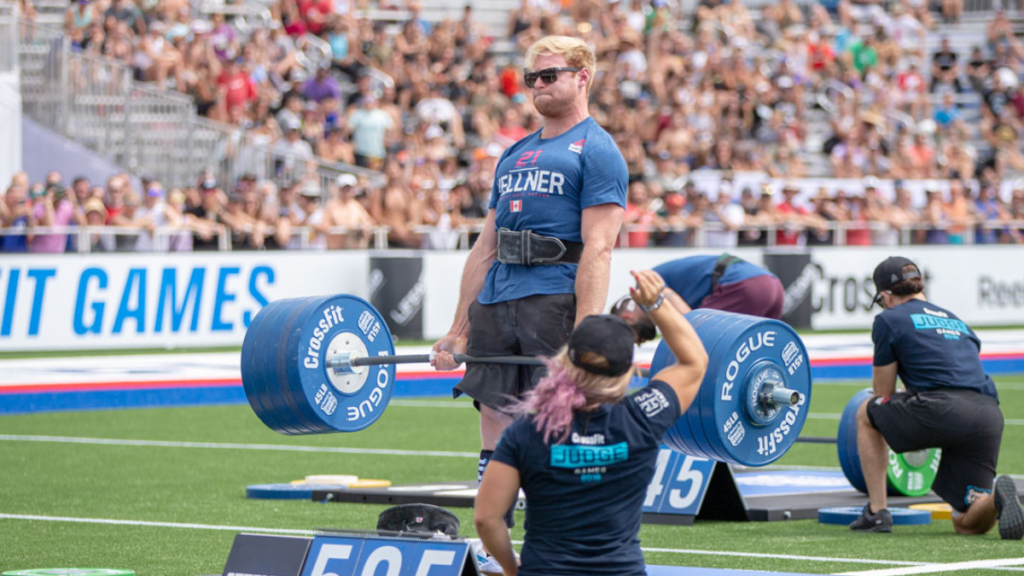
Because these muscles perform different actions, no single exercise can fully develop the back. Effective training requires pulling from multiple angles while maintaining proper control of the shoulder blades throughout each repetition. Many men overlook this complexity and end up performing endless sets of the same movement, limiting overall development.
Reason 1: They Pull With Their Arms Instead of Their Back
The most common mistake in back training is allowing the arms to dominate every exercise. During rows, pull ups, and pulldowns, the elbows should drive the movement while the shoulder blades move naturally through retraction and depression. Instead, many lifters grip the bar as hard as possible and focus entirely on bending the elbows, turning every exercise into an arm workout.
This happens because the biceps are naturally eager to assist during pulling movements. If technique is poor, they often fatigue before the larger muscles of the back receive sufficient stimulation.
The Mind Muscle Connection Matters
Some lifters dismiss the idea of the mind muscle connection as bodybuilding folklore, but research tells a different story. Studies have shown that consciously focusing attention on the target muscle can increase muscle activation during resistance training, particularly when moderate loads are used. This internal focus appears to improve recruitment of the intended muscles, potentially leading to better long term hypertrophy.
That does not mean lifting lighter forever. Heavy loading remains essential for maximizing strength and muscle growth, but combining good technique with conscious muscular control improves training quality significantly.
Learn to Initiate With the Shoulder Blades
Every pulling movement should begin by setting the shoulders before the elbows move. During a lat pulldown, think about bringing your elbows toward your hips instead of pulling the bar with your hands. During rows, imagine squeezing your shoulder blades together before finishing the movement with your arms.
These simple cues shift more work toward the lats, traps, and rhomboids while reducing unnecessary arm dominance.
Grip Can Become the Limiting Factor
Grip strength is important, but it should not prevent the larger back muscles from receiving adequate stimulation. If your forearms consistently fail before your back, lifting straps can be useful during heavier rowing or pulldown work. Research suggests that straps may reduce grip limitations while allowing greater training volume for the larger pulling muscles.
The goal is not to avoid building grip strength altogether. It is to ensure your back receives enough mechanical tension to grow.
Reason 2: They Never Train the Back Through Its Full Range of Motion
Many lifters confuse moving weight with training muscles. Rows become short jerking movements. Pulldowns stop halfway. Deadlifts bounce off the floor. Pull ups turn into partial repetitions.
While heavy weights certainly have value, consistently shortening the range of motion limits muscle lengthening and shortening, both of which contribute to hypertrophy.

Full Range of Motion Builds More Muscle
Recent evidence suggests that resistance training through a full range of motion generally produces superior muscle growth compared with partial repetitions. A larger range allows muscles to experience greater mechanical tension across more of their functional length. This creates a stronger growth stimulus while improving mobility and movement quality.
For the lats, that means reaching fully overhead during pulldowns and pull ups before initiating each repetition. During rows, allow the shoulder blades to protract naturally before pulling them back into full retraction. Every repetition should look deliberate rather than rushed.
Stretch Under Load Is Powerful
One reason deeper ranges of motion appear effective is that muscles experience meaningful tension while lengthened. Growing evidence suggests that loaded stretching within resistance exercises provides a potent hypertrophy stimulus, especially for muscles trained through large movement arcs.
This is particularly relevant for the lats because they lengthen considerably when the arms reach overhead. Instead of immediately reversing the movement, briefly control the stretched position before initiating the pull. This creates additional tension without adding unnecessary weight.
Momentum Steals the Stimulus
Swinging the torso, bouncing weights, or using excessive body English may allow heavier loads, but momentum reduces the actual work performed by the target muscles. The back responds exceptionally well to controlled repetitions.
A two to three second lowering phase often improves muscular control while increasing total time under tension. Although time under tension alone is not the primary driver of hypertrophy, controlled eccentric contractions consistently produce significant muscle damage and growth signaling. Slowing down also improves technique and reduces injury risk.
Reason 3: They Underestimate Recovery and Training Volume
Building an impressive back is not simply about working harder. Muscle growth occurs when training stress is balanced with adequate recovery. Many men either perform too little quality volume to stimulate adaptation or perform so much that recovery never catches up.
Finding the right balance is where consistent progress happens.
More Is Not Always Better
Current evidence indicates that muscle growth generally increases as weekly training volume rises, but only up to a point. Most trained individuals appear to benefit from approximately ten to twenty challenging sets per muscle group each week. Beyond that, returns diminish while fatigue accumulates more rapidly.
For the back, this weekly volume should include both vertical pulling and horizontal rowing patterns.
Rather than performing twenty sets in one marathon workout, spreading volume across two or three weekly sessions typically improves recovery and performance.
Sleep Drives Muscle Growth
You cannot out train poor sleep. During deep sleep, growth hormone secretion increases while numerous recovery processes occur that support muscle repair and protein synthesis.
Research consistently shows that sleep restriction reduces muscle protein synthesis, impairs recovery, decreases strength performance, and negatively affects hormonal balance. Most adults seeking maximum muscle growth should aim for seven to nine hours of quality sleep every night. Missing sleep occasionally is not catastrophic, but chronic sleep deprivation dramatically slows progress.

Protein Intake Is Often Too Low
Resistance training creates the stimulus for growth, but dietary protein provides the building blocks. Current evidence suggests that individuals seeking maximal hypertrophy benefit from consuming approximately 1.6 grams of protein per kilogram of body weight daily, with some individuals potentially benefiting from intakes approaching 2.2 grams per kilogram.
Distributing protein across several meals throughout the day may further optimize muscle protein synthesis. Without adequate nutrition, even the best training program produces disappointing results.
The Best Exercises Are Only Effective When Performed Well
Every gym has debates about the perfect back exercise. Should you prioritize pull ups or pulldowns? Barbell rows or chest supported rows? Deadlifts or machine rows? The reality is that nearly all of these exercises can build an outstanding back when executed with proper technique and progressive overload.
A complete program typically includes vertical pulling to emphasize the lats, horizontal rowing for mid back thickness, hip hinging movements for the spinal erectors, and rear delt work for shoulder balance. The specific exercise matters less than consistently applying progressive overload while maintaining excellent technique.
Progressive Overload Is Still King
Many lifters constantly search for secret exercises while ignoring the single most important principle of strength training. Muscles grow because they are gradually exposed to greater demands over time.
Progressive overload can mean lifting more weight, performing more repetitions, improving technique, increasing training volume, or achieving better control with the same load. Small improvements accumulated over months create dramatic differences in muscle size.

Training logs remain one of the simplest tools for ensuring consistent progression. Recording weights, repetitions, and perceived effort makes it much easier to identify when progress stalls and adjustments become necessary.
Consistency Beats Perfection
Building a strong back takes time because many of the largest muscles in the body respond gradually. There will be weeks where strength stalls or motivation drops. That is normal.
The men who ultimately develop impressive backs are rarely those with perfect genetics or flawless training plans. They are usually the ones who consistently perform high quality training, recover properly, eat enough protein, and continue progressing over months and years. Mastering the fundamentals almost always outperforms constantly chasing new exercises or training trends.
Final Thoughts
Most men never build a strong back because they repeatedly make three avoidable mistakes. They rely too heavily on their arms instead of learning to recruit their back muscles effectively. They sacrifice range of motion and controlled technique in pursuit of heavier weights. They also underestimate the importance of recovery, nutrition, and appropriate training volume.
Correcting these mistakes transforms both performance and physique. A stronger back improves posture, enhances athletic ability, supports heavier lifts throughout the body, and creates the broad, powerful appearance many lifters seek.
There are no shortcuts, but there is a proven formula. Train the back through a full range of motion, focus on quality muscular contractions, apply progressive overload consistently, recover properly, and remain patient. Science consistently shows that these principles produce lasting muscle growth.
Key Takeaways
| Mistake | Why It Limits Progress | Better Approach |
|---|---|---|
| Pulling with the arms | Reduces activation of the larger back muscles | Initiate each pull with the shoulder blades and drive the elbows through the movement |
| Using partial repetitions | Limits muscle tension across the full functional range | Perform controlled repetitions through a full range of motion |
| Ignoring recovery | Prevents optimal muscle growth and adaptation | Prioritize sleep, sufficient protein intake, and appropriate weekly training volume |
References
- Ahtiainen, J.P., Pakarinen, A., Alen, M., Kraemer, W.J. and Häkkinen, K. (2003) ‘Muscle hypertrophy, hormonal adaptations and strength development during strength training in strength trained and untrained men’, European Journal of Applied Physiology, 89(6), pp. 555 to 563.
- Grgic, J., Schoenfeld, B.J., Davies, T.B., Lazinica, B., Krieger, J.W. and Pedisic, Z. (2022) ‘Effect of resistance training performed to repetition failure or non failure on muscular strength and hypertrophy’, Journal of Sport and Health Science, 11(2), pp. 202 to 211.
- Helms, E.R., Zinn, C., Rowlands, D.S. and Brown, S.R. (2014) ‘A systematic review of dietary protein during caloric restriction in resistance trained lean athletes’, International Journal of Sport Nutrition and Exercise Metabolism, 24(2), pp. 127 to 138.
- Morton, R.W., Murphy, K.T., McKellar, S.R., Schoenfeld, B.J., Henselmans, M., Helms, E., Aragon, A.A., Devries, M.C., Banfield, L., Krieger, J.W. and Phillips, S.M. (2018) ‘A systematic review, meta analysis and meta regression of the effect of protein supplementation on resistance training induced gains in muscle mass and strength in healthy adults’, British Journal of Sports Medicine, 52(6), pp. 376 to 384.
- Schoenfeld, B.J. (2010) ‘The mechanisms of muscle hypertrophy and their application to resistance training’, Journal of Strength and Conditioning Research, 24(10), pp. 2857 to 2872.
- Schoenfeld, B.J., Ogborn, D. and Krieger, J.W. (2017) ‘Dose response relationship between weekly resistance training volume and increases in muscle mass’, Journal of Sports Sciences, 35(11), pp. 1073 to 1082.