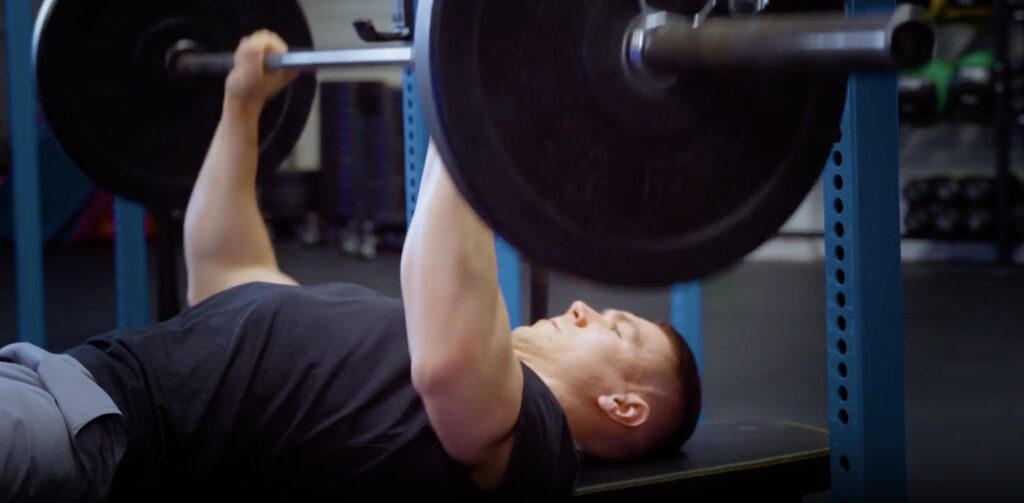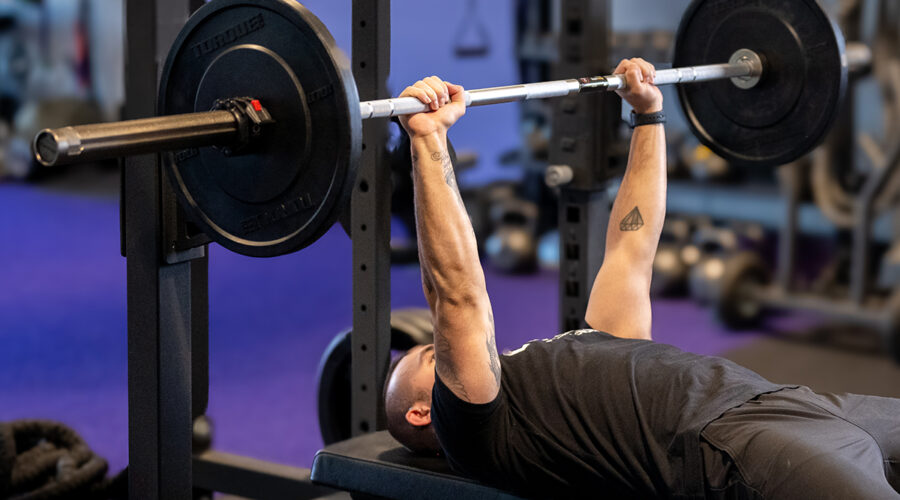


The bench press is one of the most popular strength exercises in the world. Walk into almost any commercial gym and you will eventually hear someone ask, “How much do you bench?” It has become a universal measure of upper body strength, even though it only tests one movement pattern.
The question is not simply how much the strongest people can bench press. A far more useful question is how much you should be able to bench press if you are healthy, active, and reasonably fit.


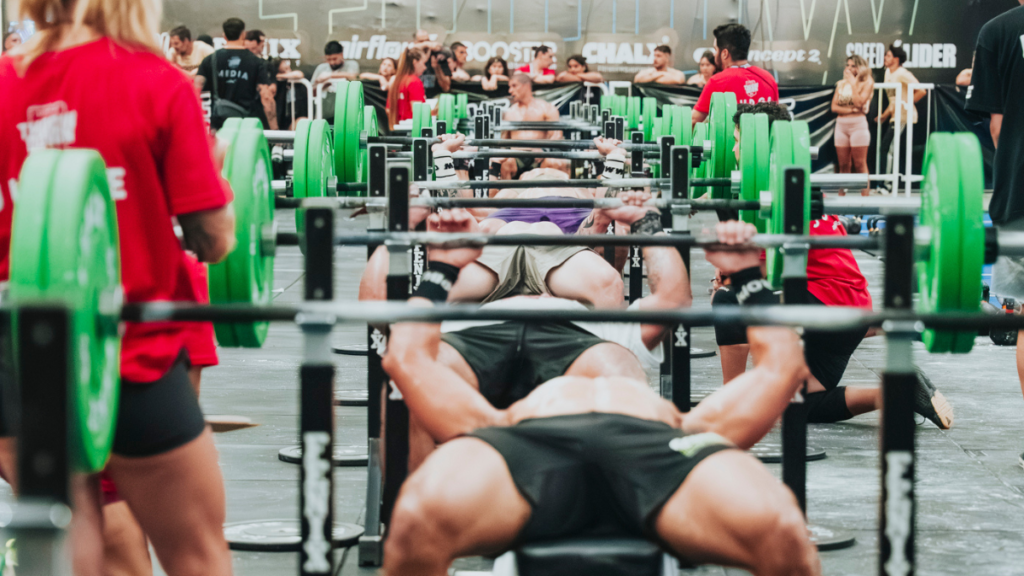
There is no single number that applies to everyone. Age, sex, body weight, training history, and technique all influence performance. A beginner weighing 140 pounds should not compare themselves to an experienced powerlifter weighing 220 pounds. Instead, bench press performance should be judged against realistic strength standards and your own progress over time.
This guide explains what counts as a good bench press, how much strength you should aim for, and what science says about building a stronger bench press safely and effectively.
Why the Bench Press Matters
The barbell bench press primarily trains the pectoralis major, anterior deltoids, and triceps brachii. It also challenges the muscles of the upper back, rotator cuff, and core to stabilize the body throughout the lift.
Research consistently shows that compound exercises involving multiple joints produce substantial improvements in muscular strength and muscle mass. The bench press is one of the best examples because it allows progressive overload using relatively small weight increases over many years.
A stronger bench press is associated with greater upper body strength in many athletic tasks, including pushing, throwing, and contact sports. For recreational lifters, it also reflects improvements in muscle mass, coordination, and neuromuscular efficiency.
While it should never be the only exercise in your program, the bench press remains one of the most effective ways to develop pressing strength.
What Counts as a Good Bench Press?
The easiest way to judge bench press performance is relative to your body weight.
Lifting your own body weight demonstrates a solid level of upper body strength for most recreational lifters. Pressing considerably more than body weight usually requires years of structured training.
General strength standards for healthy adult men look something like this:
- A beginner often benches around 50 to 70 percent of body weight.
- A novice who has trained consistently for several months may reach roughly 75 to 90 percent of body weight.
- An intermediate lifter can usually bench their full body weight and often more.
- Advanced lifters commonly press between 1.25 and 1.75 times body weight.
- Elite competitive powerlifters frequently exceed twice their body weight.
Women naturally have lower absolute upper body strength because they generally possess less muscle mass in the chest, shoulders, and arms. Relative improvements through training, however, are just as impressive.
For many women, pressing half of body weight is an excellent starting goal. Benching body weight represents a very high level of strength that relatively few recreational lifters achieve.
Bench Press Standards by Experience
How to Build Wider Shoulders Without Overhead Pressing
Training experience often predicts performance more accurately than age.
Beginner
If you have been lifting for less than six months, focus on learning technique instead of chasing heavy numbers. At this stage, your nervous system is adapting rapidly. Strength increases often come from improved coordination rather than bigger muscles. Adding weight gradually while maintaining excellent form should be the priority.
Novice
After six to twelve months of consistent training, most people can bench noticeably more weight.
During this phase, muscle growth becomes a larger contributor to strength gains. Following a structured program with progressive overload often leads to rapid improvement.
Intermediate
After one to three years of consistent training, progress naturally slows.
Adding five pounds to your bench press may require weeks instead of days. Recovery, nutrition, sleep, and intelligent programming become increasingly important.
Advanced
Advanced lifters have already developed substantial muscle mass and technical skill.
Progress is measured over months rather than weeks. Small improvements require carefully managed training volume, recovery, and periodization.
Relative Strength Is More Important Than Absolute Weight
Many people become obsessed with reaching famous milestones such as a 225 pound bench press. While these numbers can be motivating, they ignore one important variable. Body weight matters.
Someone weighing 150 pounds who benches 225 pounds demonstrates much greater relative strength than someone weighing 260 pounds who lifts the same weight.
Researchers frequently use relative strength when comparing athletic performance because it provides a fairer comparison between individuals of different sizes. Rather than comparing yourself with the biggest person in the gym, compare your strength to your own body weight and previous performances.
What Determines How Much You Can Bench Press?
Muscle Mass
Larger muscles generally produce more force. Studies consistently show a strong relationship between muscle cross sectional area and maximal strength.

Building the chest, shoulders, and triceps through regular resistance training is therefore one of the most reliable ways to increase bench press performance.
Technique
Good technique allows you to lift more weight safely.
Elite lifters position the shoulder blades firmly against the bench, maintain a stable arch through the upper back, keep the feet planted firmly on the floor, and lower the bar under control before pressing explosively. Small technical improvements can produce immediate strength gains without adding muscle.
Training Frequency
Practicing the bench press more often generally improves performance.
Research suggests training a muscle group at least twice each week often produces superior strength gains compared to training once weekly, provided total training volume remains appropriate.
Progressive Overload
Muscles only become stronger when they face gradually increasing demands. Progressive overload may involve adding weight, increasing repetitions, performing more sets, or improving movement quality. Without progression, strength gains eventually stop.
Recovery
Strength develops between workouts rather than during them. Sleep, nutrition, protein intake, hydration, and stress management all influence recovery and long term progress. Athletes who consistently sleep less than recommended often recover more slowly and experience reduced performance.
How Much Should the Average Gym Goer Bench Press?
Most recreational lifters never compete in powerlifting.
For general health and fitness, reaching the following milestones represents excellent progress.
- If you can bench approximately 75 percent of your body weight, you have developed a good foundation.
- Benching your full body weight demonstrates above average upper body strength.
- Pressing 1.25 times your body weight places you well ahead of most casual gym members.
- A bench press of 1.5 times body weight represents an advanced level of strength requiring years of consistent training.
- Very few recreational lifters ever reach twice body weight.
Is a 225 Pound Bench Press Really Impressive?
Among gym enthusiasts, a 225 pound bench press has become an iconic milestone.
For the average adult man, it represents excellent strength. Research and large strength databases indicate that only a minority of recreational lifters ever reach this level. The achievement becomes even more impressive for lighter athletes because it represents a much higher multiple of body weight.
For women, equivalent relative strength milestones are different due to physiological differences in muscle mass and hormone profiles. Rather than focusing on a universal number, it is more meaningful to improve your own relative strength.
How Long Does It Take to Build an Impressive Bench Press?
Strength gains occur relatively quickly during the first year of training. Many beginners can increase their bench press by 40 to 60 pounds during their first twelve months with consistent training. After that, progress slows considerably.
Intermediate lifters may add only 10 to 20 pounds each year. Advanced athletes often spend an entire year improving by just a few pounds. This slowing rate of progress is completely normal. Patience and consistency matter far more than searching for secret training methods.
Should Everyone Bench Press?
Despite its popularity, the bench press is not mandatory. People with shoulder injuries, limited mobility, or certain orthopedic conditions may tolerate dumbbell presses, push ups, machine presses, or landmine presses more comfortably.
The goal is building upper body strength rather than forcing one specific exercise. If the traditional bench press causes pain despite good technique, alternative pressing movements can produce similar improvements in muscle growth and strength.
Final Thoughts
The amount you should be able to bench press depends on your body weight, training experience, and goals rather than a single magic number.
For most healthy adults, benching your own body weight represents an excellent milestone that demonstrates solid upper body strength. Reaching 1.25 to 1.5 times body weight places you among experienced lifters who have invested years in consistent training.
Instead of comparing yourself with elite powerlifters or social media influencers, focus on improving your own performance through progressive overload, proper technique, quality nutrition, and consistent recovery.
The strongest lifters are rarely those with the perfect genetics. They are usually the people who show up week after week, refine their technique, and stay patient long enough for the results to accumulate.
Key Takeaways
| Topic | Key Takeaway |
|---|---|
| Good benchmark | Benching your own body weight is an excellent goal for most recreational lifters. |
| Relative strength | Body weight provides a better comparison than absolute weight alone. |
| Main muscles | The chest, shoulders, triceps, and upper back all contribute to a strong bench press. |
| Best way to improve | Progressive overload combined with consistent technique and recovery drives long term strength gains. |
| Training frequency | Training the bench press or similar pressing movements twice weekly generally supports greater strength gains. |
| Nutrition | Adequate protein, sufficient calories, and creatine supplementation can support strength development. |
| Common mistakes | Poor technique, weak upper back muscles, and inadequate recovery frequently limit progress. |
| Long term goal | Aim to improve steadily rather than chasing arbitrary numbers. |
References
- American College of Sports Medicine. (2009). Progression models in resistance training for healthy adults. Medicine & Science in Sports & Exercise, 41(3), 687 to 708.
- Dankel, S.J., Mattocks, K.T., Jessee, M.B., Buckner, S.L., Mouser, J.G., Counts, B.R. and Loenneke, J.P. (2017). Frequency, volume, and muscle adaptation. Sports Medicine, 47(5), 863 to 873.
- Grgic, J., Schoenfeld, B.J., Davies, T.B., Lazinica, B., Krieger, J.W. and Pedisic, Z. (2018). Effect of resistance training frequency on gains in muscular strength. Sports Medicine, 48(5), 1207 to 1220.
- Morton, R.W., Murphy, K.T., McKellar, S.R., Schoenfeld, B.J., Henselmans, M., Helms, E., Aragon, A.A., Devries, M.C., Banfield, L., Krieger, J.W. and Phillips, S.M. (2018). A systematic review, meta analysis and meta regression of protein supplementation on resistance training induced gains in muscle mass and strength in healthy adults. British Journal of Sports Medicine, 52(6), 376 to 384.
- Schoenfeld, B.J. (2010). The mechanisms of muscle hypertrophy and their application to resistance training. Journal of Strength and Conditioning Research, 24(10), 2857 to 2872.
- Schoenfeld, B.J., Ogborn, D. and Krieger, J.W. (2017). Dose response relationship between weekly resistance training volume and increases in muscle mass. Journal of Sports Sciences, 35(11), 1073 to 1082.
- Suchomel, T.J., Nimphius, S. and Stone, M.H. (2016). The importance of muscular strength in athletic performance. Sports Medicine, 46(10), 1419 to 1449.
- Williams, T.D., Tolusso, D.V., Fedewa, M.V. and Esco, M.R. (2017). Comparison of periodized and non periodized resistance training on maximal strength. Biology of Sport, 34(3), 199 to 210.