

Bar facing burpees are hard. They raise your heart rate quickly, involve the legs, chest, shoulders, arms, and trunk, and can make a short workout feel brutally demanding. Because of that, they are often treated as a fat loss shortcut.
They are not.


Bar facing burpees can be a useful conditioning exercise, and they can contribute to the calorie expenditure that supports fat loss. However, no single exercise is perfect for burning body fat. Fat loss is driven primarily by a sustained energy deficit over time, meaning that you consistently use more energy than you consume. Training helps, but nutrition, daily activity, sleep, recovery, and long term adherence matter just as much.
The real value of bar facing burpees is that they are time efficient, easy to scale, and highly demanding when performed well. The drawback is that they can also become technically messy and excessively fatiguing when used too often or performed before you have built a fitness base.
What Is a Bar Facing Burpee?
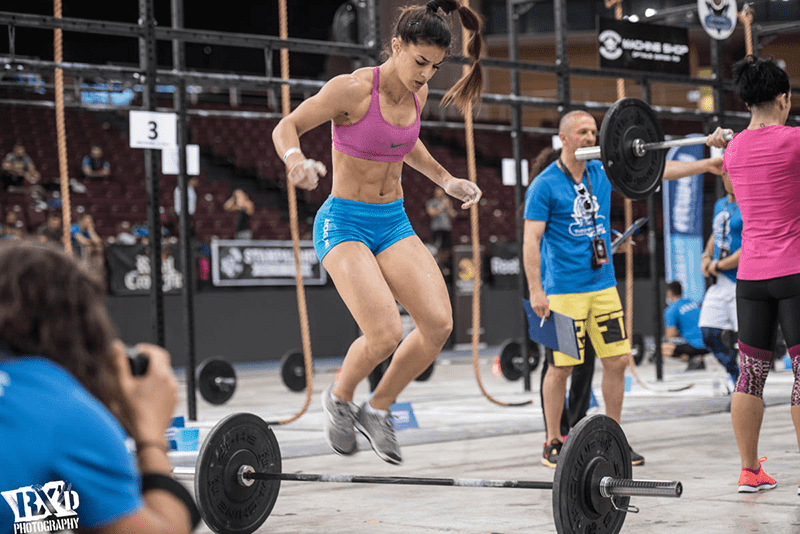
A bar facing burpee is a burpee performed with a barbell on the floor in front of you. You begin facing the bar, lower your chest and thighs to the floor, return to your feet, then jump over the bar and turn to repeat on the other side.
Competition standards can vary, but the basic movement combines a floor transition, a push from the ground, a squat or hip hinge to stand, and a two foot jump over a fixed obstacle. The barbell does not need to be loaded for the exercise to be physically demanding.
The movement uses bodyweight resistance rather than external load. That means it does not produce the same strength stimulus as heavy squats, presses, rows, or deadlifts. Its main training effect is conditioning. Repeated burpees challenge the cardiovascular system while requiring repeated muscular efforts from the lower and upper body.
Research on bodyweight resistance exercises shows that whole body movements can create substantial energy expenditure, particularly when they involve large muscle groups and are performed continuously. Burpees fit that description, although research on the exact bar facing version is limited. It is more accurate to apply evidence from burpee based and high intensity functional training research than to claim that bar facing burpees have been proven to be uniquely superior.
Can Bar Facing Burpees Help You Lose Fat?
Yes, but only as part of a larger plan.
A hard set of bar facing burpees increases energy use during the workout. It can also improve work capacity and make intervals feel more challenging than walking or cycling at a similar duration. However, the calorie burn from a single session is usually smaller than people expect, especially when compared with the total energy intake accumulated across a week.
A person can complete a difficult burpee workout and still gain body fat if their overall calorie intake consistently exceeds their energy needs. Equally, a person can lose body fat without doing burpees if they maintain an appropriate energy deficit through nutrition, resistance training, cardio, and daily movement.
Exercise is valuable because it supports energy expenditure, fitness, health, and maintenance of body composition. It should not be viewed as a way to erase poor nutrition choices. The most successful fat loss plans use training to support a sustainable eating pattern rather than relying on punishment style workouts.
High Intensity Training Can Reduce Body Fat
High intensity interval training can reduce body fat and improve cardiometabolic health. Systematic reviews show that interval based exercise can improve body composition in inactive and overweight adults, although the average changes in body fat are usually modest.
This does not mean high intensity training is automatically better than all other exercise for fat loss. Moderate continuous cardio can also contribute to fat loss, particularly because many people can perform more total work and recover more easily from it. The best exercise style is the one that you can perform consistently while managing appetite, fatigue, injury risk, and your overall training schedule.
Bar facing burpees can serve as your high intensity option if you enjoy them and can perform them safely. They should not become the only form of exercise in a fat loss plan.
The Afterburn Effect Is Not the Main Reason They Work
Hard interval exercise can increase oxygen consumption after the workout. This is often called the afterburn effect. The effect is real, but it is frequently exaggerated in fitness marketing.
The greater benefit of burpees is not that they secretly burn huge amounts of calories for hours afterward. Their value is that they create a demanding training session in a relatively short time. They can improve conditioning, challenge multiple muscle groups, and contribute to a higher overall activity level.
The calories burned after training are a bonus, not a replacement for consistent nutrition and total movement.
Why Bar Facing Burpees Feel So Effective
Bar facing burpees involve repeated transitions between the floor and standing. Your heart rate rises because the movement uses a large amount of muscle mass while providing little time for recovery. The legs drive the jump, the upper body helps control the floor phase, and the trunk must stay organized as you move quickly.
High intensity functional training research shows that workouts involving repeated whole body movements can create demanding cardiovascular and anaerobic responses. Advanced functional fitness athletes also need the ability to recover quickly between intense efforts to sustain performance. Bar facing burpees fit this type of demand, especially when they are used in intervals, circuits, or mixed modality workouts.
The exercise also has a strong mental component. Counting repetitions while breathing hard can make the workout feel more difficult than a machine based cardio session. This can be motivating for some people, but it can also encourage poor pacing. The hardest possible workout is not always the most productive workout.
They Are Convenient, Not Magical
Bar facing burpees need very little equipment. You need a clear area, a barbell, and enough room to jump safely. This makes them convenient for group workouts and home gyms.
Convenience is an advantage because the best fat loss exercise is often the one you are willing to do regularly. Still, bar facing burpees do not have a special fat burning property that walking, cycling, rowing, running, or resistance training lacks.
They can be a useful conditioning tool because they are challenging. They are not a replacement for a complete program.
The Main Problems With Using Them for Fat Loss
The first problem is fatigue. Burpees create substantial local fatigue in the shoulders, arms, chest, legs, and trunk. They also create a large cardiorespiratory demand. If you program too many of them, technique can deteriorate quickly.
The second problem is recovery. A person who performs frequent maximal burpee sessions may become too sore or fatigued to train strength effectively. This matters because resistance training is valuable during fat loss. It helps maintain muscle mass and strength while bodyweight is decreasing.
The third problem is injury risk from rushed movement. A tired athlete may land awkwardly, jump too close to the bar, fail to control the descent to the floor, or allow the lower back to round excessively while standing. The bar itself adds a coordination demand that a standard burpee does not have.
These risks do not mean you should avoid the exercise. They mean that volume and intensity should match your current ability. Quality repetitions are more valuable than a frantic pace that you cannot maintain safely.
Who Should Modify the Movement?
Beginners can start with a step back burpee rather than jumping both feet backward. They can also step over the bar instead of jumping it, use an unloaded training bar, or perform a regular burpee without a bar.
People with wrist discomfort may prefer using push up handles or placing their hands on a raised surface. People with knee or ankle issues may need to remove the jump. These modifications reduce impact and complexity while preserving the basic floor to standing movement.
If you have a current injury, unexplained chest symptoms, severe dizziness with exercise, or a medical condition that limits high intensity activity, get individualized advice from a qualified health professional before adding hard burpee intervals.
How to Program Bar Facing Burpees
For most people, bar facing burpees work best as a short conditioning element rather than the entire workout. They can be included after strength training, placed inside a mixed conditioning circuit, or used as intervals on a separate day.
A beginner could start with six rounds of 20 seconds of controlled work followed by 70 to 100 seconds of rest. The goal is to complete consistent repetitions without rushing the descent or jump. If your form changes significantly, shorten the work interval or add more rest.
An intermediate trainee might use eight to 12 minutes of intervals, such as 30 seconds of work followed by 30 to 60 seconds of rest. Another option is a circuit that combines five to 10 bar facing burpees with a lower impact movement such as a row, bike, carry, or moderate kettlebell exercise.
Avoid adding high volume burpees immediately after a workout that already contains many push ups, heavy pressing, or high impact jumping. The total stress on the shoulders, wrists, knees, and calves can become excessive.
Use a Sustainable Weekly Structure
Two high intensity conditioning sessions per week is enough for many recreational athletes. You can add low intensity walking, cycling, or rowing on other days to increase total activity without constantly pushing to exhaustion.
Strength training should remain part of the plan. During a fat loss phase, preserve a consistent resistance training routine that covers the major muscle groups. This gives the body a reason to retain muscle mass while bodyweight changes.
Daily movement also matters. Short walks, regular standing breaks, and an attainable step target can increase energy expenditure with much less recovery cost than repeated maximal burpee sessions. A fat loss plan that includes hard intervals, strength training, and consistent daily movement is generally more sustainable than one built entirely around suffering.
Are They Perfect for Burning Body Fat?
No exercise is perfect for burning body fat, and bar facing burpees are not an exception. They can raise energy expenditure and improve conditioning, but their direct effect on fat loss depends on the total energy balance you create across days and weeks.
They are a strong choice if you enjoy high intensity bodyweight training, have the movement skill to perform them safely, and use them in a plan that also includes strength training, regular low intensity activity, and nutrition you can maintain.
They are a poor choice if they cause pain, disrupt recovery, or make you dread exercise. A brisk walk, bike ride, rowing session, strength workout, or any other activity you can perform consistently can contribute more to long term fat loss than an exercise you abandon after two weeks.
Use bar facing burpees as a demanding tool, not a miracle solution. Train them with control, progress gradually, and let your overall habits do the work that no single exercise can do alone.
Key Takeaways
| Topic | Key takeaway |
|---|---|
| Fat loss | Bar facing burpees can support fat loss, but sustained energy balance determines whether body fat decreases. |
| Main benefit | They provide a demanding whole body conditioning stimulus in a short amount of time. |
| Direct evidence | Research on exact bar facing burpees is limited, so conclusions should be based on broader evidence from burpees and high intensity training. |
| Best use | Include them as short intervals or circuit work alongside strength training and regular daily movement. |
| Main limitation | High fatigue and rushed technique can reduce quality and increase injury risk. |
| Beginner option | Step back, step over the bar, reduce repetitions, and rest longer between intervals. |
| Bottom line | They are a useful tool, but not a perfect or necessary fat loss exercise. |
References
- Feito, Y., Giardina, M.J., Butcher, S. and Mangine, G.T. (2019) ‘Repeated anaerobic tests predict performance among a group of advanced CrossFit trained athletes’, Applied Physiology, Nutrition, and Metabolism, 44(7), pp. 727–735.
- Fountaine, C.J., Schmidt, B.J., Wagle, J.P., Lanning, S.J. and Harris, N.K. (2024) ‘The energy expenditure associated with bodyweight resistance exercises of various movement patterns performed at different durations’, Journal of Strength and Conditioning Research, 38(8), pp. 1463–1471.
- Gist, N.H., Fedewa, M.V., Dishman, R.K. and Cureton, K.J. (2014) ‘Sprint interval training effects on aerobic capacity: A systematic review and meta analysis’, Sports Medicine, 44(2), pp. 269–279.
- Keating, S.E., Johnson, N.A., Mielke, G.I. and Coombes, J.S. (2017) ‘A systematic review and meta analysis of interval training versus moderate intensity continuous training on body adiposity’, Obesity Reviews, 18(8), pp. 943–964.
- Wewege, M., van den Berg, R., Ward, R.E. and Keech, A. (2017) ‘The effects of high intensity interval training versus moderate intensity continuous training on body composition in overweight and obese adults: A systematic review and meta analysis’, Obesity Reviews, 18(6), pp. 635–646.
- Willis, E.A., Creasy, S.A., Honas, J.J., Melanson, E.L. and Donnelly, J.E. (2018) ‘The effects of exercise session timing on energy intake and energy balance: A systematic review’, International Journal of Obesity, 42(5), pp. 1016–1027.