

Broad shoulders are built primarily by developing the side portion of the deltoid, often called the lateral deltoid. That muscle adds width when viewed from the front or back because it sits on the outer surface of the shoulder. The shoulder press and the lateral raise can both contribute to shoulder development, but they do not stress the deltoid in the same way.
If your main goal is visibly wider shoulders, lateral raises deserve priority. Shoulder presses remain highly useful for overall upper body strength and for building the front deltoid, triceps, and upper chest. However, the mechanics of the lateral raise make it the more direct choice for loading the muscle that creates the width most lifters want.


The most effective program usually includes both exercises, with a greater share of direct work coming from lateral raises. Here is why.
What Actually Makes Shoulders Look Wider?
The deltoid has three anatomical regions: anterior, lateral, and posterior. The anterior deltoid is on the front of the shoulder, the lateral deltoid sits on the outer side, and the posterior deltoid is on the back. Although all three regions matter for a complete physique, the lateral deltoid is the main contributor to the side to side visual width of the upper body.
The lateral deltoid produces shoulder abduction, which means lifting the upper arm away from the body in the frontal plane. A lateral raise directly trains this action. In contrast, a shoulder press requires the arm to travel overhead while the front deltoid and triceps contribute heavily to the movement.
This does not mean a shoulder press ignores the lateral deltoid. The muscle is active during pressing and helps stabilize the shoulder. The important distinction is that activity alone does not establish which exercise is best for growing a muscle. Surface electromyography can show the electrical activity of a muscle during an exercise, but it cannot directly measure long term muscle growth. Training studies that measure changes in muscle size are stronger evidence for hypertrophy outcomes.
Direct long term comparisons between lateral raises and presses for lateral deltoid growth are limited. That limitation matters because no responsible conclusion should pretend there is a perfect head to head trial. Still, the available biomechanics, muscle activation research, and broader resistance training evidence support a practical conclusion: use lateral raises as the main width builder and presses as a complementary compound lift.
Why Lateral Raises Target the Side Delts Better
The Movement Matches the Muscle’s Primary Job
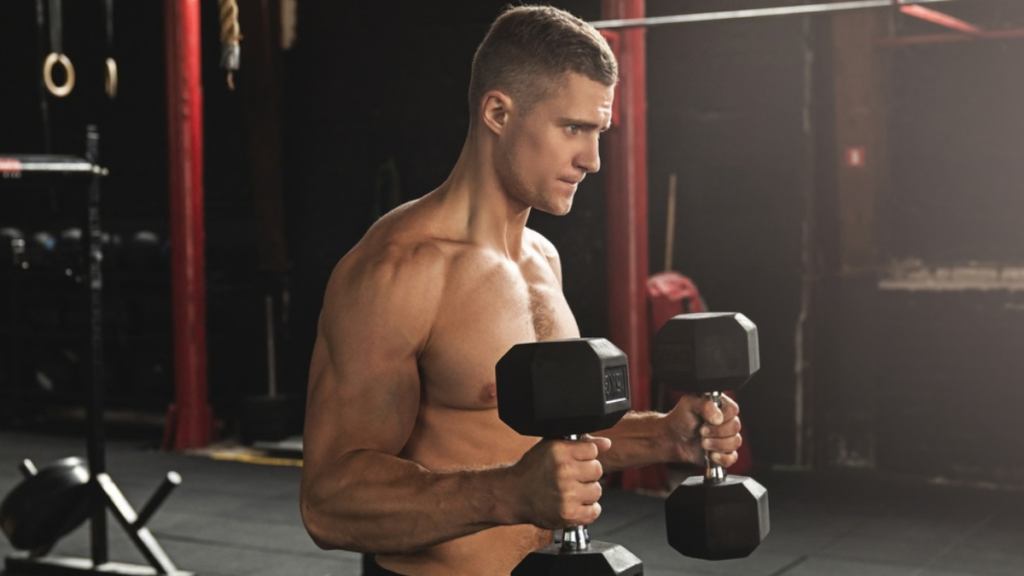
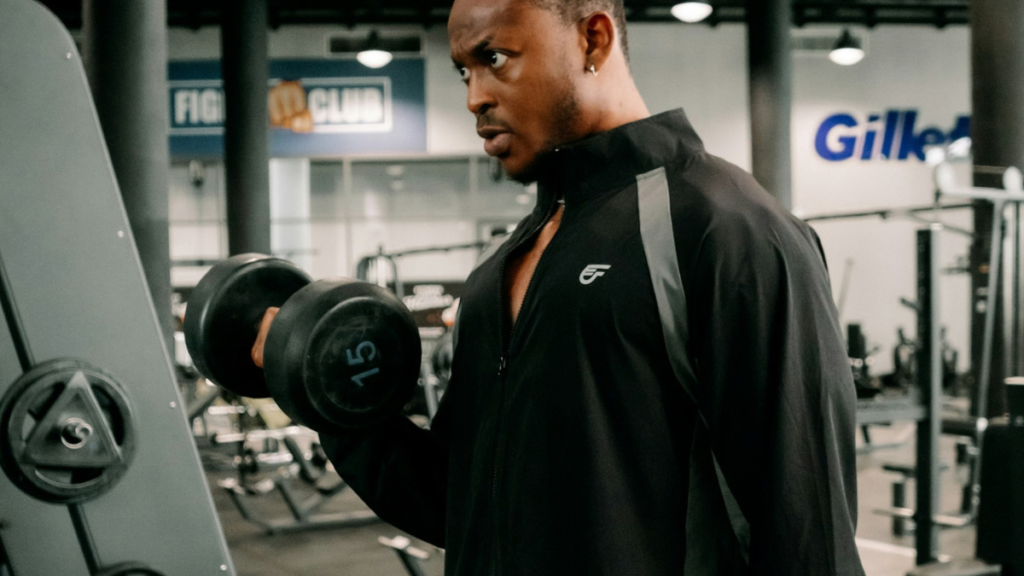
During a standard dumbbell lateral raise, the upper arm moves outward from the torso. This is the central function of the lateral deltoid. The exercise also allows the lifter to focus effort on this one area without triceps fatigue ending the set first.
Research comparing shoulder exercises in resistance trained people has found meaningful differences in activity across the three deltoid portions. Lateral raise variations consistently produce substantial lateral deltoid activity, while pressing patterns tend to produce more relative anterior deltoid involvement. That pattern fits the anatomy and the demands of each movement.
The practical benefit is simple. When you perform a well controlled lateral raise, the side deltoid is usually the limiting muscle. When you press overhead, the triceps, front deltoid, upper chest, and stabilizing muscles can all limit performance. A compound movement is efficient, but the target muscle does not always receive the greatest share of the challenge.
Lateral Raises Allow More Direct Weekly Volume
Muscle growth generally improves as the number of challenging resistance training sets increases, although the return from each additional set becomes smaller and recovery capacity remains important. Multiple set training also produces greater hypertrophy than single set training in the available meta analytic evidence.
Lateral raises are useful because they are relatively easy to recover from compared with heavy pressing. A lifter can often accumulate several quality sets for the side delts each week without the systemic fatigue or triceps stress that comes with adding the same amount of pressing volume.
That makes lateral raises especially valuable for people who already bench press, perform push ups, use dips, or do other chest focused training. Those movements already provide the front deltoid with a considerable amount of work. Adding more pressing may build strength, but it can create an imbalance in which the front delts receive far more attention than the side delts.
Why Shoulder Presses Still Matter
Presses Build More Than One Muscle at Once
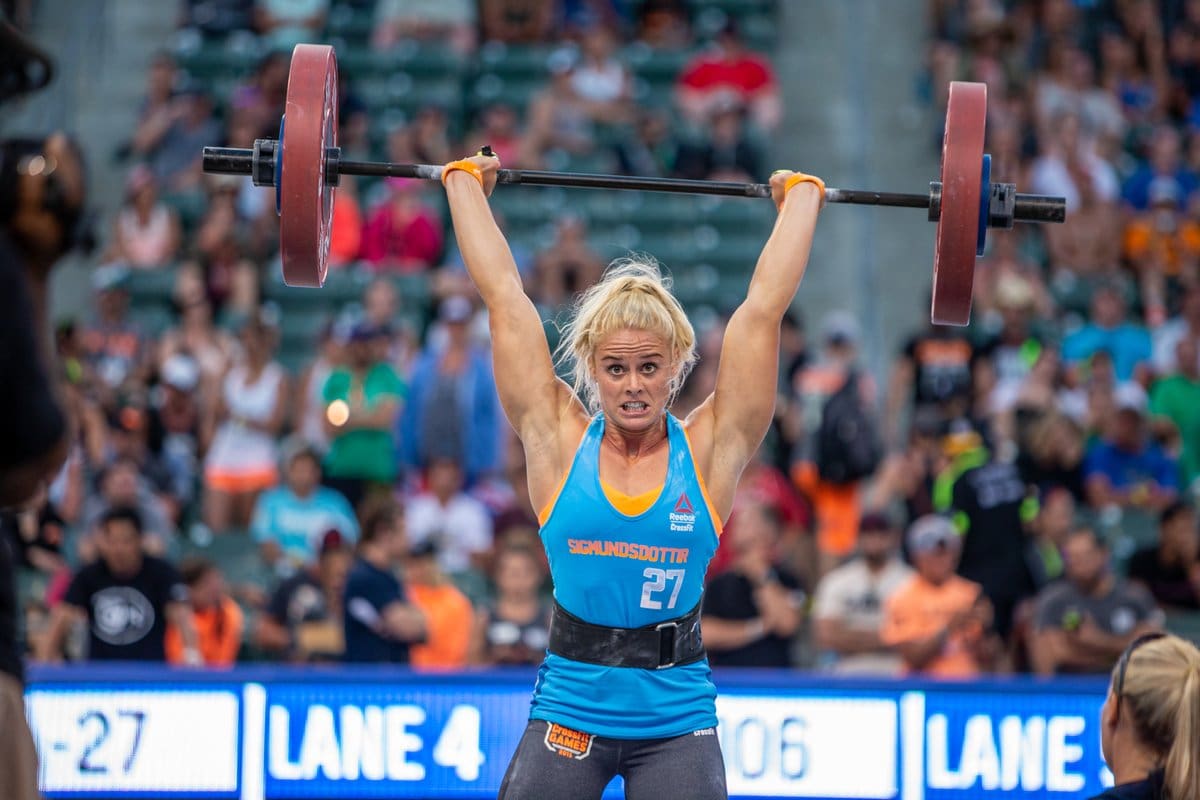
The shoulder press is a multi joint movement involving shoulder elevation and elbow extension. It trains the anterior deltoid, triceps, and other muscles that stabilize the shoulder blade and trunk. For someone looking to improve overhead strength, the press is more specific than a lateral raise because strength gains are strongly related to the movement being practiced.
A press also lets most people use substantially more external load than a lateral raise. That can make it satisfying to progress over time and can provide an efficient way to train several upper body muscles in one exercise. The ability to handle more weight, however, does not automatically make it the better lateral deltoid builder. The relevant question is whether the side deltoid receives enough hard, targeted work across the week.
The Front Delts Often Get Plenty of Work Already
The anterior deltoid contributes strongly to pressing motions. Bench press variations and incline pressing can also train this region substantially. For lifters whose front delts are already well developed, adding large amounts of overhead pressing may not be the most efficient route to a wider look.
This is why exercise selection should follow the goal rather than gym tradition. If the aim is maximal pressing strength, make the shoulder press a priority. If the aim is shoulder width, give priority to movements that directly challenge shoulder abduction and reserve pressing for its broader strength and muscle building benefits.
How to Perform Lateral Raises for Growth
Use a weight that allows controlled repetitions without swinging your torso. Stand tall or sit upright, keep a slight bend in the elbows, and raise the arms out to the sides. Stop around shoulder height if that range is comfortable and controllable. The goal is not to lift the heaviest dumbbells possible. The goal is to repeatedly load the side deltoids with consistent technique.
The resistance curve of a dumbbell lateral raise becomes harder as the arms move farther from the body because gravity creates more torque at the shoulder. Cables can provide a different resistance profile and may feel challenging through more of the movement. Both tools can work. Choose the option that lets you train hard with stable form and without painful joint symptoms.
Moderate and higher repetition sets are often practical for lateral raises because the exercise is difficult to load heavily with strict form. Research indicates that a wide range of loads can support hypertrophy when sets are performed with sufficient effort. This means sets of roughly eight to twenty or more repetitions can be productive, provided the set is challenging and technique remains sound.
3 Best Barbell Exercises for Jacked and Attractive Upper Abs
You do not need to take every set to absolute failure. Evidence suggests that training close to failure can support hypertrophy, while constantly reaching failure can add fatigue and may reduce the quality of later sets. A useful approach is to finish most sets with approximately one to three repetitions left before technical failure. On a final set, going closer to failure can be reasonable if form stays controlled.
How to Use the Shoulder Press
Use the shoulder press as a compound movement for strength and comprehensive shoulder development. Dumbbells, machines, barbells, and cables all provide viable options. Dumbbells and machines may be more comfortable for some lifters because they allow a more individual arm path, while barbells offer a straightforward option for loading and strength progression.
Start each repetition from a stable position and press smoothly overhead without excessive lower back extension. If you need to lean far backward to finish the lift, the load is probably too heavy for the intended training effect. A seated press can reduce the temptation to use the legs or torso, while a standing press places greater demands on trunk stability.
For a shoulder width focused plan, use presses for a few hard weekly sets and devote more direct sets to lateral raises. For an overhead strength focused plan, reverse that emphasis. Individual recovery, training age, and total pushing volume should guide the final amount.
The Best Answer for Wider Shoulders
Lateral raises are the better exercise for building wider shoulders because they directly train the lateral deltoid, the region most responsible for visible shoulder width. The shoulder press is not a replacement for lateral raises when width is the priority. It is a valuable companion exercise that develops pressing strength and adds training volume for the front deltoid and triceps.
Think of the two movements as tools with different jobs. The shoulder press builds a stronger and more complete pressing system. The lateral raise gives the side delts the focused work they need to grow. Combining them is productive, but the proportions should match your goal.
A straightforward starting point is to perform lateral raises two or three times weekly, accumulating several challenging sets across those sessions. Add shoulder presses once or twice weekly if they fit your recovery and strength goals. Progress slowly by improving repetitions, control, or load over time. Consistent high quality training, adequate recovery, and sufficient protein and energy intake will matter more than searching for a single perfect exercise.
Key Takeaways
| Question | Evidence based answer | Practical application |
|---|---|---|
| Which exercise is better for visible shoulder width? | Lateral raises more directly load the lateral deltoid, which is the main contributor to shoulder width. | Make lateral raises the primary direct exercise for side delts. |
| Are shoulder presses useful for shoulder growth? | Yes. They train the anterior deltoid, triceps, and supporting muscles while improving overhead strength. | Keep presses in the program if broader upper body development or pressing strength matters. |
| Can presses replace lateral raises? | Usually not when the specific goal is wider shoulders, because pressing distributes effort across several muscles. | Use both movements, but assign more direct volume to lateral raises. |
| What repetition range works best for lateral raises? | Several loading ranges can build muscle when sets are challenging and performed with sound technique. | Use a load that allows controlled moderate or higher repetition sets. |
| How close to failure should sets be? | Hypertrophy can occur when training close to failure without needing absolute failure on every set. | Finish most sets with one to three repetitions in reserve. |
References
- American College of Sports Medicine (2009) ‘American College of Sports Medicine position stand. Progression models in resistance training for healthy adults’, Medicine & Science in Sports & Exercise, 41(3), pp. 687-708.
- Grgic, J., Schoenfeld, B.J., Orazem, J. and Sabol, F. (2022) ‘Effects of resistance training performed to repetition failure or non failure on muscular strength and hypertrophy: A systematic review and meta analysis’, Journal of Sport and Health Science, 11(2), pp. 202-211.
- Krieger, J.W. (2010) ‘Single versus multiple sets of resistance exercise for muscle hypertrophy: A meta analysis’, Journal of Strength and Conditioning Research, 24(4), pp. 1150-1159.
- Marchetti, P.H. et al. (2020) ‘Different shoulder exercises affect the activation of deltoid portions in resistance trained individuals’, International Journal of Environmental Research and Public Health, 17(21), article 7917.
- Schoenfeld, B.J., Ogborn, D. and Krieger, J.W. (2017) ‘Dose response relationship between weekly resistance training volume and increases in muscle mass: A systematic review and meta analysis’, Journal of Sports Sciences, 35(11), pp. 1073-1082.
- Schoenfeld, B.J., Grgic, J., Ogborn, D. and Krieger, J.W. (2017) ‘Strength and hypertrophy adaptations between low versus high load resistance training: A systematic review and meta analysis’, Journal of Strength and Conditioning Research, 31(12), pp. 3508-3523.
- Wolf, M., de Oliveira, A.S. and Min, J. (2020) ‘An electromyographic analysis of lateral raise variations and frontal raise in competitive bodybuilders’, International Journal of Environmental Research and Public Health, 17(17), article 6015.